That unmistakable musty odor wafting from your car's air conditioning system can quickly turn a pleasant drive into an uncomfortable experience. It's a common issue for many vehicle owners, often signaling the presence of mildew or bacteria growth within the AC system's evaporator core. Fortunately, addressing this problem doesn't always require harsh chemicals or expensive professional services; a range of natural remedies can effectively restore a fresh scent to your cabin.
The Quick Fix for a Fresher Ride
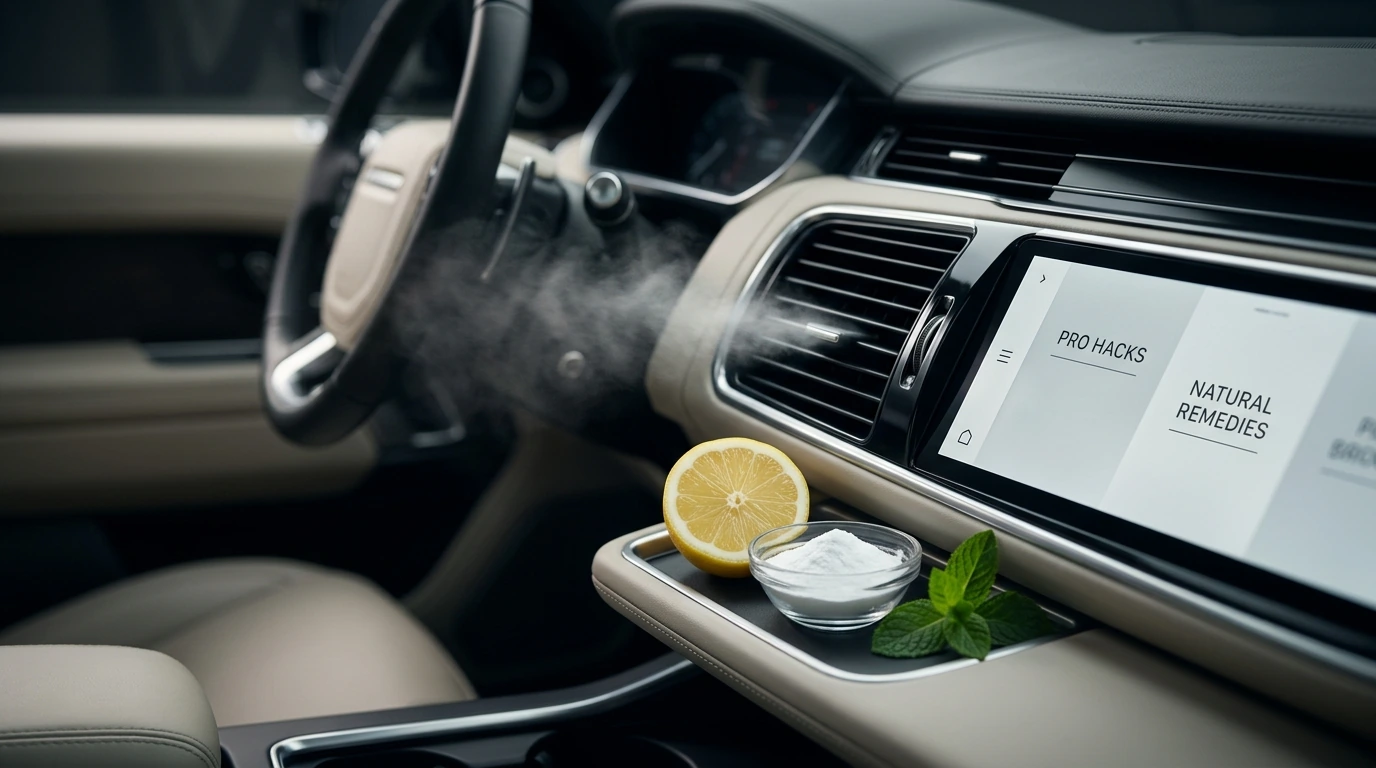
For those seeking a swift and environmentally conscious solution to the pervasive musty smell emanating from their vehicle's air conditioning, natural methods offer a compelling alternative. These approaches focus on neutralizing odors and inhibiting microbial growth without introducing synthetic fragrances or potentially irritating chemicals into the cabin. Utilizing common household items like white vinegar, baking soda, and proper ventilation, drivers can effectively tackle the root cause of the smell, leading to a cleaner, more breathable interior environment.
Understanding the Source of AC Odors
The primary culprit behind a musty AC smell is almost always moisture trapped within the evaporator core, located deep inside your dashboard. When the air conditioner runs, it cools and dehumidifies the air, causing condensation to form on the evaporator fins. This moisture, combined with dust and airborne particles, creates an ideal breeding ground for mold, mildew, and bacteria. Over time, these microorganisms multiply, releasing the volatile organic compounds (VOCs) responsible for that unpleasant, damp odor. A clogged or old cabin air filter can exacerbate the problem, as it fails to adequately filter out contaminants, allowing more organic matter to reach the evaporator.
Practical Steps for Natural Odor Elimination
Implementing natural remedies for AC odors involves a multi-pronged approach, focusing on cleaning, dehumidifying, and preventing future growth. Here's how to tackle the problem:
- Ventilation & Drying: The simplest step is to dry out the system. About 5-10 minutes before reaching your destination, turn off the AC (but keep the fan running on high) to help dry the evaporator. This reduces moisture accumulation.
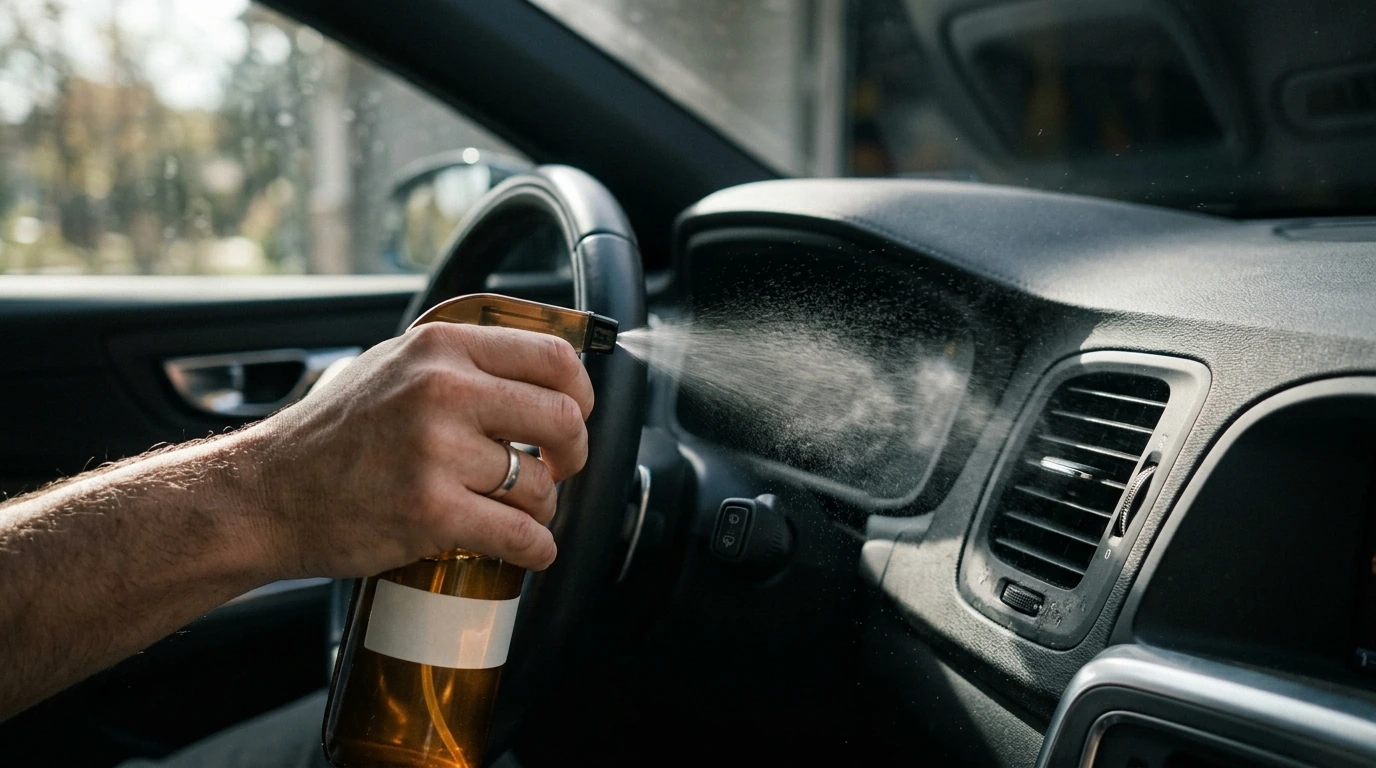
- White Vinegar Treatment: White vinegar is a natural disinfectant and odor neutralizer.
PRO TIP: Ensure proper ventilation when using vinegar. While natural, its strong scent can be overwhelming in an enclosed space.
- Baking Soda Absorption: Baking soda is renowned for its odor-absorbing properties.
- Essential Oil Diffusion (Optional): For a pleasant scent after cleaning, a few drops of essential oils can be used.
- Cabin Air Filter Replacement: This is a crucial preventative and remedial step.
Weighing the Benefits and Drawbacks of Natural Solutions
Advantages
- Healthier Cabin Air: Avoiding harsh chemical cleaners reduces exposure to synthetic fragrances and potential irritants, which is particularly beneficial for individuals with allergies or sensitivities.
- Cost-Effective: Most natural remedies utilize common household items, making them significantly cheaper than specialized chemical treatments or professional services.
- Environmentally Friendly: Natural ingredients are generally biodegradable and have a lower environmental impact compared to many commercial chemical products.
- Gentle on Materials: Properly diluted natural solutions are less likely to damage interior surfaces or AC components.
Considerations
- Requires More Effort: Natural methods often demand more hands-on effort and patience compared to simply spraying a chemical deodorizer.
- Not Always a Permanent Fix: If the underlying issue of excessive moisture or a severely contaminated evaporator is not fully addressed, odors may return, requiring repeat treatments.
- Less Potent for Severe Cases: For extremely stubborn or deeply embedded mold and mildew, a more aggressive professional cleaning might eventually be necessary.
- Temporary Initial Odor: Solutions like vinegar have their own distinct smell, which dissipates but can be noticeable immediately after application.
Who Benefits Most from Natural AC Odor Solutions?
These natural remedies are ideally suited for car owners who:
- Prioritize Health and Wellness: Those concerned about the chemicals in conventional car care products and prefer a non-toxic approach to cabin air quality.
- Are Budget-Conscious: Individuals looking for effective solutions that don't break the bank, leveraging inexpensive, readily available ingredients.
- Seek Preventative Maintenance: Drivers who want to regularly maintain their AC system to prevent musty smells from becoming a significant problem.
- Own Older Vehicles: Cars that might be more prone to moisture buildup and require regular attention to maintain a fresh interior.
- Are Environmentally Aware: Consumers who prefer eco-friendly practices in all aspects of their lives, including vehicle maintenance.
While natural remedies require a bit more diligence, their benefits in terms of health, cost, and environmental impact make them a valuable first line of defense against musty AC odors. Regular application and attention to the system's drying cycle can keep your car smelling fresh and clean, naturally.
Mastering Your Morning Ride: Essential Habits for Motorcycle Engine and Battery Longevity →
Frequently Asked Questions
Q1: How often should I perform these natural cleaning methods?
A1: For preventative maintenance, consider performing the ventilation and drying steps weekly. A more thorough vinegar or baking soda treatment can be done every 3-6 months, or whenever you notice the musty smell returning.
Q2: Can natural remedies damage my car's AC system?
A2: When used correctly and diluted as recommended, natural solutions like white vinegar and baking soda are generally safe and non-corrosive. Avoid saturating electrical components and always ensure good ventilation.
Q3: What if the musty smell persists after trying natural methods?
A3: If persistent odors remain, it may indicate a more severe mold infestation or a deeper issue within the AC system that natural methods cannot fully resolve. In such cases, professional inspection and cleaning by a qualified mechanic are recommended.
Q4: Does replacing the cabin air filter really help with odors?
A4: Absolutely. The cabin air filter traps dust, pollen, and other airborne contaminants. A dirty, old filter can itself harbor mold and bacteria, contributing to bad odors, and it allows more debris to reach the evaporator. Regular replacement (typically every 12,000-15,000 miles or annually) is crucial for fresh air.


