Faded black plastic trim can significantly detract from a vehicle's overall appearance, making even a meticulously maintained car look aged. Fortunately, restoring these sun-beaten surfaces to their original, deep black luster doesn't require expensive professional services or complex tools. Inexpensive gel restorers have emerged as a highly effective and accessible solution for car enthusiasts and everyday drivers alike.
These specialized products leverage advanced polymer technology to penetrate and re-saturate the plastic, providing a durable finish that protects against future degradation. This guide explores the science, application, and long-term benefits of using affordable gels to keep your black plastic trims looking brand new.
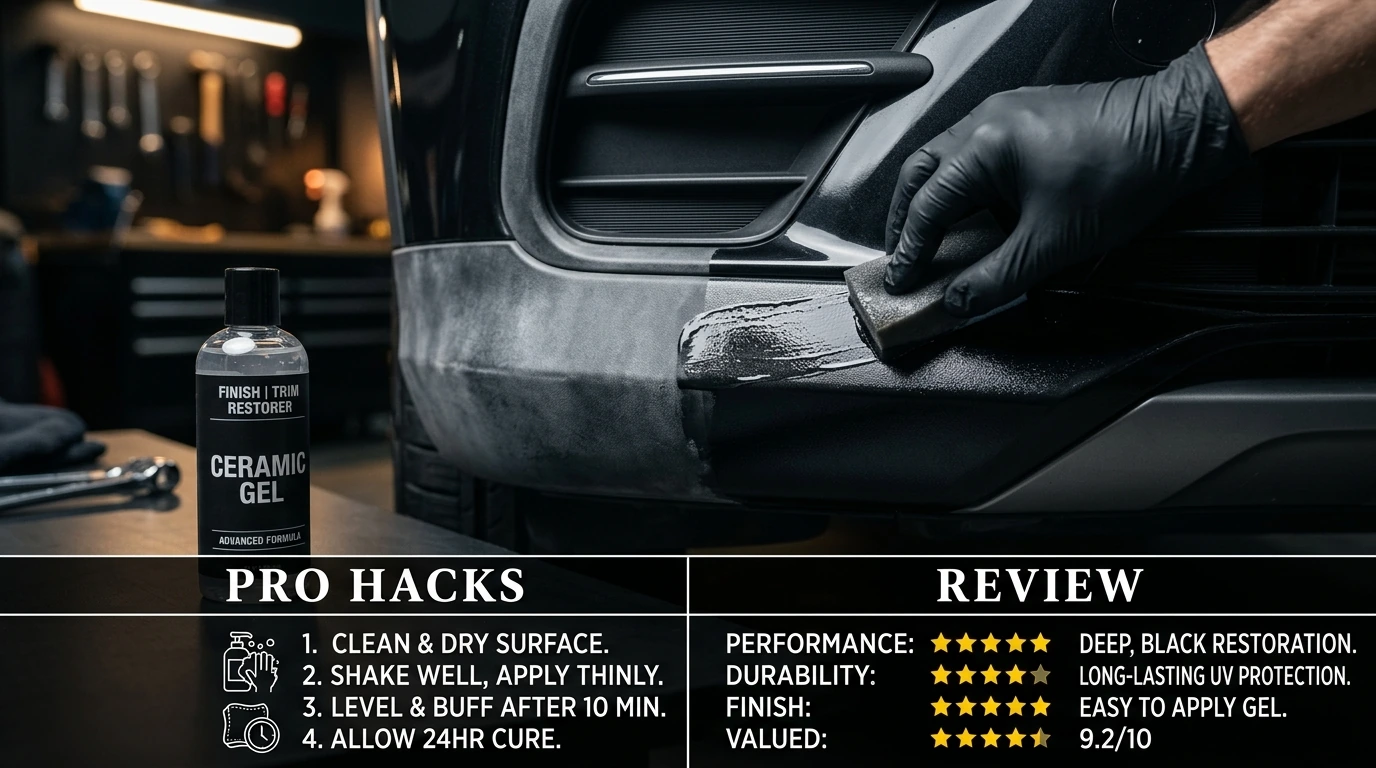
Quick Verdict
Inexpensive gel restorers offer a highly effective and accessible solution for rejuvenating faded black plastic car trims. Leveraging advanced polymer technology, these products penetrate the plastic surface to restore deep color and provide UV protection, significantly enhancing a vehicle's aesthetic without requiring costly professional services. They represent a practical, DIY-friendly approach to maintaining a vehicle's showroom appeal.
Key Takeaways
- Affordable gels effectively restore faded black plastic, offering a cost-efficient alternative to professional services.
- These products re-saturate the plastic and provide a protective barrier against UV radiation and environmental elements.
- Proper application techniques are crucial for achieving an even, streak-free finish and maximizing durability.
- Regular cleaning and reapplication extend the life of the restoration, keeping trims looking fresh for longer periods.
Why Black Trims Fade: The UV & Environmental Impact
The primary culprit behind faded black plastic trim is prolonged exposure to ultraviolet (UV) radiation from the sun. Automotive plastics, particularly those exposed to direct sunlight, contain stabilizers to resist UV degradation. However, over time, these stabilizers break down, allowing UV rays to attack the polymer chains within the plastic. This chemical breakdown leads to the surface becoming brittle, discolored, and chalky, often appearing gray or white instead of its original deep black.
Beyond UV, environmental factors like road grime, harsh detergents, and abrasive cleaning methods can accelerate the degradation process. These elements strip away the plastic's protective layers and can etch the surface, making it more susceptible to further fading. Understanding these mechanisms highlights why a restorative product needs to do more than just add a superficial shine; it must address the underlying material degradation.
How Restoration Gels Work Their Magic
Unlike simple dressings that sit on the surface, quality trim restoration gels are formulated to penetrate the porous plastic. They typically contain a blend of polymers, solvents, and UV inhibitors. The solvents help the polymers deeply embed into the plastic's microscopic pores, effectively re-saturating the material with color and restorative agents. This process not only darkens the faded plastic but also helps to condition it, restoring some of its original flexibility and preventing further cracking.
Once the solvents evaporate, the polymers bond with the plastic, creating a durable, water-resistant layer. This new layer acts as a sacrificial barrier, shielding the plastic from UV rays and environmental contaminants. The result is a deep, rich black finish that can last for several weeks to months, depending on the product's formulation and environmental exposure.
Choosing the Right Affordable Gel for Your Vehicle
The market offers a variety of inexpensive trim gels, each with slightly different formulations and characteristics. While most aim to restore color and provide protection, understanding their base chemistry can help in selecting the best product for specific needs and desired longevity. Generally, these gels fall into a few categories:
| Gel Type | Key Characteristic | Typical Durability | Best Use Case |
|---|---|---|---|
| Water-Based | Non-greasy, easy application, environmentally friendlier. | 2-4 weeks | Regular maintenance, less severe fading, quick touch-ups. |
| Silicone-Based | Deep shine, excellent water repellency, good UV protection. | 4-8 weeks | Significant fading, high gloss preference, harsh weather exposure. |
| Hybrid/Polymer-Based | Advanced bonding, longer-lasting, often with ceramic-like properties. | 2-6 months+ | Maximum durability, long-term restoration, minimal reapplication. |
When selecting a product, consider the level of fading on your trims, your desired finish (matte or glossy), and how frequently you are willing to reapply. Always review product descriptions for claims regarding UV protection and longevity, as these are key indicators of a gel's restorative capabilities.
Application Mastery: Achieving Flawless, Lasting Results
Successful trim restoration hinges on meticulous preparation and careful application. Rushing the process can lead to streaking, uneven coverage, and reduced durability. Here’s a general approach:
- Clean the Surface Thoroughly: Begin by washing the plastic trim with an all-purpose cleaner or a dedicated trim cleaner. This step removes dirt, grime, old dressings, and any oxidation that could prevent the gel from bonding properly. Rinse thoroughly and allow the trim to dry completely.
- Mask Adjacent Areas: To prevent accidental staining on paintwork or glass, use painter's tape to mask off areas directly adjacent to the plastic trim.
- Apply Sparingly and Evenly: Dispense a small amount of gel onto a foam applicator pad. Work the product into the plastic using a thin, even layer. Over-applying can lead to excess product runoff, uneven drying, and a sticky finish.
- Work in Sections: Especially on larger trim pieces, apply the gel in small, manageable sections. This allows you to work the product in thoroughly before it begins to dry.
- Buff Off Excess (If Recommended): Some gels may recommend a light buffing with a clean microfiber towel after a few minutes to remove any excess and ensure an even, non-greasy finish. Always follow the manufacturer's specific instructions.
PRO TIP:
Always apply gels to a cool, clean, and dry surface. Working in small sections prevents the product from drying prematurely and ensures an even, streak-free finish. Avoid direct sunlight during application to prevent rapid drying.
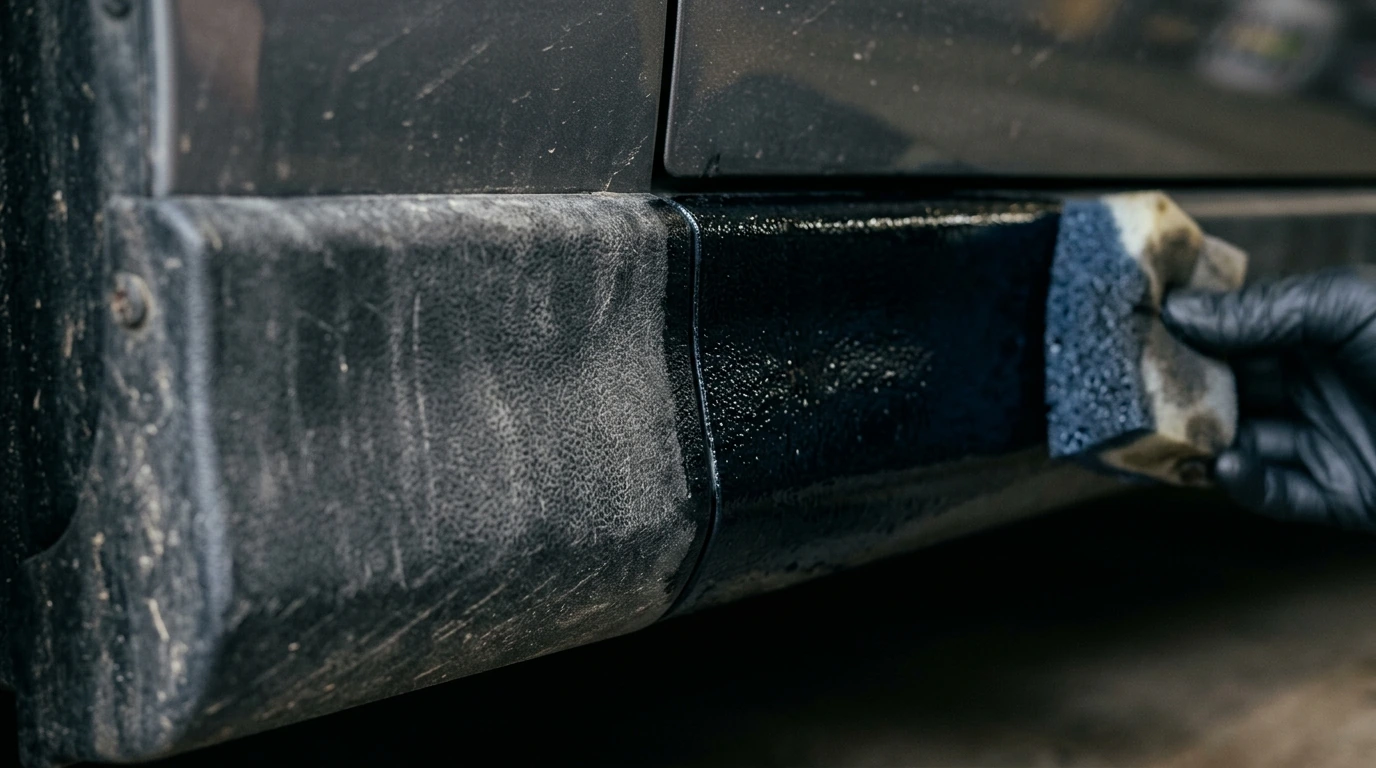
Sustaining the Sheen: Long-Term Care for Restored Trims
Even the most durable gel restorers will eventually wear down due to environmental exposure and washing. To maximize the longevity of your restored trims, integrate these practices into your regular car care routine:
- Gentle Washing: When washing your vehicle, use a pH-neutral car shampoo and a soft wash mitt on the plastic trims. Avoid harsh degreasers or abrasive brushes that can strip away the gel's protective layer.
- Regular Reapplication: Depending on the product and local climate, reapplication every 1-3 months for silicone-based or water-based gels, and every 3-6 months or more for advanced polymer gels, is generally recommended to maintain optimal appearance and protection.
- UV Protection: Parking your vehicle in a garage or under shade whenever possible significantly reduces UV exposure, extending the life of the trim restoration.
- Avoid Automatic Car Washes: The aggressive brushes and strong chemicals often used in automatic car washes can quickly degrade trim restorers, leading to premature fading.
Mastering Your Morning Ride: Essential Habits for Motorcycle Engine and Battery Longevity →
Final Thoughts: Is the Inexpensive Gel Method Right for You?
For anyone looking to dramatically improve the appearance of their vehicle's exterior without breaking the bank, the inexpensive gel method for black plastic trim restoration is an excellent choice. These products offer a straightforward, DIY-friendly approach to tackling one of the most common aesthetic issues on older vehicles. By understanding how these gels work, selecting an appropriate product, and applying it correctly, you can achieve professional-looking results that restore your vehicle's trim to a factory-fresh condition and protect it for the long haul. The value proposition is clear: significant visual improvement and long-term protection at a fraction of the cost of replacement or high-end detailing services.
Comments
Post a Comment