
Is that constant seat belt strap digging into your neck or collarbone making every drive a chore? For many drivers, especially on longer trips or in vehicles with less forgiving seat belt geometry, the friction and pressure from a bare seat belt can quickly become a significant discomfort. This isn't just an annoyance; it can lead to distracted driving or even minor skin irritation over time.
Key Takeaways
- Purpose-Built Comfort: Seat belt comfort pads are designed to cushion the shoulder strap, preventing friction and pressure points on the neck and collarbone.
- Material Matters: Look for breathable, soft materials like memory foam or neoprene that offer both comfort and durability without causing excessive heat build-up.
- Universal Fit: Most pads use simple hook-and-loop (Velcro) or snap fastenings, making them compatible with nearly all standard vehicle seat belts.
- Trade-off: While effective, some bulkier pads can occasionally interfere with automatic seat belt retraction, requiring manual adjustment.
The Verdict on Seat Belt Comfort Pads
Universal car seat belt comfort pads are simple, effective accessories aimed squarely at alleviating the common problem of strap-induced neck and shoulder discomfort. They are best suited for daily commuters, long-distance drivers, or anyone experiencing persistent irritation from their vehicle's seat belts. Drivers with sensitive skin or those who find standard seat belts too abrasive will see the most benefit.
Conversely, if you already have adjustable seat belt anchors that perfectly position the strap, or if your vehicle's belts are already sufficiently padded, you might find these pads redundant. The single biggest trade-off is that some designs, particularly thicker ones, can occasionally cause the seat belt to retract slower or require a gentle nudge to fully retract when unbuckled.
What These Pads Offer
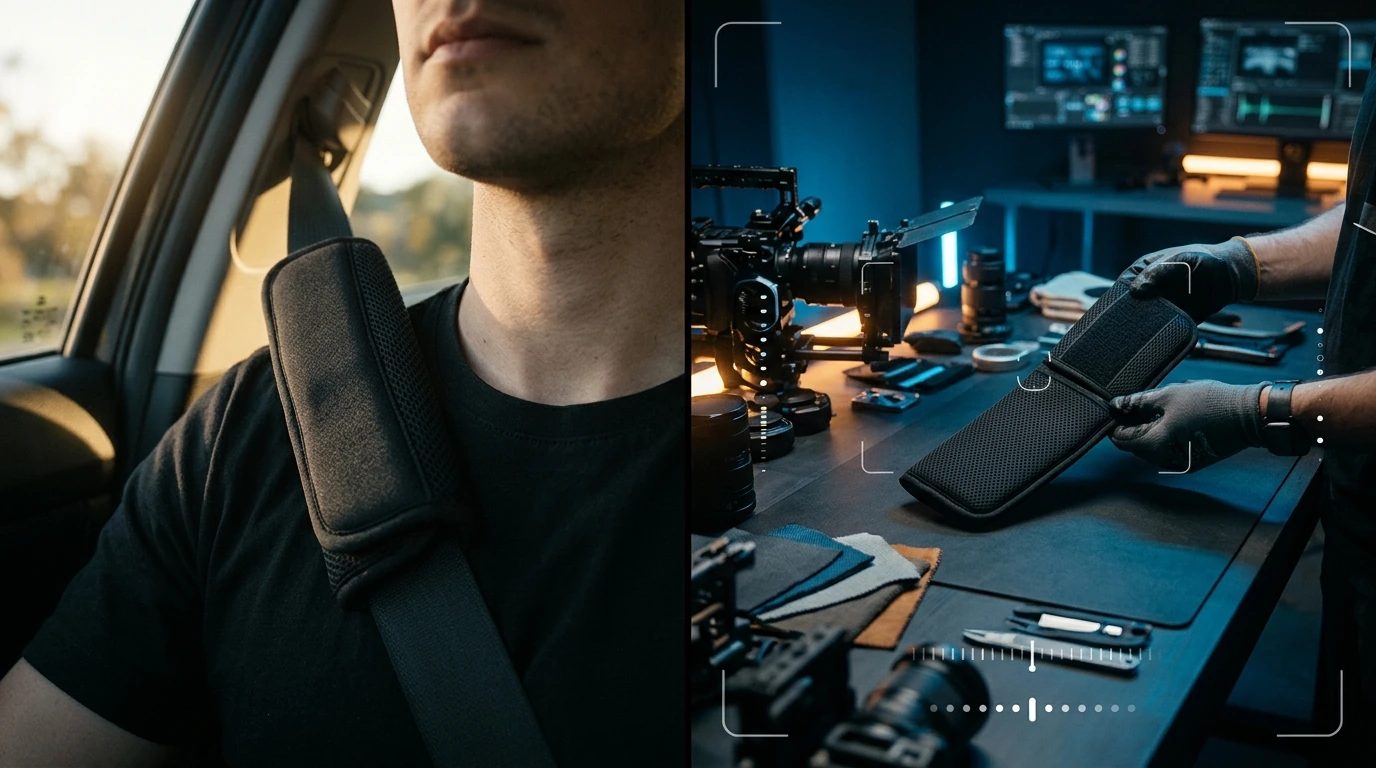
Seat belt comfort pads are essentially sleeves or wraps that attach to the shoulder portion of your car's seat belt. Their primary function is to provide a soft, padded barrier between the stiff seat belt webbing and your body. Compared to the bare seat belt, which can be rough, thin, and prone to digging in, these pads distribute pressure over a wider, softer area. While the core concept hasn't drastically changed over the years, modern iterations often feature more advanced cushioning materials and improved attachment methods for better stability and breathability compared to older, simpler fabric wraps.
Material and Design Analysis
Understanding the construction of these pads is key to choosing the right one for your needs. Here's a breakdown of common specifications:
| Spec/Composition | What It Means | Verdict | Who Feels It |
|---|---|---|---|
| Core Material: Memory Foam | Conforms to body contours, distributing pressure evenly and reducing hot spots. Offers excellent cushioning. | Plus | Drivers with sensitive skin or those prone to discomfort on long drives. |
| Outer Fabric: Breathable Mesh/Neoprene | Allows air circulation, preventing sweat build-up and keeping the contact area cooler. Neoprene offers durability and water resistance. | Plus | Drivers in warmer climates or those who tend to perspire easily. |
| Fastening: Hook-and-Loop (Velcro) Closure | Provides a secure and adjustable fit around the seat belt. Easy to install and remove. | Neutral | All users; can occasionally snag delicate clothing if not carefully aligned. |
| Length: Typically 10-12 inches | Offers sufficient coverage for the shoulder and upper chest area, accommodating various driver heights. | Plus | Taller or shorter drivers who need broader coverage for optimal comfort. |
| Internal Anti-Slip Backing | Helps keep the pad in place on the seat belt, preventing it from sliding down during use. | Plus | Anyone who finds their current pads constantly shifting out of position. |
Real-World Comfort Scenarios
These comfort pads are designed to make a tangible difference in several common driving situations:
- The Daily Commute: For drivers spending 30 minutes or more each way, the repetitive friction from a seat belt can lead to redness or irritation. A pad with a memory foam core and breathable mesh outer fabric should significantly reduce this, making the daily grind more tolerable. The consistent cushioning prevents localized pressure points from forming.
- Long Road Trips: Extended hours behind the wheel amplify any minor discomfort. A longer pad (10-12 inches) with an anti-slip backing is particularly beneficial here, as it stays in place and provides continuous, even pressure distribution. This minimizes fatigue and discomfort that could otherwise build up over hundreds of miles.
- Driving with Delicate Clothing: If you frequently wear shirts or blouses made of sensitive fabrics, the rough texture of a standard seat belt can cause pilling or wear. A pad, especially one with a smooth neoprene or soft fabric outer layer, acts as a protective barrier. While the Velcro fastening needs careful alignment, the pad itself prevents direct abrasion to clothing.

Advantages and Drawbacks
Advantages
- Superior Pressure Distribution: The memory foam core significantly reduces localized pressure, making long drives more comfortable, as noted in the 'Core Material' analysis.
- Reduced Skin Irritation: The soft, padded barrier eliminates direct strap friction, preventing redness or chafing, especially beneficial for sensitive skin, directly linked to the 'Outer Fabric' and 'Core Material'.
- Enhanced Airflow: Breathable mesh outer fabrics prevent sweat and heat build-up, maintaining comfort in warmer conditions, a clear benefit from the 'Outer Fabric' composition.
- Stable Positioning: Internal anti-slip backing ensures the pad stays where you place it, avoiding constant readjustment during driving, as highlighted in the 'Internal Anti-Slip Backing' spec.
Drawbacks
- Potential for Retraction Interference: Thicker pads can add enough bulk to slow down or partially impede the automatic retraction of the seat belt, requiring manual guidance, a consequence of the pad's 'Core Material' and 'Length'.
- Velcro Snag Risk: The hook-and-loop fastening, while secure, can occasionally snag delicate fabrics on clothing if not carefully managed during entry and exit, a minor issue with the 'Fastening' mechanism.
- Aesthetic Impact: Some users might find the added bulk or visible accessory detracts from the vehicle's interior aesthetics, a subjective point tied to the overall 'Length' and 'Core Material' thickness.
Pro Tip: Check Your Seat Belt Anchor!
Before investing in comfort pads, always check if your vehicle has an adjustable seat belt anchor on the B-pillar. Moving the anchor up or down can often perfectly align the seat belt to your body, eliminating friction without any additional accessories.
Alternatives Worth Considering
While comfort pads offer a straightforward solution, other options exist depending on your vehicle and preferences:
- Adjustable Seat Belt Anchors: Many modern cars feature a height-adjustable anchor for the shoulder belt. This allows you to position the belt perfectly for your height, often eliminating the need for an aftermarket pad. This is the first thing to check in your vehicle.
- Integrated Padded Seat Belts: Found in some luxury or performance vehicles, these seat belts come with built-in padding. If you're considering a new vehicle, this could be a factor, though it's not a retrofit option.
Value & Buying Advice
Seat belt comfort pads generally represent excellent value for money, especially considering their low cost relative to the significant comfort improvement they can provide. They are a relatively inexpensive fix for a common driving annoyance. When purchasing, prioritize pads with a known core material like memory foam for superior cushioning and an outer fabric that balances durability with breathability. Always check the current price at the official store or trusted retailers, as prices can vary by brand, material, and region.
Final Recommendation
Buy if: You regularly experience neck or collarbone friction from your seat belt, especially on commutes or long drives, and your vehicle lacks an adjustable seat belt anchor or it doesn't solve the issue. Prioritize models with memory foam and breathable outer materials.
Skip if: Your vehicle's seat belt already fits comfortably, you have an effective adjustable anchor, or you prefer a completely unadorned interior and find any added bulk distracting.
Frequently Asked Questions
- Q: Are seat belt comfort pads universal?
- A: Most comfort pads are designed to be universal, fitting standard seat belt widths. They typically use hook-and-loop (Velcro) fasteners that wrap around the existing belt.
- Q: Do comfort pads interfere with seat belt safety?
- A: When properly installed and not overly bulky, comfort pads should not interfere with the seat belt's primary safety function. Ensure the pad doesn't prevent the belt from retracting or deploying correctly in an emergency.
- Q: How do I clean seat belt comfort pads?
- A: Cleaning instructions vary by material. Many fabric and neoprene pads can be hand-washed with mild soap and air-dried. Always check the manufacturer's care label for specific instructions.
This review is compiled from official product specifications and widely reported user feedback rather than personal lab testing. Specific details regarding materials and performance can differ slightly across regional variants or due to product updates.


Comments
Post a Comment