
The Micro-EV Range Misconception
Many drivers assume that small, affordable electric vehicles like the Wuling Air EV are inherently limited to extremely short, non-commutable distances, barely capable of a quick grocery run. The reality is more nuanced: while its range isn't designed for cross-country treks, the Air EV offers a surprisingly practical envelope for its intended urban environment, provided buyers understand its specific capabilities and limitations before purchase.
Who the Wuling Air EV Suits Best
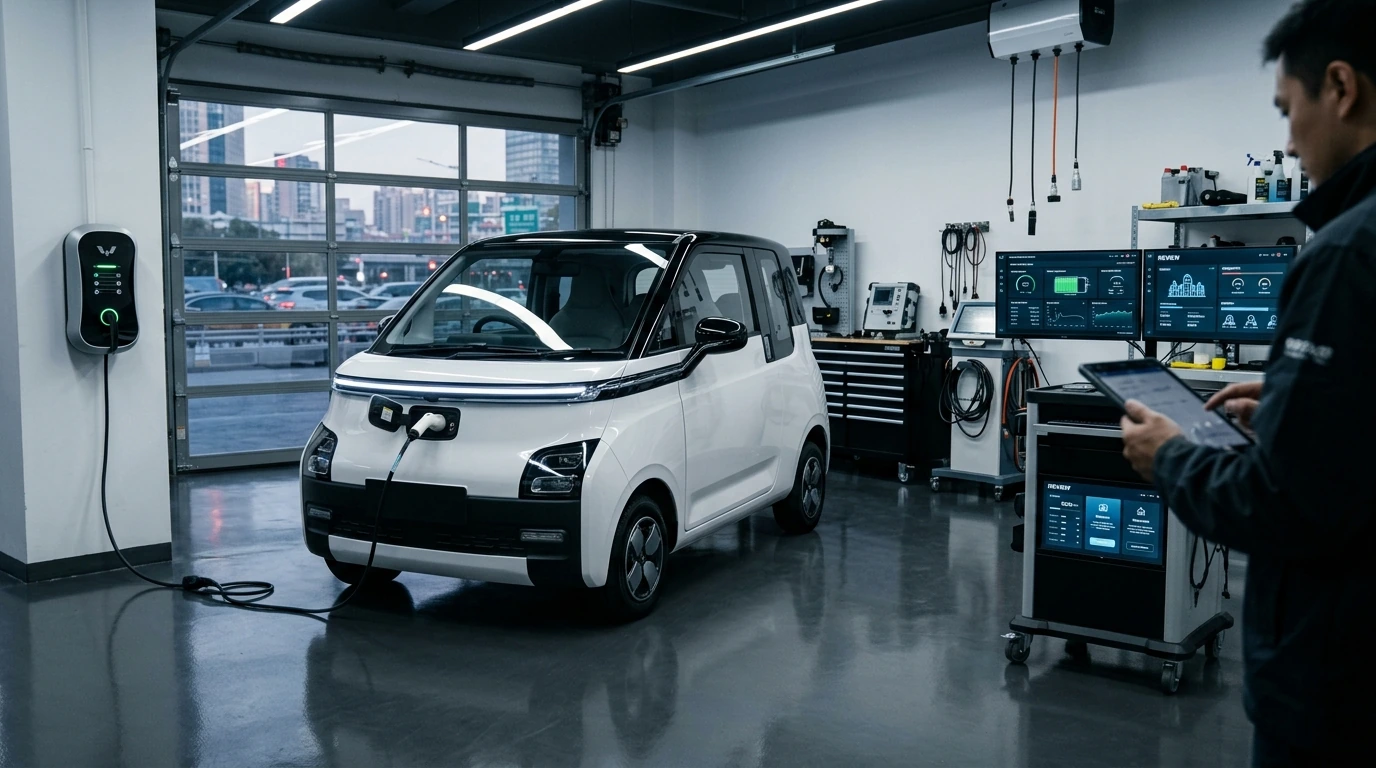
The Wuling Air EV is a compact, no-frills electric city car designed for congested urban environments and short-to-medium daily commutes. It suits city dwellers with access to charging, who prioritize maneuverability, low running costs, and ease of parking over highway performance or long-distance capability. Those regularly needing to travel beyond 100-120 km in a single stretch, carry more than two adults comfortably, or frequently drive at high speeds should probably skip it. The single biggest trade-off is its limited highway cruising ability and range anxiety on longer trips, directly stemming from its smaller battery and motor.
Positioning the Air EV in the Urban Landscape
The Wuling Air EV sits at the entry-level of the electric vehicle market in many regions, often positioned as an accessible step into EV ownership. Unlike larger, more expensive EVs that aim for all-around performance, the Air EV is purpose-built for urban conditions. Its key differentiator from many traditional gasoline-powered city cars and even other budget EVs is its ultra-compact dimensions and rear-wheel drive layout, which grant it exceptional agility in tight spaces. Compared to some direct competitors, the latest models often feature incremental software refinements for battery management and slightly improved interior ergonomics, but the core mechanical package remains focused on simplicity and efficiency for its size.
Decisive Specifications for City Driving
| Spec/Composition | What It Means | Verdict (Plus / Minus / Neutral) | Who Feels It |
|---|---|---|---|
| Battery Capacity: 26.7 kWh (Long Range variant) | This capacity provides an official CLTC range of approximately 300 km. In real-world urban driving with stop-and-go traffic, regenerative braking can extend this, but highway speeds or heavy use of climate control will reduce it significantly. | Neutral | Daily commuters, errand runners, those with predictable routes. |
| Motor Power: 30 kW (40 hp) | A 40 horsepower motor offers adequate acceleration for city speeds (0-50 km/h) but will feel underpowered on open roads or when attempting quick overtakes on highways. Top speed is typically limited to around 100 km/h. | Minus | Drivers who occasionally use highways, those needing brisk acceleration. |
| AC Charging Time (2.2 kW): Approx. 8.5 hours (Long Range) | Charging from a standard household outlet (2.2 kW) takes a full overnight cycle. While convenient for home charging, it makes quick top-ups at public AC stations less practical during a busy day. | Minus | Users without dedicated home charging, those relying solely on public AC chargers for daily use. |
| Dimensions: 2,974 L x 1,505 W x 1,631 H (mm) | These ultra-compact dimensions make the Air EV incredibly easy to maneuver in congested city streets and to park in tight spaces where larger vehicles would struggle. It's shorter than many motorcycles. | Plus | Urban drivers, those in areas with limited parking, new drivers. |
| Turning Radius: Approximately 4.3 meters | A very tight turning radius allows for effortless U-turns on narrow streets and easy navigation in multi-story car parks. This contributes significantly to its urban agility. | Plus | Anyone driving in dense urban environments, parallel parkers. |
Air EV in Action: Real-World Scenarios
Considering its design and specifications, the Wuling Air EV performs predictably across various urban tasks.
- The Daily City Commute (20-30 km round trip): For a typical urban commute involving stop-and-go traffic and speeds generally below 60 km/h, the Air EV excels. Its compact size makes weaving through traffic and navigating narrow lanes simple. The 26.7 kWh battery provides ample buffer for this distance, often allowing several days of commuting before needing a recharge, especially with the benefit of regenerative braking in city driving.
- Running Errands with Multiple Stops: This is another strong suit. The tight turning radius and small footprint mean parking in crowded shopping centers or street-side spots is significantly less stressful than with a larger car. The range is more than sufficient for a full day of errands across different parts of the city, though cargo space is limited to a few bags.
- Occasional Suburban Trip (50-70 km one way): While possible, this scenario highlights the Air EV's limitations. Sustained speeds above 80 km/h on suburban arterial roads or highways will deplete the battery much faster than in the city. A 70 km one-way trip might consume over half the battery, especially if climate control is active, making the return journey or subsequent errands a concern without a mid-trip charge. Its 30 kW motor also means highway merging can feel leisurely.
Advantages of the Wuling Air EV
Key Strengths
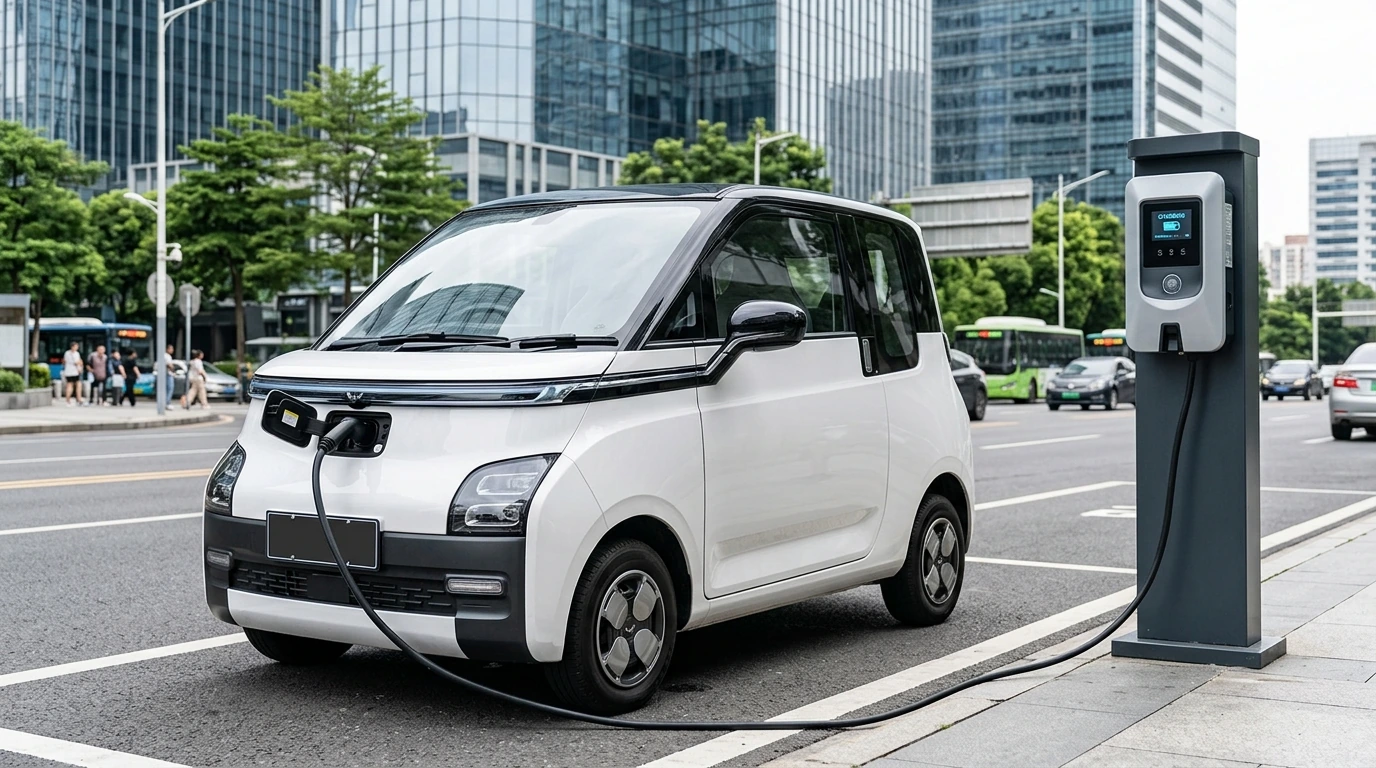
- Exceptional Urban Maneuverability: The ultra-compact dimensions (2,974 mm length) and tight turning radius (approx. 4.3 meters) make it incredibly agile in congested city traffic and effortless to park, a significant advantage for daily city driving.
- Low Running Costs: As an electric vehicle, its running costs for electricity are generally much lower than gasoline cars, and its simple mechanicals typically mean lower maintenance expenses, appealing to budget-conscious commuters.
- Sufficient City Range: With a 26.7 kWh battery providing a real-world city range often exceeding 200 km, it comfortably handles most daily commutes and errand runs without range anxiety for its intended purpose.
Considerations & Drawbacks
- Limited Highway Performance: The 30 kW motor and typical top speed of 100 km/h mean the Air EV struggles with sustained highway cruising, making it less suitable for frequent inter-city travel or fast-paced roads.
- Slow AC Charging: An 8.5-hour AC charging time means it largely relies on overnight home charging. Public AC charging for quick top-ups during the day is impractical, potentially limiting flexibility for those without dedicated home access.
- Minimal Cargo and Passenger Space: While adequate for two adults, its compact size naturally limits rear passenger comfort and cargo capacity, making it less ideal for families or those needing to transport bulky items.
PRO TIP: Always factor in a buffer for real-world EV range. Official CLTC or NEDC figures are achieved under ideal conditions. For the Wuling Air EV, expect actual usable range to be 70-80% of the stated figure, especially if you use air conditioning or drive at higher speeds.
Alternatives Worth Considering for Urban EV Buyers
For buyers seeking an urban EV, the market does offer a few other compelling options:
- BYD Seagull: This model generally offers a slightly larger footprint, a more powerful motor, and a longer official range, making it a better pick if you need a bit more highway capability or marginally more interior space, though it typically comes at a higher price point.
- Chery QQ Ice Cream / Changan Lumin: These are direct micro-EV competitors in several markets, often offering similar compact dimensions and range figures. They would be a better choice if local availability, specific feature sets, or a slightly different aesthetic appeal more to your needs, so check their local specifications closely.
Value Proposition and Purchase Guidance
The Wuling Air EV typically offers strong value within its specific niche: an affordable, compact electric vehicle for urbanites. Its low purchase price (which you should verify at official stores or trusted retailers, as prices vary by region and over time) combined with minimal running costs makes it a financially attractive option for those replacing a second gasoline car or switching from public transport. However, its value diminishes if your driving patterns frequently involve high-speed roads or long distances, where its limitations become apparent. Consider your daily commute, access to charging, and typical passenger/cargo needs before committing.
Final Recommendation: Buy If / Skip If
Buy the Wuling Air EV if: You live in a dense urban area, your daily commute is under 100 km, you have reliable access to overnight home charging, and you prioritize maneuverability, low running costs, and ease of parking above all else.
Skip the Wuling Air EV if: You frequently drive on highways, your daily routes exceed 120 km consistently, you often carry more than one passenger, or you lack consistent access to slow AC charging.
This review is compiled from official manufacturer specifications and widely reported user feedback rather than personal lab testing. Specific details, features, and range figures can vary by regional market or vehicle variant.


Comments
Post a Comment