
Tackling Deep-Seated Trunk Odors
Unlike a fleeting spill that wipes away, the pervasive stench of stale gym gear, sweat, and forgotten protein shakes burrowed deep into carpeted car trunks presents a unique challenge. These aren’t simple surface smells; they’re often the result of microscopic organic residues that become breeding grounds for odor-causing bacteria, requiring more than just a quick spray to eliminate.
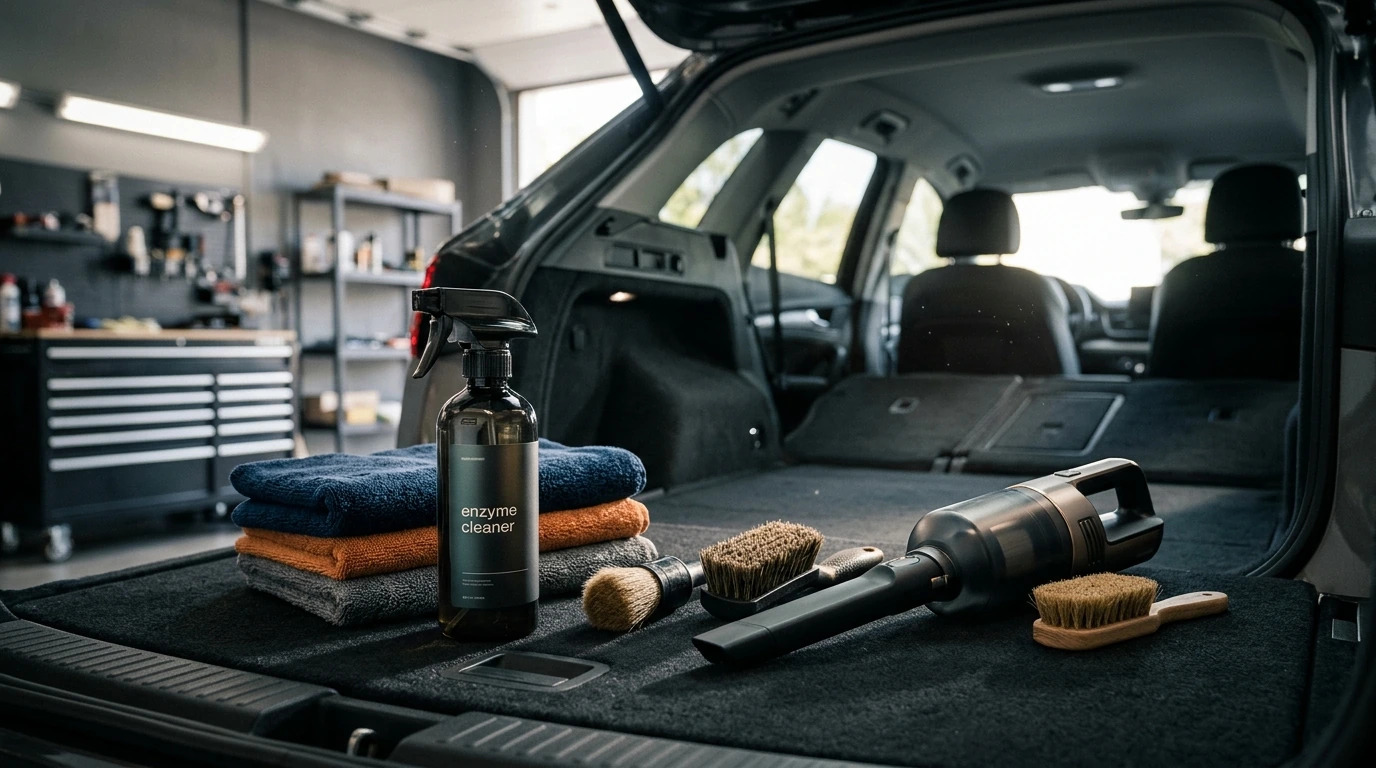
Key Takeaways for Odor-Free Trunks
- Target the Source: Effective odor removal relies on eliminating organic residues, not just masking smells.
- Enzyme Cleaners are Crucial: These break down odor-causing organic matter at a molecular level.
- Thorough Cleaning is Non-Negotiable: Vacuuming, scrubbing, and proper drying are essential steps.
- Ventilation is Your Ally: Good airflow prevents moisture buildup and helps dissipate lingering fumes.
The Systematic Approach to a Fresh Trunk
For anyone battling persistent, deep-seated odors from gym bags or sporting equipment in their car’s carpeted trunk, a multi-step, targeted cleaning approach is the most effective solution. This method is ideal for car owners who prioritize long-term freshness and are willing to invest time in a thorough process, rather than relying on temporary air fresheners. Those seeking an instant, zero-effort fix might find this too involved, but the trade-off is a genuinely odor-free vehicle versus a masked smell.
This isn’t about spraying a generic air freshener; it’s a systematic attack on the root causes of embedded odors. It goes beyond surface cleaning by targeting the microscopic organic residues that feed odor-causing bacteria, a significant departure from quick-fix sprays that merely cover up smells. The key difference lies in neutralizing and removing the odor source, rather than just masking it.
Essential Components for Odor Annihilation
Achieving a truly fresh car trunk requires understanding the role of each cleaning element. Here’s how key components contribute to lasting odor elimination:
| Method Component | What It Means | Verdict (Plus / Minus / Neutral) |
|---|---|---|
| Enzyme Cleaners | These specialized biological compounds break down organic matter like sweat, food spills, and pet dander at a molecular level, effectively neutralizing the source of odors. | Plus: Essential for organic odors. (Who Feels It: Anyone with persistent organic smells.) |
| Thorough Vacuuming & Brushing | Physical removal of loose dirt, debris, and surface-level particles that can harbor bacteria and contribute to smell. Brushing helps agitate carpet fibers to release trapped grime. | Plus: Foundational step for any deep clean. (Who Feels It: All car owners, as a first step.) |
| Activated Charcoal Absorbers | Highly porous carbon material that adsorbs odor molecules from the air, trapping them within its structure rather than just masking them. | Plus: Excellent for passive, ongoing odor control. (Who Feels It: Those seeking a chemical-free, long-term maintenance solution.) |
| Ample Ventilation & Drying | Allowing fresh air to circulate helps dissipate volatile organic compounds (VOCs) and ensures moisture from cleaning doesn't lead to mildew or mold, which create new odors. | Plus: Prevents secondary odor issues and aids effectiveness. (Who Feels It: Everyone, crucial for post-cleaning success.) |
| Steam Cleaning (if available) | Uses hot vapor to penetrate carpet fibers, breaking down grime and sanitizing the surface without excessive moisture. | Plus: Deep cleaning and sanitization without chemicals. (Who Feels It: Those with access to a steam cleaner or professional services.) |
Real-World Scenarios for Trunk De-Odorizing
Applying this multi-faceted approach yields consistent results across various situations where trunk odors develop:
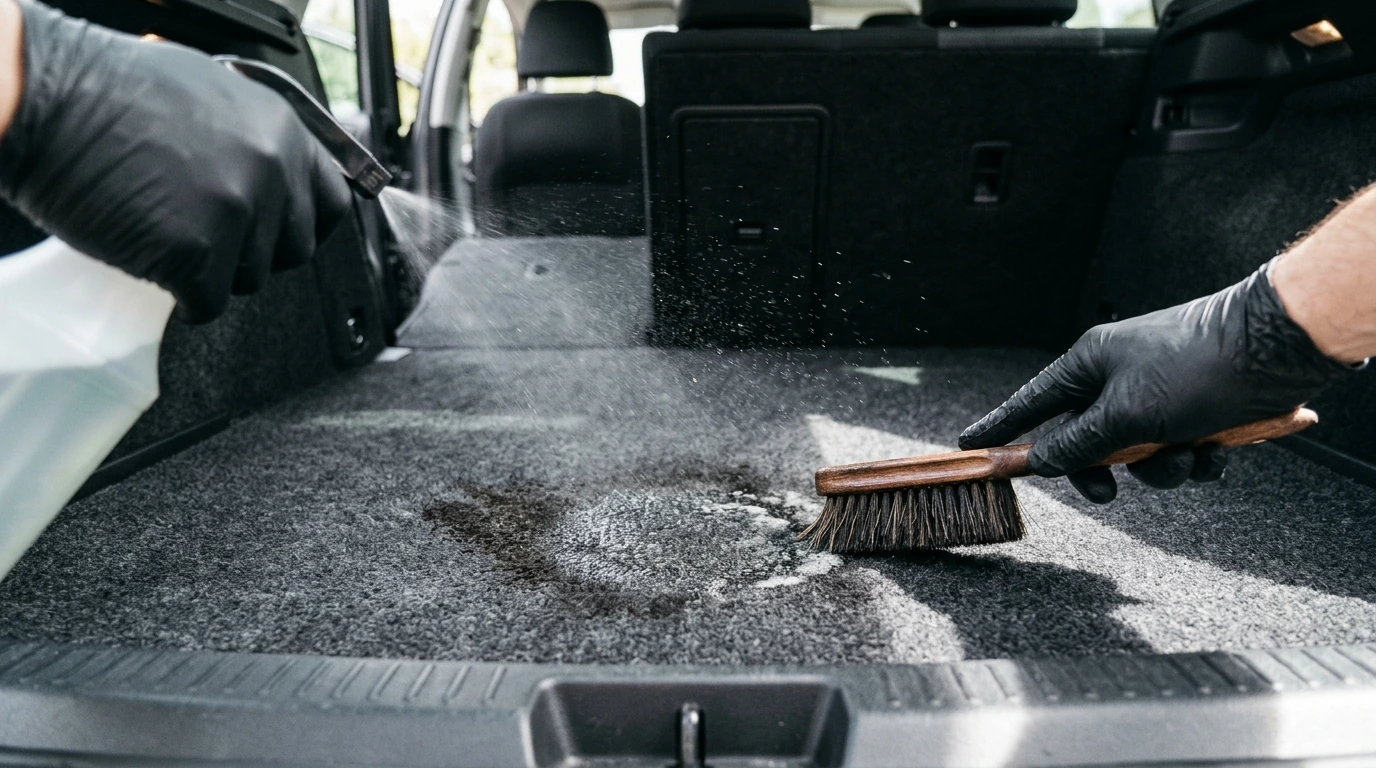
- The "Forgotten Gym Bag" Aftermath: A gym bag left for days, especially in warm weather, often saturates carpet fibers with sweat and bacterial residue. A thorough vacuuming followed by liberal application of an enzyme cleaner, allowing it to dwell, then gently scrubbing and extracting with a wet/dry vacuum, will directly address the organic breakdown. The ventilation step is critical here to prevent mildew.
- Pet Accidents or Spills: When pet urine or a spilled beverage soaks into the trunk carpet, the organic compounds require immediate and deep treatment. An enzyme cleaner is paramount to break down the proteins and uric acid. The physical brushing and extraction ensure these contaminants are lifted out, rather than simply evaporating and leaving behind crystals that reactivate with humidity.
- General Musty or Stale Air: Over time, everyday use can lead to a general musty smell, often exacerbated by humidity. While not as intense as a specific spill, this still benefits from the deep cleaning process. After the initial enzyme treatment and cleaning, placing activated charcoal bags in the trunk for a few days can passively absorb lingering airborne molecules, maintaining a fresh scent without introducing artificial fragrances.
Why This Method Works and Its Limitations
Advantages of a Deep Clean
- Permanent Odor Elimination: Enzyme cleaners directly break down organic odor sources, ensuring the smell is gone for good rather than temporarily masked.
- Improved Air Quality: By removing bacteria-laden particles through thorough vacuuming and brushing, the overall air quality within the trunk and cabin improves significantly.
- Prevents Recurrence: Combining deep cleaning with activated charcoal and good ventilation actively works to prevent new odors from forming or old ones from returning.
Drawbacks to Consider
- Time and Effort Intensive: The multi-step process, involving cleaning, dwelling, and drying, demands a significant time investment compared to quick sprays.
- Requires Specific Tools: Effective deep cleaning often necessitates enzyme cleaners, brushes, and potentially a wet/dry vacuum, which may not be readily available to all users.
- Drying Time is Critical: Improper or insufficient drying after cleaning can lead to new mildew or mold odors, negating the cleaning effort and requiring further treatment.
Considering Other Odor Solutions
While a DIY deep clean is highly effective, some situations or preferences might lead you to explore alternatives:
- Professional Detailing Services: For severe or deeply embedded odors, a professional detailer often has access to industrial-grade extractors and ozone generators. Ozone treatment, in particular, can be highly effective at neutralizing odors in the entire vehicle, but requires specialized equipment and safety precautions due to ozone’s properties.
- Odor Encapsulants: These products chemically trap odor molecules, preventing them from being detected by the nose. They offer a quicker, though often temporary, solution for less severe odors. They don’t eliminate the source like enzyme cleaners but can provide immediate relief.
- Baking Soda: A common household remedy, baking soda can absorb some odors. While less potent than activated charcoal or enzyme cleaners, a generous sprinkle left overnight can help with mild surface smells, particularly if combined with thorough vacuuming afterwards.
Investment in a Truly Fresh Interior
The value of investing time and appropriate products into a thorough trunk odor elimination process is significant, especially when compared to the ongoing frustration of a perpetually smelly car. While the initial outlay for quality enzyme cleaners and tools might seem higher than a cheap air freshener, the long-term benefit of a genuinely fresh, odor-free vehicle interior far outweighs the cost of temporary masking solutions. Always check current prices at official automotive stores or trusted retailers for the best deals on recommended cleaning agents.
Your Path to an Odor-Free Car Trunk
Buy if: You are consistently bothered by persistent, deep-seated organic odors in your car’s carpeted trunk and are prepared to dedicate the necessary time and effort for a lasting solution. This method is for those who want to eliminate the problem at its source.
Skip if: You only experience very mild, infrequent odors that can be managed with simple ventilation, or if you prefer an instant, no-effort solution that prioritizes speed over thoroughness.
Frequently Asked Questions About Car Odor Removal
- Q: How long does the enzyme cleaner need to sit on the carpet?
- A: Most enzyme cleaners recommend a dwell time of 15-30 minutes to allow the enzymes to effectively break down organic matter. Always follow the specific instructions on the product label.
- Q: Can I use household carpet cleaner instead of an enzyme cleaner?
- A: While household carpet cleaners can address general stains, they often lack the specific enzymes needed to effectively neutralize the biological compounds responsible for persistent organic odors like those from sweat or spills. An enzyme cleaner is generally more effective for odor elimination.
- Q: Is it safe to use a wet/dry vacuum on car carpet?
- A: Yes, a wet/dry vacuum is safe and highly recommended for extracting cleaning solutions and moisture from car carpets. Ensure you thoroughly extract as much liquid as possible to prevent mildew and allow for complete drying.
- Q: How often should I deep clean my car trunk?
- A: The frequency depends on usage. If you regularly transport gym gear, pets, or groceries, a deep clean every 3-6 months might be beneficial. For lighter use, an annual deep clean combined with regular vacuuming and ventilation should suffice.
This review is compiled from official specifications and widely reported user feedback rather than a personal lab test, and details can differ by region or variant.


Comments
Post a Comment