
Maintaining a clean car interior significantly enhances both its aesthetic appeal and the longevity of its materials. While specialized automotive cleaning products offer tailored solutions, many common household items can effectively tackle dirt and stains on both leather and fabric car seats, provided they are used correctly and cautiously.
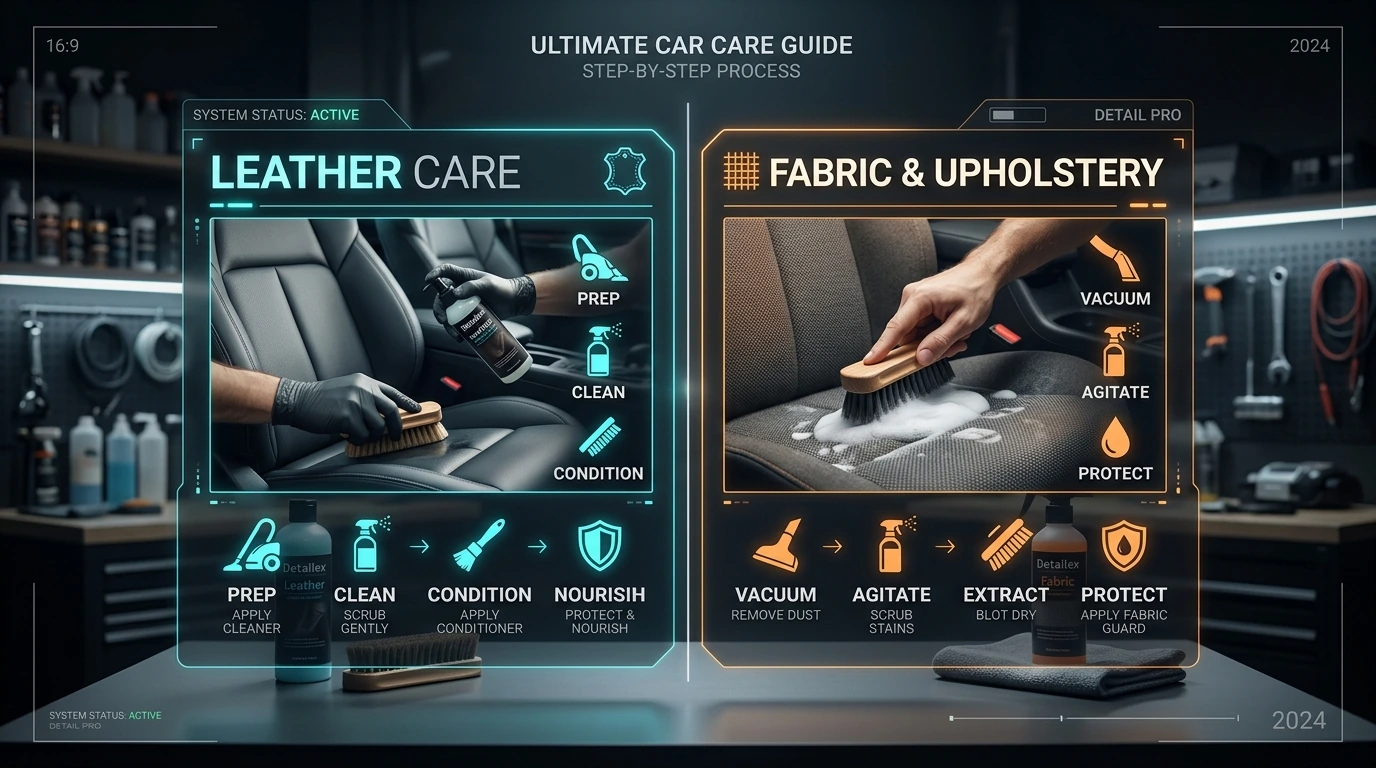
Understanding Your Seat Materials: Leather vs. Fabric
The first step in any effective cleaning regimen is identifying your car's upholstery material. Leather and fabric seats require fundamentally different approaches due to their distinct properties and vulnerabilities.
- Fabric Upholstery: Typically made from synthetic fibers like polyester, nylon, or natural fibers. These materials are generally more porous and prone to absorbing liquids, which can lead to deep-set stains and odors. They can withstand a bit more scrubbing but require thorough drying to prevent mildew.
- Leather Upholstery: Genuine leather is a natural material, often treated and coated for durability. It's less absorbent but can be sensitive to harsh chemicals, excessive moisture, and abrasive scrubbing, which can strip its protective coating, lead to cracking, or discoloration. Faux leather (vinyl or polyurethane) is more resilient but still benefits from gentle care.
Understanding these differences is crucial for selecting the right household cleaner and application technique to avoid damage.
Essential Household Cleaners & Tools
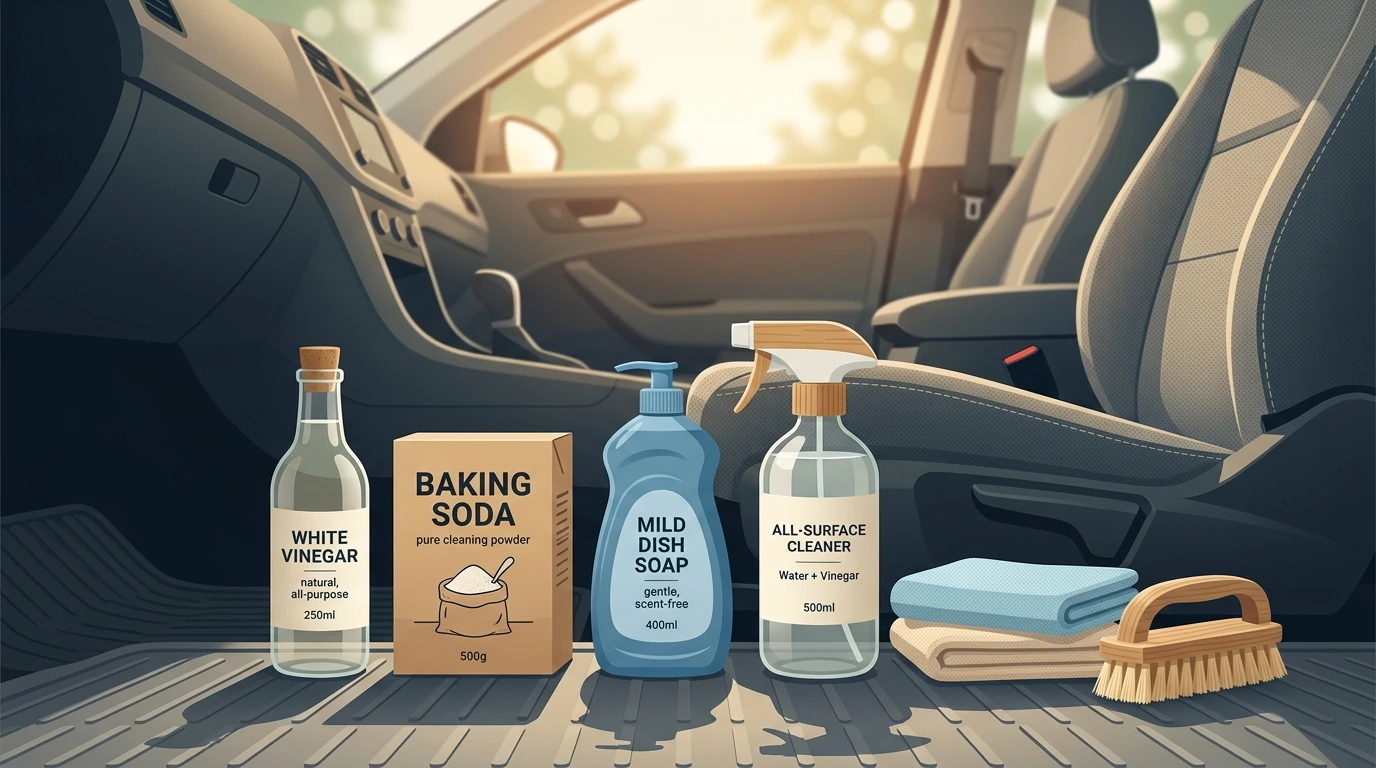
Before beginning, gather your supplies. The following gentle household items are widely recognized for their effectiveness and safety when used appropriately on car seats:
- White Vinegar: A mild acid effective at neutralizing odors and breaking down stains, especially on fabric. Dilution is key.
- Baking Soda: An excellent deodorizer and mild abrasive for absorbing oils and lifting surface dirt from fabric.
- Mild Dish Soap: (e.g., Dawn, Palmolive) A small amount diluted in water creates a gentle cleaner for both surfaces, effective at cutting grease and grime without harsh chemicals.
- Rubbing Alcohol: Can be effective for specific ink stains on fabric, but must be used sparingly and spot-tested. Not recommended for leather.
- Spray Bottles: For diluting cleaners and applying them evenly.
- Microfiber Cloths: Essential for gentle scrubbing, wiping, and drying without leaving lint or scratching surfaces. Have several on hand.
- Soft-Bristle Brush: For fabric seats, to work cleaners into the fibers and loosen dirt.
- Vacuum Cleaner with Upholstery Attachment: For initial debris removal and post-cleaning drying.
- Bucket of Clean Water: For rinsing cloths and diluting solutions.
Step-by-Step for Fabric Seats
Cleaning fabric upholstery with household solutions can refresh your car's interior:
- Vacuum Thoroughly: Use an upholstery attachment to remove all loose dirt, crumbs, and debris. This prevents grinding dirt deeper into the fabric during cleaning.
- Spot Test: Always test your chosen cleaning solution on an inconspicuous area first (e.g., under the seat or a hidden seam) to ensure no discoloration or damage occurs.
- Prepare Cleaning Solution:
- For general cleaning: Mix 1/4 cup mild dish soap with 1 cup warm water in a spray bottle.
- For odors/mildew: Mix equal parts white vinegar and water in a spray bottle.
- For stubborn stains: Create a paste with baking soda and a small amount of water.
- Apply and Agitate: Lightly mist the stained or dirty area with the chosen solution (do not saturate). Use a soft-bristle brush or a clean microfiber cloth to gently work the solution into the fabric in small circular motions. For baking soda paste, apply directly to the stain, let it sit for 30 minutes, then gently scrub.
- Blot and Rinse: Use a clean, damp microfiber cloth to blot the area, lifting the dirt and cleaner. Rinse the cloth frequently in clean water and wring it out before blotting again. The goal is to remove as much cleaning residue as possible.
- Dry: Allow the seats to air dry completely. Open windows or use a fan to accelerate drying and prevent mildew. Avoid sitting on damp seats.
PRO TIP: Avoid Saturation
When cleaning fabric seats, it's critical to avoid oversaturating the material. Excess moisture can seep into the foam padding underneath, leading to unpleasant odors, mildew growth, and even damage to the seat's internal structure. Always use a lightly damp cloth or a fine mist from a spray bottle, and ensure thorough drying.
Step-by-Step for Leather Seats
Leather requires a more delicate touch to preserve its integrity and appearance:
- Vacuum Gently: Use a soft brush attachment to vacuum loose debris without scratching the leather surface.
- Spot Test: As with fabric, test any cleaning solution on an inconspicuous area first.
- Prepare Cleaning Solution: Mix a few drops of mild dish soap (pH-neutral) with about 2 cups of distilled water in a spray bottle. Shake gently to mix.
- Wipe Down: Lightly mist a clean microfiber cloth with the solution. Do NOT spray directly onto the leather. Gently wipe down the leather in small sections, focusing on dirty areas. Avoid aggressive scrubbing.
- Rinse/Buff: Use a separate clean, damp microfiber cloth (dampened with plain distilled water) to wipe away any soap residue. Immediately follow with a dry microfiber cloth to buff the leather gently and ensure it's dry.
- Condition (Optional but Recommended): After cleaning and drying, apply a dedicated leather conditioner. While not a household item, it's vital for restoring moisture and protecting the leather, especially after cleaning.
Advantages & Limitations of DIY Solutions
Using gentle household cleaners for car seat maintenance offers several benefits but also comes with considerations:
Advantages:
- Cost-Effective: Many household cleaners are readily available and significantly cheaper than specialized automotive products.
- Accessibility: You likely already have these items at home, making immediate cleaning possible.
- Gentle Formulations: When properly diluted, solutions like mild dish soap or vinegar are less harsh than some industrial cleaners, reducing the risk of chemical damage.
Limitations:
- Less Potent for Heavy Stains: Extremely stubborn stains (e.g., old oil, ink on leather) might require more specialized, targeted products.
- Lack of Specific Additives: Household cleaners don't contain UV protectants, conditioners (for leather), or specific odor encapsulators found in automotive products.
- Risk of Misapplication: Improper dilution, oversaturation, or using the wrong cleaner for the material can lead to damage.
Final Considerations & When to Seek Professional Help
After cleaning, ensure your car's interior is thoroughly dry to prevent mildew and lingering odors. For fabric seats, a final pass with a wet/dry vac can help extract residual moisture. For leather, immediate drying and conditioning are paramount.
While DIY methods are excellent for routine maintenance and light stains, there are instances where professional intervention is warranted:
- Severe Stains: Deep-set, old, or highly pigmented stains that resist gentle household treatments.
- Mold or Mildew Infestations: Extensive growth requires specialized remediation to ensure complete removal and prevent recurrence.
- Damage to Upholstery: If your seats have tears, rips, or significant wear, cleaning alone won't suffice, and professional repair or re-upholstering might be necessary.
- Persistent Odors: If odors persist after thorough cleaning, professional ozone treatments or specialized deodorizers may be needed to eliminate the source.
By understanding your materials and applying these gentle household cleaning techniques diligently, you can keep your car's interior looking fresh and well-maintained for years to come.


Comments
Post a Comment