
Many drivers assume that any aftermarket film applied to a mirror will automatically solve the problem of blinding high beams. The reality, however, is far more nuanced, with effectiveness varying significantly based on the film's design and composition.
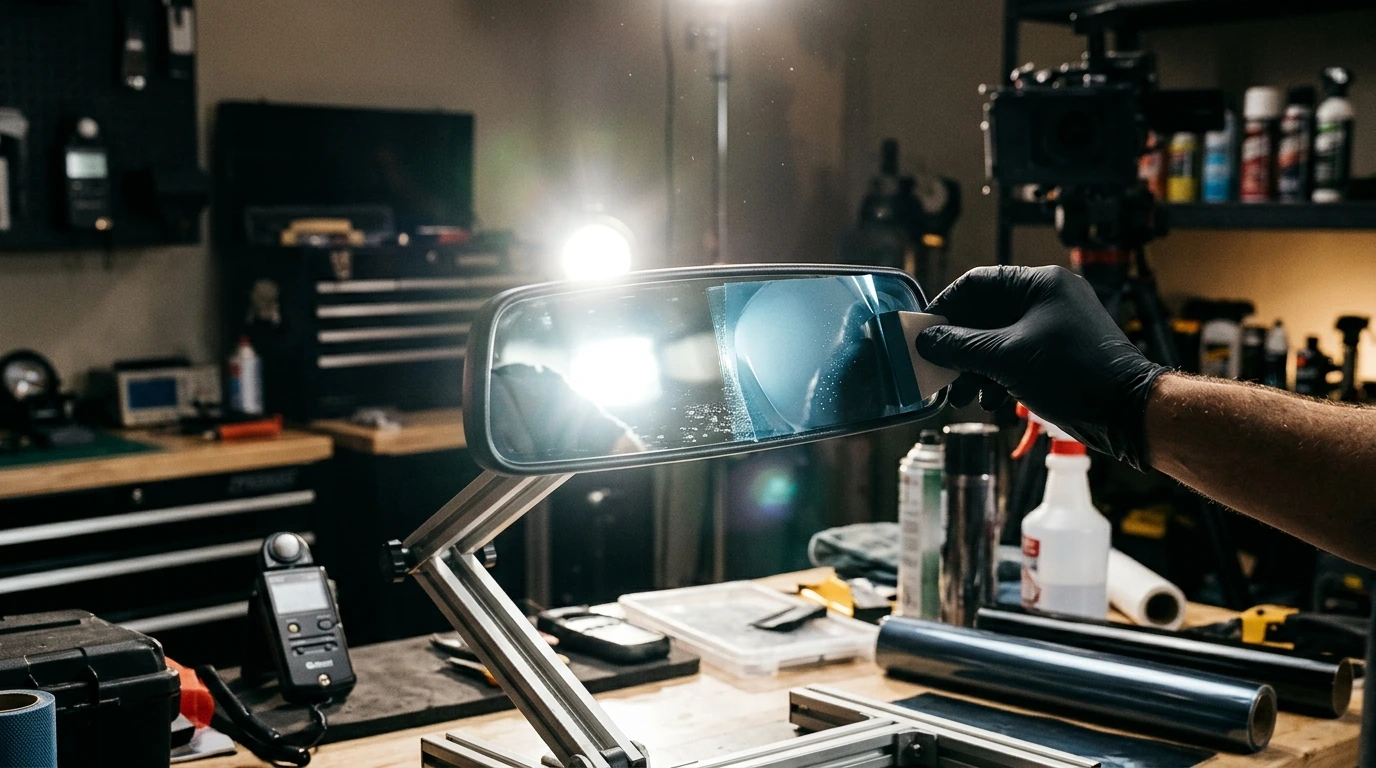
The Verdict on Anti-Glare Mirror Films
Anti-glare rearview mirror films are designed to mitigate the harsh glare from following vehicles' headlights, particularly high beams, by diffusing or absorbing a portion of the incoming light. These films are best suited for drivers who frequently experience night driving on poorly lit roads or highways and find standard mirrors cause significant eye strain from glare. They are also a practical choice for those whose vehicles lack integrated auto-dimming mirrors.
Drivers who primarily drive during the day, or those whose vehicles already feature effective auto-dimming mirrors, will likely find these films an unnecessary addition. The single biggest trade-off is often a slight reduction in overall mirror clarity or brightness during daytime conditions, which can subtly alter the perception of objects behind the vehicle.
What These Films Offer
Anti-glare mirror films are typically thin, multi-layered adhesive or static-cling sheets applied directly to your existing rearview mirror. Unlike factory auto-dimming mirrors that electronically adjust reflectivity, these films rely on optical properties to reduce glare. They often feature micro-perforations, specialized coatings, or a polarizing layer to scatter or absorb intense light, aiming to make bright spots less concentrated and easier on the eyes. Compared to simply tilting your mirror down, which sacrifices rear visibility, these films aim to preserve your field of view while reducing discomfort.
Technical Specifications and Practical Impact
Understanding the key characteristics of anti-glare films helps in discerning their real-world performance. Exact specifications can vary widely between manufacturers, so always check the product details before purchase.
| Spec/Composition | What It Means | Verdict (Plus / Minus / Neutral) | Who Feels It |
|---|---|---|---|
| Light Transmittance (Typical 50-70%) | This percentage indicates how much visible light passes through the film. Lower percentages mean more glare reduction but also a darker mirror image overall. | Neutral to Plus | Drivers sensitive to bright lights; those who prioritize glare reduction over absolute clarity. |
| Multi-Layer PET Construction | Most films use multiple layers of Polyethylene terephthalate (PET) for durability, optical clarity, and to embed glare-reducing elements. | Plus | All users benefit from improved longevity and resistance to minor scratches. |
| Hydrophobic/Oleophobic Coating | These coatings repel water and oils, keeping the mirror surface clearer in wet conditions and resisting smudges. | Plus | Drivers in rainy climates or those who dislike frequent cleaning. |
| Adhesion Type (Static Cling vs. Adhesive) | Static cling films are easier to apply and remove without residue but may shift. Adhesive films offer a more permanent bond but require precise application. | Neutral | DIY installers; those who might want to remove the film later. |
| Thickness (Typical 0.1-0.2 mm) | Thinner films are often less noticeable and conform better to curved surfaces. Thicker films might offer more durability but can be harder to apply smoothly. | Plus | Anyone installing the film; those seeking a seamless look. |
Real-World Driving Scenarios
Considering how these films perform in actual driving conditions helps gauge their utility.
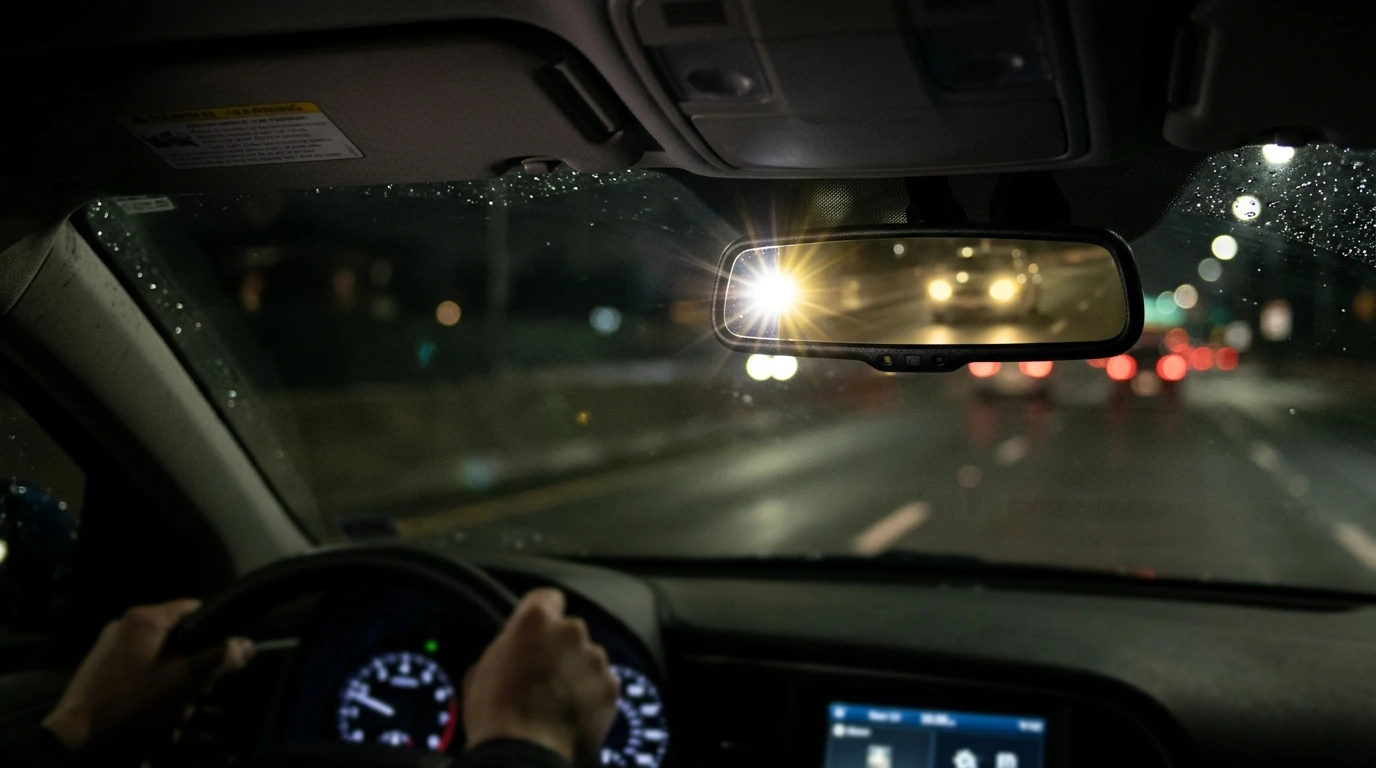
- Night Driving on a Busy Highway: When faced with a constant stream of high beams from vehicles behind, a film with a light transmittance of around 50-60% should noticeably diffuse the glare. Owners commonly report that the intense pinpoints of light become softer, broader glows, reducing the sharp contrast that causes eye fatigue. However, very bright LED headlights might still be somewhat distracting, even if softened.
- Driving in Rain or Fog: The hydrophobic coating, if present, is critical here. It should help water bead up and roll off, maintaining clearer rear visibility compared to an untreated mirror. Without this coating, water droplets can scatter light and worsen visibility, potentially negating any anti-glare benefits.
- Daytime Commuting in Mixed Conditions: During the day, especially in bright sunlight, the film's light transmittance may result in a slightly darker rearview image. This is generally a minor trade-off, but it means objects might appear marginally less distinct, which could require a moment longer to interpret, particularly for drivers with reduced visual acuity.
Advantages and Drawbacks
Based on the typical characteristics of anti-glare mirror films, here are their practical strengths and weaknesses.
Advantages
- Reduced Nighttime Glare: Films with lower light transmittance (e.g., 50-60%) effectively soften intense headlight glare, making night driving more comfortable and reducing eye strain, which directly benefits drivers who frequently encounter bright following headlights.
- Improved Wet Weather Visibility: The presence of a hydrophobic coating ensures water beads off the mirror surface, maintaining clearer rear views during rain or fog, a significant plus for drivers in adverse weather conditions.
- Enhanced Mirror Durability: Multi-layer PET construction adds a protective layer to the mirror, guarding against minor scratches and smudges, extending the life and clarity of the original mirror for all users.
Drawbacks
- Potential for Reduced Daytime Clarity: Films with lower light transmittance, while great for glare, can make the rearview image appear slightly darker during the day, which might subtly affect a driver's ability to quickly discern details.
- Application Challenges: Films that rely on adhesive rather than static cling require precise, bubble-free application. Improper installation can lead to trapped air bubbles or dust, which can distort the mirror image and frustrate DIY installers.
- Limited Effectiveness Against Extreme Glare: While effective against typical headlights, some ultra-bright aftermarket LED high beams or poorly aligned lights might still produce significant glare, as the film can only diffuse light to a certain extent, affecting drivers who frequently encounter such extreme lighting.
Alternatives Worth Considering
For drivers seeking glare reduction, several other options exist:
- Factory Auto-Dimming Mirrors: These mirrors use sensors to detect light levels and automatically darken, offering seamless glare reduction without any film application. They are the superior choice for those willing to invest in a premium solution or whose vehicle already has this feature.
- Aftermarket Clip-On Auto-Dimming Mirrors: These offer a more affordable electronic solution than full factory integration. They are a good compromise for drivers who want automatic glare reduction but prefer not to modify their existing mirror directly.
- Darker Window Tint (Rear Windshield): While not directly applied to the mirror, a darker tint on the rear windshield can reduce the overall intensity of headlights reaching the rearview mirror. This option is better for those also seeking privacy or heat reduction, but it does not specifically target mirror glare.
Value and Buying Advice
Anti-glare rearview mirror films generally offer good value for their price point, especially when compared to the cost of installing an electronic auto-dimming mirror. They provide a cost-effective way to improve night driving comfort. When considering a purchase, always prioritize films that clearly state their light transmittance percentage and mention hydrophobic properties. Check the current pricing at official stores or trusted automotive retailers, as prices can vary by brand, size, and region.
Final Recommendation
Buy if: You frequently drive at night and experience significant eye strain from bright headlights, your vehicle lacks an auto-dimming mirror, and you're looking for an affordable, straightforward solution to enhance comfort.
Skip if: You primarily drive during the day, your vehicle already has an effective auto-dimming mirror, or you prioritize absolute, unaltered mirror clarity above all else.
Frequently Asked Questions
- Can anti-glare film be applied to side mirrors?
- Yes, many anti-glare films are available in sizes suitable for side mirrors, offering similar glare reduction benefits for those crucial blind spot areas.
- How long does anti-glare mirror film typically last?
- With proper installation and care, most quality anti-glare films can last several years, though exposure to extreme weather or harsh cleaning agents can shorten their lifespan.
- Does the film affect the mirror's heating function?
- Generally, a thin anti-glare film should not significantly impede a heated mirror's defrosting function, as the heat transfer is usually sufficient to work through the film.
- Is it difficult to install anti-glare mirror film?
- Installation can be straightforward for static-cling films, but adhesive types require meticulous cleaning and precise application to avoid bubbles and ensure a smooth finish. Many kits include tools to assist with this process.
This review is compiled from general product specifications and widely reported user feedback, not from a personal lab test. Specific details and performance can differ based on the film's brand, variant, and regional availability.


Comments
Post a Comment