
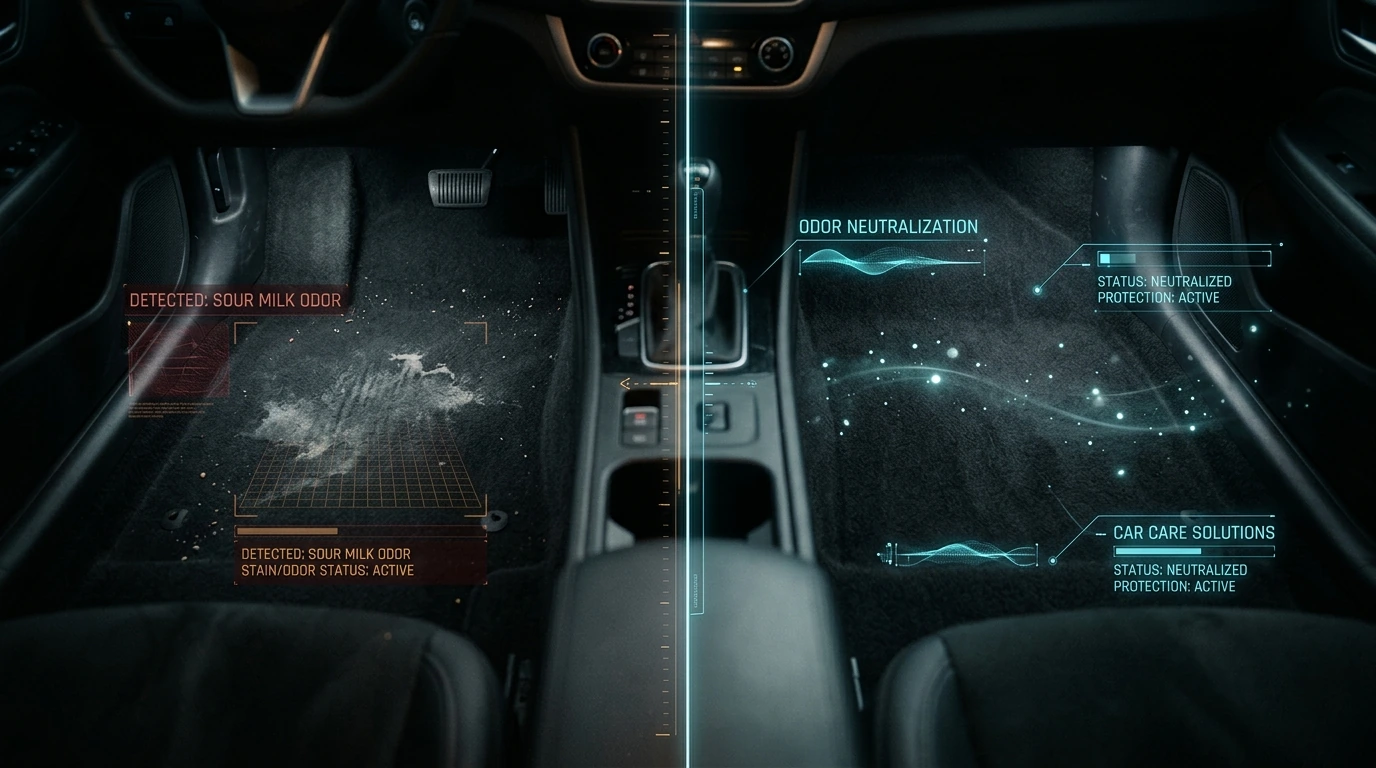
A sudden lurch, the grocery bag tips, and that gallon of milk you just bought cascades across your car's carpet. The immediate visual mess is one thing, but the insidious, lasting sour odor that develops is a far more persistent problem, especially as the milk proteins begin to decompose and lactic acid takes hold.
Key Takeaways
- Act quickly to absorb fresh spills to prevent deep saturation and odor setting.
- A multi-stage approach using baking soda, vinegar, and enzymatic cleaners is most effective for complete odor eradication.
- Thorough drying, potentially with a wet vac, is critical to prevent mildew and recurring smells.
- For severe or persistent odors, professional detailing or carpet replacement may be necessary.
The Multi-Stage Approach to Odor Neutralization
When facing the notorious challenge of sour milk spills in your car, the most effective approach often combines immediate absorption with targeted chemical neutralization and enzymatic breakdown. This multi-stage strategy is best suited for diligent owners willing to invest time in a thorough DIY process. Those expecting a single spray-and-forget solution will likely be disappointed, as superficial treatments rarely address the deep-seated odor source. The biggest trade-off is the time and effort required for complete eradication versus a quick, temporary masking of the smell.
Understanding the Sour Milk Problem
Sour milk odor is particularly difficult to eliminate because it's not simply a surface stain. Milk contains proteins, fats, and lactose. When spilled and exposed to bacteria, lactose ferments into lactic acid, which creates the characteristic sour smell. Over time, the proteins decompose further, releasing amines and sulfur compounds, leading to a truly pungent and persistent stench that permeates carpet fibers and even the underlying padding. This chemical process means standard carpet cleaners, which often target dirt and grease, are insufficient; a successful approach must actively neutralize acids, break down organic matter, and absorb lingering volatile compounds.
Core Cleaning Agents and Their Actions
Successfully tackling sour milk requires understanding how common cleaning agents interact with the spill's chemistry. Here's a breakdown of the key components often used:
| Spec/Composition | What It Means | Verdict | Who Feels It |
|---|---|---|---|
| Sodium Bicarbonate (Baking Soda) | A mild alkali that absorbs odors and neutralizes acidic compounds like lactic acid from fermented milk. It also helps draw out moisture. | Plus: Excellent odor absorber and acid neutralizer. Minus: Requires contact time; can be messy to remove if applied as a thick paste. | Anyone dealing with fresh spills or residual odors; effective for general odor absorption. |
| Acetic Acid (White Vinegar) | A mild acid that can neutralize alkaline odor compounds and break down some proteins. Its own smell dissipates relatively quickly. | Plus: Effective neutralizer for a range of odors; readily available. Minus: Strong initial smell; must be diluted to prevent carpet damage. | Users needing a cost-effective, readily available neutralizing agent. |
| Enzymatic Cleaners (e.g., Protease, Lipase) | Contain live bacteria and enzymes that break down organic matter like milk proteins, fats, and sugars into smaller, odorless compounds. | Plus: Directly attacks the source of the odor; highly effective for deep-seated organic spills. Minus: Requires specific temperature and moisture conditions to work; needs significant dwell time. | Essential for tackling older, dried spills and persistent, deep odors. |
| High-Powered Wet Vacuum/Extractor | Provides strong suction to remove liquid, cleaning solutions, and dissolved odor molecules from deep within carpet fibers and padding. | Plus: Crucial for thorough extraction and drying, preventing re-soiling and mildew. Minus: Not always readily available to the average user; can be expensive to purchase or rent. | Anyone aiming for a truly professional-level clean and complete moisture removal. |
Real-World Spill Scenarios and Solutions
The best approach often depends on the urgency and severity of the spill:
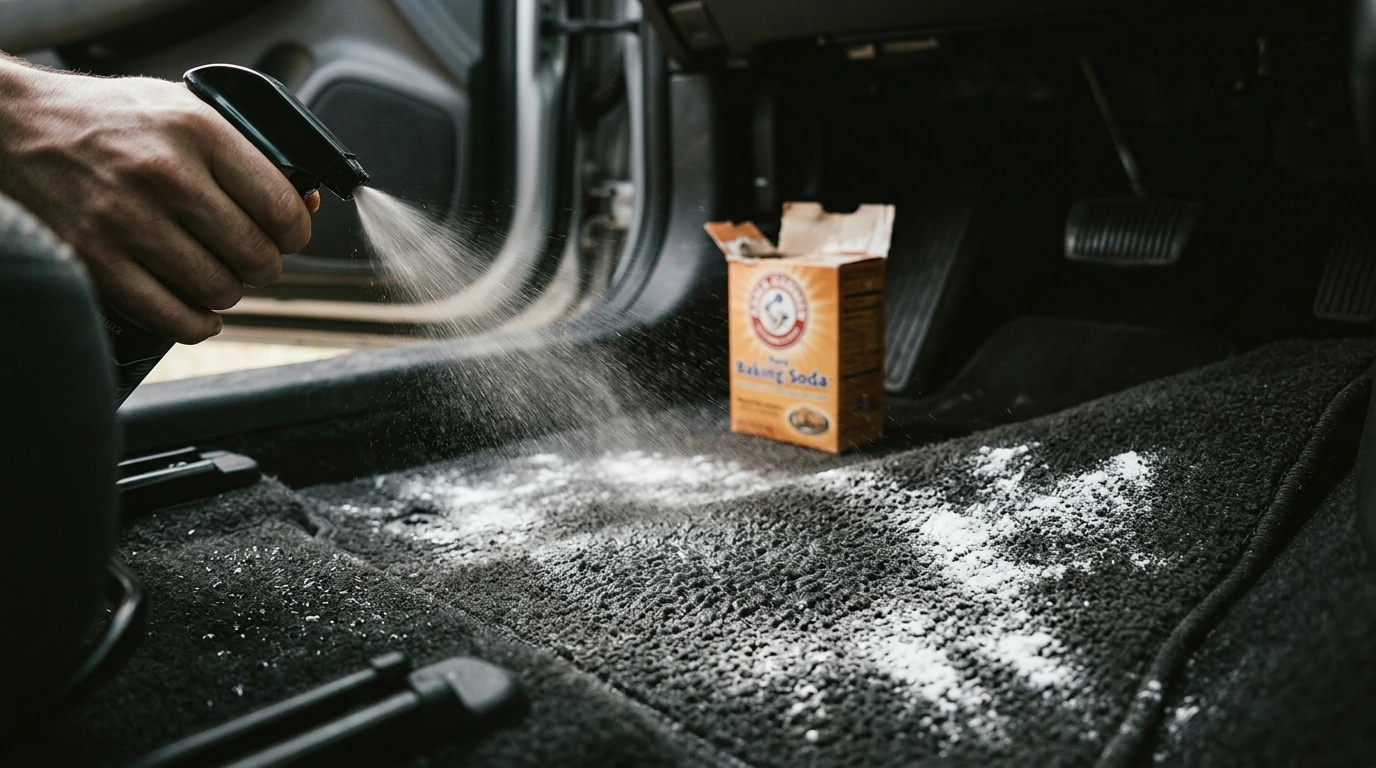
- Fresh Spill, Immediate Action: If you catch the spill right away, the priority is absorption. Blotting aggressively with clean towels, followed by a wet vac if available, will remove the bulk of the liquid and proteins before significant bacterial action begins. Applying a baking soda paste immediately after extraction can start the neutralization process, preventing the odor from fully setting in.
- Dried Spill, Lingering Odor: For an older, dried spill where the sour smell is already established, a more aggressive approach is needed. The area will require thorough re-wetting with a water-vinegar solution or an enzymatic cleaner to re-activate and break down the dried proteins and acids. Multiple applications and extractions, combined with airing out the vehicle, are crucial to penetrate deep into the carpet and padding.
- Persistent, Deep-Seated Odor: When the smell seems to return even after initial cleaning, it indicates the odor-causing molecules have penetrated deep into the carpet backing or even the sound-deadening material. This scenario often benefits from a combination of enzymatic treatment, followed by ozone generator use (with caution and proper ventilation), or even temporary removal of the carpet section for more intensive cleaning and drying.
Honest Advantages and Drawbacks of DIY Milk Spill Cleanup
Advantages of a Multi-Stage DIY Approach
- Deep Odor Eradication: The combination of acidic neutralization (vinegar), absorption (baking soda), and protein breakdown (enzymatic cleaners) directly targets the root causes of sour milk odor, leading to more permanent removal than simple masking. This is a direct result of the chemical properties of the recommended agents.
- Cost-Effective: Utilizing common household items like baking soda and vinegar, supplemented by an enzymatic cleaner, is significantly less expensive than professional detailing services, making it accessible for budget-conscious owners. This traces back to the readily available and low-cost nature of these ingredients.
- Control Over Process: Performing the cleaning yourself allows for meticulous attention to the affected area, ensuring repeated treatments and thorough drying, which are critical for complete odor removal. This control is inherent to the DIY method.
Drawbacks of DIY Sour Milk Cleanup
- Time and Labor Intensive: Achieving full odor neutralization requires multiple steps—blotting, applying, waiting, extracting, and drying—which can span several hours or even days, demanding significant personal investment. This is a practical consequence of the multi-stage nature of the process.
- Risk of Incomplete Removal: Without specialized equipment like powerful wet vacuums or ozone generators, it can be challenging to extract all moisture and odor molecules from deep within the carpet padding, potentially leading to recurring odors. This limitation is tied to the typical tools available to a DIY enthusiast.
- Potential for Carpet Damage: Over-saturating the carpet or using incorrect cleaning agents without proper dilution can lead to mildew growth, staining, or damage to the carpet fibers or adhesive, especially if not dried thoroughly. This risk is inherent in any wet cleaning process if not executed carefully.
Considering Alternative Solutions
While DIY methods are often effective, sometimes other options are worth exploring:
- Professional Detailing Service: For those with limited time, severe spills, or a persistent odor that DIY methods haven't resolved, a professional detailer possesses industrial-grade extractors, specialized chemicals, and ozone generators for a more thorough and guaranteed outcome.
- Carpet Replacement: In extreme cases where the milk has soaked through the carpet and padding, and the odor is truly intractable, replacing the affected section of carpet or the entire carpet might be the only permanent solution. This is a last resort but ensures complete removal of the contaminated material.
Value and Practical Buying Advice
The value of tackling sour milk spills yourself lies in the significant cost savings and the satisfaction of restoring your car's interior. However, success hinges on diligence and selecting the right products. When purchasing an enzymatic cleaner, look for formulations specifically designed for pet accidents or organic stains, as these contain the necessary enzymes (proteases, lipases, amylases) to break down milk components. Always check the label for carpet compatibility and follow instructions precisely. For a wet vac, consider rental options if you don't own one, as its suction power is critical for thorough extraction. Check current prices at automotive supply stores or trusted online retailers for enzymatic cleaners and consider the cost of renting equipment versus the potential cost of professional detailing.
Final Recommendation
Buy an enzymatic cleaner and commit to a multi-stage DIY approach if you have the time and patience to meticulously clean and dry the affected area, especially for fresh or moderately old spills. Skip the DIY route and consider professional help or carpet replacement if the spill is extensive, deeply saturated, or if previous attempts have failed to eliminate a stubborn, long-standing odor.
This guide is compiled from established car care practices, chemical principles, and widely reported user experiences, rather than personal lab testing. Specific results can vary based on the spill's age, carpet material, and the thoroughness of the cleaning process.


Comments
Post a Comment