
That persistent, subtle clinking from your car’s center console can quickly become an irritant on any drive. Often, the culprit is loose change, small keys, or other trinkets rattling around in the cup holders, creating an unwelcome symphony of noise as you navigate turns and bumps. While a full interior overhaul might seem like an extreme response, a simpler, more elegant solution exists: the humble non-slip rubber cup holder coaster.
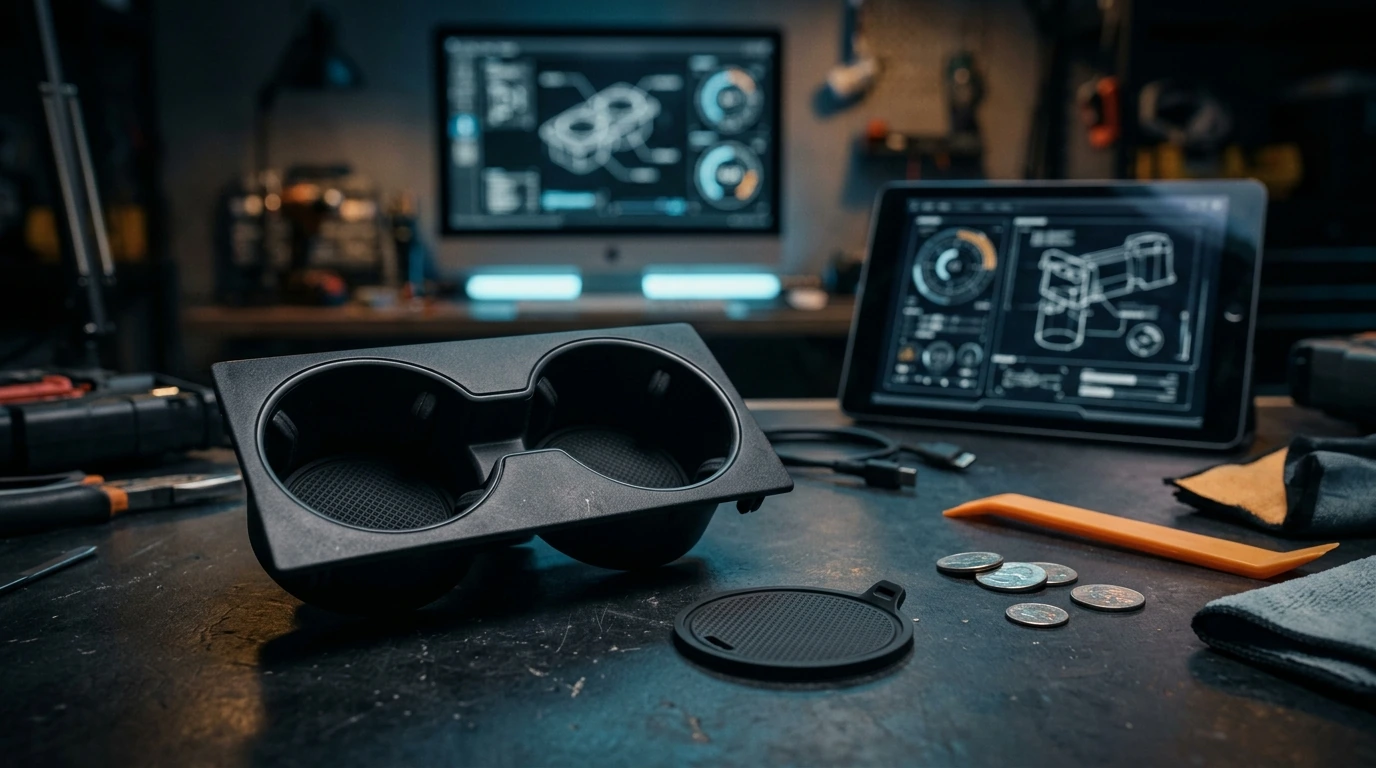
The Persistent Clatter, Pinpointing Cup Holder Noise
Many modern vehicle interiors feature hard plastic or rigid composite cup holder liners. While durable, these surfaces offer little in the way of sound dampening. Any metallic or hard object placed within them, especially loose coins, will inevitably vibrate and generate noise against the hard plastic with every acceleration, brake, or turn. This isn't just a minor annoyance; over time, this constant background noise can contribute to driver fatigue and detract from the overall cabin experience. Identifying the cup holder as the source is usually straightforward: place a few coins in an empty holder and gently tap the console, or simply listen while driving on a varied road surface.
Preparing for a Quieter Cabin: Tools and Prep
Before installing any accessories, a clean surface is paramount for optimal performance and longevity. Gathering a few basic items ensures a smooth process:
- Non-Slip Rubber Coasters: Select a set designed to fit your vehicle's specific cup holder dimensions or a universal trim-to-fit option.
- Microfiber Cleaning Cloth: Essential for wiping away dust and debris.
- Interior Cleaner or Rubbing Alcohol: For a thorough degreasing and sanitization of the cup holder wells.
- Small Brush or Cotton Swabs: Useful for reaching into tight corners and crevices.
Begin by removing any existing debris, crumbs, or stray items from the cup holders. Follow with a spray of interior cleaner or a wipe-down with rubbing alcohol on your microfiber cloth, ensuring all residue is lifted. Allow the surfaces to dry completely before proceeding.
Precision Placement: Installing Your Anti-Rattle Coasters
Once the cup holders are clean and dry, the installation process is remarkably simple:
- Unpack and Inspect: Carefully remove the coasters from their packaging. Check for any manufacturing defects or debris.
- Test Fit: Gently place one coaster into a cup holder without pressing down firmly. Verify that it fits snugly without buckling or leaving large gaps around the edges. If using trim-to-fit coasters, mark the excess material and carefully trim with sharp scissors.
- Orient Correctly: Many coasters have a textured or ribbed side designed to face upwards for better grip on cups and items. Ensure this side is facing the top.
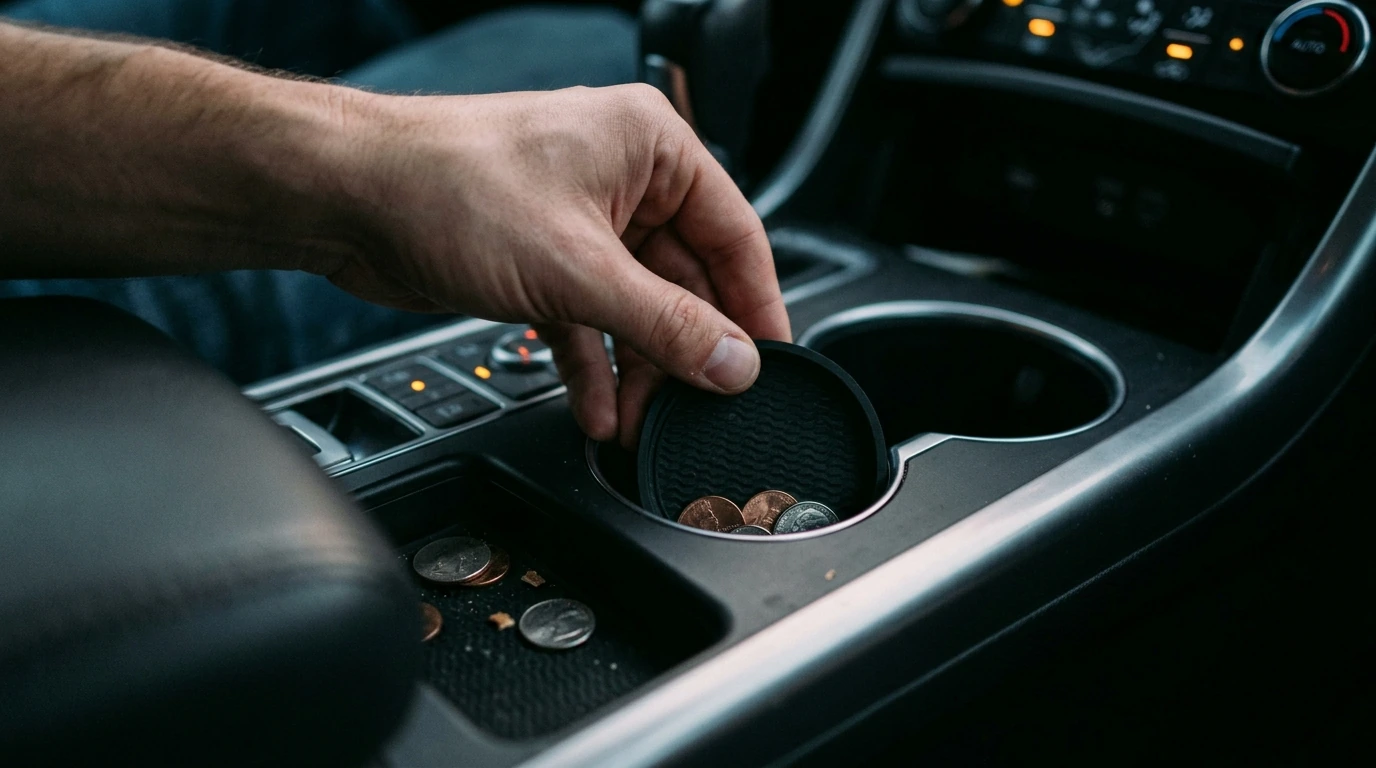
- Firmly Press: Once satisfied with the fit, press the coaster down firmly into the cup holder well, ensuring it lies flat and makes full contact with the bottom surface.
- Repeat: Install the remaining coasters in the same manner for all designated cup holders.
Common Errors When Securing Your Coasters
Despite the simplicity, a few common oversights can diminish the effectiveness of your new coasters:
- Skipping the Cleaning Step: Dust, grime, or sticky residues prevent the coaster from seating properly and can still allow small items to rattle beneath it.
- Incorrect Sizing: Coasters that are too small will slide around, defeating their purpose. Those that are too large will buckle or not sit flat, creating an uneven surface.
- Using Low-Quality Materials: Cheap, thin plastic or foam coasters offer minimal sound dampening and may degrade quickly, becoming sticky or brittle.
- Ignoring Other Noise Sources: While coasters address cup holder rattles, ensure other potential noise sources, such as items in the glove box, door pockets, or under seats, are also secured.
PRO TIP: Double-Check the Fit
After installation, gently try to rotate or lift the coaster. If it moves easily, it might be the wrong size or the surface wasn't cleaned sufficiently. A well-fitted, non-slip coaster should resist movement even when a drink is placed upon it.
Material Matters: Choosing the Right Coaster for Durability and Grip
The effectiveness and longevity of cup holder coasters largely depend on their material composition. Understanding the properties of common options can guide your selection:
| Material Type | Key Characteristics | Grip & Rattle Reduction | Durability | Ease of Cleaning |
|---|---|---|---|---|
| Silicone | Flexible, heat-resistant, non-toxic | Excellent, highly grippy surface | Very good, resistant to cracking/fading | Excellent, rinses easily |
| Rubber (EPDM/PVC) | Durable, good friction, cost-effective | Good, effective dampening | Good, can stiffen over time with UV exposure | Good, wipes clean |
| Felt/Fabric | Soft, absorbent, aesthetic options | Moderate, relies on thickness | Fair, prone to wear and staining | Poor, absorbs liquids, harder to deep clean |
| Hard Plastic | Rigid, often stock, custom fit | Poor, minimal dampening | Excellent, very resilient | Excellent, wipes clean easily |
For optimal rattle reduction and longevity, silicone or quality rubber compounds are generally recommended. Their inherent flexibility and high friction coefficient are superior for dampening vibrations and securing items.
Verifying the Silence: Post-Installation Checks
With your new coasters in place, it's time to confirm they've achieved their purpose. A systematic verification process can help:
- Manual Shake Test: With the vehicle stationary, gently shake the console or tap around the cup holders. Listen for any lingering rattles.
- Road Test: Take your vehicle for a short drive on various road surfaces, including some with minor bumps or turns. Pay close attention to any sounds emanating from the cup holder area.
- Coin Placement Test: Place a few coins directly onto the new coasters. Repeat the manual shake and road tests. The coins should remain largely stable and silent.
- Beverage Stability Check: Place a full beverage cup into the holder. Observe if it feels more stable and if the coaster prevents it from sliding or rotating excessively.
If any rattles persist, re-examine the coasters for proper fit and ensure no other items are contributing to the noise. In most cases, these simple, affordable accessories offer a significant improvement to cabin quietness, transforming an irritating clatter into a silent, more enjoyable driving experience.


Comments
Post a Comment