
Navigating the Urban Labyrinth with Ease
For many city dwellers, the daily commute involves a relentless dance with traffic, tight parking spaces, and the constant quest for affordable fuel. In this challenging environment, a vehicle’s ability to shrink its footprint and sip rather than gulp gasoline becomes paramount. This is precisely where compact hatchbacks like the Honda Brio have carved out a loyal following, offering a compelling blend of practicality and economy.
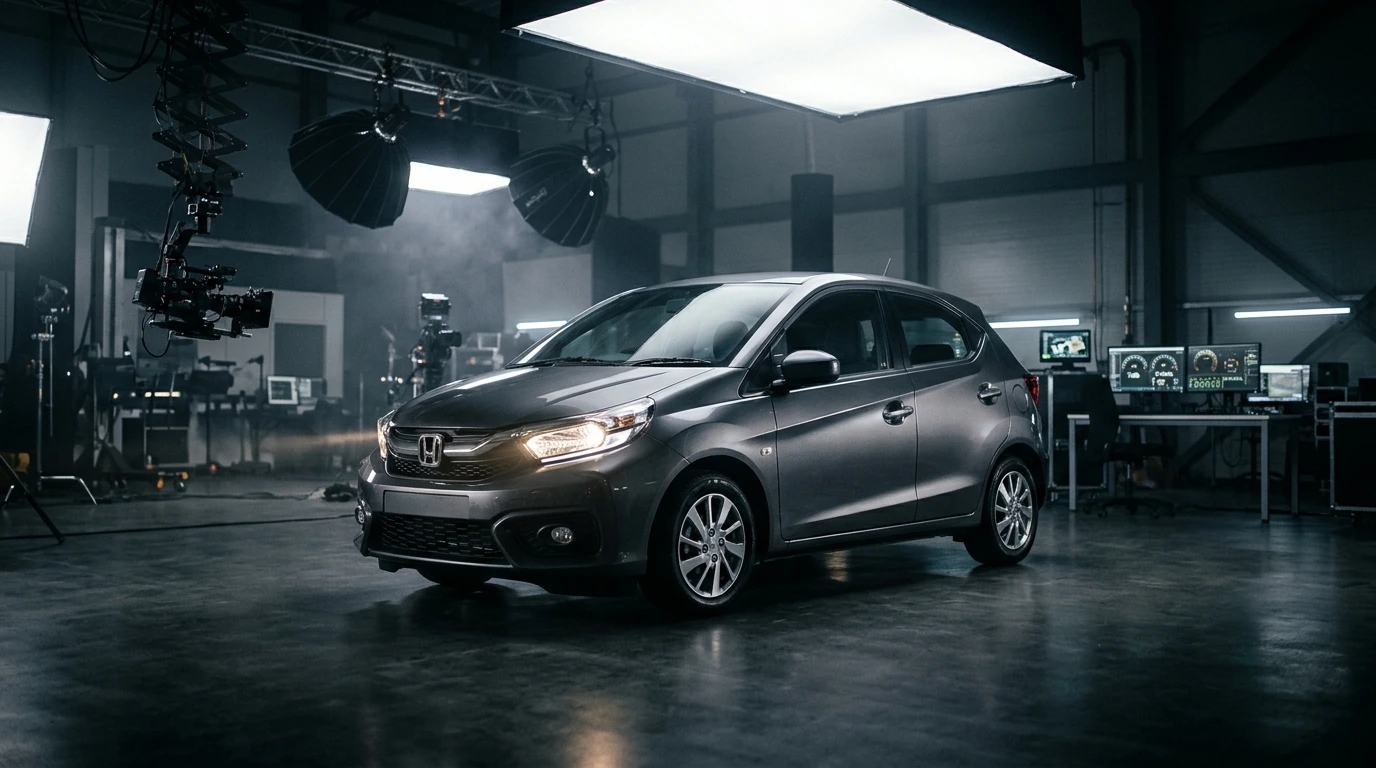
The Brio's Core Appeal and Its Trade-Offs
The Honda Brio is a compact city hatchback designed primarily for urban mobility and fuel efficiency. It’s an ideal choice for first-time car buyers, small families, or individuals who spend the majority of their driving time in congested cityscapes and prioritize low running costs. Those who frequently undertake long highway journeys with multiple passengers or require significant cargo capacity might find its limitations restrictive.
The single biggest trade-off with the Brio is its relatively modest engine power, which, while excellent for fuel economy in the city, can feel underpowered during rapid acceleration or sustained high-speed cruising on open roads.
Understanding the Brio's Place in the Market
The Honda Brio typically sits as an entry-level offering in Honda's lineup in various Asian markets, positioned below larger sedans and SUVs. What differentiates it from many direct competitors, beyond its Honda badge reputation, is often its refined engine and transmission pairing, even in a budget-friendly package. Compared to some previous iterations or rivals, the current Brio models often feature updated styling, improved interior materials, and enhanced safety features, reflecting Honda’s continuous effort to balance cost-effectiveness with a quality driving experience.
Key Specifications and Their Real-World Impact
| Spec/Composition | What It Means | Verdict (Plus / Minus / Neutral) | Who Feels It |
|---|---|---|---|
| 1.2L i-VTEC Engine | This engine is designed for efficiency, delivering adequate power for city driving while keeping fuel consumption low. It prioritizes economy over outright performance. | Plus (+) | Commuters, budget-conscious drivers, those in stop-and-go traffic. |
| Compact Dimensions (e.g., ~3.8m length) | The Brio's small footprint allows for exceptional maneuverability in tight urban spaces and makes parking significantly easier. | Plus (+) | City drivers, new drivers, anyone frequently parking in congested areas. |
| Continuously Variable Transmission (CVT) Option | The CVT provides smooth, gear-less acceleration and optimizes engine RPM for better fuel economy, especially in varied city driving conditions. | Plus (+) | Drivers seeking a smooth, effortless driving experience and maximum fuel efficiency. |
| Official Fuel Economy Figures (e.g., ~20 km/L combined) | These figures, while often achieved under ideal conditions, indicate the vehicle's strong inherent efficiency, translating to lower fuel bills. | Plus (+) | Economically-minded drivers, those with long daily commutes. |
| Turning Radius (e.g., ~4.6m) | A tight turning radius means easier U-turns and less effort in navigating narrow streets or crowded parking lots. | Plus (+) | Drivers in dense urban environments, those who frequently make tight turns. |
| Limited Cargo Volume (e.g., ~258 liters) | While sufficient for daily errands, the boot space is modest, restricting its capacity for large luggage or extensive shopping trips. | Minus (-) | Small families, individuals needing to transport bulky items, travelers. |
Real-World Driving Scenarios
Consider a typical weekday commute through a bustling city center. The Brio’s compact dimensions and tight turning radius allow it to weave through traffic and squeeze into parking spots that larger vehicles would bypass. Its efficient 1.2L i-VTEC engine, especially when paired with the CVT, provides smooth, economical acceleration ideal for stop-and-go conditions, minimizing fuel expenditure during peak hours.
For weekend errands, like a grocery run or a trip to a local market, the Brio handles well. While the cargo space is limited, it’s generally sufficient for a week's groceries or a couple of medium-sized bags. However, attempting to transport larger items like flat-pack furniture or multiple suitcases for a family trip would likely require folding down the rear seats, significantly reducing passenger capacity.
On the open highway, the Brio maintains cruising speeds, but its smaller engine means that overtaking maneuvers require more planning and higher RPMs. Sustained high-speed travel, especially with a full load, will see its fuel efficiency drop compared to its city performance, and the cabin might experience more engine noise than larger, more powerful vehicles.

Advantages of the Honda Brio
- Exceptional City Maneuverability: The compact dimensions and tight turning radius (e.g., ~4.6m) make it incredibly agile in congested urban environments, simplifying parking and navigating narrow streets.
- Outstanding Fuel Economy: The 1.2L i-VTEC engine combined with the CVT is optimized for efficiency, leading to significantly lower fuel costs for daily commutes.
- Smooth and Comfortable Ride: The CVT ensures seamless acceleration without noticeable gear shifts, contributing to a relaxed driving experience, particularly in stop-and-go traffic.
- Reliable Honda Engineering: Known for its durable and well-built vehicles, the Brio benefits from Honda's reputation for long-term reliability and relatively low maintenance costs.
Drawbacks to Consider
- Modest Highway Performance: The 1.2L engine, while efficient, can feel underpowered during rapid acceleration or sustained high-speed cruising, especially with a full load.
- Limited Cargo Capacity: With around 258 liters of boot space, it struggles with large luggage or extensive shopping, requiring frequent use of folded rear seats.
- Basic Interior Appointments: While functional, the interior materials and features are generally utilitarian, reflecting its budget-friendly positioning rather than premium comfort.
- Increased Engine Noise at High RPMs: When pushed hard, especially on highways, the smaller engine and CVT can lead to noticeable engine noise in the cabin.
Alternatives Worth Considering
For those seeking similar urban efficiency, the Suzuki Celerio often presents itself as a direct competitor, sometimes offering an even more compact footprint or a slightly lower entry price point, making it a strong contender for ultra-budget-conscious buyers.
Another alternative is the Toyota Wigo (or Agya in some markets), which also focuses on reliability and fuel economy in a compact package. The Wigo might appeal to buyers prioritizing Toyota's widespread service network and reputation for robust simplicity.
Value and Buying Advice
The Honda Brio generally offers strong value within its compact hatchback segment. Its combination of Honda reliability, excellent fuel economy, and city-friendly dimensions makes it a sensible long-term purchase for its target demographic. While it may not boast the latest luxury features, its practicality and low running costs contribute significantly to its overall value proposition. Prospective buyers should check current pricing at official Honda dealerships or trusted automotive retailers, as prices can vary by region and available trim levels.Related Analysis:
How Detail Brushes Keep Your Car's Interior Switch Gaps Spotless Long-Term →


Comments
Post a Comment