
Riding a motorcycle through dirt roads or off-road trails inevitably leads to mud and grime accumulating on the radiator. While a dirty radiator might seem like a minor cosmetic issue, it can significantly hinder your bike's cooling efficiency, potentially leading to overheating and long-term engine damage. The challenge, however, lies in cleaning these delicate components without causing more harm than good, particularly bending the fragile cooling fins.
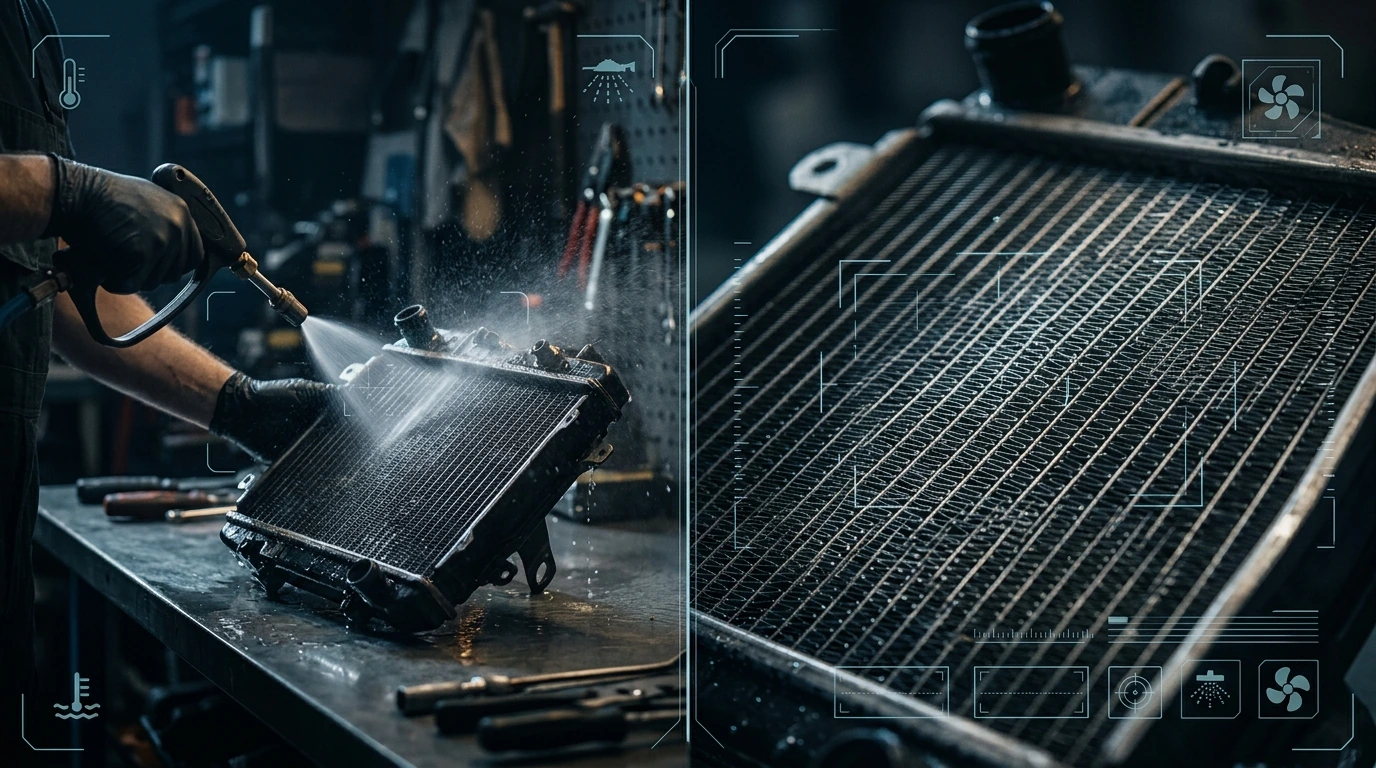
Gentle Radiator Cleaning: The Core Principle
The fundamental objective when cleaning a motorcycle radiator is to restore its heat transfer capability by removing obstructions, all while preserving the integrity of its delicate aluminum or copper fins. These fins are designed to maximize surface area for air flow, allowing the coolant inside the radiator tubes to dissipate heat effectively. Even minor bends or blockages can reduce air passage, diminishing the radiator's ability to cool the engine. The widely accepted consensus among experienced riders and mechanics emphasizes a "less is more" approach, prioritizing gentle methods over aggressive cleaning techniques that risk damage.
Understanding Radiator Design and Vulnerabilities
Motorcycle radiators are typically constructed from aluminum, chosen for its excellent heat conductivity and lightweight properties. The core consists of a series of tubes through which coolant flows, connected by a dense array of thin fins. These fins are extremely fragile and easily bent by direct pressure, high-pressure water streams, or abrasive contact. Their vulnerability means that any cleaning process must account for their delicate nature. The spacing between fins, often quite tight, can also trap small debris, requiring specific tools to dislodge without force. Manufacturer specifications for fin density and material composition underscore the need for careful handling.
Step-by-Step for a Pristine Radiator Core
Achieving a clean radiator without damaging its fins relies on a methodical, patient approach. Here's a widely recommended sequence of steps:
- Initial Loose Debris Removal: Begin by carefully using compressed air, applied from the back side of the radiator (the side closest to the engine), to blow out loose dirt, dust, and larger debris. Hold the nozzle several inches away from the fins and use short, controlled bursts. Blowing from the back pushes debris out the way it entered, minimizing the chance of lodging it deeper.
- Pre-Soak with a Gentle Cleaner: Apply a dedicated bug and grime remover or a mild degreaser, diluted as per product instructions, to the radiator surface. Allow it to soak for 5-10 minutes. This helps to loosen dried mud and caked-on grime, making it easier to remove without scrubbing. Avoid harsh chemical cleaners that could corrode aluminum or damage rubber hoses.
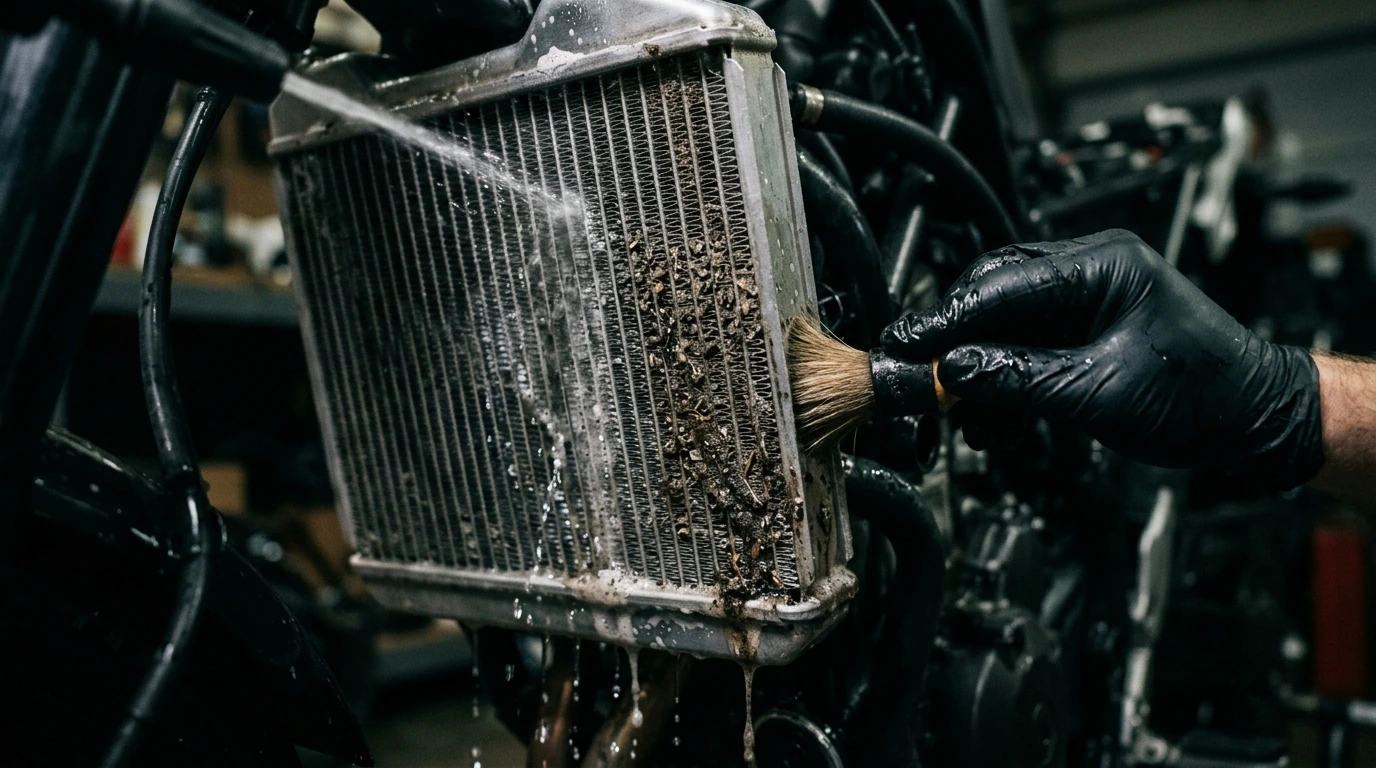
- Low-Pressure Rinse: Using a garden hose with a low-pressure nozzle, gently rinse the radiator. Again, aim to spray from the back whenever possible. The goal is to wash away the loosened dirt without direct, high-impact water pressure on the fins. A wide, soft spray pattern is ideal.
- Soft Brushing for Stubborn Grime: For any remaining stubborn spots, use a soft-bristled brush, such as a detailing brush or a soft paintbrush. Gently agitate the dirt, moving the brush in the direction of the fins, not across them. Avoid applying significant pressure. Specialized radiator fin combs are available for straightening bent fins, but they require extreme care and are best used only when necessary.
- Final Rinse and Inspection: Perform a final low-pressure rinse to remove any dislodged particles and cleaning solution residue. Once dry, visually inspect the radiator from various angles to ensure all debris is gone and to check for any inadvertently bent fins.
Tools and Techniques: Advantages and Risks
The choice of tools and techniques directly impacts the success of radiator cleaning. Compressed air offers the advantage of non-contact debris removal but carries the risk of bending fins if the pressure is too high or the nozzle is too close. Low-pressure water rinsing is excellent for flushing, but high-pressure washers are almost universally discouraged due to their capacity to flatten fins instantly. Soft brushes and specialized fin combs provide targeted cleaning and straightening capabilities; however, they demand a delicate touch and careful application to prevent further damage. Chemical pre-soaks are highly effective at breaking down grime, but selecting pH-neutral, non-corrosive formulas is critical to protect aluminum components and rubber seals. The trade-off is often between cleaning efficiency and the potential for mechanical damage or chemical degradation.
Maintaining Your Cooling System: A Long-Term Investment
Regular, gentle cleaning of your motorcycle's radiator is a small investment of time that yields significant returns in terms of engine health and longevity. A well-maintained cooling system ensures the engine operates at its optimal temperature, preventing performance degradation and costly repairs associated with overheating. While the process requires patience and the right tools, the ability to effectively dissipate heat is fundamental to your motorcycle's reliability, especially for those who frequently ride in dusty or muddy conditions. Prioritizing fin integrity during cleaning is not just about aesthetics; it's about preserving a critical component of your bike's powertrain.


Comments
Post a Comment