
Staring at that hazy, sticky mess on your car windows after peeling off old tint film? You know the one – it’s like a permanent cloud, catching dust and spoiling the view. The immediate thought might be to grab a razor blade, but that's often the quickest way to permanent glass damage. The real solution lies in understanding the adhesive and deploying the right chemical warfare, not brute force.
The Sticky Situation and Its Solution
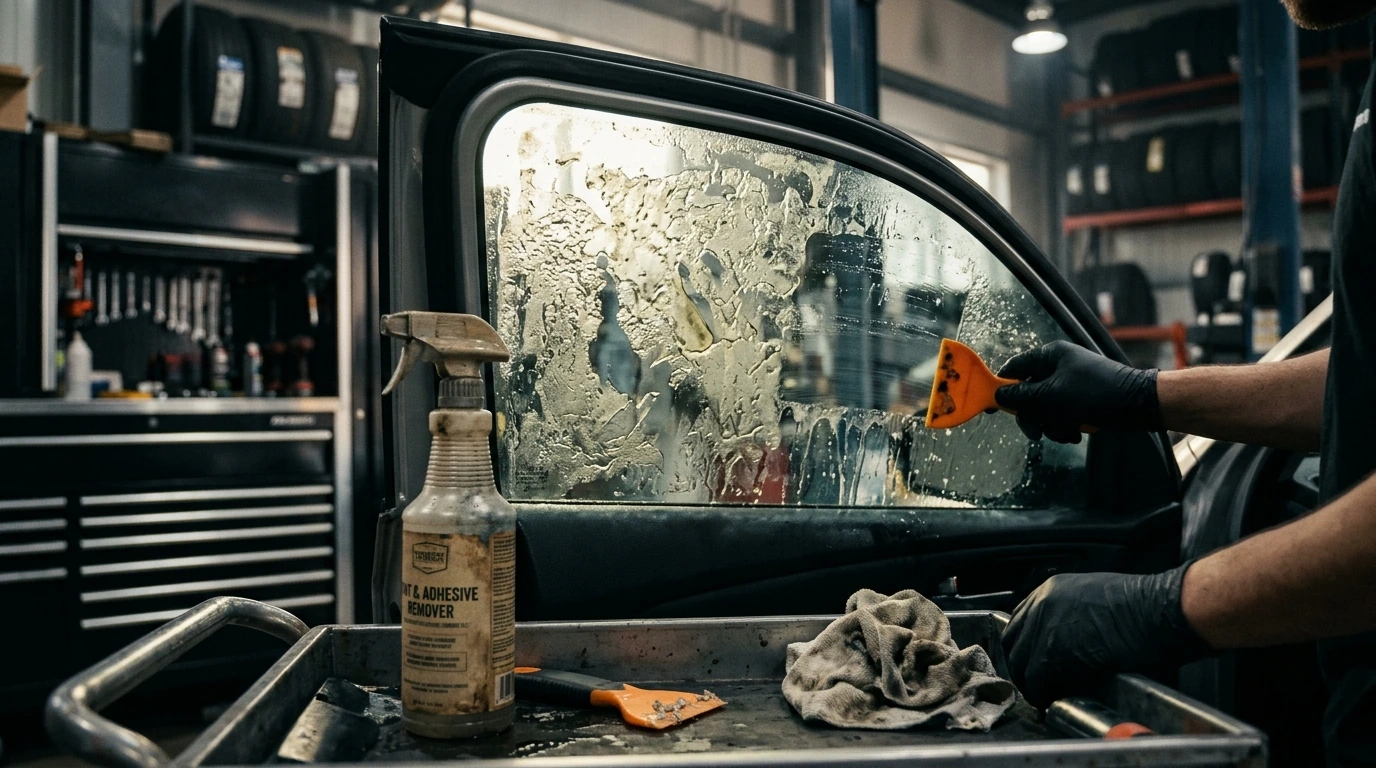
When faced with stubborn tint glue residue, the best approach for most car owners is a dedicated automotive tint adhesive remover, often paired with non-abrasive tools. These specialized products are formulated to break down the adhesive bond without harming glass or surrounding trim. They are ideal for DIY enthusiasts and those seeking a professional finish without the risk of scratches.
Those who should probably skip these chemical removers are individuals expecting instant results without any effort, or those who prefer aggressive mechanical scraping despite the risks. The single biggest trade-off is patience; these removers need dwell time to work effectively, and rushing the process can lead to incomplete removal or unnecessary scrubbing.
Understanding Tint Glue Removers
Automotive tint glue removers are chemicals designed to dissolve or soften the specific acrylic-based adhesives used in window tint films. Unlike general-purpose cleaners, they are engineered for compatibility with automotive glass and often surrounding materials like rubber seals and plastics, minimizing the risk of damage.
What sets today's best removers apart from older methods is their formulation. Many now leverage citrus-derived solvents (like d-Limonene) or specific alcohols and surfactants that penetrate and emulsify the glue. This differs significantly from simply scraping, which relies purely on physical force, or using harsh ammonia-based cleaners that can damage tint if it's still partially on, or even some interior plastics over time. The goal is to break the glue's bond to the glass, turning it into a gel-like substance that can be wiped away safely.
Key Characteristics of Effective Glue Solvents
Choosing the right product hinges on understanding its core properties. Here are the crucial characteristics that dictate performance and safety:
Active Solvent Composition
- Fact: Many effective removers feature d-Limonene (citrus-based) or specialized glycol ethers and alcohols.
- Meaning: These ingredients are highly effective at dissolving acrylic adhesives by breaking down their molecular structure, turning solid glue into a soft, manageable gel.
- Verdict: Plus. This chemical action is far superior to purely mechanical removal, reducing the need for abrasive scrubbing.
- Who Feels It: Anyone dealing with old, hardened, or thick glue residue will find these formulations highly effective.
pH Level
- Fact: Most quality automotive glue removers are pH neutral or slightly alkaline.
- Meaning: A balanced pH ensures the product is aggressive on adhesives but gentle on glass, paint, and rubber seals. Highly acidic or alkaline solutions can etch glass or damage surrounding materials.
- Verdict: Plus. This balance is critical for safety and preventing collateral damage.
- Who Feels It: Car owners concerned about preserving their vehicle's finish, especially around window frames and paintwork.
Evaporation Rate
- Fact: Effective removers typically have a moderate to slow evaporation rate.
- Meaning: A slower evaporation rate allows the solvent more dwell time to penetrate and break down the adhesive, which is crucial for stubborn residues. Products that evaporate too quickly require constant reapplication.
- Verdict: Plus. Adequate dwell time is key to minimizing effort and maximizing effectiveness.
- Who Feels It: Individuals tackling large windows or heavily glued surfaces, as it reduces the need for continuous reapplication.
Safety Profile & VOCs
- Fact: Modern formulations often aim for lower Volatile Organic Compound (VOC) content and reduced flammability.
- Meaning: Products with better safety profiles are less irritating to skin and respiratory systems, and reduce fire risk during application in enclosed spaces.
- Verdict: Plus. Enhanced safety makes the DIY process more comfortable and less hazardous.
- Who Feels It: Anyone working in a garage or enclosed space, and those sensitive to strong chemical fumes.
Practical Application Scenarios
Understanding how these products perform in real-world scenarios helps set expectations and guide technique.
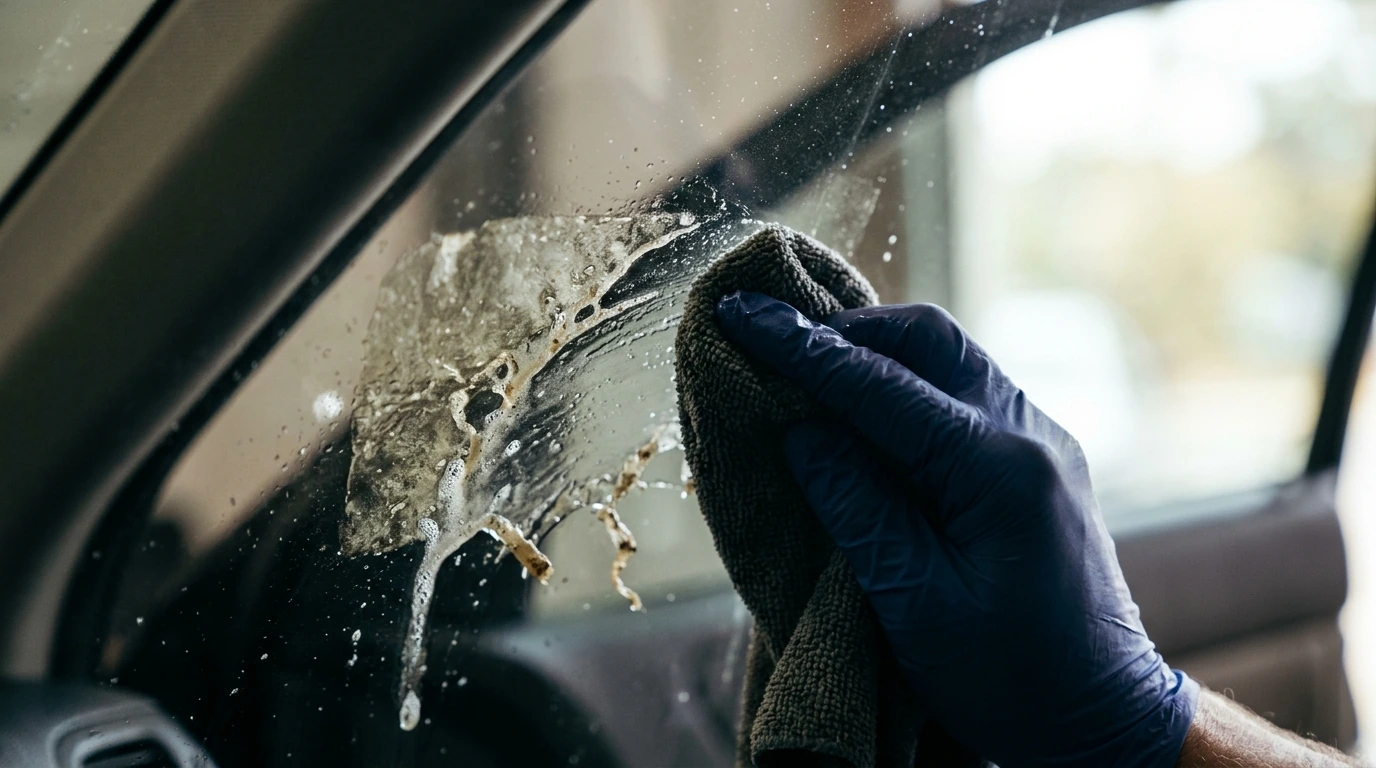
- Light, Fresh Residue on a Small Window: For a small side window with minimal, recently applied glue, a quality citrus-based remover should fare exceptionally well. A single application, allowed to dwell for 5-10 minutes, will typically soften the glue enough for a plastic scraper or microfiber cloth to remove it cleanly with minimal effort. The moderate evaporation rate ensures it stays active long enough.
- Thick, Baked-On Glue on a Large Rear Window with Defrosters: This is where a dedicated remover truly shines. The active solvents will slowly penetrate the thick, sun-baked adhesive. It will likely require multiple applications and longer dwell times (15-30 minutes per application), potentially with the aid of a steamer to keep the surface warm and the product active. The pH-neutral formulation is crucial here to protect delicate defroster lines from chemical damage.
- Cleaning Up After a Failed Tint Removal Attempt: If you've already tried to peel tint and left behind patchy, inconsistent glue, a good remover will unify the residue, making it uniformly soft and easier to remove. Its ability to dissolve the adhesive means you can work systematically, preventing further scratching that might occur from trying to scrape uneven, hardened patches.
PRO TIP: Ensure Proper Ventilation!
Always work in a well-ventilated area, ideally outdoors or with garage doors open. Even low-VOC products can produce fumes, and wearing gloves and eye protection is non-negotiable for chemical safety.
Advantages and Considerations
Advantages
- Scratch-Free Removal: The primary benefit stems from the solvent's ability to dissolve glue, eliminating the need for abrasive tools like razor blades that can permanently scratch glass. This is directly due to the active solvent composition that breaks down adhesive bonds.
- Effective on Stubborn Residue: Products with d-Limonene or similar strong solvents are highly effective at penetrating and softening even aged, sun-baked glue, which would otherwise require excessive mechanical force. This links back to the active solvent composition and its chemical action.
- Safer for Vehicle Finishes: The pH-neutral or slightly alkaline nature of quality removers means they are less likely to damage surrounding paint, plastic trim, or rubber seals compared to harsher industrial solvents. This is a direct result of their carefully balanced pH level.
- Reduced Effort: By chemically breaking down the adhesive, these removers significantly reduce the amount of physical scrubbing and scraping required, making the job less labor-intensive. This is a consequence of the active solvent composition and moderate evaporation rate allowing for sufficient dwell time.
Drawbacks
- Requires Patience and Dwell Time: Due to their moderate evaporation rate, these products need time to work, often requiring multiple applications and waiting periods. Rushing the process can lead to incomplete removal.
- Ventilation is Crucial: While safer, many removers still contain VOCs and produce fumes, necessitating good ventilation and personal protective equipment. This is a consideration tied to the product's safety profile and solvent composition.
- Can Be Messy: As the glue softens, it can become a sticky, gooey mess that needs careful wiping and disposal. The effectiveness of the active solvents means the glue will liquefy.
- Cost: Dedicated automotive tint glue removers are generally more expensive per ounce than household cleaners or basic isopropyl alcohol, reflecting their specialized formulation. This is a trade-off for their specific active solvent composition and balanced pH.
Other Methods for Tough Residue
While chemical removers are the star, other tools and methods can complement or serve as alternatives in specific situations:
- Steam Cleaners: Applying steam to the glue residue can soften it significantly, making it easier for a plastic scraper or chemical remover to work. Steam is particularly useful for large areas or very thick glue, acting as a non-chemical softener.
- Isopropyl Alcohol (IPA): For extremely light, fresh, or very thin residue, a 70% or 90% IPA solution can sometimes break down the adhesive. However, it's generally not effective on older, thicker glue and evaporates very quickly, requiring constant reapplication.
- Plastic Scrapers: These are invaluable tools for gently lifting softened glue without scratching glass, especially when used in conjunction with a chemical remover. Always opt for plastic over metal blades for glass applications.
Smart Buying for Clean Glass
When considering an automotive tint glue remover, value is determined by its effectiveness, safety, and ease of use relative to its price class. Dedicated solutions, while costing more than generic solvents, offer superior performance and peace of mind by preventing costly glass damage. Always check the current price at reputable automotive retailers or the official brand website. Look for products specifically labeled for automotive tint glue removal and ensure they are safe for glass and surrounding trim.
Your Path to Spotless Windows
Buy a dedicated automotive tint glue remover if: you want to safely and effectively remove stubborn window tint adhesive without risking scratches to your car's glass, especially if dealing with old, baked-on residue or large windows.
Skip these specialized removers if: you have only extremely light, fresh residue that might come off with simple glass cleaner and a microfiber cloth, or if you're unwilling to dedicate the necessary dwell time and follow safety precautions.
This review is compiled from official product specifications and widely reported user feedback, offering an informed analysis rather than a personal lab test. Specific details and regional product variants may differ, so always consult the product label before use.


Comments
Post a Comment