
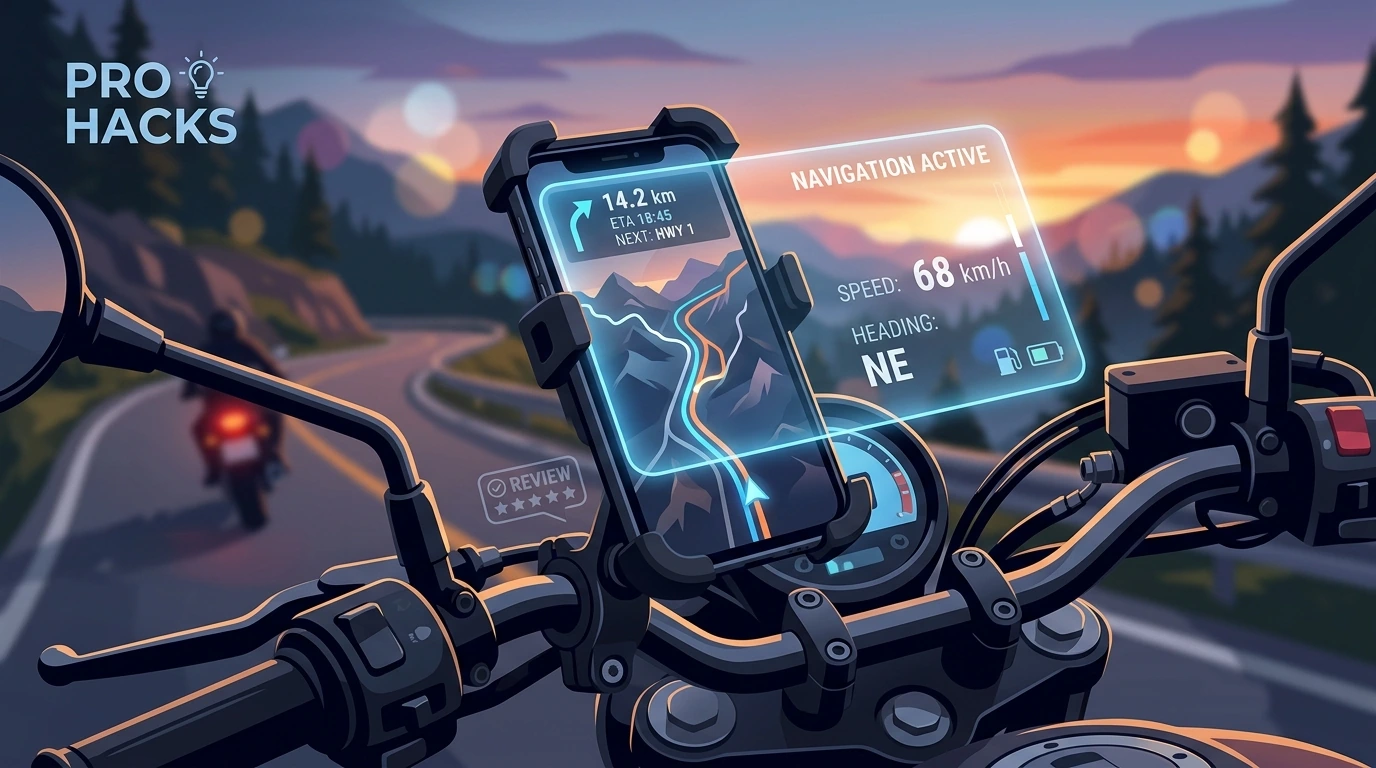
For motorcyclists who rely on their smartphones for navigation, communication, and even entertainment, a secure and weather-resistant mount is indispensable. The challenge intensifies when seeking a holder that not only protects against the elements but also allows full touchscreen functionality without compromising safety or convenience. This guide explores the critical design choices and performance characteristics that define the best waterproof phone holders for motorcycles in 2026.
Quick Verdict: Navigating Connectivity in Any Weather
The current generation of waterproof motorcycle phone holders with interactive screens represents a significant leap in rider convenience and device protection. These specialized mounts typically feature robust, sealed enclosures constructed from high-grade ABS plastics, aluminum alloys, or reinforced composites, often paired with clear, touch-sensitive membrane screens. Key strengths lie in their ability to shield smartphones from heavy rain, road spray, and dust, while allowing riders to interact with navigation apps, change music, or answer calls without exposing their device. The consensus among users and industry experts points to models offering IPX6 or IPX7 waterproofing, combined with a responsive screen membrane, as the most reliable options for sustained outdoor use. However, the trade-off often involves a slight reduction in screen sensitivity compared to an unprotected display, and the physical bulk required for superior protection.
Engineering for the Elements: Construction and Mounting
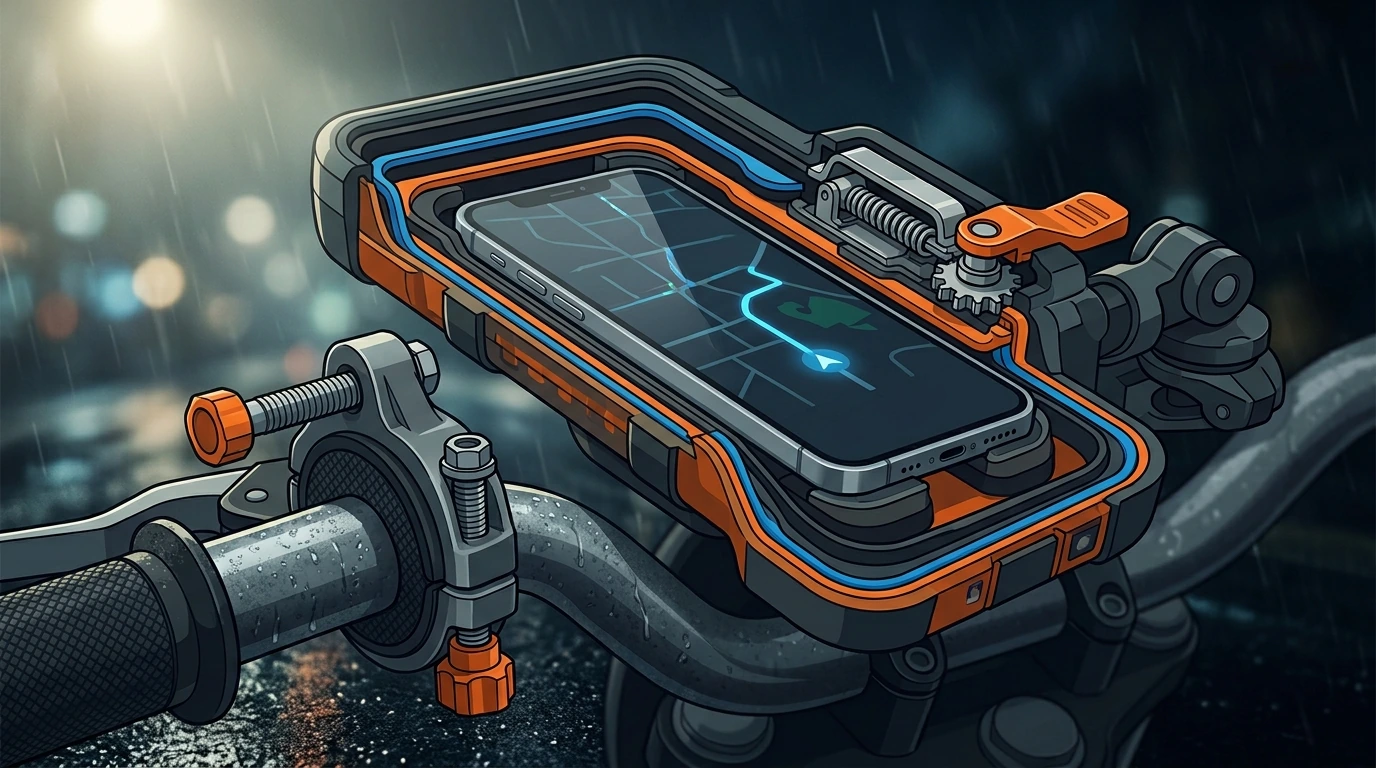
Understanding the fundamental design principles of a motorcycle phone holder is crucial for evaluating its long-term performance. Manufacturers typically prioritize a multi-layered approach to weather sealing. This often includes silicone gaskets around the phone's perimeter, a hermetically sealed front membrane for screen access, and robust port covers for charging cables. The housing itself is generally a two-piece clamshell design, often secured with latches or screws, ensuring a tight seal against ingress. Materials like high-impact polycarbonate or anodized aluminum are common, chosen for their balance of durability, weight, and vibration dampening properties.
Mounting systems are equally critical. The most prevalent designs include handlebar clamps, mirror stem mounts, and RAM ball systems. Handlebar clamps are popular for their universal fit and strong grip, often featuring rubberized inserts to prevent slippage and absorb road vibrations. RAM ball systems, known for their versatility, utilize a ball-and-socket design that allows for extensive articulation and secure positioning, making them a favored choice for riders seeking precise adjustability. A high-quality mount will provide a stable, vibration-free platform, preventing phone damage and ensuring screen readability even at speed.
Real-World Utility: Touchscreen Responsiveness and Visibility
In practical riding scenarios, the true test of these holders lies in their touchscreen responsiveness and overall visibility. While a waterproof membrane is essential for protection, it inherently introduces a barrier between the finger and the screen. The effectiveness of touch input varies significantly between models, with higher-quality membranes offering near-native sensitivity, even with riding gloves. Many widely reported user experiences highlight that thinner, multi-layer TPU or PET membranes generally perform better than thicker PVC alternatives. Some advanced designs also incorporate anti-glare coatings on the screen protector to improve visibility in bright sunlight, a common challenge for riders. Furthermore, the internal dimensions must accommodate a wide range of phone sizes, including those with protective cases, without causing undue pressure on the device or hindering accessibility to side buttons.
Pro Tip for Riders:
Always test your phone holder's touchscreen sensitivity with your preferred riding gloves before embarking on a long journey. Different glove materials and membrane types can significantly impact usability.
Comparing Leading Waterproof Phone Holders
When evaluating options, several key specifications differentiate the market's top contenders. Here's a comparison of typical reported features for popular models:
| Feature | Typical Mid-Range Model | Typical Premium Model |
|---|---|---|
| Waterproofing Rating | IPX5-IPX6 (Splash/Jet-proof) | IPX7-IPX8 (Submersible up to 1m) |
| Screen Material | PVC or thicker TPU | Thin, multi-layer PET/TPU with anti-glare |
| Mounting System | Standard Handlebar Clamp | RAM Ball System or Proprietary Quick-Lock |
| Charging Port Access | Covered, often requires opening | Sealed pass-through, wireless charging optional |
| Vibration Dampening | Basic rubber inserts | Integrated gel pads or suspension system |
Strengths and Considerations for Your Ride
Each type of phone holder presents a unique set of advantages and potential drawbacks, influencing its suitability for different riders.
Advantages:
- Superior Device Protection: The primary benefit is comprehensive safeguarding against rain, dust, and road debris, extending the lifespan of your smartphone in harsh conditions.
- Uninterrupted Navigation: Maintaining visual and interactive access to GPS ensures continuous routing, crucial for unfamiliar routes or long-distance touring.
- Enhanced Connectivity: The ability to manage calls, music, and notifications without stopping or fumbling with a phone enhances both convenience and safety.
- Vibration Dampening: Many high-quality holders incorporate features to mitigate engine and road vibrations, protecting sensitive phone components like cameras.
Drawbacks:
- Reduced Touch Sensitivity: Even with advanced membranes, a slight decrease in touchscreen responsiveness is a common trade-off, especially with thick gloves.
- Potential for Glare: Without effective anti-glare coatings, bright sunlight can make the screen difficult to read through the protective membrane.
- Bulk and Aesthetics: The robust construction required for waterproofing often results in a bulkier holder that might not appeal to all riders aesthetically.
- Heat Dissipation: A fully sealed enclosure can sometimes lead to increased internal temperatures, particularly during prolonged use of GPS or charging in direct sunlight, potentially affecting phone performance.
Making the Right Choice: Value and Rider Profile
Selecting the optimal waterproof phone holder involves weighing your riding habits, budget, and specific needs. For the occasional fair-weather rider who needs basic splash protection and doesn't mind stopping to interact with their phone, a simpler, more affordable IPX5-rated holder might suffice. These models offer decent protection against light rain and dust, often with a straightforward handlebar clamp.
However, for touring enthusiasts, daily commuters, or those who frequently ride in varied weather conditions, investing in a premium model with an IPX7 or IPX8 rating and a highly sensitive screen membrane is a worthwhile consideration. These advanced holders, often featuring RAM ball mounts for superior adjustability and integrated vibration dampening, provide robust protection and seamless interaction, minimizing distractions and maximizing convenience on the road. Remember that while a higher price point often correlates with better build quality and features, the most valuable holder is one that reliably meets your personal demands for protection and usability.


Comments
Post a Comment