
Is the air quality inside your vehicle a constant concern, especially if you’re frequently exposed to smoke, dust, or other airborne irritants? Many drivers seek solutions to transform their car’s cabin into a fresher, healthier environment, and car air purifiers and ionizers have emerged as popular contenders in this quest.
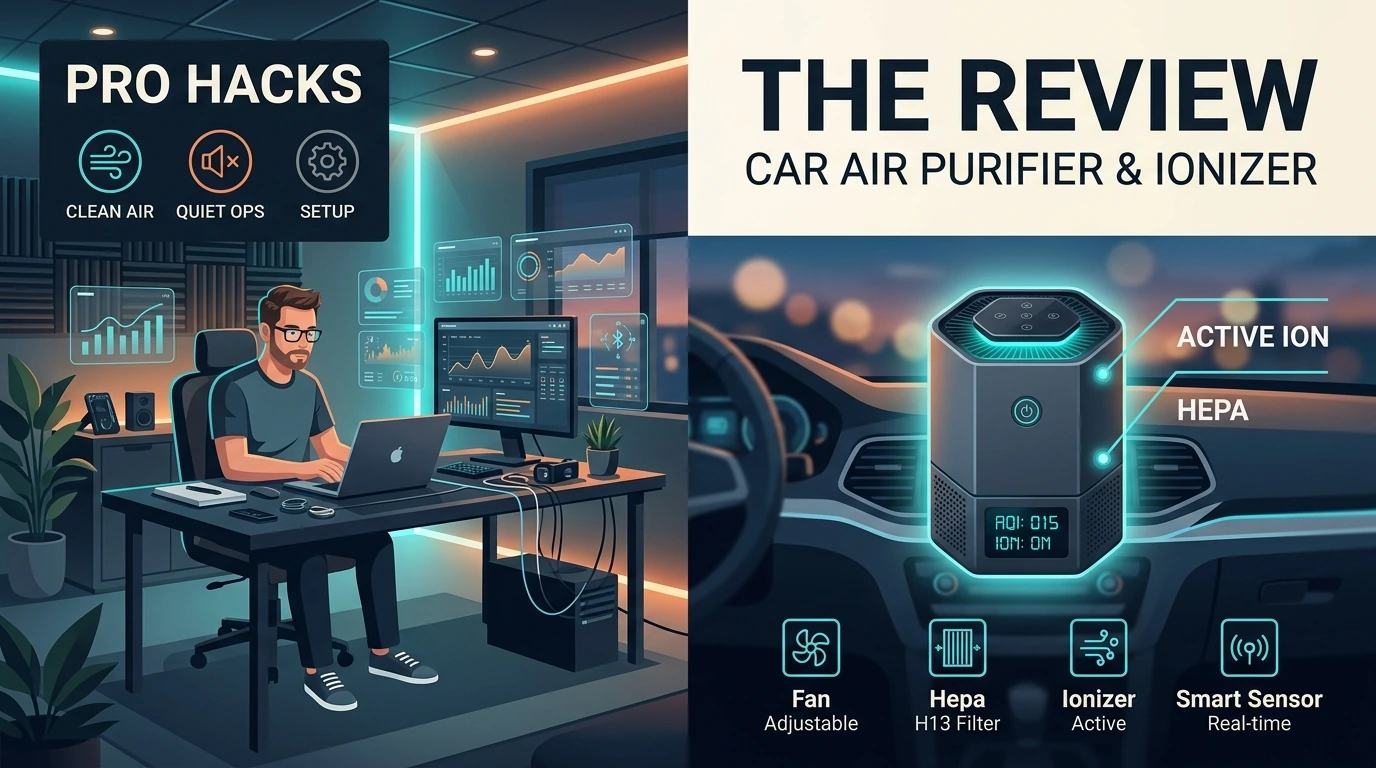
Quick Assessment: Clearing Your Cabin Air
Car air purifiers, particularly those equipped with multi-stage filtration systems, are designed to significantly improve cabin air quality by physically trapping particulate matter. Ionizers, on the other hand, utilize electrical charges to cause airborne particles to clump together and fall out of the air. When targeting smoke and dust, devices combining these technologies or offering robust filtration are generally considered effective for reducing common airborne irritants and odors, contributing to a noticeably cleaner interior atmosphere.
The Core Technologies: Filtration and Ionization
Understanding how these devices work is key to appreciating their potential. Most effective car air purifiers integrate a combination of filtration methods:
- HEPA Filters: High-Efficiency Particulate Air (HEPA) filters are widely recognized for their ability to capture at least 99.97% of airborne particles 0.3 microns in size. This includes many types of dust, pollen, mold spores, and even some bacteria and viruses. Smoke particles, which typically range from 0.01 to 4 microns, fall within the capture range of HEPA filters.
- Activated Carbon Filters: These filters excel at adsorbing gases and odors. They are highly effective against volatile organic compounds (VOCs), exhaust fumes, pet odors, and smoke smells, which are often a significant concern for drivers.
- Pre-Filters: Often the first line of defense, pre-filters capture larger particles like hair, lint, and coarse dust, extending the life of the more delicate HEPA filter.
Ionizers, distinct from traditional filters, work by emitting negatively charged ions into the air. These ions attach to positively charged airborne particles, such as dust, smoke, and pollen. As these particles gain charge, they become heavier and tend to fall out of the air or stick to surfaces, making them easier to clean or preventing them from being inhaled. Some advanced units may also incorporate UV-C light for germicidal properties, though its effectiveness in a small, moving car cabin is often debated.
Performance in the Real World: Tackling Smoke, Dust, and Odors
In practical scenarios, car air purifiers equipped with HEPA and activated carbon filters demonstrate considerable efficacy against common cabin pollutants. Drivers frequently report a noticeable reduction in fine dust accumulation on interior surfaces and a significant improvement in the smell of the cabin, particularly after exposure to cigarette smoke or heavy urban pollution. The Clean Air Delivery Rate (CADR), while more commonly cited for home units, is a useful metric to consider; for car units, manufacturers often provide figures related to air changes per hour (ACH) for a typical car volume, indicating how quickly the air is processed.
For smoke, specifically, the combination of HEPA filtration for particulate matter and activated carbon for gaseous compounds and odors is crucial. Without the carbon filter, a purifier might remove the visible smoke particles but leave behind the lingering smell. Ionizers contribute by making these tiny particles easier to remove, either by filtration or by settling them out of the air.
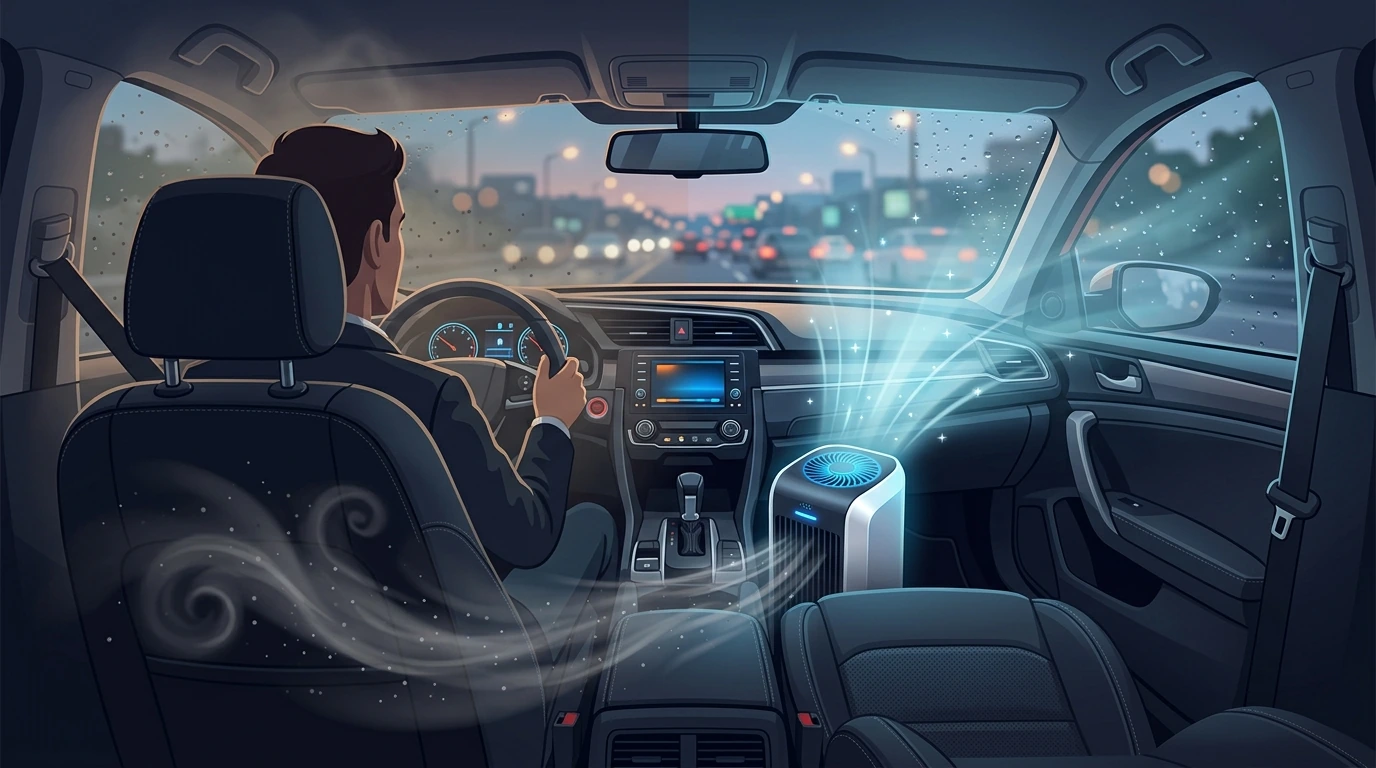
Pro Tip: Understanding Ozone
Some ionizers can produce ozone as a byproduct. While ozone can neutralize odors, high concentrations are respiratory irritants. Always check manufacturer specifications for ozone output, ensuring it meets safety standards (e.g., California Air Resources Board – CARB certified) or opt for units that specifically state ‘ozone-free’ ionization or rely solely on filtration.
Benefits and Practical Considerations for Vehicle Owners
The primary benefit of these devices is a healthier and more pleasant cabin environment. For individuals with allergies, asthma, or those sensitive to airborne contaminants, a good car air purifier can provide significant relief. They are particularly valuable for:
- Commuters in polluted areas: Reducing exposure to exhaust fumes and industrial pollutants.
- Smokers (or those who transport them): Effectively mitigating the smell and residue of cigarette smoke.
- Pet owners: Helping to control pet dander and odors.
- Drivers in dusty climates: Keeping interior surfaces cleaner and air clearer.
However, practical considerations include the need for regular filter replacement, which is an ongoing cost and maintenance task. The effectiveness of ionizers can also vary, and their "cleaning" action often results in particles settling onto surfaces rather than being permanently removed from the cabin, necessitating regular interior cleaning.
Making the Right Choice: Who Benefits Most?
For drivers consistently exposed to smoke or high levels of dust, a car air purifier with a multi-stage HEPA and activated carbon filter system is generally the most robust choice. These units offer tangible, measurable improvements in air quality by physically removing contaminants. Ionizers can complement these systems or serve as a more compact, filter-less alternative for light odor control and particle reduction, provided they are certified ozone-safe.
Ultimately, if your goal is to definitively tackle smoke particles, fine dust, and associated odors, prioritize units that clearly specify HEPA filtration (at least H11 or H13 grade) and activated carbon. These technologies, backed by established scientific principles, offer the most comprehensive approach to purifying your vehicle’s air.


Comments
Post a Comment