
Few experiences are as frustrating for a rider as turning the key and hearing nothing but a click, or worse, silence. A dead motorcycle battery can instantly transform a planned adventure into an unexpected roadside wait. Knowing how to identify the early warning signs of a failing battery can save significant hassle and ensure your ride remains reliable.
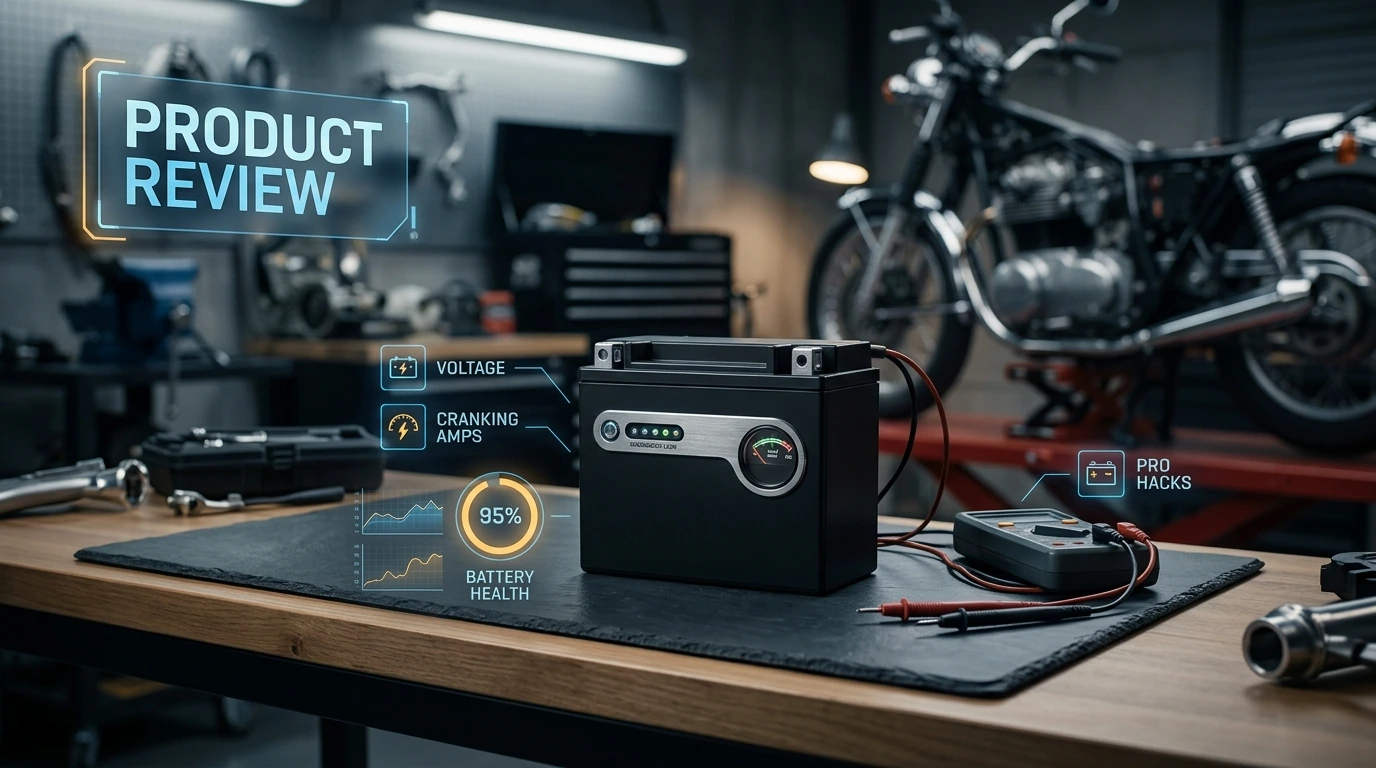
Quick Verdict
Proactive battery health monitoring is indispensable for any motorcycle owner. Early detection of a dying battery, through a combination of observable symptoms and simple voltage checks, can prevent inconvenient breakdowns and ensure consistent starting reliability. Understanding the typical lifespan and maintenance needs of various battery types is key to informed replacement decisions, often saving more in the long run than waiting for a complete failure.
Key Takeaways
- Slow or weak cranking is the most common and critical indicator of a weakening battery.
- A static voltage reading below 12.4V typically indicates a battery requiring a charge or nearing end-of-life.
- Regular visual inspections for corrosion, swelling, or leaks can reveal underlying issues.
- Proactive battery replacement, usually every 3-5 years, is a cost-effective strategy to avoid unexpected stranding.
The Powerhouse Under the Tank: Battery Types and Their Typical Lifecycles
Motorcycle batteries, while seemingly simple, come in several forms, each with distinct characteristics and lifespans. Traditional lead-acid batteries, often requiring maintenance like topping off electrolyte levels, generally last between two and four years. Absorbed Glass Mat (AGM) and Gel batteries are sealed, maintenance-free variants that typically offer a slightly longer service life, often ranging from three to five years, due to their robust construction and resistance to vibration.
Lithium Iron Phosphate (LiFePO4) batteries represent a more modern, lightweight, and powerful alternative, frequently boasting lifespans of five years or more under ideal conditions. However, regardless of type, factors such as extreme temperatures, infrequent use, and consistent deep discharging can significantly reduce a battery's longevity. Manufacturers generally recommend replacement after three to five years for most battery types as a preventative measure, even if no obvious symptoms are present.
Whispers of Weakness: Recognizing Early Symptoms
Before a battery completely fails, it often provides several subtle cues that its health is deteriorating. Paying attention to these signs can provide ample warning to address the issue before it becomes critical.
- Slow Cranking: The most common indicator. If your engine turns over sluggishly, or takes longer than usual to start, the battery is likely struggling to deliver sufficient current.
- Dim Lights or Weak Horn: When the engine is off, activate your headlights or horn. If they appear noticeably dimmer or weaker than usual, it suggests low battery voltage.
- Intermittent Electronics: Modern motorcycles rely heavily on electrical systems. Flickering dashboard lights, an inconsistent fuel pump prime, or strange behavior from accessories can point to an unstable power supply.
- Check Engine or Battery Warning Light: Some motorcycles feature a dedicated battery warning light on the dashboard, or a general check engine light might illuminate due to low system voltage.
- Physical Deterioration: Visually inspect the battery. Look for a swollen or bulging case, which indicates internal damage. White or blue-green powdery corrosion on the terminals is another sign of an issue, often related to acid leakage or poor connections.

Beyond the Symptoms: Confirming Health with a Multimeter
While symptoms offer strong hints, using a multimeter provides concrete data on your battery's actual state of charge and health. This simple tool is invaluable for accurate diagnosis.
- Static Voltage Test (Engine Off): With the motorcycle completely off for at least an hour (to allow surface charge to dissipate), connect a multimeter to the battery terminals. A healthy, fully charged 12V battery should read 12.6 volts or higher. Readings between 12.4V and 12.6V suggest a need for charging, while anything below 12.0V indicates a significantly discharged or potentially failing battery.
- Cranking Voltage Test (Optional, with caution): While harder to perform safely without assistance, monitoring voltage during engine start can reveal a battery's ability to hold a load. The voltage should not drop below 9.5-10.0V during cranking. A significant dip indicates a weak battery.
- Charging System Test (Engine Running): Start the motorcycle and let it idle. Place the multimeter probes on the battery terminals. The voltage should rise to between 13.5V and 14.5V. This indicates that the alternator/stator and rectifier/regulator are functioning correctly and charging the battery. If the voltage doesn't rise, or rises excessively, there's an issue with your motorcycle's charging system, not just the battery.
PRO TIP: A trickle charger or battery tender can significantly extend the life of your motorcycle battery, especially during periods of storage or infrequent use. Ensure it's compatible with your battery type (e.g., specific chargers for LiFePO4 batteries).
Investing in Reliability: Why Proactive Battery Care Pays Off
The decision to proactively replace a motorcycle battery, rather than waiting for it to fail, is a smart investment in reliability and peace of mind. While a new battery incurs an upfront cost, it pales in comparison to the expense and inconvenience of being stranded, potentially needing a tow, or even damaging your motorcycle's electrical system due to an unstable power supply.
This approach is particularly beneficial for daily commuters who cannot afford unexpected delays, and for touring enthusiasts where a breakdown far from home can be a major ordeal. By following a routine of visual checks and periodic multimeter tests, ideally every six months or before long trips, you gain an accurate picture of your battery's health. Replacing a battery every three to four years, even if it still seems functional, often prevents the stress of an unexpected failure and ensures your motorcycle is always ready for the road.
Frequently Asked Questions
How long do motorcycle batteries typically last?
Most motorcycle batteries, depending on type and usage, last between 2 to 5 years. Lithium Iron Phosphate (LiFePO4) batteries can sometimes exceed this, reaching 5-7 years under optimal conditions.
Can extreme cold or heat affect battery life?
Yes, both extreme cold and heat can significantly impact battery performance and lifespan. Cold temperatures reduce a battery's ability to deliver current, while high temperatures can accelerate internal chemical reactions, leading to faster degradation.
Is it possible to "jump-start" a motorcycle battery?
While technically possible, jump-starting a motorcycle from a car battery carries risks due to potential voltage differences and current surges. It's generally safer to use a dedicated motorcycle jump starter or a known good motorcycle battery. Always consult your owner's manual for specific recommendations.
What voltage indicates a fully charged battery?
A healthy, fully charged 12-volt motorcycle battery should read approximately 12.6 volts or higher after resting for at least an hour with the engine off.


Comments
Post a Comment