
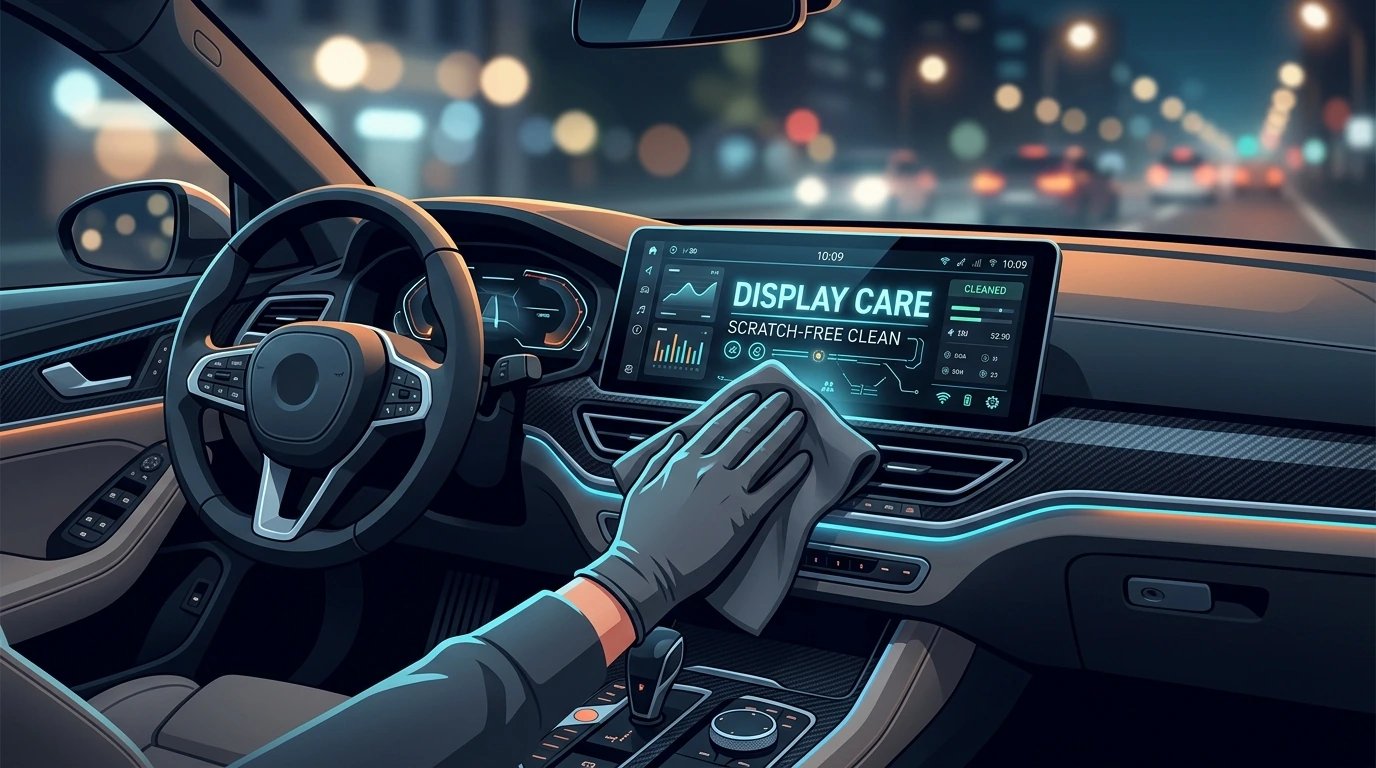
Maintaining the clarity and responsiveness of your car's infotainment touchscreen is crucial for both aesthetics and functionality. Yet, many drivers hesitate, fearing accidental scratches or damage to delicate anti-glare coatings. The good news is that with the right approach and appropriate tools, achieving a pristine, streak-free display is entirely achievable without compromise.
The Delicate Nature of Automotive Displays
Unlike a smartphone or tablet, a car's touchscreen often operates in a more demanding environment, exposed to fluctuating temperatures, UV light, and various contaminants. Modern automotive displays frequently feature specialized coatings, such as oleophobic (oil-repelling) layers to resist fingerprints and anti-glare treatments to improve visibility. These coatings, while highly functional, are also quite delicate. Using abrasive materials or harsh chemicals can strip these layers, leading to permanent damage, reduced clarity, and a compromised user experience.
Understanding the underlying materials – typically glass or a high-quality polymer – is key. While glass offers superior scratch resistance to the base material, its coatings do not. Manufacturers often specify cleaning procedures to preserve these intricate surfaces, emphasizing gentle methods to avoid micro-scratches that accumulate over time, dulling the screen's appearance.
The Arsenal for a Spotless Screen: Tools and Solutions
Achieving a truly clean, scratch-free car touchscreen relies entirely on using the correct, purpose-designed tools and solutions. Generic household cleaners or paper towels are often too harsh or abrasive for these sensitive surfaces.
Essential Cleaning Tools:
- High-Quality Microfiber Cloths: These are paramount. Opt for cloths designed specifically for electronics or optics, characterized by a tight weave and edgeless or silk-bound edges to prevent scratching. A typical GSM (grams per square meter) of 300-400 indicates good density and absorbency without excessive bulk.
- Dedicated Screen Cleaning Solution: Look for alcohol-free, ammonia-free, and solvent-free formulas. Many reputable brands offer solutions specifically formulated for touchscreens, often containing deionized water and mild surfactants that lift dirt without leaving residues or damaging coatings.
- Compressed Air (Optional): For dislodging loose dust and debris before wiping, a can of compressed air can be useful, but always use it with caution and hold it upright to prevent propellant discharge.
PRO TIP: Avoid Harsh Chemicals!
Never use window cleaner, all-purpose household cleaners, abrasive sponges, or paper towels on your car's touchscreen. These products contain chemicals like ammonia or alcohol that can degrade anti-glare and oleophobic coatings, and their material can cause irreversible micro-scratches.
Executing the Perfect Clean: A Practical Approach
A systematic, gentle approach is critical to cleaning your car's touchscreen effectively and safely. Rushing the process or using incorrect techniques can lead to streaks, smudges, or even damage.
Follow these steps for optimal results:
- Power Down: If possible, turn off your car's infotainment system. A dark screen makes dust and smudges more visible, ensuring a more thorough clean.
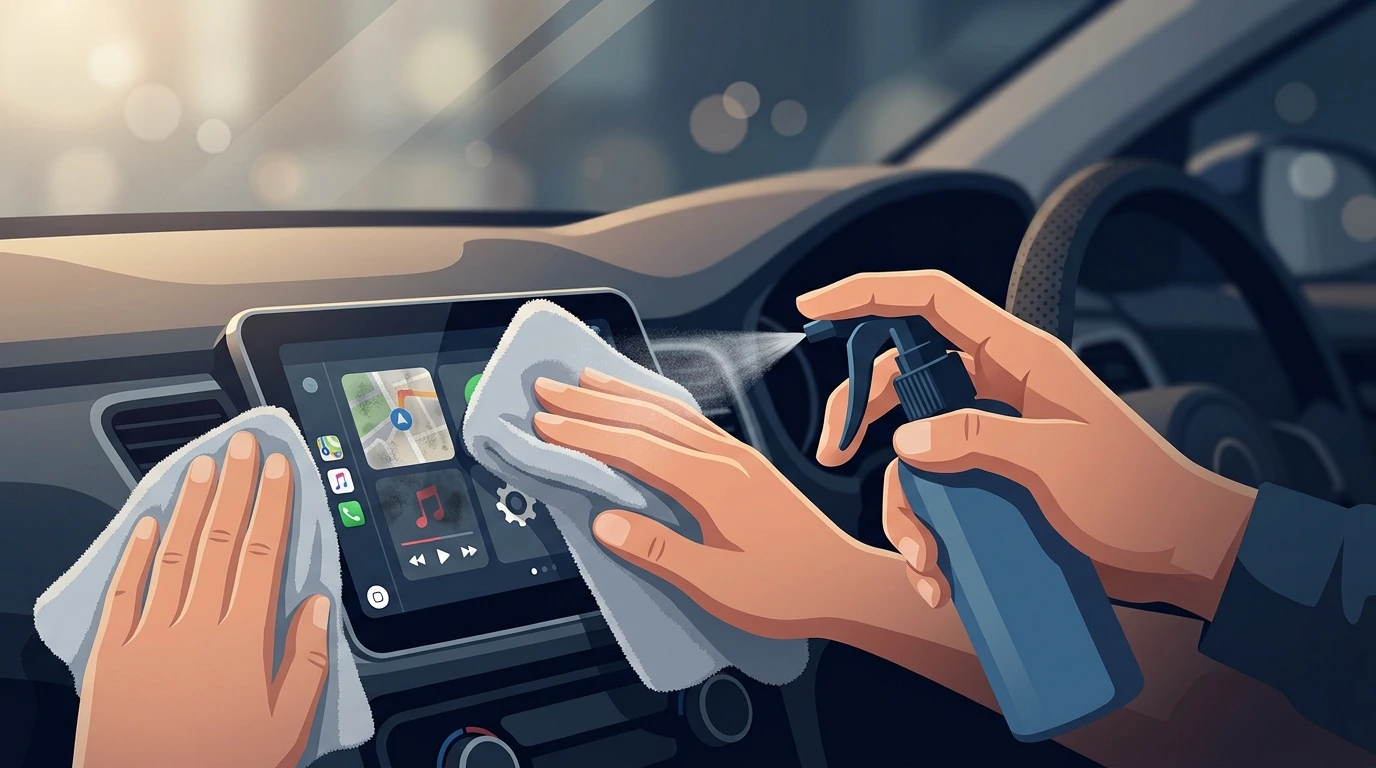
- Remove Loose Debris: Gently wipe the screen with a dry, clean microfiber cloth to remove any loose dust or particles. Do not press hard. Alternatively, use a can of compressed air from a safe distance, ensuring no liquid propellant touches the screen.
- Apply Solution to Cloth, Not Screen: Lightly mist your dedicated screen cleaning solution onto a *clean microfiber cloth*, not directly onto the screen. A couple of sprays are usually sufficient. This prevents liquid from seeping into gaps around the screen, which could cause electrical damage.
- Gentle Wiping Technique: Using the damp microfiber cloth, gently wipe the screen in small, overlapping circular motions. Apply minimal pressure. For stubborn smudges, a slightly firmer but still gentle touch may be necessary.
- Buff Dry: Use a separate, clean, and dry section of the microfiber cloth (or a second clean microfiber cloth) to buff the screen dry. This step helps eliminate any streaks or residues, leaving a crystal-clear finish.
Benefits of Meticulous Cleaning & Pitfalls to Avoid
Adopting a diligent cleaning routine for your car's touchscreen offers several advantages while sidestepping common issues.
Advantages of Proper Care:
- Extended Lifespan: Regular, gentle cleaning protects the screen's coatings, preventing premature wear and tear.
- Optimal Visibility: A clear screen ensures navigation, media, and vehicle information are always legible, enhancing safety and convenience.
- Maintained Resale Value: A well-maintained interior, including a pristine touchscreen, contributes positively to your vehicle's overall condition and potential resale value.
- Improved User Experience: A clean screen is more responsive to touch, making interactions smoother and more enjoyable.
Common Pitfalls to Avoid:
- Using the Wrong Cloth: Paper towels, napkins, or rough cloths can leave micro-scratches.
- Spraying Directly on Screen: Risk of liquid ingress and electrical damage.
- Using Harsh Chemicals: Damages anti-glare and oleophobic coatings.
- Excessive Pressure: Can damage the screen or its underlying components.
- Ignoring Dirt: Allowing grime to accumulate makes it harder to clean and increases the risk of scratching during removal.
The Enduring Appeal of the Honda Vario 125: A 2026 Buyer's Guide for Urban Commuters →
Is This Level of Care Right for You?
For any car owner who values the longevity and functionality of their vehicle's interior, adopting a meticulous touchscreen cleaning routine is a worthwhile investment. This isn't just about aesthetics; it's about preserving a critical interface that you interact with every time you drive. If you frequently use your infotainment system, rely on its navigation, or simply appreciate a clean, well-maintained cabin, then understanding and implementing these scratch-free cleaning methods is essential.
The cost of specialized cleaning solutions and high-quality microfiber cloths is minimal compared to the potential expense of repairing or replacing a damaged touchscreen. By following this guide, you ensure your automotive display remains as clear and responsive as the day you drove it off the lot, providing a consistently premium user experience for years to come.


Comments
Post a Comment