
Is that damp spot on your car floor mat a minor inconvenience? It's a prime breeding ground for mold and mildew, and swift action is crucial to prevent lasting damage and unpleasant odors.
Leaving car floor mats wet, even for a short period, invites a cascade of problems beyond just a musty smell. The enclosed environment of a vehicle, especially one that experiences temperature fluctuations, creates an ideal habitat for fungi to thrive. Addressing moisture quickly protects not only your car's interior but also the air quality within it.
Understanding the Silent Threat: Why Damp Mats Matter
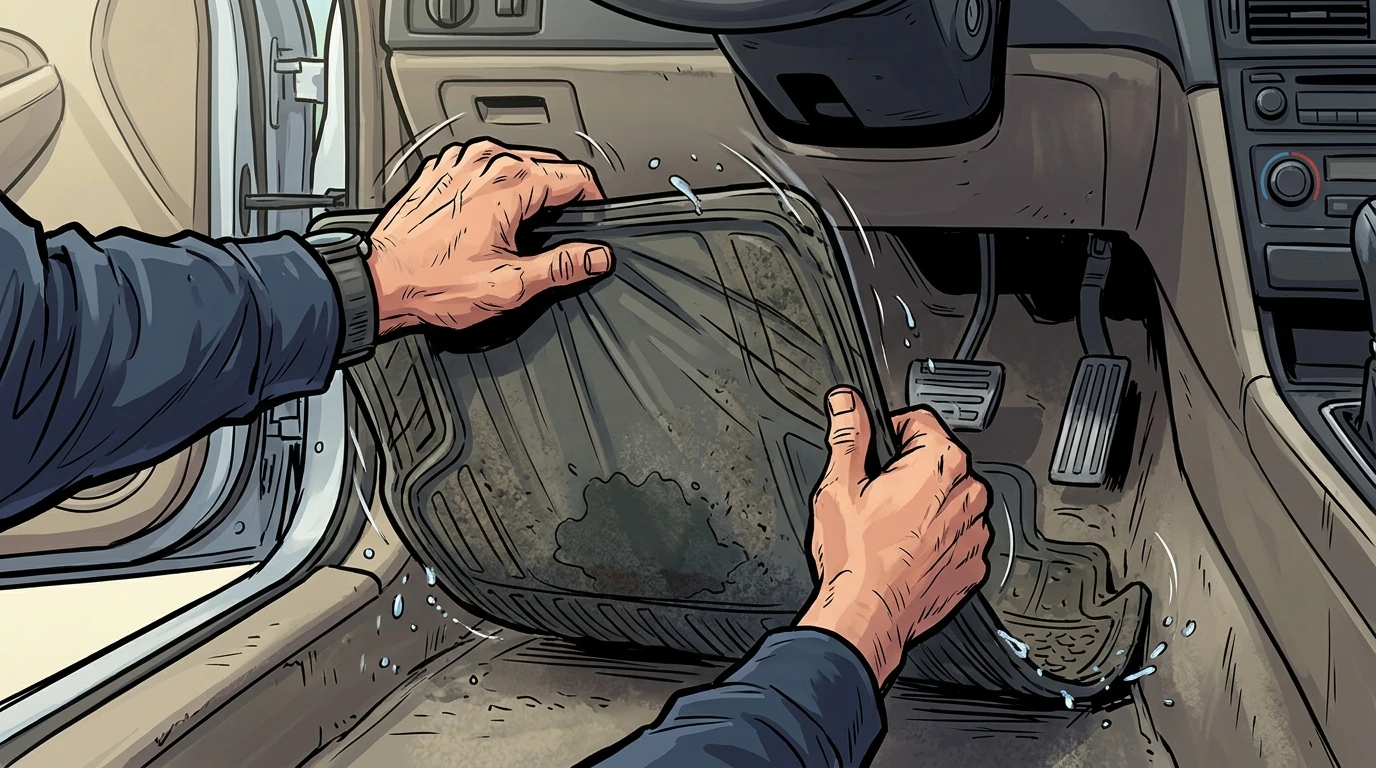
Moisture trapped in car floor mats poses several significant risks. The primary concern is the rapid proliferation of mold and mildew. These fungi can begin to grow within 24 to 48 hours in damp conditions, feeding on organic materials found in the mat fibers. Once established, mold releases spores that can circulate throughout the vehicle's cabin, potentially leading to respiratory issues, allergic reactions, and persistent, unpleasant odors that are notoriously difficult to remove.
Beyond health concerns, prolonged dampness can also degrade the mat material itself, shortening its lifespan. For carpeting underneath, the risk of permanent staining and structural damage increases significantly, potentially affecting the vehicle's resale value and requiring costly professional remediation.
Immediate Action: Removing and Prepping Your Mats
The moment you notice wet car floor mats, immediate removal from the vehicle is paramount. Do not attempt to dry them in place, as this traps moisture against the vehicle's carpet and chassis, escalating the problem.
- Extract Thoroughly: Pull all wet mats out of the car. If they are heavily saturated, consider placing them in a plastic bag for transport to avoid dripping water inside the vehicle or home.
- Shake and Squeeze: For rubber or all-weather mats, vigorously shake off as much standing water as possible. For carpeted mats, press down firmly or even walk on them barefoot on a clean, hard surface to force out excess moisture.
- Initial Absorption: Use clean, dry microfiber towels or old bath towels to blot the mats. Press the towels firmly into the fabric to absorb as much residual water as possible. Repeat with fresh, dry towels until no more significant moisture transfers.
Accelerated Drying Methods for Every Situation
Once the initial absorption is complete, various methods can be employed to thoroughly dry your mats.
Natural Air Drying with a Boost
For optimal results, combining natural elements with simple tools is highly effective:
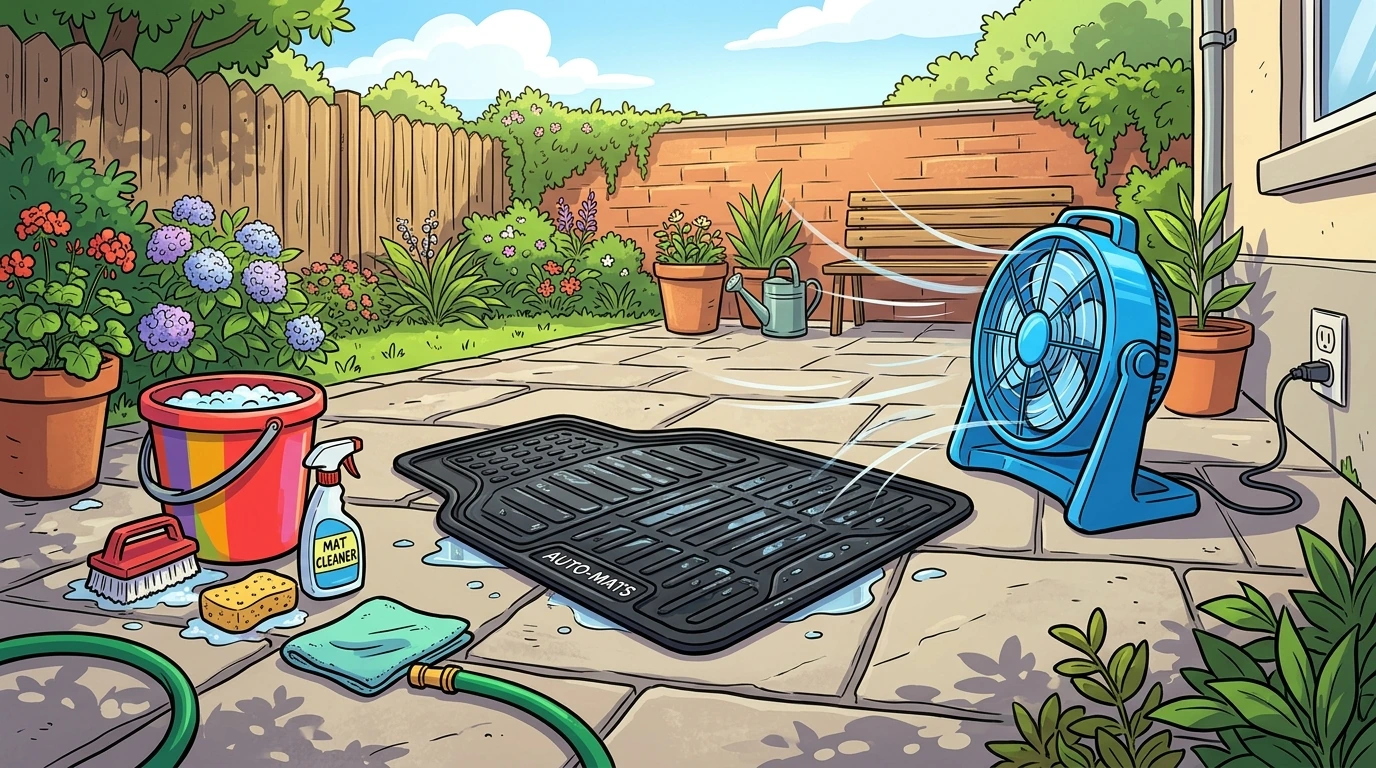
- Sunlight and Airflow: Lay the mats flat or hang them over a clothesline in a sunny, well-ventilated area. Direct sunlight provides both warmth for evaporation and natural UV radiation, which can help inhibit mold growth. Ensure air can circulate around both sides of the mat.
- Elevated Drying: If hanging isn't an option, prop the mats up against a wall or over chairs to allow air to flow underneath them. This prevents moisture from being trapped against the ground.
Assisted Drying for Quicker Results
When time is critical or natural conditions are unfavorable, mechanical assistance can significantly speed up the process:
- Fan Power: Place a strong box fan or floor fan directly facing the mats. Position the mats to maximize airflow over their surface. For carpeted mats, aim the fan to blow across the nap to help lift fibers and expose more surface area.
- Dehumidifier Use: In a garage or enclosed space, a dehumidifier can draw moisture out of the air, creating a drier environment that accelerates evaporation from the mats. This is particularly useful in humid climates or during rainy seasons.
- Heated Garage/Room: If you have access to a heated garage or a room with good ventilation, placing the mats there can help. The warmer air holds more moisture, speeding up the drying process.
PRO CALLOUT NOTE:
Avoid using direct, high heat sources like heat guns, hair dryers, or placing mats directly on radiators. Excessive heat can damage the mat's rubber backing, melt synthetic fibers, or cause the mat to warp and shrink, compromising its fit and durability.
Proactive Measures Against Future Dampness
Preventing wet mats is always better than reacting to them. Regular checks and smart choices can keep your car's interior dry:
- All-Weather Mats: Invest in high-quality, all-weather rubber or thermoplastic mats. These are designed to contain spills and moisture, preventing it from reaching the underlying carpet. They are also much easier to clean and dry.
- Check for Leaks: Periodically inspect your vehicle's door seals, window seals, and sunroof drains for any signs of wear or blockage that could allow water to seep into the cabin.
- Proper Window Sealing: Ensure windows are fully closed during rain or car washes. Even a small gap can let in a surprising amount of water.
- Boot and Trunk Seals: Water can sometimes enter the cabin from the rear if the boot or trunk seals are compromised. Check for dampness in the boot area as an indicator.
Maintaining a dry car interior is fundamental to its longevity and your comfort. By acting quickly and employing effective drying strategies, you can prevent minor dampness from escalating into a persistent mold problem, keeping your vehicle smelling fresh and looking its best for years to come.


Comments
Post a Comment