
Unexpected downpours are a reality for any rider, and arriving at your destination with a soaked seat – and subsequently, soaked pants – is an experience no one relishes. This common frustration has driven significant innovation in the realm of motorcycle accessories, particularly with the development of advanced waterproof seat covers.
These covers are more than just a temporary solution; they represent a crucial piece of gear for riders navigating unpredictable climates or simply seeking to protect their motorcycle's upholstery from the elements when parked. Understanding their construction, performance, and practical benefits is key to making an informed choice for your riding needs.
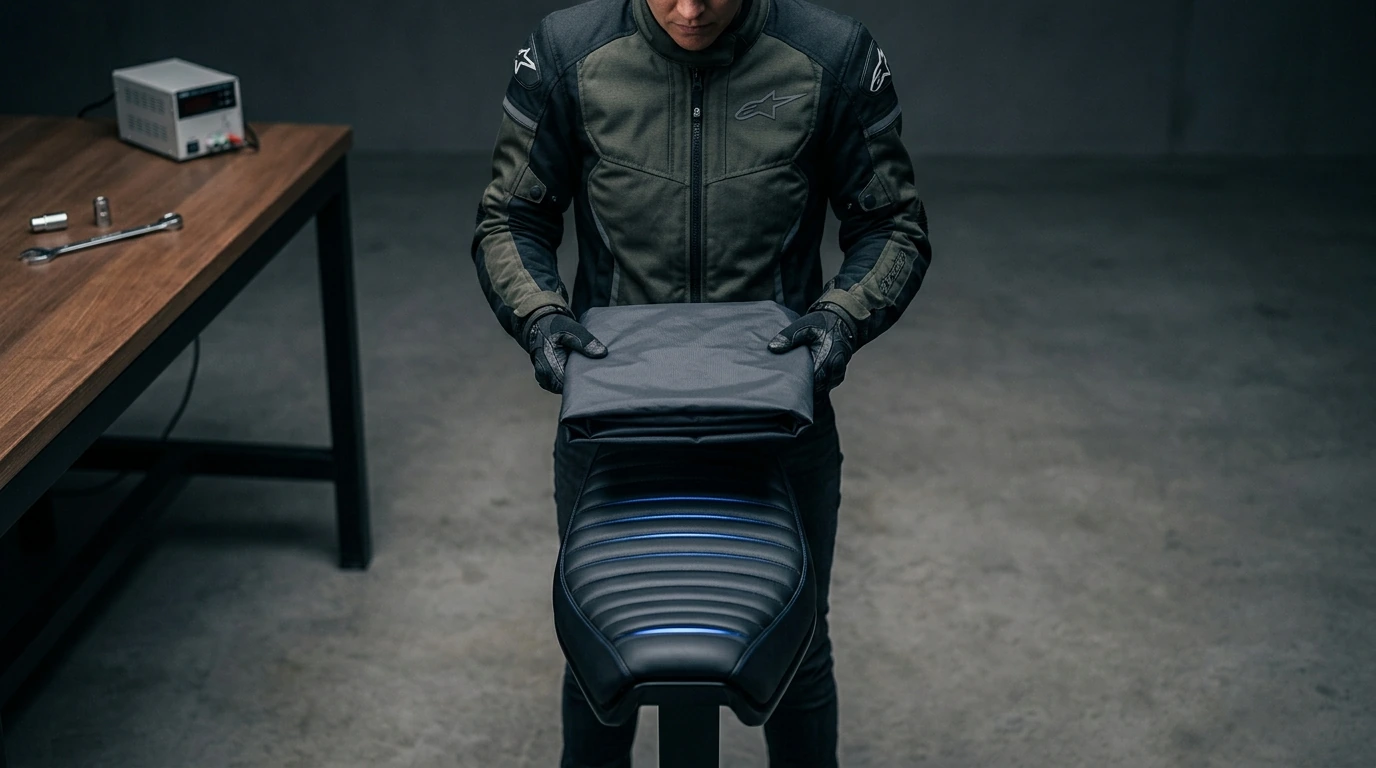
Quick Verdict: Essential Protection for All Riders
Waterproof motorcycle seat covers offer an indispensable layer of protection for any motorcycle, ensuring the seat remains dry and extends its lifespan. Based on official specifications and widely reported user consensus, these covers excel in their primary function of moisture repulsion, leveraging materials like PVC, coated nylon, and specialized polyester. Their design often incorporates robust fastening systems for secure attachment and portability, making them a practical investment for daily commuters, tourers, and even those who simply park their bikes outdoors. While simple in concept, their effectiveness in preventing water ingress and mitigating the risk of mildew or upholstery damage is consistently high, delivering peace of mind regardless of weather forecasts.
Engineering Dryness: Materials and Construction
The effectiveness of a waterproof seat cover hinges entirely on its material composition and the quality of its construction. Manufacturers typically employ a range of synthetic fabrics known for their water-repellent properties and durability.
Common materials include:
- PVC (Polyvinyl Chloride): Known for its complete impermeability and excellent resistance to wear and tear. It tends to be thicker and less flexible.
- Polyester with PU (Polyurethane) Coating: Offers a good balance of waterproofing, flexibility, and resistance to UV degradation. The PU coating creates a barrier against water while the polyester provides structural integrity.
- Nylon with PU Coating: Similar to coated polyester but often lighter and highly resistant to abrasion. It's a popular choice for covers that need to be easily packed away.
- Neoprene: While primarily insulating, high-quality neoprene covers can offer significant water resistance and a snug fit, often used for sportier applications where some breathability might be desired despite its water-resistant nature.
Beyond the primary fabric, attention to seam sealing is critical. Heat-sealed or taped seams prevent water from seeping through stitching lines, which can be a common failure point in lesser-quality covers. Fastening mechanisms, such as elasticized edges, adjustable straps, or buckle systems, are designed to provide a snug fit, preventing the cover from flapping at speed or being easily dislodged by wind.
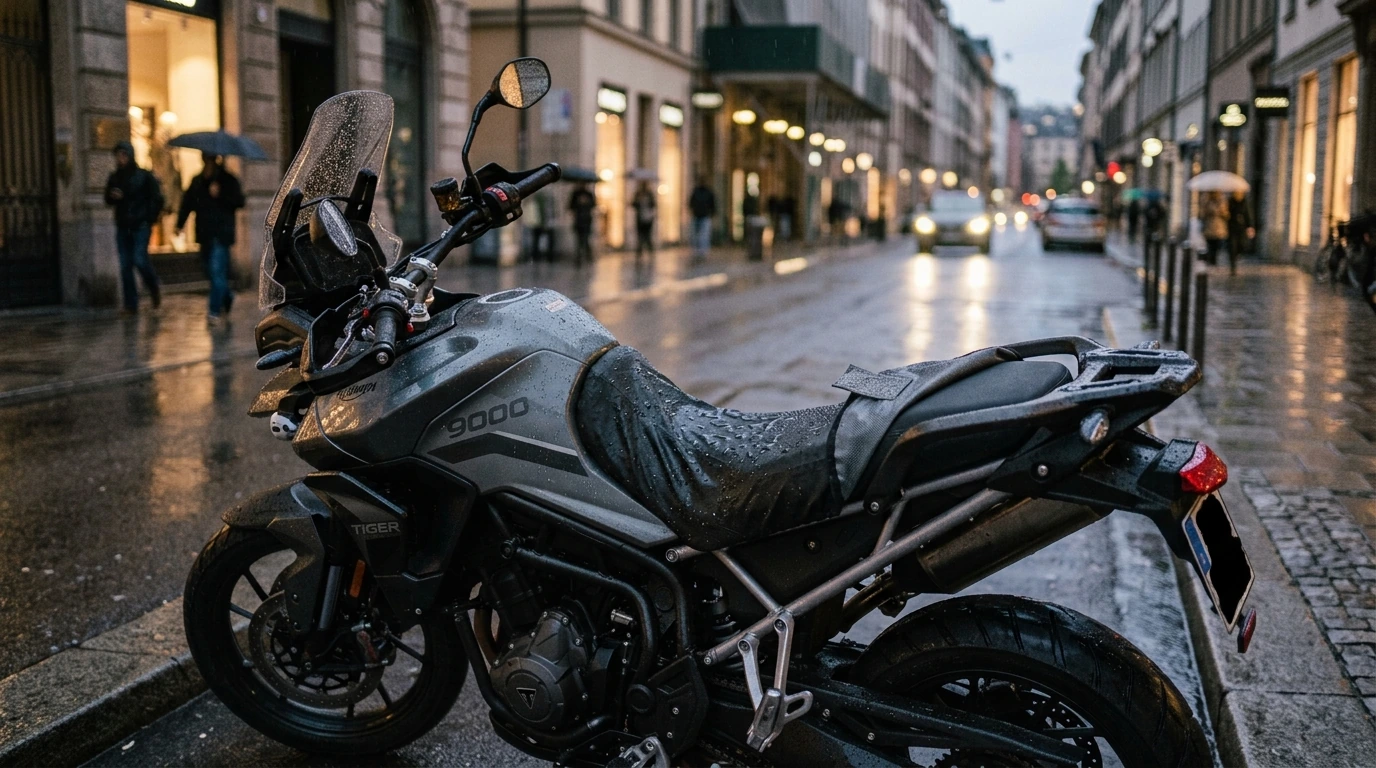
Real-World Performance and Usability Considerations
In practical application, a well-designed waterproof seat cover offers immediate benefits. Riders commonly report that even during heavy downpours, the seat beneath the cover remains completely dry. This translates directly to a dry posterior for the rider, enhancing comfort and preventing the discomfort of wet clothing. Beyond immediate rain protection, these covers also serve as an effective barrier against morning dew, dust, bird droppings, and UV radiation when the motorcycle is parked, helping to preserve the original seat's material and color over time.
Ease of use is another frequently cited advantage. Most covers are designed for quick installation and removal, often taking less than a minute. Their compact nature means they can typically be folded or rolled up and stored in a tank bag, saddlebag, or under the seat itself, ready for deployment at a moment's notice. While the primary function is protection, some covers incorporate anti-slip textures on their surface, which can maintain or even improve rider grip, an important consideration for dynamic riding.
However, practical constraints exist. A very snug fit, while ideal for waterproofing, can sometimes make installation slightly more challenging. Conversely, a loose-fitting cover, while easier to install, risks allowing water to pool or ingress from underneath. The choice often involves balancing these factors with the specific design of your motorcycle's seat. Furthermore, while highly durable, prolonged exposure to harsh UV rays can eventually degrade even the best materials, necessitating periodic inspection and replacement.
Comparative Material Attributes
Choosing the right material for a waterproof seat cover depends on a rider's priorities regarding durability, flexibility, and cost.
| Material Type | Waterproofing Level | Durability | Flexibility/Portability | Typical Cost Range |
|---|---|---|---|---|
| PVC | Excellent (100% impermeable) | Very High | Low (Stiffer) | Low to Mid |
| Polyester (PU Coated) | Very Good | High | Mid to High | Mid |
| Nylon (PU Coated) | Very Good | High (Abrasion Resistant) | High (Lightweight) | Mid to High |
| Neoprene | Good (Water Resistant) | Mid | Mid | Mid to High |
Pros and Cons: A Balanced View
Advantages of a Quality Seat Cover:
- Superior Water Repellency: Keeps the seat and rider dry in all weather conditions.
- Seat Protection: Shields original upholstery from rain, UV, dust, and grime, extending its life.
- Portability: Many designs are lightweight and compact, easy to store when not in use.
- Easy Maintenance: Simple to wipe clean and dry.
- Enhanced Comfort: Prevents the discomfort of a cold, wet seat.
Considerations and Drawbacks:
- Potential for Imperfect Fit: Generic covers may not perfectly contour to all seat shapes, potentially allowing minor ingress.
- Aesthetics: Some riders may find covers detract from the motorcycle's overall look.
- Installation Time: While generally quick, some covers with complex fastening systems can take longer.
- Durability Limits: Even high-quality materials can degrade over years of intense sun exposure.
The Enduring Appeal of the Honda Vario 125: A 2026 Buyer's Guide for Urban Commuters →
Value Analysis: Who Benefits Most?
For any motorcyclist, a waterproof seat cover represents a high-value accessory given its relatively low cost compared to the significant benefits it provides. The value proposition is particularly strong for:
- Daily Commuters: Those who rely on their motorcycle for transport, regardless of weather.
- Touring Riders: Essential for multi-day trips where weather can be unpredictable.
- Outdoor Parkers: Protects the seat from environmental damage when the bike is stored outside.
- Riders Protecting Custom Seats: Preserves the investment in aftermarket or custom upholstery.
Ultimately, investing in a quality waterproof motorcycle seat cover is a definitive purchasing verdict for anyone seeking to enhance their riding comfort, protect their motorcycle's longevity, and maintain peace of mind against the elements. Its practical utility far outweighs its modest investment, making it an essential addition to any rider's gear.


Comments
Post a Comment