
Maneuvering your vehicle into a snug parking space can often feel like a high-stakes game of inches, especially when surrounded by other cars or unforgiving concrete pillars. The anxiety of an unexpected scrape or ding against your car's bumper is a common concern for drivers everywhere, impacting both vehicle aesthetics and resale value. Fortunately, a range of solutions exists, from physical barriers to advanced digital aids, designed to mitigate these risks and keep your bumpers looking pristine.
Key Takeaways
- Physical Barriers Offer Direct Defense: Bumper guards and paint protection films (PPF) provide a tangible layer against minor impacts and abrasions.
- Smart Parking Aids Enhance Awareness: Parking sensors and cameras offer crucial real-time feedback, reducing blind spots and improving distance judgment.
- Material Science Matters: The effectiveness of protective solutions often hinges on the durability and resilience of their construction materials.
- Aesthetic Considerations are Key: While protection is paramount, the visual integration and long-term appearance of any chosen solution should align with vehicle aesthetics.
Navigating Tight Spots: The Core Challenge
For many drivers, especially those frequently parking in urban environments or crowded garages, the primary concern is the inevitable minor scuff or scratch that can degrade a vehicle's appearance. The challenge isn't just about avoiding major collisions, but rather preventing the cumulative damage from incidental contact with other vehicles, shopping carts, or fixed obstacles. Solutions aim to either absorb impacts, create a sacrificial layer, or provide enhanced spatial awareness to the driver.
Physical Barriers: Bumper Guards and Protective Films
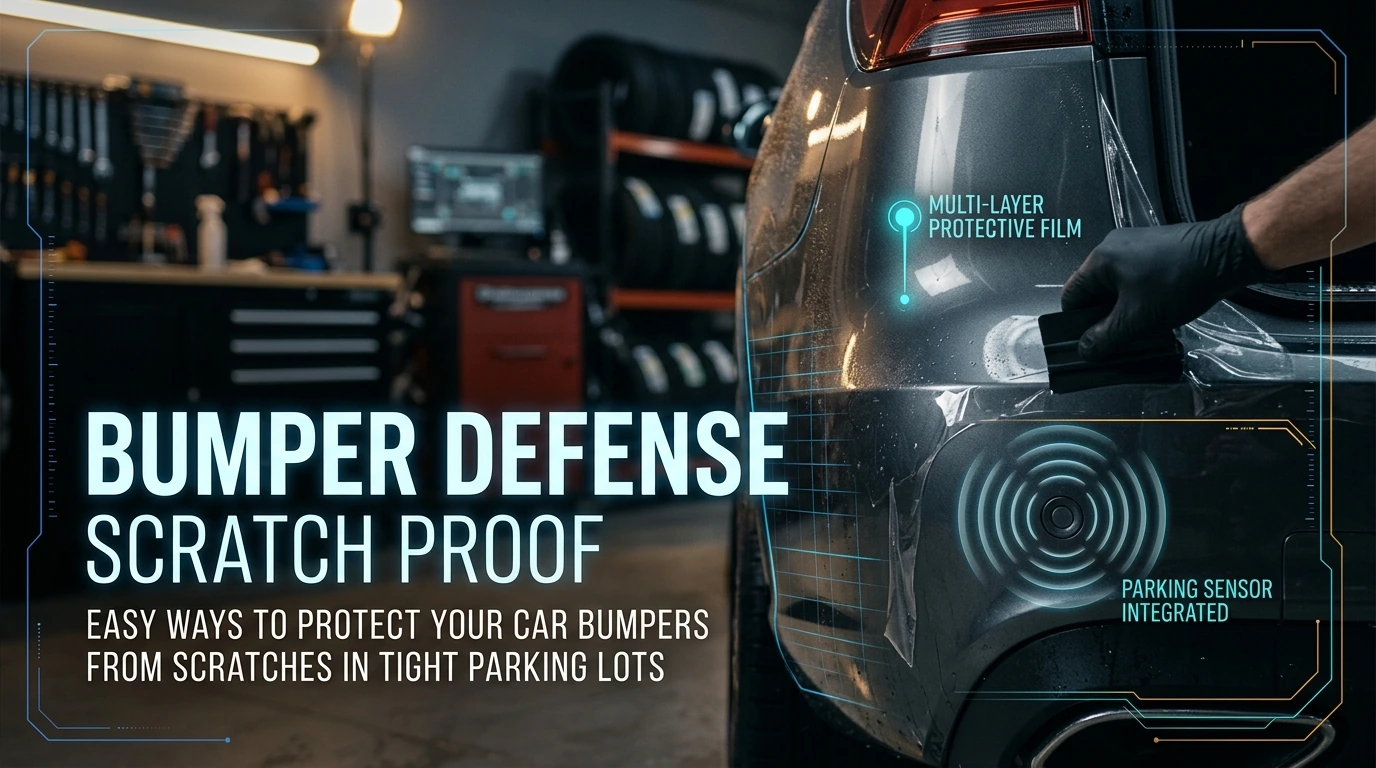
When it comes to direct physical protection, two categories stand out: external bumper guards and adhesive paint protection films. Bumper guards, often made from durable rubber or high-density foam, are designed to absorb low-speed impacts. They typically attach to the bumper's exterior, offering a visible shield. Manufacturers report varying levels of impact absorption, with some models claiming to reduce impact force by up to 70% in minor bumps, based on controlled tests.
Paint protection films (PPF), on the other hand, are transparent urethane films applied directly to the bumper's surface. These films are known for their self-healing properties, where minor scratches and swirl marks can disappear with exposure to heat. High-quality PPF products, like those using thermoplastic polyurethane (TPU), typically have a thickness ranging from 6 to 10 mils, providing robust resistance against stone chips, abrasions, and chemical stains, as widely documented in industry specifications.
Smart Sensors and Parking Aids: Your Digital Spotters
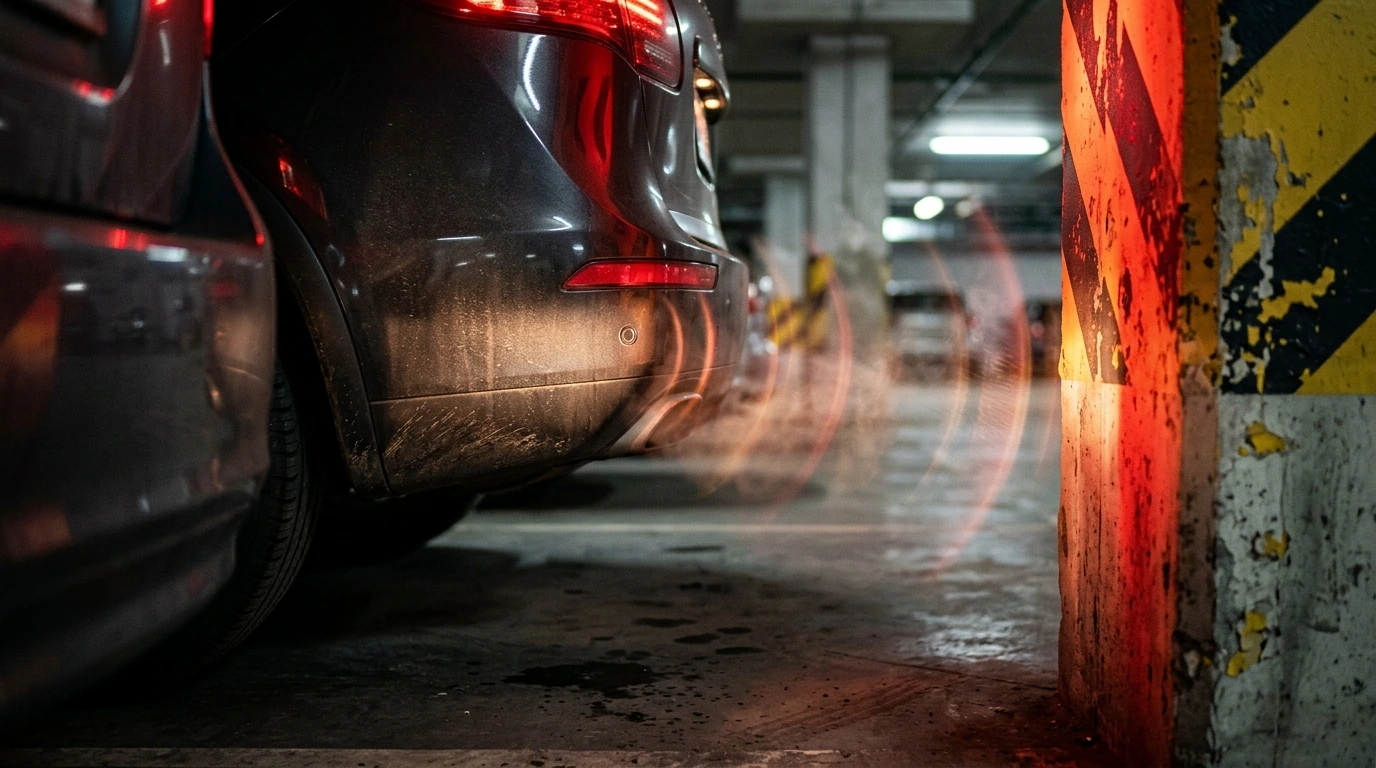
Beyond physical barriers, modern automotive technology offers significant assistance in tight parking scenarios. Parking assist systems, which include ultrasonic sensors and rearview cameras, are standard or optional features on many vehicles in 2026. Ultrasonic sensors, usually embedded in the front and rear bumpers, emit sound waves to detect obstacles and measure distances, providing audible warnings that increase in frequency as the vehicle approaches an object. The typical detection range for these sensors can be up to 6-8 feet, with accuracy improving significantly within the last 1-2 feet.
Rearview cameras, often supplemented by 360-degree bird's-eye view systems, offer a visual representation of the vehicle's surroundings. These systems are invaluable for identifying low-lying obstacles or tight clearances that might be invisible from the driver's seat. The combination of visual and auditory feedback from these systems significantly enhances a driver's confidence and precision when maneuvering in confined spaces, effectively expanding the driver's perception beyond the vehicle's physical dimensions.
Balancing Protection and Aesthetics: Trade-offs to Consider
Each method of bumper protection comes with its own set of advantages and disadvantages. Physical bumper guards offer robust, visible protection, often at an accessible price point, but can sometimes alter the vehicle's original aesthetic. Some drivers find their bulky appearance less appealing, and installation can vary from simple adhesive attachment to more involved mounting hardware.
Paint protection films provide nearly invisible protection and maintain the vehicle's factory look. Their self-healing properties are a significant draw, offering long-term scratch resistance. However, PPF typically represents a higher initial investment compared to bumper guards, and professional installation is often recommended to ensure a flawless application without bubbles or misalignment. The durability of PPF can extend for 5-10 years, depending on the product and environmental conditions, as commonly reported by installers.
Parking sensors and cameras offer preventative measures by alerting the driver before contact occurs. They integrate seamlessly with the vehicle's design and require no external additions to the bumper. The main limitation is their reliance on driver attention and interpretation of the feedback. While highly effective, they do not provide physical protection if an impact still occurs, serving more as a warning system than a physical barrier.
Strategic Bumper Defense: Choosing Your Best Approach
Deciding on the optimal bumper protection strategy depends heavily on individual driving habits, parking environments, and aesthetic preferences. For those who frequently navigate extremely tight urban parking or have a history of minor bumper scuffs, a physical bumper guard might offer the most straightforward and cost-effective peace of mind. They are particularly effective for absorbing the brunt of low-speed, direct impacts.
If maintaining the pristine finish of your vehicle is a top priority and you're willing to invest in a premium solution, paint protection film offers excellent, virtually invisible defense against everyday road hazards and minor abrasions. It's an investment in long-term aesthetic preservation. For drivers whose vehicles are not equipped with advanced parking aids, or those seeking an extra layer of awareness, aftermarket parking sensors or dash cams with parking modes can provide invaluable assistance, transforming spatial awareness in challenging spots.
Ultimately, a combination of approaches might be the most comprehensive. Utilizing your vehicle's integrated parking sensors and cameras, while supplementing with a targeted PPF application on vulnerable bumper areas, or even a discreet bumper guard for high-risk situations, can provide a multi-layered defense against the common perils of tight parking lots.
Before Buying the Toyota Raize, Is This Small Turbo Crossover Right for City Life? →
Frequently Asked Questions
Do aftermarket parking sensors work as well as factory-installed ones?
Aftermarket parking sensors can be highly effective, often utilizing similar ultrasonic technology as factory-installed units. Their performance largely depends on the quality of the product and professional installation, which ensures proper calibration and integration.
Can paint protection film really heal itself?
Yes, many modern paint protection films, particularly those made from thermoplastic polyurethane (TPU), feature a self-healing topcoat. Minor scratches and swirl marks can often disappear when exposed to heat, such as from the sun or warm water, causing the film to revert to its original smooth state.
Are bumper guards difficult to install?
Installation difficulty varies significantly among bumper guard types. Many adhere with strong automotive-grade tape and are designed for DIY application. Others might require drilling or more complex mounting, making professional installation advisable for optimal security and appearance.
Will bumper protection solutions affect my car's warranty?
Generally, non-invasive bumper protection solutions like adhesive bumper guards or professionally applied paint protection films do not void a vehicle's factory warranty. However, it's always prudent to consult your vehicle manufacturer's warranty terms or a certified dealer if you have concerns about specific modifications.


Comments
Post a Comment