
Observing your vehicle's unpainted plastic bumpers and trim turn a dull, chalky white is a common frustration for many car owners. This degradation, primarily caused by prolonged exposure to ultraviolet (UV) radiation from the sun and environmental elements, diminishes the vehicle's aesthetic appeal and can even lead to material brittleness over time.
Fortunately, with the right approach and products, you can significantly extend the life and vibrant appearance of these exterior components. Understanding the underlying causes and implementing a consistent protection strategy is key to maintaining that factory-fresh look.
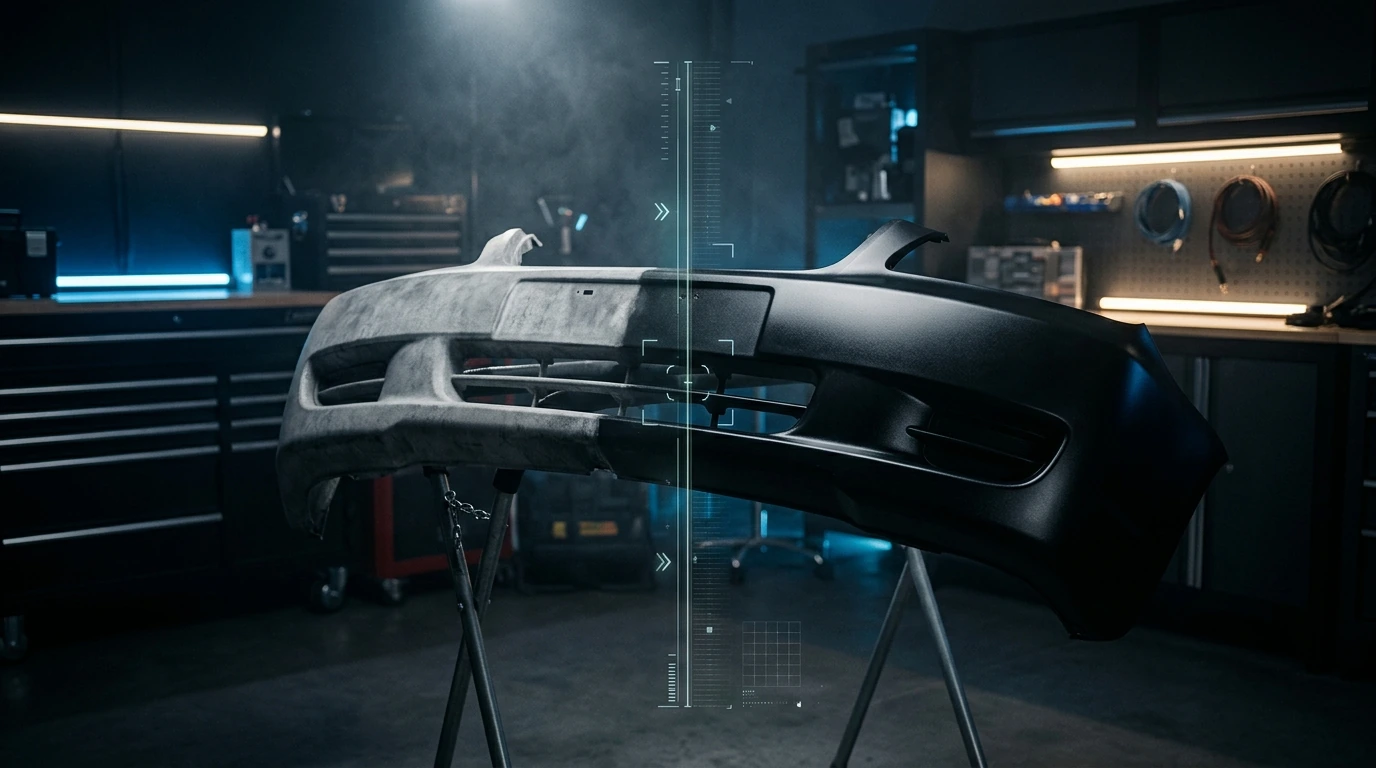
Addressing Faded Trim and Essential Supplies
Before any restoration or protection can begin, the surface must be thoroughly cleaned and prepared. Attempting to apply a dressing or coating over dirt and oxidized plastic will yield poor results and short-lived protection. This process is not overly complex, but it does require attention to detail.
Required Prerequisites and Tools:
- All-Purpose Cleaner (APC): A diluted automotive-specific APC for deep cleaning.
- Degreaser: For stubborn grime, oil, or old product residue.
- Microfiber Towels: Several clean, lint-free towels for cleaning and drying.
- Soft Bristle Brush: A detailing brush or toothbrush for textured surfaces.
- Plastic Trim Restorer/Protectant: A product specifically designed for unpainted exterior plastics, often containing UV inhibitors. Options range from temporary dressings to more durable ceramic-infused coatings.
- Foam or Microfiber Applicator Pads: For even product application.
- Painter's Tape (Optional): To mask off adjacent painted surfaces if needed.
- Gloves: To protect your hands from chemicals.
Step-by-Step Guide to Plastic Trim Rejuvenation
- Initial Wash: Begin with a thorough wash of the entire vehicle, paying close attention to the plastic trim areas. Remove loose dirt and grime.
- Deep Cleaning the Plastic: Spray a diluted APC or degreaser onto the plastic trim. Allow it to dwell for a minute, then agitate the surface with a soft bristle brush. This helps lift embedded dirt and old oxidized layers. Rinse thoroughly with water. Repeat if necessary until the rinse water runs clear and the plastic feels clean, not greasy.
- Drying the Surface: Use clean microfiber towels or a forced-air blower to completely dry the plastic. Any residual moisture can hinder product adhesion and performance.
- Masking (If Desired): If using a product that could stain paint, apply painter's tape along the edges of the plastic trim, protecting adjacent body panels.
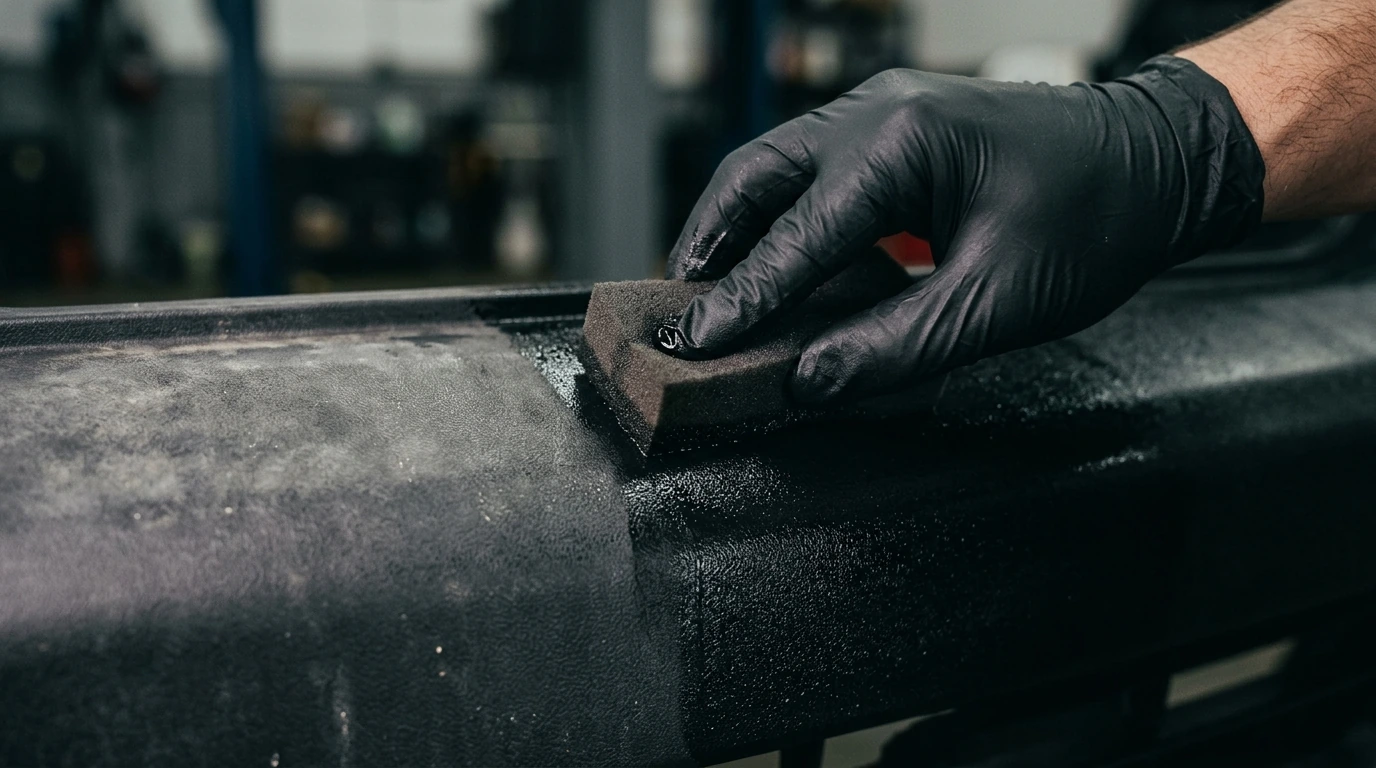
- Applying the Restorer/Protectant: Dispense a small amount of your chosen plastic trim restorer or protectant onto a foam or microfiber applicator pad. Work in small sections, applying the product evenly with light to moderate pressure. Ensure full coverage, working the product into the texture of the plastic.
- Wiping Off Excess: After applying to a section, immediately use a clean, dry microfiber towel to gently buff off any excess product. This prevents streaking and ensures an even finish. Some products require a specific cure time before wiping; always refer to the manufacturer's instructions.
- Curing Time: Allow the product to cure as per the manufacturer's recommendations. This typically means avoiding water exposure for several hours or even a full day.
Avoiding Common Missteps During Application
Several factors can lead to less-than-optimal results when treating unpainted plastic trim. Being aware of these can save time and effort.
- Inadequate Cleaning: Failing to thoroughly clean and degrease the plastic is the most common mistake. Old wax, silicone, or oxidized layers will prevent new products from bonding effectively, leading to short-term results and uneven finishes.
- Applying Too Much Product: Over-applying can result in a greasy, streaky appearance that attracts dust and dirt. It also wastes product and doesn't improve longevity. A thin, even coat is typically more effective.
- Working in Direct Sunlight: Applying products in direct sun or on hot surfaces can cause them to flash dry too quickly, leading to uneven application and difficult buffing. Work in a shaded area or when the surfaces are cool to the touch.
- Not Following Manufacturer Instructions: Different products have varying application techniques, dwell times, and curing periods. Deviating from these can compromise performance and durability.
- Using the Wrong Type of Product: Interior dressings or tire shines are often not formulated for the harsh exterior environment and UV exposure, leading to rapid degradation and sometimes even staining.
Maintaining the Finish and Longevity Expectations
Once the plastic trim has been restored and protected, regular maintenance is crucial to extend its life and appearance. The longevity of any treatment depends heavily on the product type, environmental conditions, and how the vehicle is stored.
Post-Application Verification and Ongoing Care:
- Visual Inspection: After the product has cured, visually inspect the trim from different angles to ensure an even, streak-free finish. The plastic should have a deep, uniform color.
- Touch Test: The surface should feel dry to the touch, not greasy or tacky.
- Water Behavior: When the trim gets wet, water should bead up and roll off, indicating a protective layer is present.
- Regular Cleaning: During routine car washes, use a pH-neutral car soap. Avoid harsh detergents or aggressive brushes on the treated plastic.
- Reapplication Schedule: The durability of trim restorers varies significantly. Silicone-based dressings might last a few weeks to a month, while advanced polymer or ceramic-infused coatings can endure for several months to over a year, depending on exposure. Monitor the trim's appearance; when you notice water beading diminishing or a slight return of fading, it's time for reapplication. Products with higher UV resistance generally offer longer protection.
- Parking Habits: Whenever possible, park your vehicle in shaded areas or use a car cover to minimize direct UV exposure, which is the primary cause of plastic degradation.


Comments
Post a Comment