
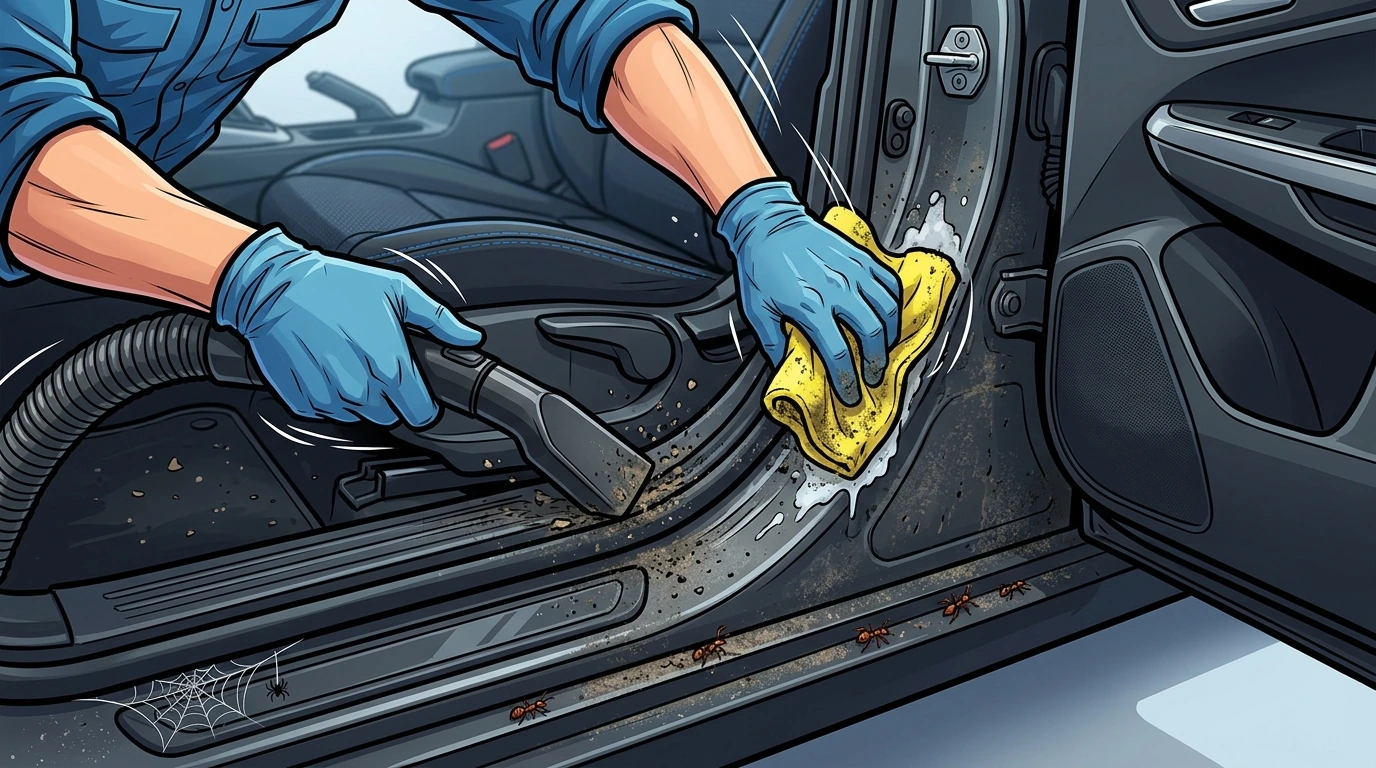
Unmasking the Uninvited: Why Pests Choose Your Car
Your vehicle, often perceived as a sealed environment, can become an appealing micro-habitat for various pests. Ants, particularly common species like sugar ants or pavement ants, are primarily drawn by food sources. Even microscopic crumbs, spilled sugary drinks, or residual food odors can establish a pheromone trail that leads entire colonies into your car. Spiders, on the other hand, are typically seeking shelter, warmth, and a convenient place to hunt. They often find the secluded corners of a car's interior or engine bay ideal for spinning webs and laying eggs, especially during cooler months.
Moisture also acts as a significant attractant. Leaky seals, condensation buildup, or even damp floor mats can create an inviting environment for many insect species. The dark, undisturbed spaces under seats, inside vents, or within the trunk offer ideal refuge from predators and harsh weather, making your car a perfect, mobile sanctuary for these tiny invaders.
Fortifying the Perimeter: Sealing Entry Points
Preventing pests from entering your vehicle begins with identifying and sealing their access routes. These creatures are remarkably adept at squeezing through minuscule openings that often go unnoticed by the average car owner.
Common Entry Points
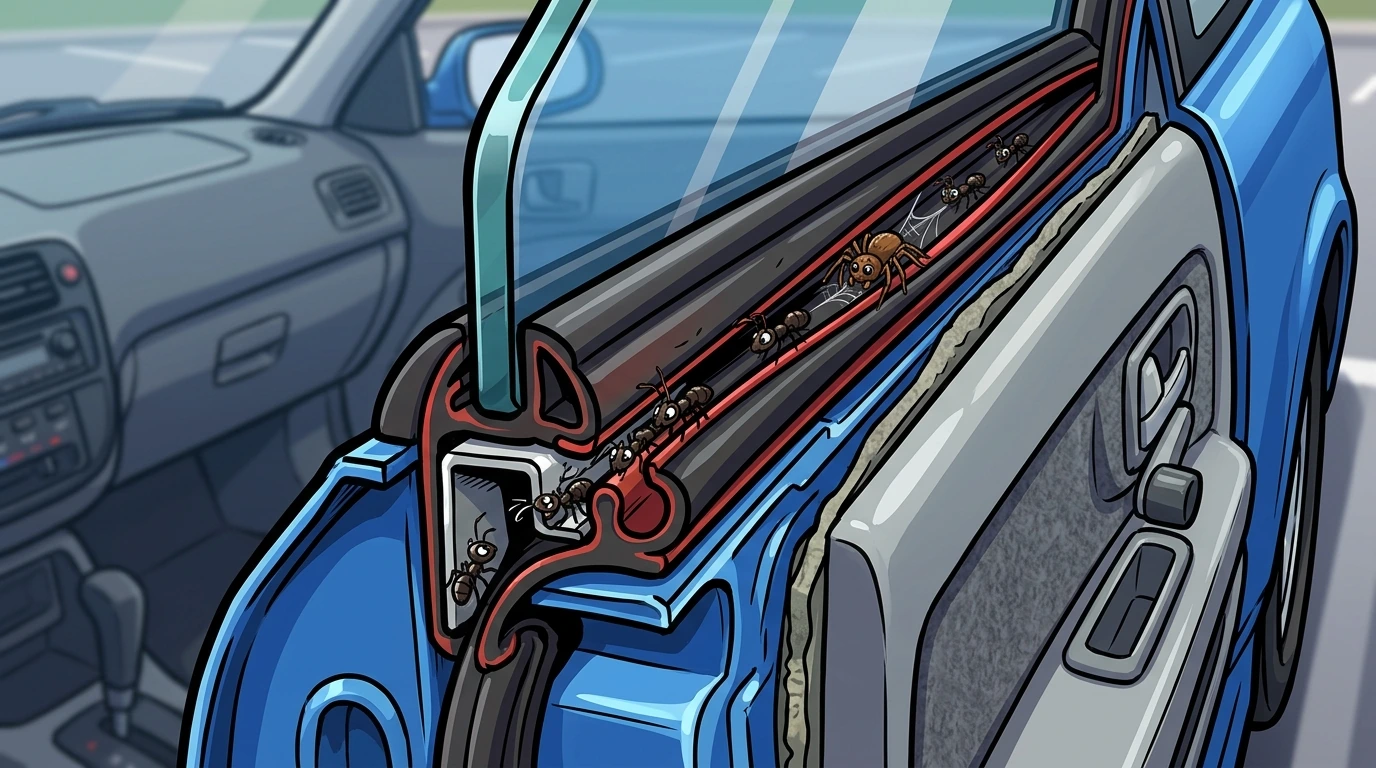
- Door and Window Seals: Over time, rubber seals around doors and windows can degrade, crack, or become loose, creating tiny gaps.
- HVAC Vents: The external air intake for your heating, ventilation, and air conditioning system can be an open invitation, especially if not properly screened.
- Cable and Wire Grommets: Holes where electrical cables pass through the firewall or body panels are often sealed with rubber grommets that can deteriorate or be dislodged.
- Drain Holes: Small drain holes in door bottoms or undercarriage components can also serve as access points.
- Trunk and Tailgate Seals: Similar to door seals, these can also wear out, providing easy access to the rear of the vehicle.
Regularly inspect these areas for signs of wear or damage. Replacing aged weatherstripping or applying a suitable automotive-grade sealant to minor cracks can significantly reduce potential entry points. For HVAC intakes, consider fine mesh screens designed to block insects while still allowing airflow.
The Olfactory Offensive: Deterrents and Cleanliness
Beyond physical barriers, eliminating attractants and deploying deterrents forms a crucial layer of defense. The scent of food is a powerful magnet for ants, so meticulous cleaning is paramount.
Eliminating Attractants
- Regular Vacuuming: A powerful vacuum cleaner with appropriate attachments should be used weekly to remove crumbs, dirt, and pet hair from carpets, upholstery, and under seats.
- Wipe Down Surfaces: Clean all interior surfaces, including the dashboard, console, and door panels, with an automotive-specific cleaner to remove sticky residues and food odors.
- Manage Spills Promptly: Address any spills immediately, especially sugary drinks, to prevent them from drying and leaving a lingering scent.
- Trash Management: Avoid leaving food wrappers, empty drink containers, or any organic waste inside the car for extended periods.
Natural Deterrents
Certain natural substances are widely reported to deter common car pests without resorting to harsh chemicals. These methods rely on strong scents that disorient or repel insects and arachnids.
| Deterrent Method | Reported Efficacy | Application Notes | Potential Drawbacks |
|---|---|---|---|
| Peppermint Oil | Widely reported as effective for ants and spiders. | Apply a few drops to cotton balls and place in discreet areas (under seats, vents). Replenish weekly. | Scent can be strong; may not be suitable for all sensitivities. |
| Diatomaceous Earth (Food Grade) | Effective desiccant against insects and arachnids. | Lightly dust non-visible areas like under floor mats or in the trunk. Avoid inhaling dust. | Can be messy; requires careful application to avoid dust inhalation. |
| Cedar Wood Blocks/Chips | Known repellent for various insects, including some spiders. | Place small blocks or sachets in the cabin or trunk. | Subtler effect; may need higher concentrations for noticeable impact. |
| Sticky Traps | Effective for monitoring and trapping existing pests. | Place on floorboards or under seats. | Does not prevent entry; can look unsightly; needs regular replacement. |
Deep Dive Detailing for Lasting Defense
While regular cleaning addresses visible areas, a comprehensive detailing approach targets the hidden nooks and crannies where pests often establish themselves.
- Under Seats and Console: Remove floor mats and thoroughly vacuum and wipe down the areas beneath the seats and around the center console. These are prime hiding spots.
- Trunk and Spare Tire Well: Don't overlook the trunk. Remove everything, vacuum thoroughly, and check for any moisture or organic debris, especially in the spare tire well.
- Glove Compartment and Door Pockets: Empty and clean these storage areas, as they can harbor crumbs or forgotten snacks.
- HVAC System Cleaning: Consider replacing your cabin air filter regularly. Specialized HVAC cleaning sprays can help eliminate mold or mildew scents that might attract pests.
- Engine Bay Inspection: While less common for ants, spiders frequently build webs in engine bays, especially around quiet components. A quick visual inspection and removal of webs can deter them.
Mistakes to Avoid
A common error involves focusing solely on the passenger cabin while neglecting the trunk, undercarriage, or engine bay. Pests can easily migrate from these less-trafficked zones into the main interior. Additionally, using household chemical sprays not designed for automotive interiors can damage materials or leave harmful residues.
Sustaining a Pest-Free Sanctuary
Maintaining a pest-free vehicle is an ongoing process that requires consistent attention and smart habits.
- Mindful Parking: Whenever possible, avoid parking under trees or dense bushes where insects and spiders are plentiful. Overhanging branches offer easy access to your vehicle's roof and windows.
- Regular Checks: Periodically check door jambs, window frames, and the trunk seal for new webs or ant trails, especially after parking in a new location or after heavy rain.
- Seasonal Adaptations: Pests become more active during certain seasons. Increase vigilance during warmer months for ants and during cooler periods when spiders might seek warmth inside.
Frequently Asked Questions
- Can car washes effectively remove pests?
- While an exterior car wash can rinse away some surface insects, it is generally ineffective against ants and spiders that have already entered the cabin or established nests in secluded areas.
- Are electronic pest repellents effective in cars?
- The efficacy of ultrasonic or electromagnetic pest repellents is widely debated, with limited scientific consensus supporting their effectiveness, especially in the confined and varied materials of a car interior.
- How often should I clean my car to prevent pests?
- For optimal prevention, a thorough interior vacuum and wipe-down every 1-2 weeks is recommended, coupled with deeper detailing every 2-3 months.
- Is it safe to use bug bombs inside a car?
- Using bug bombs or foggers inside a car is generally not recommended. They can leave chemical residues that may be harmful to occupants, damage interior materials, and often fail to reach all hidden areas where pests reside.
Keeping ants and spiders from making your car their home is a practical aspect of vehicle care that demands more than just a passing thought. By understanding their motivations, sealing off entry points, maintaining rigorous cleanliness, and employing smart deterrents, you can ensure your vehicle remains a human-only zone, protecting both its condition and your peace of mind on the road.


Comments
Post a Comment