
Daily exposure to the sun's relentless ultraviolet (UV) rays can be a silent destroyer of your car's exterior, leading to dull, faded, and cracked paint over time. For those without garage access, understanding how to effectively combat this degradation is not just about aesthetics; it's about preserving your vehicle's value and structural integrity.
Many drivers underestimate the cumulative impact of daily sun exposure or rely on inadequate solutions. The key to long-term paint health lies in a multi-faceted approach, combining proactive measures with consistent application of the right protective technologies.
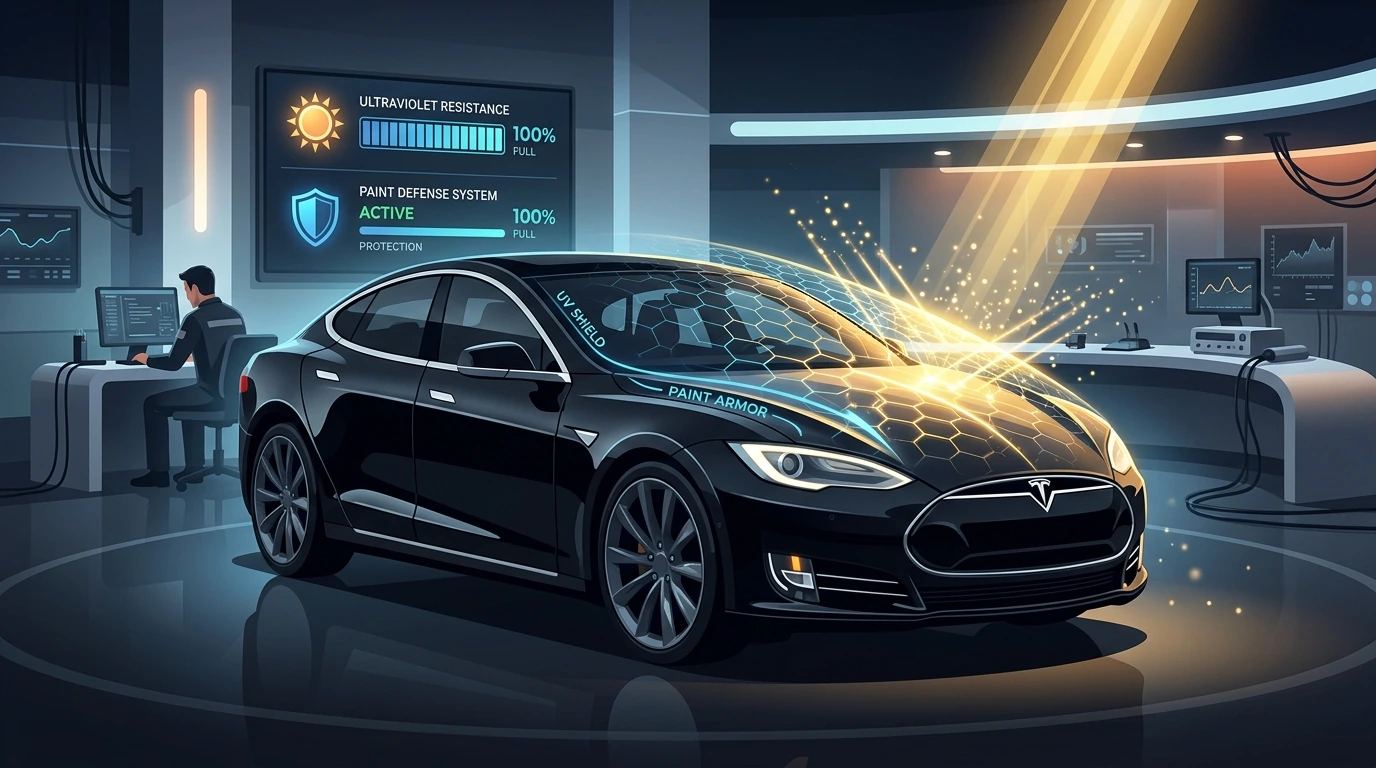
Key Takeaways
- Consistent UV exposure significantly degrades automotive paint, leading to fading and clear coat failure.
- Layered protection, combining physical barriers and chemical coatings, offers the most robust defense.
- Regular cleaning and maintenance are crucial to ensure protective layers remain effective.
- Not all protective products offer the same level of UV resistance or durability; selection should match exposure intensity.
The Outdoor Parking Challenge: Mitigating UV Damage
Parking outside every day exposes your vehicle's finish to a continuous barrage of environmental stressors, with UV radiation being a primary culprit for paint degradation. This isn't just about surface-level aesthetics; prolonged sun exposure can break down the molecular bonds in your car's clear coat and color layers, leading to oxidation, fading, and eventually, clear coat delamination. While modern automotive paints are more resilient than ever, they are not impervious to years of direct sunlight.
Understanding UV Degradation and Protective Layers
Automotive paint systems typically consist of a primer, a base coat (color), and a clear coat. The clear coat, a transparent layer of resin, is the primary defense against environmental elements, including UV light. UV radiation penetrates this layer, causing photo-oxidation that breaks down polymers, resulting in haziness, dullness, and a reduction in gloss. Eventually, this damage can extend to the base coat, causing the vibrant color to fade.
Effective protection strategies aim to either block or absorb UV radiation before it reaches the clear coat. Materials like car covers provide a physical barrier, while waxes, sealants, and ceramic coatings offer chemical protection through UV inhibitors and robust, sacrificial layers. The longevity and efficacy of these layers vary significantly, with ceramic coatings generally offering superior durability and UV resistance compared to traditional waxes.
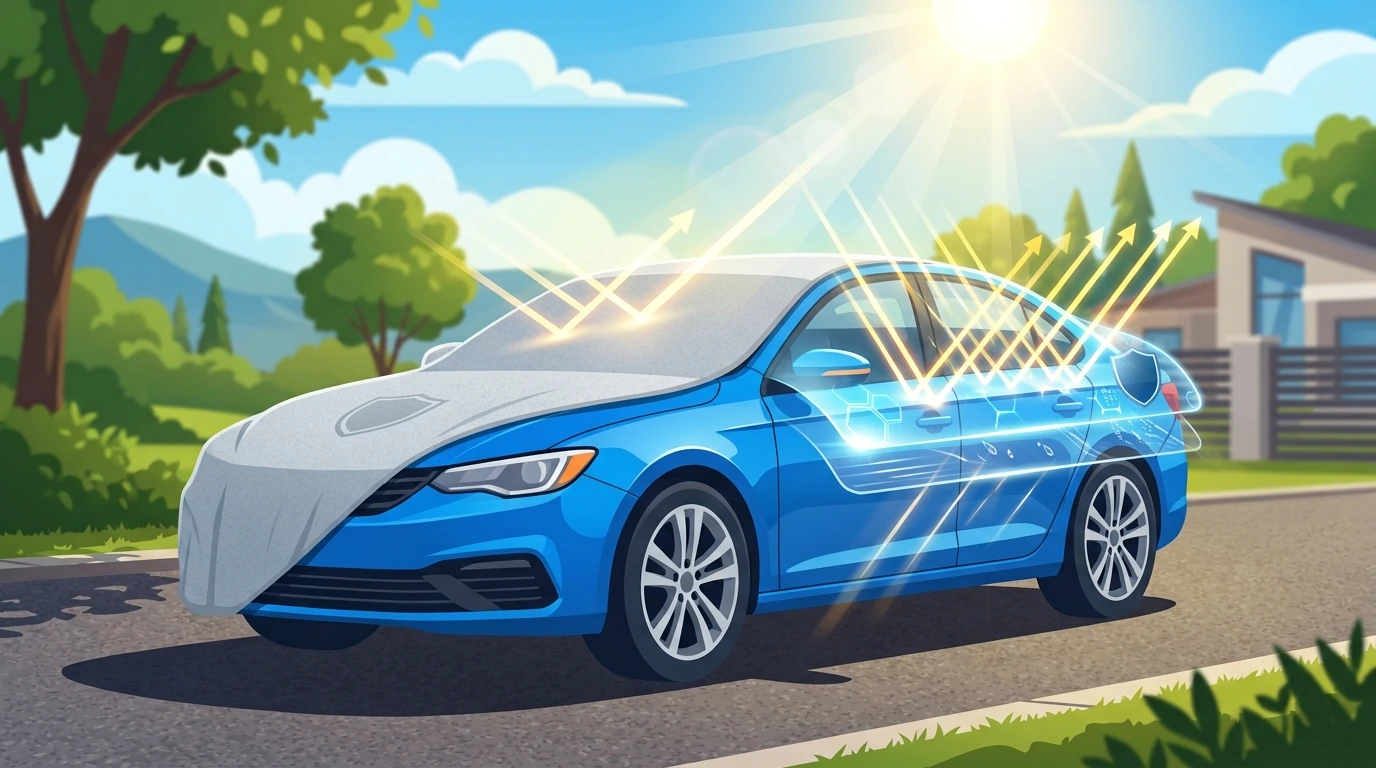
Effective Strategies for Daily Outdoor Exposure
For vehicles parked outside consistently, a multi-pronged approach yields the best results:
- High-Quality Car Covers: An outdoor-rated car cover, made from breathable, UV-resistant fabric, is arguably the most direct form of protection. It creates a physical barrier against direct sunlight, dust, bird droppings, and industrial fallout. Ensure the cover is properly fitted to prevent wind abrasion.
- Ceramic Coatings: These relatively new technologies form a semi-permanent, hard layer over your clear coat. Composed of silica or silicon carbide, ceramic coatings offer exceptional UV resistance, chemical resistance, and hydrophobic properties. While the initial application can be an investment, their reported durability often spans several years.
- Paint Sealants: A step up from traditional waxes, synthetic paint sealants provide a more durable protective layer, typically lasting 6-12 months. They bond chemically to the paint, offering good UV protection and gloss.
- UV-Resistant Waxes: While less durable than sealants or coatings, carnauba-based waxes often contain UV inhibitors. Regular application (every 1-3 months) can provide a sacrificial layer that absorbs some UV radiation.
- Regular Washing and Decontamination: Maintaining a clean surface is fundamental. Dirt, dust, and environmental contaminants can trap moisture and accelerate paint degradation, as well as compromise the integrity of any protective layer.
Consider combining strategies for maximum defense. For instance, a professionally applied ceramic coating topped with a quick detailer that contains UV blockers, and then using a car cover for extended parking, creates a formidable barrier against sun damage. Always ensure compatibility between products.
Evaluating Protection Methods: Strengths and Compromises
Each protection method presents its own set of advantages and limitations:
Car Covers
- Pros: Offers comprehensive physical protection against UV, dust, sap, and bird droppings. Relatively low upfront cost compared to coatings.
- Cons: Requires daily application and removal, which can be inconvenient. Improper use or a dirty cover can cause micro-scratches.
Ceramic Coatings
- Pros: Superior long-term UV protection, excellent hydrophobicity, enhanced gloss, and scratch resistance (though not scratch-proof). Low maintenance once applied.
- Cons: Higher initial cost, requires professional application for best results, and surface preparation is critical.
Paint Sealants & Waxes
- Pros: More affordable and easier to apply than ceramic coatings. Provide good gloss and decent short-term UV protection.
- Cons: Shorter durability requires frequent reapplication. Less robust protection against harsh chemicals or extreme UV.
Tailoring Your Defense: Investment & Recommendations
The optimal protection strategy depends heavily on your budget, willingness for regular maintenance, and the intensity of your local sun exposure. For those parking outdoors every day in sunny climates, investing in a professional ceramic coating offers the most robust, long-term solution with minimal ongoing effort, making it a sound investment in your vehicle's longevity.
If a ceramic coating is out of budget, a high-quality, breathable car cover combined with a durable synthetic sealant provides excellent protection. The key is consistency: no single product offers permanent protection without regular care and reapplication where necessary.
Who Should Prioritize These Strategies?
- Daily Outdoor Parkers: This is the primary target group, especially in regions with high UV indexes.
- Owners of Classic Cars: Preserving original paintwork is paramount for value.
- Leaseholders: Protecting the paint can help avoid end-of-lease damage charges.
- Anyone Seeking to Maintain Resale Value: A well-preserved exterior significantly impacts a car's market appeal.
Frequently Asked Questions
Q1: Can old, faded paint be restored by these methods?
A1: While protective coatings and waxes can enhance gloss and offer some visual improvement, they cannot reverse severe paint fading or clear coat damage. For significant fading, paint correction (polishing) may be necessary before applying protection.
Q2: How often should I reapply wax or sealant if my car is always outside?
A2: For cars parked outdoors daily, synthetic sealants should ideally be reapplied every 4-6 months, and waxes every 1-3 months, depending on the product and local conditions.
Q3: Are UV window films also important for interior protection?
A3: Absolutely. While this article focuses on exterior paint, UV window films are crucial for protecting your car's interior from sun damage, preventing dashboard cracking, upholstery fading, and reducing cabin heat.
Q4: Does parking under a tree offer sufficient protection?
A4: Parking under a tree offers shade, which reduces direct UV exposure, but it introduces other hazards like falling sap, bird droppings, and leaves, all of which can damage paint if not promptly cleaned. A cover or robust coating is still recommended.


Comments
Post a Comment