
Addressing the Sticky Challenge of Pine Sap
Dealing with tree sap on automotive glass can be one of the most frustrating car care challenges, often leading owners to resort to aggressive cleaning methods that risk permanent damage. Unlike common road grime or bug splatter, pine sap's chemical composition makes it exceptionally adhesive and resistant to plain soap and water, demanding a more strategic approach to prevent scratches and hazing on your windshield.
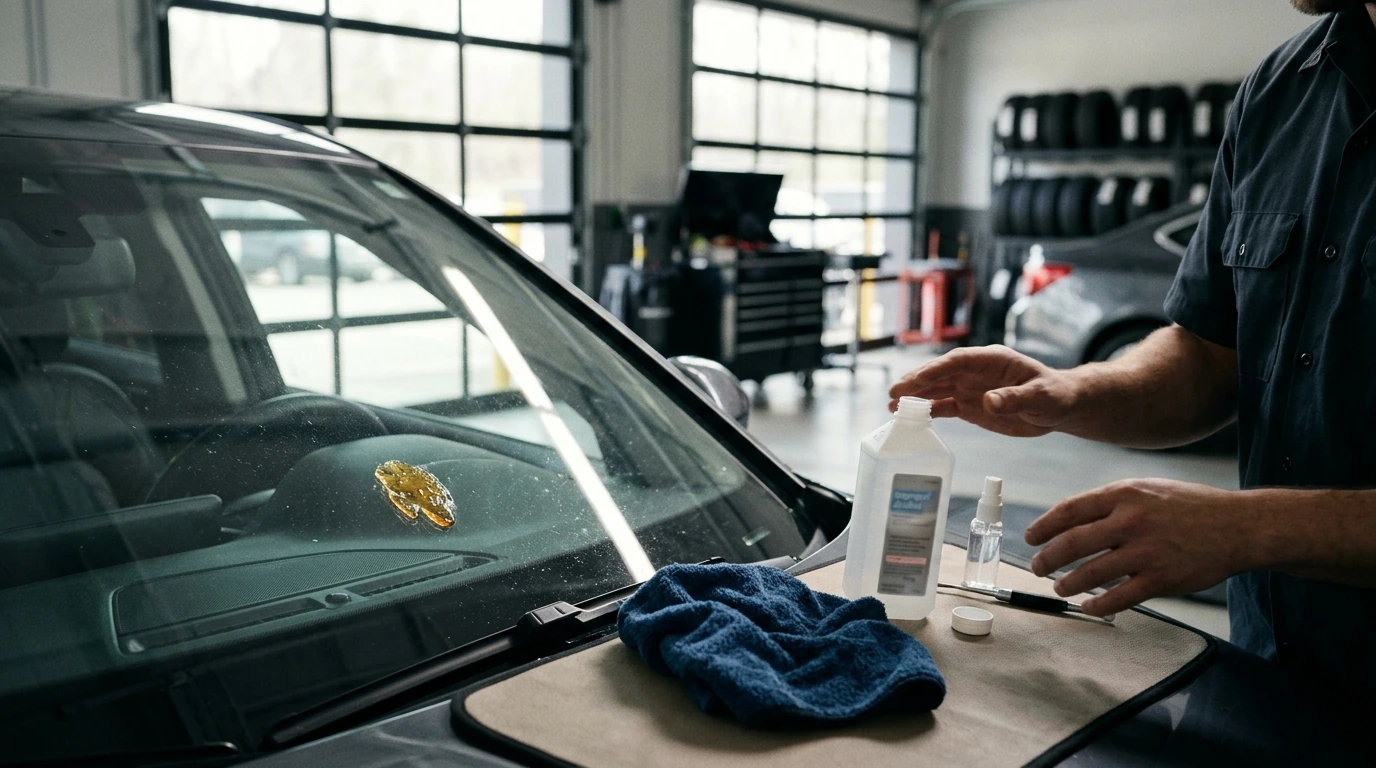
The Core Strategy for Sap-Free Glass
Successfully removing sticky pine sap from your car's windshield without causing damage hinges on one critical principle: dissolution, not abrasion. The best approach involves softening the sap with a suitable solvent and gently lifting it away, rather than attempting to scrape or scrub it off while it's still hardened. This method is ideal for any car owner facing this common problem, from daily commuters to classic car enthusiasts. The biggest trade-off is often patience, as rushing the process significantly increases the risk of scratching the glass or damaging surrounding trim.
Understanding Pine Sap's Tenacity
Pine sap is a natural resin, a complex mixture of terpenes and other organic compounds that solidify upon exposure to air. This sticky, viscous nature is designed by trees to protect against insects and fungi, making it incredibly resilient once it dries on a surface like your car's windshield. Its strong adhesion means that attempting to remove it dry or with insufficient lubrication will almost certainly drag abrasive particles across the glass, leading to micro-scratches or even deeper scoring. Understanding this chemical and physical makeup is key to choosing the right removal agents and techniques.
Essential Tools and Techniques for Safe Sap Removal
Effective pine sap removal relies on specific materials and a methodical approach. Here's a breakdown of the key elements that contribute to a scratch-free outcome:
| Element/Method | What It Does | Outcome (Advantage / Caution / Neutral) | Who Benefits/Is Affected |
|---|---|---|---|
| Isopropyl Alcohol (IPA) | Acts as a solvent, effectively breaking down and dissolving the complex organic compounds in pine sap. | Advantage: Highly effective at dissolving sap without harming glass. | DIY detailers and anyone needing a reliable sap solvent. |
| Soft Microfiber Cloths | Their fine, absorbent fibers lift and trap dissolved sap and debris, preventing abrasive contact with the glass. | Advantage: Crucial for preventing scratches and ensuring gentle application/removal. | All users, as it's fundamental for safe application. |
| Gentle Heat Application | Slightly warms the sap, making it softer and more pliable, which aids solvent penetration and dissolution. | Advantage: Accelerates the softening process for stubborn sap. | Users dealing with older, hardened sap deposits. |
| Plastic Razor Blade or Card | Provides a non-abrasive edge to gently push or scrape softened sap without contacting the glass directly. | Caution: Requires extreme care and proper lubrication to avoid damage. | Experienced users tackling thick, localized sap blobs. |
| Patience and Multiple Applications | Allows the solvent sufficient time to work, reducing the need for aggressive scrubbing or scraping. | Advantage: Protects glass from damage by prioritizing chemical action over mechanical force. | Everyone, as rushing leads to higher risk of scratches. |
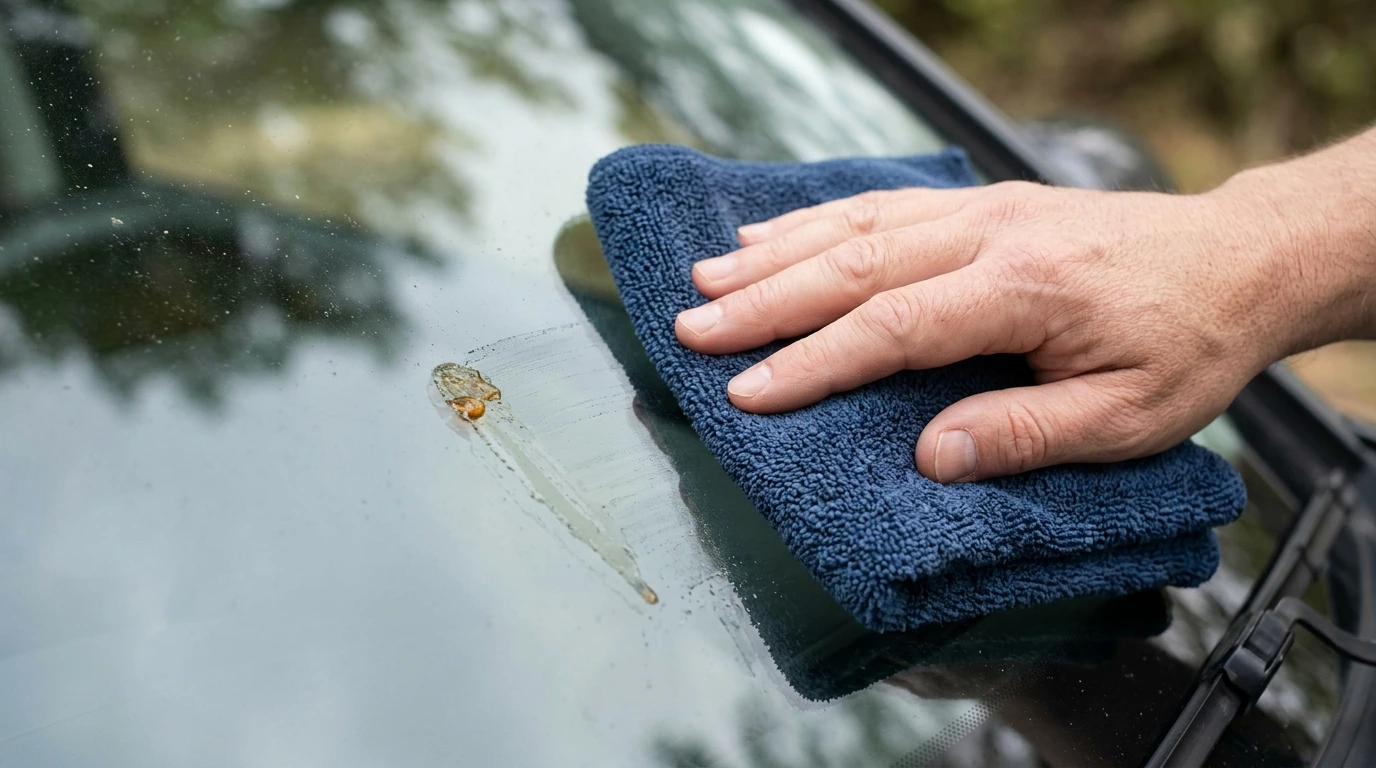
Applying the Method to Common Sap Scenarios
The recommended approach adapts well to various levels of pine sap contamination. For light, fresh sap spots, a simple application of IPA on a microfiber cloth will typically dissolve and lift the residue quickly. For more stubborn, dried-on sap that has been baking in the sun, a slightly warmed windshield (achieved by parking in the sun for a few minutes or briefly running the defroster) can significantly aid the solvent's effectiveness. In cases of very thick, localized sap blobs, soaking a microfiber cloth in IPA and letting it sit on the sap for several minutes will soften it enough for gentle removal, potentially with the careful assistance of a plastic razor blade if absolutely necessary, always ensuring the sap is fully lubricated by the solvent.
Pro Tip: Test First
Always test your chosen solvent on an inconspicuous area of the car's trim or paint before applying it broadly to the windshield, especially if using a product other than standard IPA. While IPA is generally safe for automotive glass, some stronger solvents or household cleaners can damage delicate plastics or paint finishes if they drip or overspray.
Advantages and Potential Pitfalls of DIY Sap Cleaning
Adopting the solvent-based, gentle removal technique offers several clear advantages, but also comes with certain considerations.
Advantages
- Scratch Prevention: By dissolving the sap with Isopropyl Alcohol and using soft microfiber cloths, the risk of abrading the glass is dramatically reduced, preserving windshield clarity.
- Effective Removal: The solvent action of IPA directly breaks down the sap's chemical bonds, leading to thorough removal even for stubborn, dried deposits.
- Cost-Effective: The primary materials (IPA, microfiber cloths) are readily available and inexpensive, making this a budget-friendly DIY solution compared to professional detailing services.
- Surface Safety: When used correctly and carefully, this method is safe for automotive glass and less likely to cause damage to surrounding paint or trim than harsh scraping tools.
Potential Pitfalls
- Time and Patience Required: For heavy or aged sap, multiple applications and soaking times are necessary, which can be time-consuming compared to aggressive, but damaging, methods.
- Risk of Residue: If not thoroughly wiped clean, dissolved sap can leave a slight oily residue or streaks that require a final glass cleaner application to fully remove.
- Potential for Overspray Damage: While IPA is safe for glass, prolonged contact with certain rubber seals, unpainted plastics, or waxed paint finishes can potentially cause drying or dulling if not wiped away promptly.
- Requires Specific Materials: Relying on household items not designed for automotive use (e.g., abrasive sponges, harsh chemical cleaners) can lead to irreversible damage, necessitating proper tools.
Methods to Avoid and Why
When faced with sticky pine sap, it's tempting to reach for quick fixes, but many common alternatives carry significant risks. Using metal razor blades, abrasive scrub pads, or even the edge of a credit card without sufficient lubrication can easily scratch the glass, leaving permanent marks that impair visibility and diminish resale value. Similarly, harsh chemical solvents like paint thinners, nail polish remover (acetone), or industrial cleaners can strip wax, damage paint, and degrade rubber seals or plastic trim around the windshield, leading to costly repairs. These methods prioritize speed over safety, often causing more harm than good.
Cost-Effective Approach to Pristine Windshields
From a value perspective, DIY pine sap removal using the recommended methods is highly cost-effective. Isopropyl alcohol (90% or higher concentration) is inexpensive and widely available, as are quality microfiber cloths. The investment in these basic supplies is minimal compared to the potential cost of professional glass repair or replacement due to damage from improper cleaning. The true value lies in preserving the integrity and clarity of your windshield, which is critical for safety and maintaining your vehicle's appearance. Always check current prices at official stores or trusted automotive retailers for the best value.
Your Clear Path to Sap-Free Glass
Buy into this method if you prioritize preserving your windshield's clarity and avoiding costly damage. This approach is ideal for any car owner who wants to effectively remove pine sap using safe, proven techniques. Skip this method if you are unwilling to dedicate the necessary time and patience, as rushing the process with aggressive tools or chemicals will almost certainly lead to irreversible scratches or damage to surrounding vehicle components.
Frequently Asked Questions About Sap Removal
- Can I use regular car wash soap to remove pine sap?
No, standard car wash soap is generally not effective at dissolving pine sap once it has dried. It might remove very fresh, wet sap, but for sticky or hardened sap, a solvent like IPA is required. - Is it safe to use a plastic razor blade on my windshield?
A plastic razor blade can be used with extreme caution and only after the sap has been thoroughly softened and lubricated with a solvent. It should never be used dry or with excessive force, as it can still scratch the glass if not handled properly. - How quickly should I remove pine sap?
It's best to remove pine sap as soon as you notice it. The longer sap remains on the glass, especially in direct sunlight, the harder it becomes and the more difficult it is to remove without extensive soaking and multiple applications. - What if some sap residue remains after cleaning?
After removing the bulk of the sap, any lingering residue or streaks can usually be cleaned with a dedicated automotive glass cleaner and a fresh, clean microfiber cloth for a perfectly clear finish.
This review is compiled from official specifications of cleaning agents and widely reported user feedback on best practices for automotive care, rather than a personal lab test. Specific details and product availability can differ by region or variant.


Comments
Post a Comment