
Many drivers reach for an air freshener or a quick spray-and-wipe when their car seats start smelling of lingering fast food. The common assumption is that masking the odor or a superficial clean will solve the problem. However, these approaches rarely tackle the root cause: embedded grease and food particles deep within the fabric fibers, which continue to off-gas those unpleasant smells.
The Targeted Approach: What It Is and Who It's For
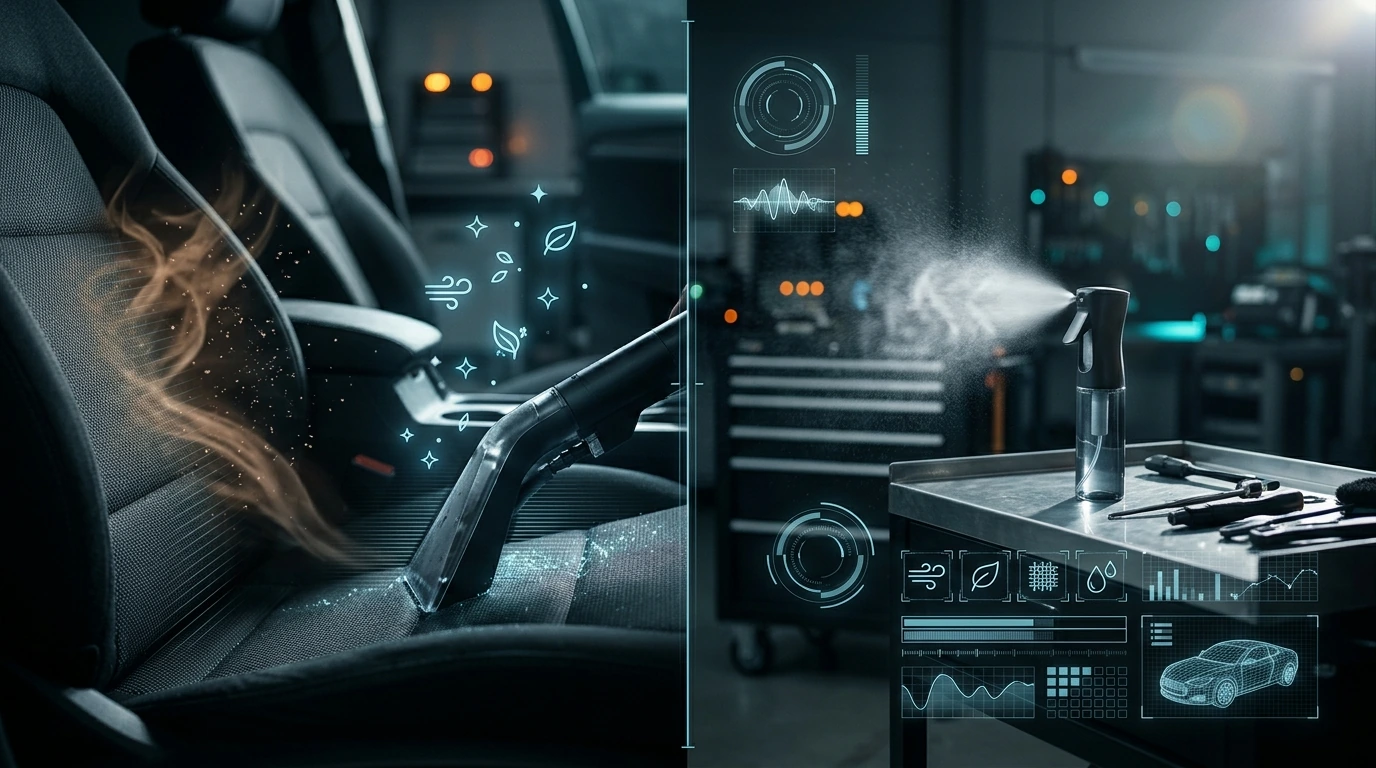
This guide outlines a simple, multi-step approach primarily using common household items and targeted cleaning agents designed to break down and remove the source of those stubborn fries and grease odors from fabric car seats. It's best suited for car owners dealing with moderate to significant food-related smells who prefer a DIY solution over professional detailing. Those with extremely delicate or vintage fabrics might want to consult a specialist first, as aggressive cleaning can risk damage. The biggest trade-off is the time investment; this isn't a five-minute fix, but a thorough process that yields lasting freshness.
This method combines mechanical removal, chemical absorption, and enzymatic breakdown to systematically eliminate the source of grease and food smells. Unlike quick sprays that merely cover up odors, or general purpose cleaners that might not penetrate deep enough or neutralize grease effectively, this approach targets the specific molecular compounds responsible for fast food and oil-based residues. It leverages the power of readily available, often eco-friendly, components to achieve a deep clean without harsh industrial chemicals.
Core Elements for Odor Elimination
Understanding the role of each component in this cleaning method is key to its success. Here’s a breakdown of the critical elements:
| Key Element/Component | What It Means in Practice | Verdict (Plus / Minus / Neutral) | Who Feels It |
|---|---|---|---|
| Thorough Vacuuming | Physically removes loose food particles, crumbs, and surface debris, preventing them from being pushed deeper into the fabric during cleaning. | Plus | Anyone with visible crumbs or recent spills. |
| Baking Soda Application | A natural desiccant and odor absorber. Its alkaline properties help neutralize acidic grease residues and soak up moisture. | Plus | Owners seeking a non-toxic, effective odor neutralizer. |
| Enzyme-Based Fabric Cleaner | Contains specialized enzymes that break down organic stains and odor-causing compounds (like fats, proteins, and sugars) into smaller, odorless molecules. | Plus | Drivers with deep-set grease stains or persistent organic odors. |
| Microfiber Towel & Gentle Agitation | Soft, highly absorbent fibers lift and trap loosened dirt and cleaning solutions without scratching or leaving lint. Gentle brushing helps work the cleaner into the fabric. | Plus | Those concerned about fabric integrity and effective solution removal. |
| Adequate Air Circulation & Drying | Essential for preventing mildew growth and ensuring all moisture evaporates, carrying away residual odors. Prevents re-soiling. | Plus | All users; crucial for preventing new problems and ensuring lasting freshness. |
Real-World Application Scenarios
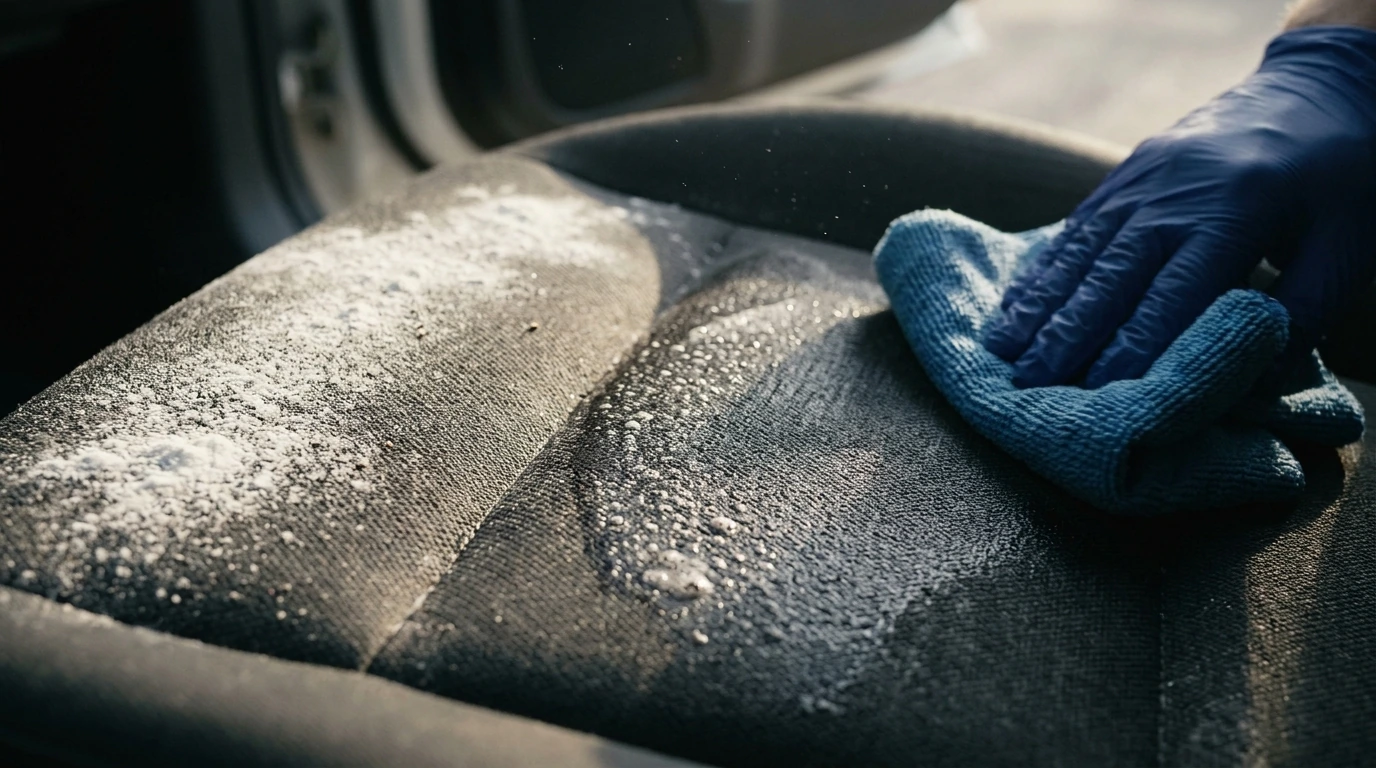
- Scenario 1: Recent Fast-Food Spill: A bag of fries tipped over, leaving a noticeable grease stain and smell. Immediate vacuuming prevents deep embedding. A prompt baking soda application absorbs fresh grease and odor. Following up with an enzyme cleaner will break down remaining oil before it sets, and proper drying prevents lingering dampness. This method should effectively neutralize and remove the incident.
- Scenario 2: Lingering Odors from Months of Takeout: No visible stains, but the car consistently smells like a fast-food joint. This method is well-suited. The vacuuming clears accumulated dust and microscopic debris. The prolonged baking soda treatment (several hours or overnight) will draw out deep-seated odors. The enzyme cleaner will then target and break down years of invisible grease and food particle buildup within the fabric, leading to a significant improvement in overall cabin freshness.
- Scenario 3: Mixed Odors and Unknown Stains: A combination of coffee, pet smells, and general food odors, with some unidentified dark spots. While effective for food/grease, the enzyme cleaner's broad-spectrum action will also help with other organic stains like coffee or pet accidents. The baking soda will absorb general odors. For truly unknown or very old, stubborn stains, multiple applications or a professional steam cleaning might be needed as a follow-up, but this method provides a strong foundational clean.
Strengths and Practical Limitations
Advantages of This Cleaning Approach
- Deep Odor Neutralization: The combination of baking soda and enzyme cleaner actively breaks down and absorbs odor-causing molecules, unlike air fresheners that merely mask them. This directly addresses the problem identified in the "Baking Soda Application" and "Enzyme-Based Fabric Cleaner" analysis.
- Cost-Effective DIY: Utilizes readily available and relatively inexpensive materials, making it a budget-friendly alternative to professional detailing services. This stems from the practical application of common household items and specific cleaners.
- Fabric-Safe for Most: When applied correctly with gentle agitation and proper drying, this method is generally safe for most automotive fabric types, minimizing the risk of damage or discoloration compared to harsh chemical treatments. This relates to the "Microfiber Towel & Gentle Agitation" and "Adequate Air Circulation & Drying" elements.
Drawbacks of This Cleaning Approach
- Time-Consuming Process: Requires multiple steps, including application, dwell time for baking soda and cleaners, and thorough drying, which can take several hours or even overnight. This is the "biggest trade-off" mentioned in the verdict and relates to the "Baking Soda Application" and "Adequate Air Circulation & Drying" steps.
- Requires Patience and Detail: Effective results depend on meticulous vacuuming, even application of powders and liquids, and thorough drying, which might be challenging for those seeking a quick fix. This links back to the "Thorough Vacuuming" and "Microfiber Towel & Gentle Agitation" elements.
- Limited for Extreme Contamination: While effective for most food-related odors, extremely deep-set grease, very old, saturated stains, or non-organic smells might require more specialized equipment like a professional-grade steam extractor. This is a practical limitation of the "Enzyme-Based Fabric Cleaner" and "Microfiber Towel" elements alone.
PRO TIP: Always test any cleaning solution, even baking soda, on an inconspicuous area of your car seat fabric first. This ensures there's no discoloration or adverse reaction before you apply it more broadly. Patience during the drying phase is also crucial to prevent mildew.
Other Paths to a Fresh Cabin
- Professional Detailing: For those with heavily soiled interiors, delicate fabrics, or no time for DIY, a professional detailer can offer steam cleaning, extraction, and specialized odor removal treatments. This is often the best choice for guaranteed, deep results.
- Dedicated Car Interior Steam Cleaner: Investing in a portable steam cleaner can provide deeper penetration and sanitization for fabrics, breaking down grease with heat and moisture, which can be more effective than spray-on cleaners for deep grime.
- Ozone Generator Treatment: For extremely stubborn, pervasive odors (not just food-related), an ozone generator can chemically neutralize odor molecules throughout the cabin. However, these require careful use and proper ventilation, and should typically be done by professionals.
Making the Right Choice for Your Car
The value of this cleaning method lies in its effectiveness and affordability for tackling common automotive odor issues. While it demands your time and effort, the cost of materials is significantly lower than professional services, making it an excellent return on investment for DIY enthusiasts. When sourcing materials, always opt for a reputable automotive-specific enzyme cleaner, as household versions may not be formulated for car fabrics or may leave residues. Ensure you have a powerful vacuum, clean microfiber towels, and a good soft-bristle brush. Check current prices for these items at your preferred automotive supply store or trusted online retailers.
Use this method if: you're dealing with lingering fries, grease, or general food odors in your fabric car seats, you have the time and patience for a multi-step DIY process, and you prefer an effective, budget-friendly solution.
Skip this method if: your car has extremely delicate or vintage fabric that requires specialized handling, you need immediate results, or the odors are so profound and old that professional extraction is the only viable option.
Frequently Asked Questions
- Q: How long does the baking soda need to sit on the fabric?
- A: For best results, allow the baking soda to sit for at least 4-6 hours, or ideally overnight (12-24 hours), to effectively absorb odors and moisture.
- Q: Can I use a regular household carpet cleaner instead of an enzyme-based fabric cleaner?
- A: While some household carpet cleaners might work, an enzyme-based cleaner specifically formulated for automotive fabrics is recommended. Household cleaners might leave residues, cause discoloration, or not be as effective at breaking down grease and food proteins.
- Q: Is it safe to use a steam cleaner with this method?
- A: A steam cleaner can be a powerful addition, especially after the baking soda step, to deeply penetrate and lift grime. However, always check your car manufacturer's recommendations for fabric cleaning and avoid oversaturating the seats to prevent mold or damage to underlying components.
This review synthesizes official product specifications for common cleaning agents and widely reported user experiences with these techniques, rather than relying on personal hands-on testing. Specific results can vary based on fabric type, stain age, and application diligence.


Comments
Post a Comment