
The Vanishing Act, Solved
Are those tiny gaps between your car seats truly a problem worth solving? For many drivers, the answer is a resounding yes, especially when keys, phones, or coins vanish into the automotive abyss.
These car front seat side gap blockers are simple yet effective accessories designed to prevent small items from disappearing into the hard-to-reach crevices between your seats and the center console. They are best suited for drivers who frequently drop items, those with noticeable seat-to-console gaps, or anyone who values a consistently tidy cabin. Conversely, if you rarely lose items, prefer an entirely unobstructed console, or already have very tight seat-to-console spacing, you might find them unnecessary. The biggest trade-off often lies in potential minor interference with seat adjustments or immediate seatbelt buckle access, depending on the design.
Bridging the Divide, What These Blockers Offer
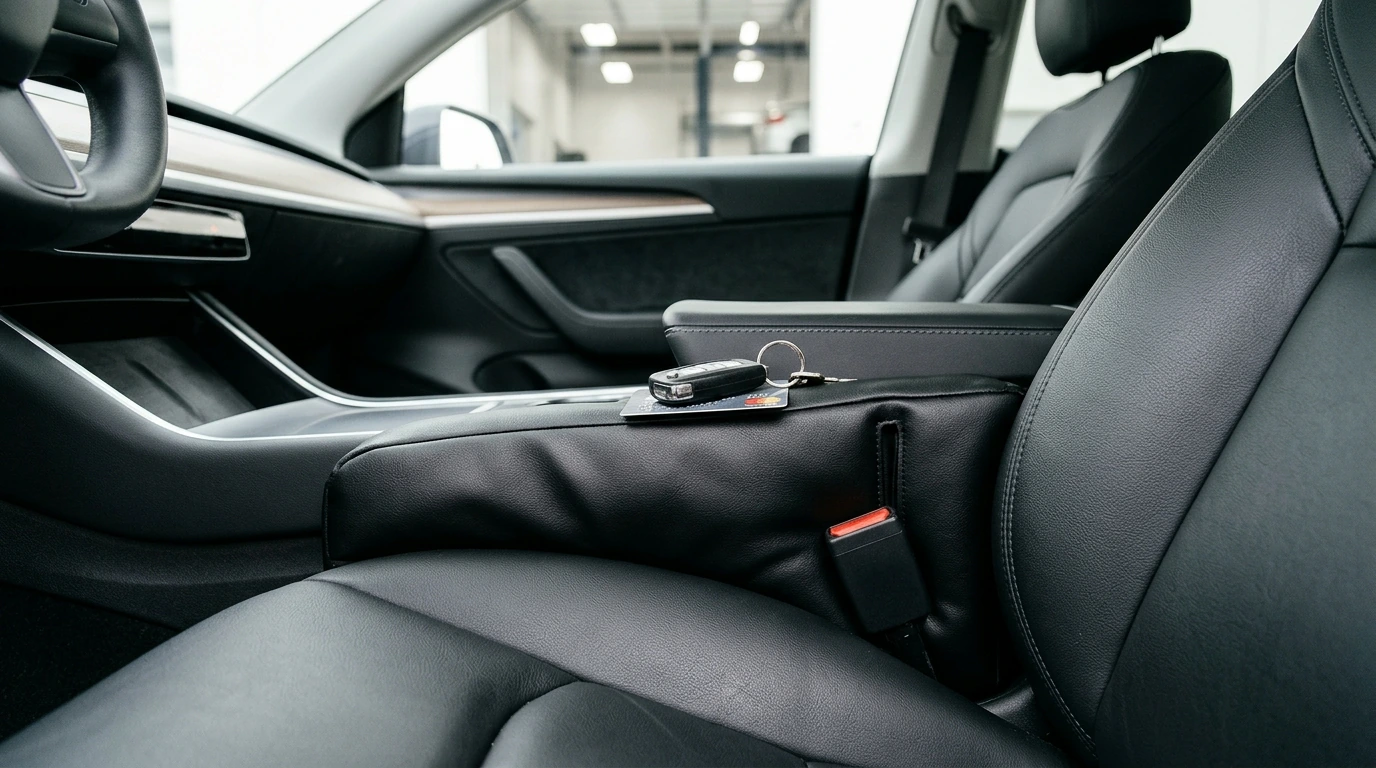
Car seat gap blockers are flexible inserts engineered to bridge the void between your front seats and the center console. Their primary function is to catch small items like phones, wallets, coins, and keys before they slip into the automotive abyss. Compared to older, more rigid plastic versions, many current models in 2026 feature more adaptable materials and universal designs, aiming for a cleaner integration and a less obtrusive presence within the cabin.
Critical Specifications and Their Impact
| Spec/Composition | What It Means | Verdict (Plus / Minus / Neutral) | Who Feels It |
|---|---|---|---|
| Material (e.g., PU Leather, Neoprene, High-Density Foam) | Dictates durability, aesthetic integration with your car's interior, and ease of cleaning. Softer, more pliable materials generally conform better to irregular gaps. | Plus | Drivers prioritizing cabin aesthetics, long-term wear, and simple maintenance. |
| Length and Coverage (e.g., 18-22 inches typical) | Determines how much of the seat-to-console gap is protected, from just the front area to nearly the entire seat length. Shorter blockers might miss items dropped further back. | Plus/Minus | Users with varying gap lengths or those who frequently adjust their seats across a wide range. |
| Attachment Method (e.g., integrated flap, friction fit) | Refers to how securely the blocker stays in place and whether it interferes with seatbelt buckle access. Designs with a flap that tucks around the seatbelt stalk are generally more stable. | Plus/Minus | Everyone, particularly those who value quick and unobstructed seatbelt engagement. |
| Width and Flexibility (e.g., 1-3 inches variable width) | Indicates how well the blocker adapts to different gap sizes and seat contours without being too bulky or too loose. Higher flexibility allows for a snugger fit in non-uniform gaps. | Plus | Users with irregular or tapering seat gaps who need a versatile solution. |
| Integrated Features (e.g., phone slots, coin pockets) | Some blockers include secondary storage options. While convenient, these can sometimes add bulk or limit the blocker's primary function of simply closing the gap. | Neutral | Drivers looking for multi-functional accessories, provided the added features don't compromise the core purpose. |
Daily Drives and Long Hauls, Real-World Performance
Considering their design and material specifications, seat gap blockers offer practical benefits across various driving scenarios.
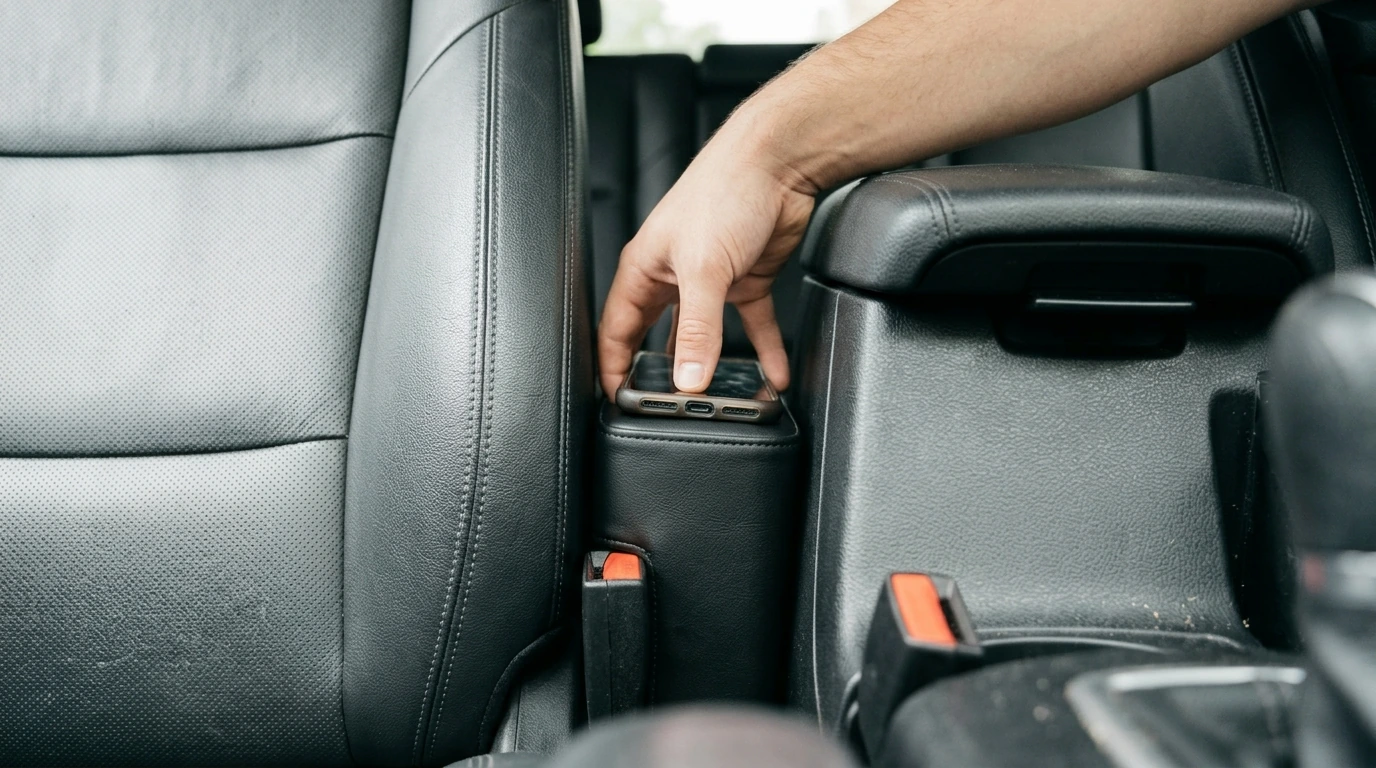
During a typical daily commute, these blockers shine by keeping essential items like your smartphone, keys, or parking pass from slipping out of reach. Based on common owner feedback, the simple act of preventing a dropped phone from landing under the seat can significantly reduce driver distraction, as there's no need to search for it while driving. The material choice, like high-density foam or neoprene, usually ensures items land softly and quietly.
On road trips with passengers, where the cabin often becomes a hub for snacks, charging cables, and various small items, gap blockers maintain order. They prevent crumbs and small toys from vanishing, making post-trip cleanup easier. The length and coverage specification becomes particularly relevant here, ensuring protection along the full length of the seat where passengers might be storing items.
For rideshare or professional driving, maintaining a clean and organized cabin is paramount for passenger satisfaction. These blockers help prevent passengers' belongings from getting lost, streamlining the handover process and ensuring a professional appearance. The ease of cleaning, often a feature of PU leather or neoprene materials, means quick wipes between fares are effective.
The Upsides and Practical Compromises
Advantages
- Effective Item Retention: Thanks to their specified length and material composition, these blockers reliably catch dropped keys, phones, and coins, preventing them from falling into inaccessible areas. This directly addresses the common frustration of lost items.
- Cleaner Cabin Environment: By sealing the gaps, they prevent debris, crumbs, and dust from accumulating in hard-to-reach seat crevices, making interior cleaning significantly easier, especially with wipeable materials like PU leather.
- Reduced Driving Distractions: Preventing items from falling means drivers are less likely to attempt to retrieve them while the vehicle is in motion, contributing to safer driving habits. This benefit is a direct result of their primary function of item retention.
- Enhanced Aesthetic Integration: Many modern designs, particularly those using quality PU leather and offering good flexibility, blend seamlessly with the car's interior, improving the overall cabin appearance without looking like an aftermarket add-on.
Drawbacks
- Potential Seat Adjustment Interference: Depending on the length and attachment method, some gap blockers might slightly impede the full range of seat forward/backward adjustment, particularly if they are very rigid or long. This can be a minor inconvenience for multiple drivers.
- Aesthetic Mismatch: While many aim for seamless integration, if the material or color doesn't closely match your car's interior, the blocker can stand out as an obvious add-on, detracting from the cabin's original design.
- Seatbelt Buckle Access Issues: Certain designs, especially those with a bulky width or an ill-fitting attachment method, can make it slightly harder to locate or buckle the seatbelt quickly. This is a common point of feedback for less refined models.
- Limited Secondary Storage: While some models offer integrated features like phone slots, these are often small and may not be suitable for larger modern smartphones, potentially adding bulk without significant utility for some users.
Other Ways to Keep Your Cabin Tidy
If seat gap blockers don't quite fit your needs, or if you're looking for broader organization solutions, several alternatives exist:
- Console Organizers: These fit directly into or on top of your center console, providing structured compartments for larger items, drinks, and charging cables. They offer more dedicated storage but can be bulkier.
- Seat Back Organizers: Ideal for rear passengers or for storing items not needed upfront, these hang from the back of the front seats, offering pockets for tablets, bottles, and toys. They don't address front seat gap issues directly.
- Custom-Fit Console Trays: Designed specifically for particular vehicle models, these trays often drop into existing console spaces to create tiered storage. They offer excellent integration but are typically pricier and vehicle-specific.
Making the Smart Choice, Value and Buying Advice
In terms of value, car seat gap blockers are generally an affordable accessory that offers a high return on investment for the convenience and peace of mind they provide. Preventing just one lost phone or credit card can easily justify their cost. However, their perceived value is highly personal, depending on how often you experience items falling into the abyss.
When considering a purchase, always check the current price at the official store or trusted retailers. More importantly, measure the length and width of your specific car's seat-to-console gap. Pay close attention to the material composition for durability and aesthetic match, and consider the attachment method to ensure it won't interfere with your seatbelt or seat adjustments. Reading owner reviews for your particular vehicle model can also provide invaluable insights into fit and function.
Final Verdict, Is It For You?
Buy if: You are consistently frustrated by items falling into your car's seat gaps, you value a cleaner and more organized front cabin, and you don't mind a minor aesthetic addition that can significantly improve daily convenience.
Skip if: Your car already has minimal seat-to-console gaps, you prefer an absolutely unobstructed console area, or you frequently make extreme seat adjustments that might be hindered by the blocker's presence.
Frequently Asked Questions
- Are these gap blockers universal fit? Many are designed with a degree of flexibility to fit a range of vehicles, but a perfect universal fit is rare. Always check product dimensions against your car's specific gaps.
- Do they interfere with seatbelt buckling? Some designs, particularly those that are wider or less flexible, can make it slightly harder to access the seatbelt buckle. Look for models with a dedicated cutout or a slim profile around the buckle area.
- How do I clean them? Most models made from PU leather or neoprene can be easily wiped clean with a damp cloth. Foam versions might require light vacuuming or spot cleaning.
- Can I still adjust my seats freely? For most typical seat adjustments, these blockers should not pose a significant issue. However, if you regularly slide your seat to its absolute forward or backward limits, some longer or more rigid blockers might cause minor resistance.
This review synthesizes manufacturer specifications and widely reported owner feedback, rather than relying on personal lab testing. Product features and regional variants may differ.


Comments
Post a Comment