
Navigating the Daihatsu Terios in 2026
The Daihatsu Terios remains a compelling option for those needing a compact SUV that blends a traditional rear-wheel drive (RWD) setup with genuine family seating capacity. It’s a vehicle that continues to carve out a niche for itself, especially in markets where ruggedness and passenger volume are prioritized over outright power or cutting-edge luxury.
The Terios Verdict for Prospective Owners
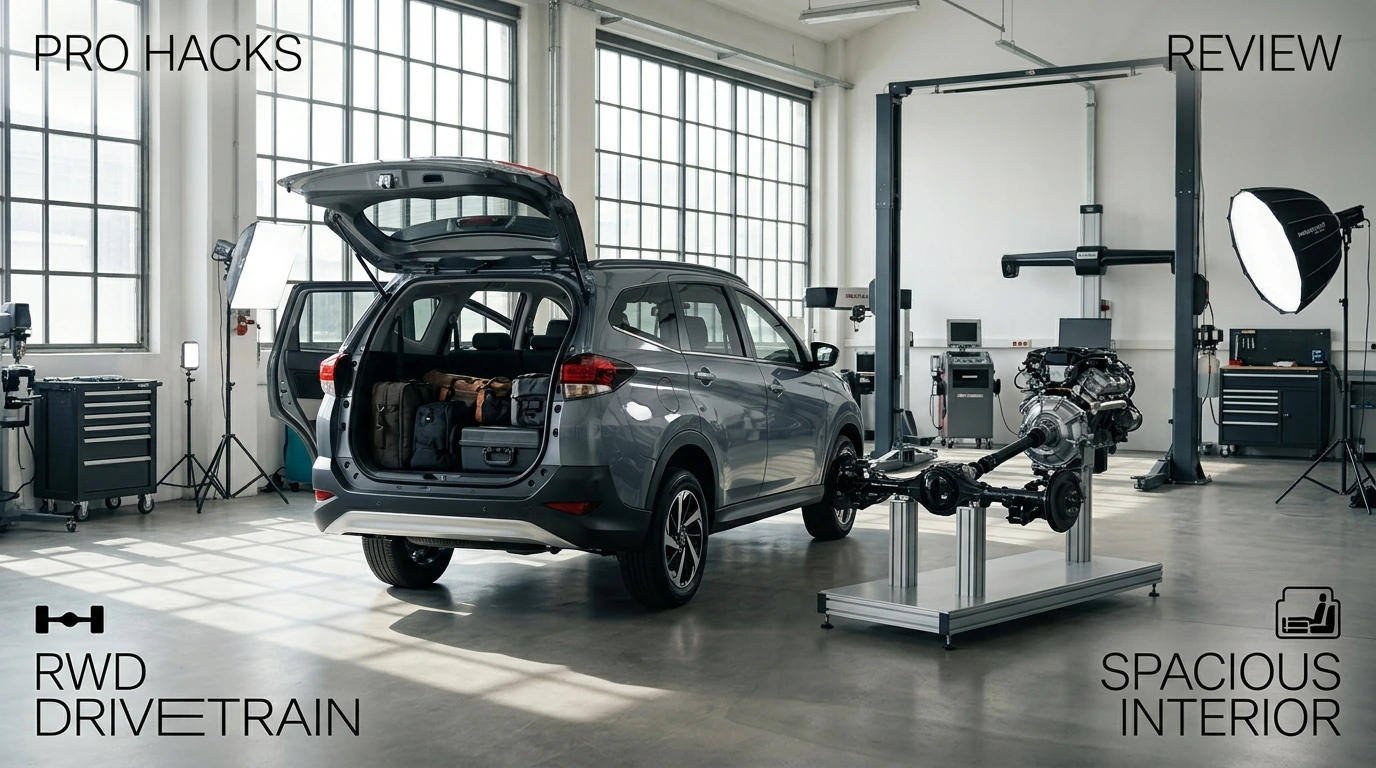
For 2026, the Daihatsu Terios is best suited for families or individuals who frequently navigate varied road conditions, including light off-road trails or steep inclines, and need the added traction and durability that rear-wheel drive offers. It excels as a practical, no-frills seven-seater for daily commutes and weekend adventures where passenger space and ground clearance are key.
However, those accustomed to the smoother, often quieter ride of front-wheel drive (FWD) crossovers, or who prioritize advanced safety features and premium interior finishes, might find the Terios a bit utilitarian. The single biggest trade-off is often its interior refinement and noise insulation, which can feel a step behind some FWD competitors in the same price bracket.
What Sets the Terios Apart
The Daihatsu Terios distinguishes itself primarily through its body-on-frame construction and a rear-wheel-drive powertrain, a setup increasingly rare in the compact SUV segment which is dominated by unibody FWD or AWD platforms. While many competitors, like the Toyota Rush (which shares its platform), offer similar family-oriented practicality, the Terios often positions itself as a slightly more accessible option, maintaining a focus on robust utility over high-tech frills. It hasn't seen a radical redesign recently, meaning its core appeal lies in its proven, durable architecture.
Core Specifications and Their Real-World Impact
Understanding the Terios means looking beyond the surface. Here’s how its key specifications translate into daily driving:
| Spec/Composition | What It Means in Practice | Verdict (Plus / Minus / Neutral) | Who Feels It Most |
|---|---|---|---|
| Rear-Wheel Drive (RWD) Drivetrain | Provides better traction on inclines when loaded, a tighter turning radius, and a more robust feel for light off-roading. However, it can be less stable in very slippery conditions compared to FWD without traction control. | Plus (for utility), Minor Minus (for extreme slipperiness) | Drivers on hilly terrain, those carrying heavy loads, or navigating unpaved roads. |
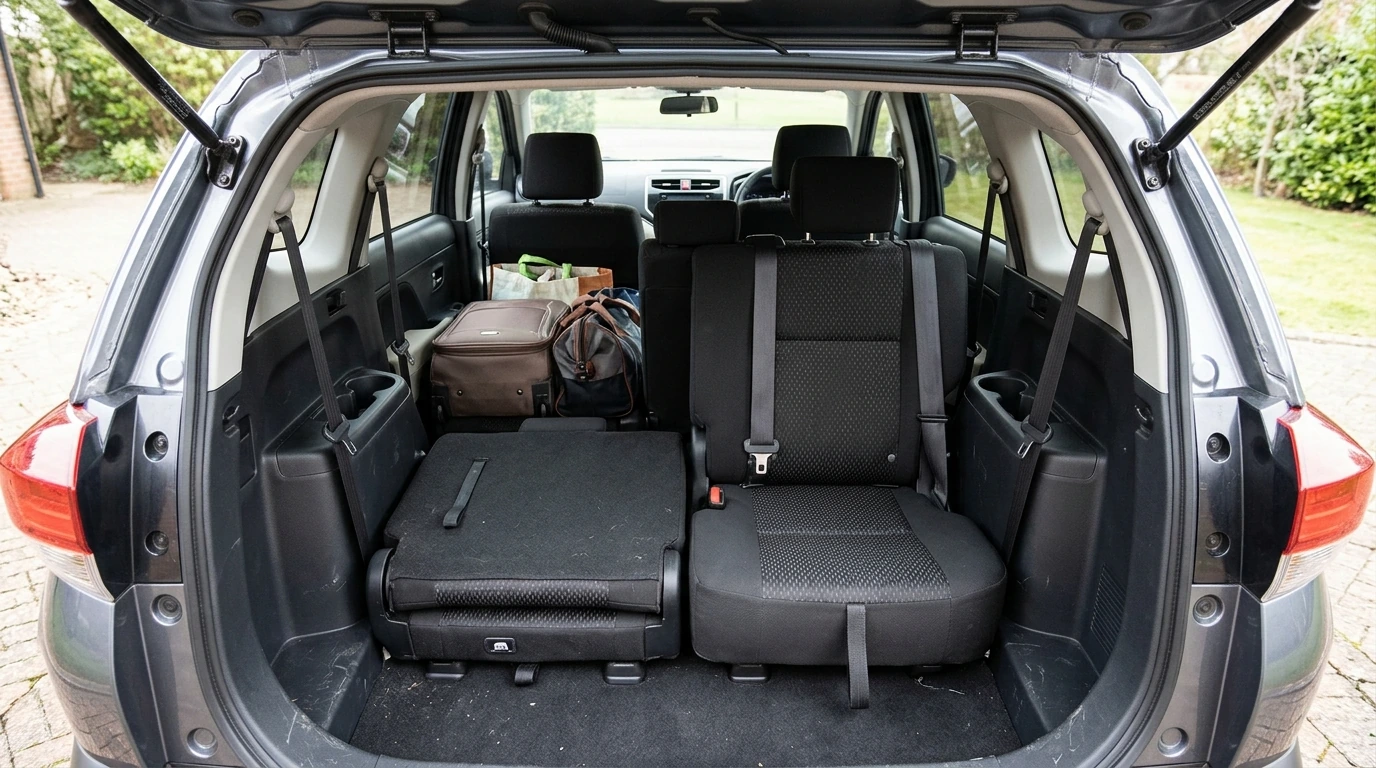
| 7-Seater Configuration (3 Rows) | Offers flexibility for larger families or carpooling. The third row, while present, is typically best suited for children or short trips for adults due to limited legroom. | Plus (for capacity), Neutral (for third-row comfort) | Families with multiple children, ride-share drivers, or those needing occasional extra passenger space. |
| 1.5L Naturally Aspirated Engine (e.g., 2NR-VE) | Known for reliability and fuel efficiency in city driving. Power delivery is adequate for urban and highway cruising but can feel strained when fully loaded or overtaking at higher speeds. | Plus (for reliability/economy), Minus (for high-load performance) | Commuters, budget-conscious drivers, or those who rarely push the vehicle to its limits. |
| High Ground Clearance (typically 220mm+) | Provides excellent capability over speed bumps, potholes, and uneven terrain, reducing the risk of undercarriage damage. This contributes to its SUV-like stance. | Strong Plus | Drivers in areas with poor road infrastructure, those who venture off paved roads, or simply appreciate a commanding driving position. |
| Body-on-Frame Construction | Offers superior durability and rigidity, especially beneficial for carrying heavy loads or enduring rough roads. It can, however, lead to a less refined ride quality and increased cabin noise compared to unibody designs. | Plus (for durability), Minus (for ride comfort/NVH) | Owners in demanding environments, those valuing long-term robustness, or utility-focused buyers. |
Real-World Driving Scenarios
Consider how the Terios would perform in common situations:
- Daily Family Commutes with Kids: With its seven-seater layout, the Terios handles school runs and grocery trips well. The high ground clearance means less worry about scraping the bottom on speed bumps or uneven parking lot entrances. However, the third row is a squeeze for teenagers, and the ride might feel a bit bouncy over continuous city imperfections compared to softer unibody crossovers.
- Weekend Trips to a Rural Getaway: This is where the RWD and high ground clearance shine. Navigating gravel roads, steep driveways, or even light mud would be handled with more confidence than many FWD rivals. The robust build generally withstands the rigors of less-maintained roads, though the engine might need to work harder on long highway climbs when fully loaded with passengers and luggage.
- Hauling Gear or Occasional Cargo: When the third row is folded down, the Terios offers a respectable amount of cargo space. The RWD configuration means the vehicle's weight distribution maintains better balance when loaded in the rear, which can be beneficial for stability. However, the load floor might be higher than some minivans or FWD SUVs due to the RWD architecture.
Advantages and Drawbacks for the Daihatsu Terios
Key Advantages
- Confident Traction on Inclines: The Rear-Wheel Drive (RWD) drivetrain provides superior grip when starting on steep hills, especially when the vehicle is loaded, which is a significant plus for drivers in hilly regions.
- Exceptional Ground Clearance: With typically over 220mm of ground clearance, the Terios confidently tackles rough roads, large potholes, and minor obstacles without fear of scraping the undercarriage, making it suitable for varied terrain.
- Robust and Durable Build: Its body-on-frame construction contributes to a very sturdy and long-lasting vehicle, capable of enduring challenging road conditions and heavy use over many years, appealing to practical buyers.
- Family-Friendly Capacity: The 7-seater configuration offers genuine versatility for larger families or those who frequently transport multiple passengers, providing a practical solution for daily needs and occasional group outings.
Notable Drawbacks
- Less Refined Ride Quality: The body-on-frame construction, while durable, can lead to a firmer, sometimes bouncier ride compared to modern unibody crossovers, which might be noticeable on long highway stretches.
- Limited Third-Row Comfort: While a 7-seater, the third row of seats typically offers restricted legroom and is best suited for children or short journeys for adults, making it less ideal for extended trips with seven full-sized passengers.
- Modest Engine Performance: The 1.5L naturally aspirated engine, while reliable and economical, can feel underpowered when the vehicle is fully loaded with passengers and cargo, especially during highway overtaking maneuvers.
- Cabin Noise Levels: Compared to more contemporary unibody vehicles, the body-on-frame design, coupled with less extensive sound insulation, can result in higher levels of road and engine noise entering the cabin, affecting comfort on longer drives.
PRO TIP: Maximizing RWD Traction
While RWD offers benefits, remember that lighter rear ends can lose traction in extremely slippery conditions. Ensure your tires are in excellent condition and properly inflated. For occasional light snow or mud, carrying some extra weight in the rear cargo area (e.g., a bag of sand, securely tied down) can subtly improve rear-wheel grip.
Alternatives Worth Considering
If the Daihatsu Terios doesn't quite fit your needs, here are a couple of real competitors:
- Toyota Rush: Often considered a direct sibling, the Rush shares much of the Terios's mechanicals and RWD philosophy. It might be the better pick if you prefer Toyota's slightly more established branding and potentially a wider service network, often with a marginally higher price point for similar features.
- Mitsubishi Xpander: This FWD MPV-SUV crossover offers a more car-like ride and often a more refined interior with better noise insulation. Choose the Xpander if your priority is comfort, a smoother ride, and more modern styling, especially if you rarely encounter truly rough roads.
- Honda BR-V: Another FWD option, the BR-V often provides a good balance of family space, fuel efficiency, and a more car-like driving experience. It would be a better choice if you value a slightly more premium feel and don't require the rugged RWD capability of the Terios.
Value and Buying Advice
The Daihatsu Terios generally offers strong value within its segment, particularly for its combination of seven-seater capacity, RWD durability, and high ground clearance. It's positioned as a practical workhorse rather than a luxury family hauler, and its pricing usually reflects this utilitarian approach. To assess its current value, always check the latest pricing at authorized Daihatsu dealerships or trusted online retailers, as prices can vary by region and available trim levels. Consider the total cost of ownership, including fuel efficiency and maintenance, which are typically favorable for this type of vehicle.
Final Recommendation
Buy if: You need a durable, high-clearance, 7-seater SUV for varied road conditions, value the robustness of RWD and body-on-frame construction, and prioritize practicality and reliability over premium features or a highly refined ride.
Skip if: You primarily drive on smooth city roads, prioritize a plush ride, advanced safety tech, superior cabin quietness, or need a genuinely spacious third row for adult passengers on long journeys.
Frequently Asked Questions About the Daihatsu Terios
- Is the Daihatsu Terios good for long drives?
- The Terios is capable of long drives, especially for families. However, its body-on-frame construction and modest engine might mean a firmer ride and less spirited overtaking on highways compared to some unibody competitors. Cabin noise levels can also be higher.
- How does the RWD system benefit the Terios?
- The Rear-Wheel Drive (RWD) system provides better traction when climbing inclines, particularly when the vehicle is loaded. It also allows for a tighter turning radius, aiding maneuverability in urban spaces, and contributes to a more robust feel for light off-road use.
- Is the third row of the Terios comfortable for adults?
- The third row of the Daihatsu Terios is generally considered best suited for children or for adults on very short trips. Legroom and headroom are limited, making it less comfortable for full-sized adults on extended journeys.
- What is the fuel efficiency like for the Terios?
- Equipped with a 1.5L naturally aspirated engine, the Terios typically offers good fuel efficiency for its class, especially in city driving. Actual consumption figures will vary based on driving style, load, and road conditions, but it's generally considered an economical choice.
This review is compiled from official specifications and widely reported user feedback rather than a personal lab test. Specific details and available features can differ by region or vehicle variant.


Comments
Post a Comment