
Pulling into the garage after a long drive, that subtle but persistent rattle from your rear license plate can be an unexpected annoyance. For many drivers, the quick fix is often a trip to the local auto parts store for a new set of screws or perhaps a cheap plastic frame. Yet, a more robust and often overlooked solution exists in the form of silicone license plate frames, offering benefits far beyond just silencing a loose plate.
Key Takeaways
- Silicone frames actively dampen license plate rattles and vibrations for a quieter ride.
- They provide a crucial protective barrier, preventing metal-on-paint abrasion and scratches.
- Integrated drainage designs help prevent water and debris buildup, reducing corrosion risks.
- High-grade silicone ensures durability and resistance to UV, extreme temperatures, and chemicals.
These specialized frames are not just a cosmetic upgrade; they are a functional accessory designed to tackle common automotive frustrations. They are best suited for drivers who prioritize a quiet cabin, value their vehicle's paint integrity, and want a low-maintenance solution to a common problem. If you frequently swap out your license plates or prefer the stark, minimalist look of no frame at all, these might introduce a bulkier profile than you prefer. The biggest trade-off? Their understated, uniform aesthetic means less opportunity for personalization compared to highly decorative metal frames.
What Makes Them Different?
Unlike traditional metal or hard plastic frames, silicone versions are crafted from a flexible, resilient material that offers a unique set of advantages. They sit in a premium segment for plate frames, often priced higher than basic plastic but comparable to mid-range metal options. The key distinction from their predecessors and alternatives lies in their material properties: silicone's inherent elasticity and dampening capabilities are central to their function, creating a buffer between the metal plate, the vehicle's paint, and the mounting hardware. This isn't a minor iteration; it's a fundamental shift in how a license plate frame performs.
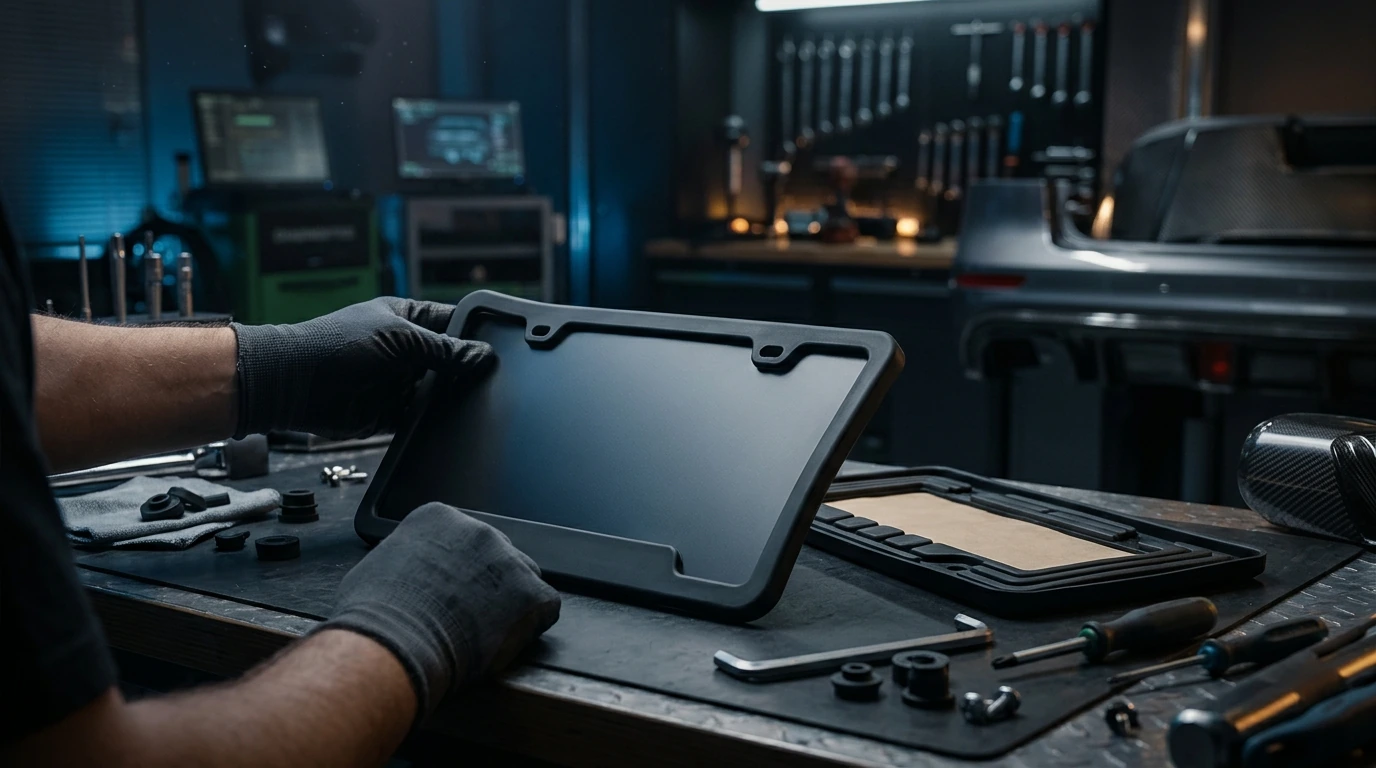
Core Material Properties Explained
Understanding the specifications of silicone frames reveals why they offer such distinct benefits. The choice of material and design elements directly impacts their real-world performance.
| Spec/Composition | What It Means in Practice | Verdict | Who Benefits (or Suffers) |
|---|---|---|---|
| Material: High-Grade Silicone Rubber | Provides excellent flexibility, shock absorption, and chemical resistance. It won't scratch paint like metal or become brittle like cheaper plastics. | Plus | Detail-oriented owners, those in harsh climates, anyone seeking long-term durability and paint protection. |
| Drainage: Open Bottom Design / Integrated Drain Holes | Prevents water, dirt, and road salt from accumulating behind the plate, which can lead to corrosion and unsightly streaks on the vehicle's paint. | Plus | Drivers in wet climates, those who frequently wash their car, owners concerned about rust and paint stains. |
| UV Resistance: High (Automotive Grade) | The material resists degradation, fading, and cracking when exposed to prolonged sunlight, maintaining its integrity and appearance over years. | Plus | Owners in sunny regions, those who park outdoors for extended periods. |
| Temperature Range: Wide Operating Range (e.g., -60°F to 400°F) | Ensures the frame remains flexible and functional without becoming brittle in extreme cold or soft/tacky in intense heat. | Plus | Drivers in regions with significant seasonal temperature variations. |
| Fitment: Universal Standard Plate Size | Designed to snugly fit standard US license plates, ensuring a secure and rattle-free installation without impeding plate visibility. | Neutral | Most drivers, though those with non-standard plates or custom mounts should double-check dimensions. |
Real-World Scenarios for Plate Frames
Consider how these frames perform in typical driving situations, based on their design and the material properties discussed.
- Daily Commuting in Mixed Traffic: During regular drives, vibrations from engine idle, road imperfections, and closing doors can cause metal plates to rattle against the car body. A silicone frame, due to its dampening properties, should effectively absorb these micro-vibrations, leading to a noticeably quieter experience inside the cabin. Owners commonly report a significant reduction in irritating plate noise.
- Driving in Harsh Weather Conditions: In regions with heavy rain, snow, or road salt, water and corrosive agents can get trapped behind traditional frames, leading to rust on the plate screws and unsightly streaks on the paintwork. The integrated drainage system of silicone frames is designed to channel water away, minimizing accumulation and reducing the risk of rust and paint damage over time. This proactive design helps preserve the car's finish.
- Automated Car Washes and High-Pressure Cleaning: The flexibility and secure fit of silicone frames mean they are less likely to be bent, scratched, or dislodged by the brushes and high-pressure jets in automated car washes compared to rigid plastic or flimsy metal frames. The material's resistance to cleaning chemicals also ensures it maintains its appearance and protective qualities without degrading.
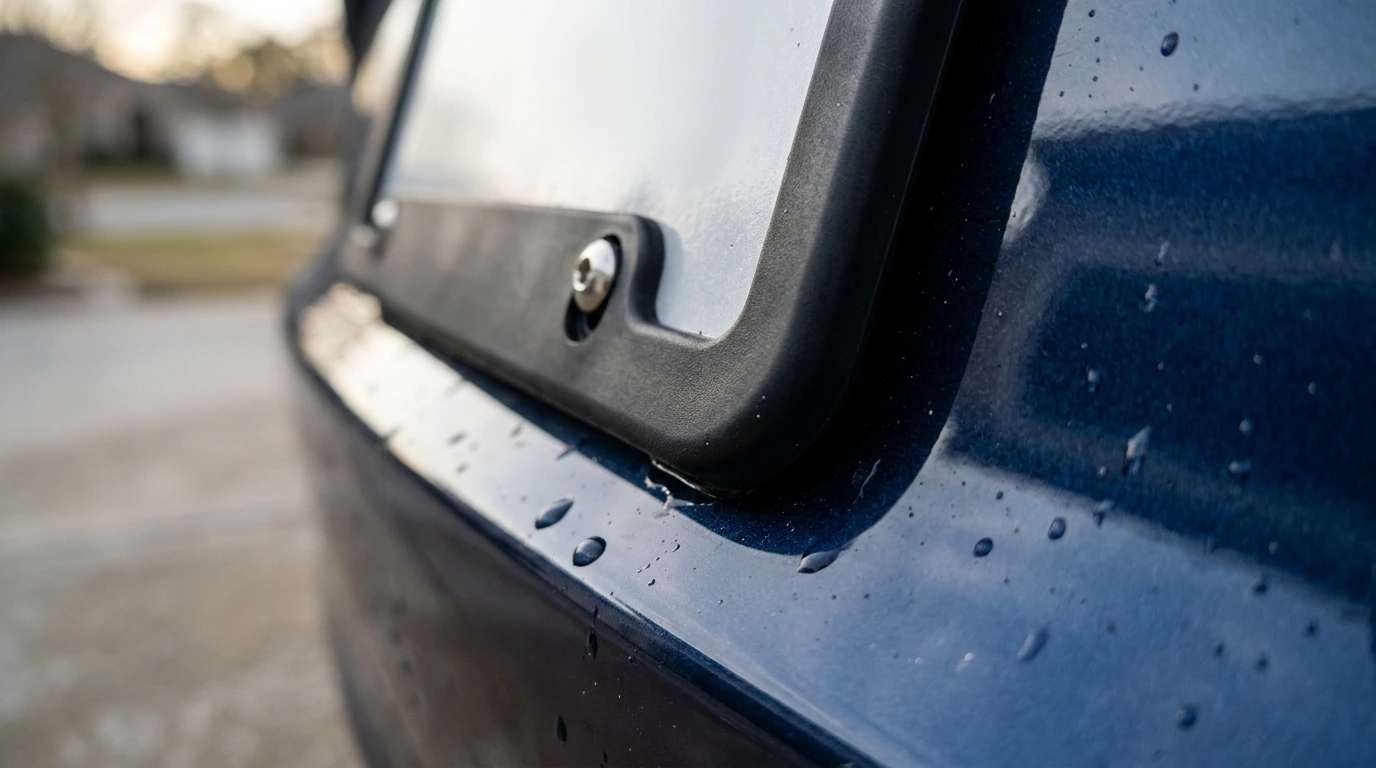
Advantages of a Silicone Frame
The benefits of opting for a silicone license plate frame are specific and directly tied to its composition and design.
The Upsides
- Effective Noise Elimination: The high-grade silicone material's inherent flexibility and dampening properties (as noted in material analysis) significantly reduce metal-on-metal or metal-on-paint rattles from your license plate, contributing to a quieter ride.
- Superior Paint Protection: By creating a soft, non-abrasive barrier between the license plate and your vehicle's paintwork (due to the silicone material), these frames prevent scratches, chips, and swirl marks that often result from direct contact or vibrations.
- Prevents Corrosion and Streaks: The integrated drainage design (open bottom/drain holes) ensures water and road grime are expelled, preventing the buildup that causes rust on screws and unsightly, corrosive streaks down your bumper.
- Exceptional Durability and Weather Resistance: High-grade automotive silicone, with its high UV resistance and wide temperature range, means the frame will not crack, fade, or deform under harsh environmental conditions, providing long-lasting performance.
- Clean and Streamlined Aesthetics: The low-profile design and uniform finish of silicone frames, coupled with their resistance to rust and fading, maintain a clean, modern look on your vehicle without distracting embellishments.
Considerations Before Buying
While highly effective, silicone frames do come with a few points to consider that might influence your decision.
The Downsides
- Slightly Bulkier Appearance: Compared to ultra-thin metal frames or no frame at all, the silicone material (due to its necessary thickness for dampening) can appear slightly thicker, which might not appeal to those seeking the absolute slimmest profile.
- Potential for Debris Trapping: While designed with drainage, the snug fit around the plate can still, in some instances, trap fine dust or grit between the frame and the plate over long periods if not occasionally removed and cleaned, especially in very dusty environments.
- Limited Customization Options: The uniform nature of silicone frames (a property of the material itself) means fewer opportunities for intricate designs, engravings, or a wide array of colors compared to the vast customization available with metal or plastic frames.
- Fitment Nuances: Although designed for universal standard plate sizes, minor variations in a vehicle's mounting points or the exact dimensions of a regional plate can occasionally lead to a fit that is either too tight or slightly loose for a truly 'flush' look.
PRO TIP: Regular Cleaning Matters
Even with integrated drainage, periodically removing your silicone frame and cleaning behind it will prevent any fine grit or road film from accumulating, ensuring maximum paint protection and preventing any potential for trapped moisture to cause issues over years of use.
Other Plate Frame Options
While silicone frames offer distinct advantages, other choices exist. Traditional chrome or stainless steel frames provide a classic, often customizable look, and are a better pick if aesthetics and engraving are your top priority. Basic plastic frames are the most economical, suitable if you need a temporary solution or are on a very tight budget and noise/paint protection is less critical.
Assessing Value and Purchase Advice
Silicone license plate frames generally offer good value within their price segment, especially when considering the long-term benefits of paint protection and noise reduction. They are an investment in your vehicle's finish and your driving comfort. Given that prices can vary by retailer and region, it's always advisable to check current pricing at official automotive stores or trusted online retailers.
Final Word: Buy or Skip?
Buy if: You value a quiet driving experience, want to actively protect your vehicle's paintwork from scratches and rust, and prefer a durable, low-maintenance accessory that withstands various weather conditions.
Skip if: You prioritize highly customized aesthetic designs, frequently change your license plates, or prefer the absolute slimmest profile possible and are not concerned with potential rattles or paint abrasion.
This review compiles information from official product specifications and widely reported owner feedback, rather than personal hands-on testing. Specific details and features may vary slightly depending on the manufacturer and regional variants.


Comments
Post a Comment