
Do your car's floor carpets look perpetually damp and smell a bit musty after a rainy week? The constant moisture from wet shoes isn't just a minor annoyance; it's a direct pathway to accelerated wear, mold growth, and persistent odors that degrade your car's interior value and air quality.
Key Takeaways
- Wet shoes introduce moisture, salt, and grime, leading to carpet degradation over time.
- All-weather floor mats with high perimeter lips are the most effective physical barrier for containment.
- Hydrophobic fabric protectors can add an extra layer of defense for the carpet fibers themselves.
- Regular cleaning, drying, and ventilation are crucial to prevent mold and odor buildup in the long run.
Protecting your car's floor carpets from wet shoes primarily involves creating a robust barrier and managing moisture. The most effective strategy combines high-quality, custom-fit all-weather floor mats with a proactive cleaning routine. This approach suits anyone living in wet climates, regularly transporting children or pets, or simply wanting to preserve their vehicle's interior. Those who rarely encounter rain or snow, or who lease vehicles for short terms, might find the investment in premium mats less critical. The biggest trade-off is often the initial cost of durable, well-fitting mats versus cheaper, less effective universal options.
Beyond the Dampness: Understanding Carpet Degradation
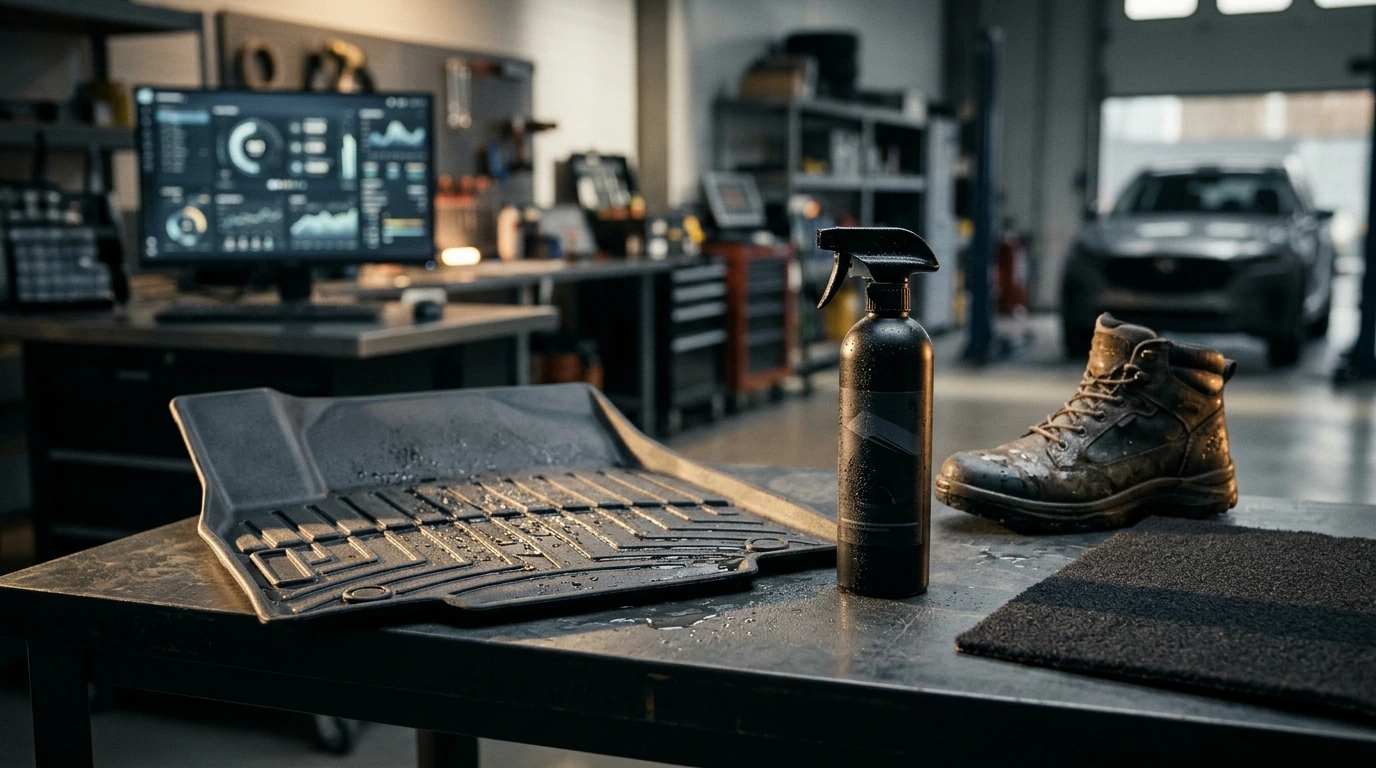
When we talk about preventing wet shoes from damaging car carpets, we're discussing a range of solutions from physical barriers to chemical treatments. The fundamental difference lies in their approach: some products physically contain the moisture and debris, while others aim to repel it at a molecular level. Unlike basic carpet mats that absorb moisture, modern solutions focus on containment or resistance. High-lip thermoplastic elastomer (TPE) mats, for instance, are designed to trap gallons of liquid, a significant upgrade from flat rubber or fabric mats that merely delay saturation.
Key Attributes of Effective Carpet Protection Systems
Choosing the right defense against wet shoes means understanding the core characteristics that make these solutions effective. Here's a breakdown of the critical specifications and what they mean for your vehicle's interior.
| Spec/Composition | What It Means | Verdict (Plus / Minus / Neutral) | Who Feels It |
|---|---|---|---|
| Material: Thermoplastic Elastomer (TPE) | TPE offers a balance of rubber-like flexibility and plastic-like durability. It's resistant to extreme temperatures, chemicals, and abrasion, making it ideal for harsh automotive environments without the strong odor of traditional rubber. | Plus | Users in varied climates, those sensitive to odors, and anyone seeking long-term durability. |
| Design Feature: High Perimeter Lip | A raised edge around the entire mat forms a tray, effectively containing liquids like melted snow, spilled drinks, or mud. This prevents moisture from seeping onto the underlying carpet. | Plus | Drivers in snowy/rainy regions, families with children, and outdoor enthusiasts. |
| Backing: Anti-Slip Nibs/Spikes | Small, textured protrusions on the underside of the mat grip the carpet, preventing the mat from shifting or bunching up underfoot. This enhances safety and ensures consistent coverage. | Plus | All drivers, especially those who prioritize safety and a tidy interior. |
| Treatment: Hydrophobic Fabric Coating | These spray-on treatments create a microscopic barrier on fabric carpets, causing water to bead up and roll off rather than soaking in. It's a secondary defense for the carpet itself. | Plus | Owners looking for an extra layer of protection, particularly for areas not covered by mats or for OEM carpet mats. |
| Fit: Custom-Fit vs. Universal | Custom-fit mats are precisely molded to the contours of a specific vehicle's floor, maximizing coverage and containment. Universal mats offer less precise coverage, leaving gaps. | Plus (Custom-Fit) / Minus (Universal) | Anyone seeking maximum protection and a factory-like aesthetic; universal users accept compromise. |
Real-World Scenarios: Keeping Your Car's Interior Pristine
Understanding how these protection methods perform in daily life helps solidify their value. Here's an informed analysis of typical usage scenarios.
Daily Commuter in a Rainy City
For someone navigating urban environments with frequent rain, custom-fit TPE mats with high perimeter lips are invaluable. The TPE material's resistance to water and road salts means it won't degrade quickly, and its contained design ensures that all the water from your wet shoes stays on the mat, not soaking into the carpet. Drivers will appreciate the easy cleanup – a simple wipe or rinse – preventing that persistent damp smell often associated with wet car interiors.
Weekend Warrior with Muddy Boots
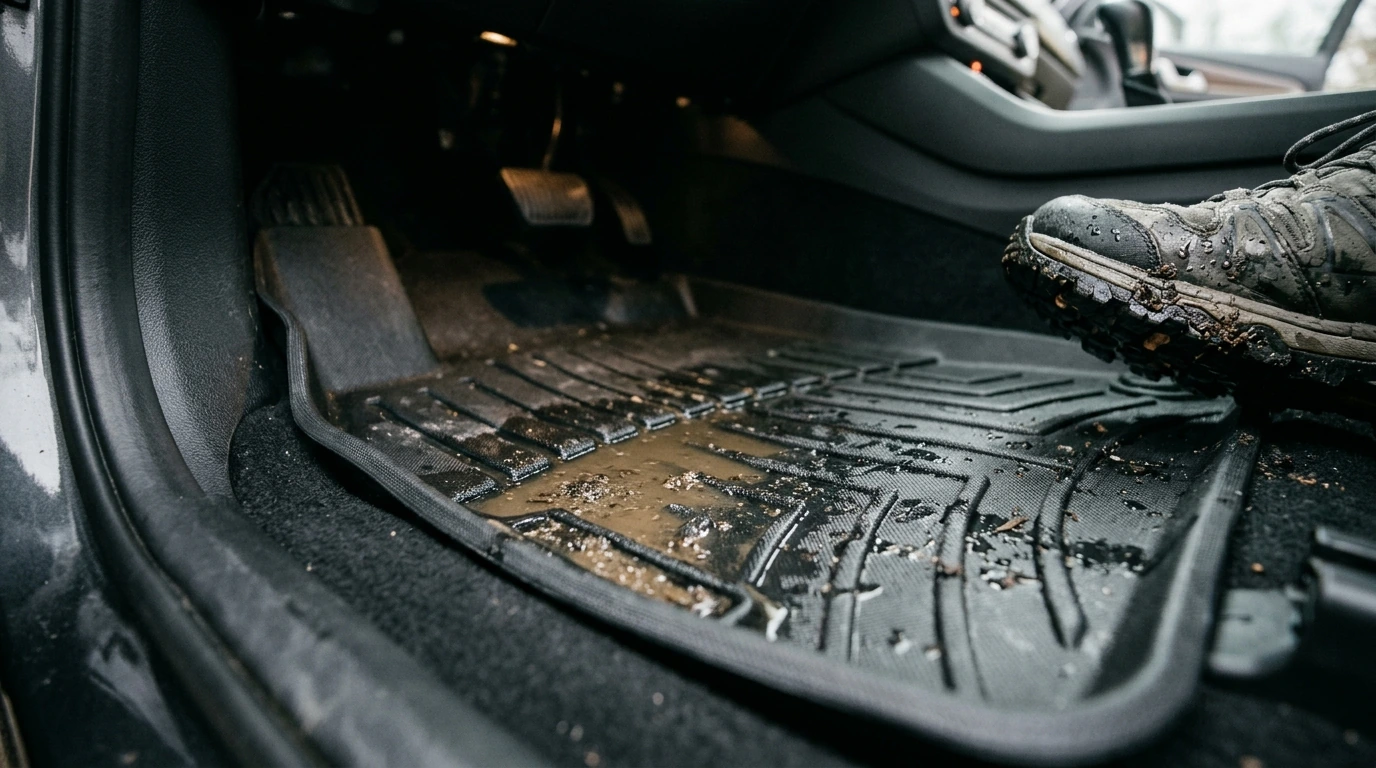
If your adventures involve hiking trails, off-roading, or muddy sports, the high perimeter lip of quality all-weather mats becomes critical. The deep channels and raised edges are designed to trap significant amounts of mud, dirt, and debris, preventing it from spreading onto your pristine carpet. The anti-slip backing ensures the mat stays put even when heavily laden, offering consistent protection. This setup drastically reduces the time and effort needed for post-adventure cleanup.
Family Vehicle with Spills and Messes
Families often face more than just wet shoes; spills from drinks, snacks, and general kid-related messes are common. While high-lip mats handle liquids effectively, adding a hydrophobic fabric coating to the underlying carpet or even OEM carpet mats provides an extra layer of defense. This treatment makes cleanup easier, as liquids bead up on the surface, allowing for quicker blotting before they can stain or penetrate the fibers, complementing the primary protection offered by all-weather mats.
Pro Tip: Regular Mat Maintenance
Even the best all-weather mats need regular attention. Periodically remove them, dump out any collected debris and liquid, and rinse them thoroughly. Allow them to air dry completely before reinstalling to prevent any trapped moisture from creating mildew under the mat itself.
Advantages of a Comprehensive Protection Strategy
Adopting a multi-faceted approach to carpet protection offers several distinct benefits.
- Superior Moisture Containment: The high perimeter lip design, enabled by durable TPE material, ensures that melted snow, rain, and spills are effectively trapped on the mat, directly preventing carpet saturation.
- Enhanced Durability and Longevity: TPE's resistance to chemicals, abrasion, and temperature extremes means the mats themselves last longer and maintain their protective qualities, which in turn preserves the original carpet.
- Improved Interior Hygiene: By containing moisture and debris, and being easy to clean, these solutions significantly reduce the risk of mold, mildew, and unpleasant odors, which are common issues with damp carpets.
- Maintained Resale Value: A clean, odor-free, and well-preserved interior, free from water stains and carpet wear, contributes positively to your vehicle's overall resale value.
Potential Limitations to Consider
While highly effective, these solutions do come with some drawbacks.
- Higher Initial Cost: Custom-fit TPE mats, due to their specific molding and material quality, typically represent a higher upfront investment compared to generic fabric or universal rubber mats. This cost is a direct result of their precise fit and material specifications.
- Aesthetic Preference: Some users prefer the softer, more luxurious feel and appearance of carpeted floors. All-weather mats, while practical, offer a more utilitarian look and feel due to their TPE composition and rugged design.
- Requires Periodic Cleaning: While easy to clean, the containment function means mats will visibly collect dirt and liquid. They require regular removal and rinsing to maintain cleanliness and prevent buildup, which is a necessary step the user must undertake.
- Limited Full Carpet Coverage: Even custom-fit mats don't cover 100% of the vehicle's floor. Small edges or vertical carpeted surfaces may remain exposed, requiring supplementary protection like hydrophobic sprays if absolute coverage is desired.
Other Methods to Safeguard Your Floors
While custom-fit all-weather mats are the gold standard, other options exist depending on your needs and budget.
- Universal Trim-to-Fit Rubber Mats: These are a more budget-friendly option. While they offer some protection against moisture, their trim-to-fit nature means they won't provide the precise, edge-to-edge coverage and high-lip containment of custom-fit models. They are a better pick for short-term use or older vehicles where maximum investment isn't warranted.
- Carpet-Specific Fabric Protectors: Products like automotive-grade fabric guards (e.g., from brands like 303 or Scotchgard) can be sprayed directly onto your original carpet. They create a hydrophobic barrier, causing liquids to bead up. This is an excellent supplementary measure, particularly for areas not covered by mats or for protecting the OEM carpet mats themselves, but it's not a primary barrier against heavy water ingress.
Investing in Long-Term Interior Health
The value of preventing wet shoes from damaging your car's carpets extends beyond immediate cleanliness. It's about preserving the structural integrity of your vehicle's interior, maintaining a pleasant cabin environment, and protecting your investment. While the upfront cost of high-quality, custom-fit all-weather mats might seem significant, it's often far less than the cost of professional carpet cleaning, odor remediation, or even carpet replacement down the line. Always check current prices at official retailers or trusted automotive accessory stores, as regional pricing and promotions can vary.
Making the Right Choice for Your Vehicle
Buy if: You live in a region with frequent rain or snow, regularly transport children or pets, participate in outdoor activities, or simply prioritize maintaining your vehicle's interior in pristine condition for years to come. The long-term protection against wear, mold, and odors makes the investment worthwhile.
Skip if: You primarily drive in dry climates, rarely encounter wet conditions, or plan to own your vehicle for only a very short period where the long-term benefits won't be fully realized.
Frequently Asked Questions
How often should I clean all-weather floor mats?
For optimal protection and hygiene, all-weather mats should be cleaned as needed, typically once a month or more frequently during heavy rain or snow seasons. A simple rinse with water and a mild detergent usually suffices.
Can I use hydrophobic sprays on my all-weather rubber or TPE mats?
While hydrophobic sprays are primarily designed for fabric, some may be used on rubber or TPE to enhance water beading. However, the non-porous nature of these materials means the primary benefit is in their inherent water resistance and contained design, making such sprays less critical.
Do all-weather mats prevent odors?
Yes, by containing moisture and preventing it from soaking into the absorbent carpet, quality all-weather mats significantly reduce the conditions that lead to mold, mildew, and associated musty odors. However, the mats themselves need regular cleaning to prevent odor-causing bacteria from growing on their surface.
This review is compiled from official product specifications and widely reported user feedback rather than personal lab testing. Specific details and material compositions can vary slightly by region or product variant, so always verify current information directly from the manufacturer.


Comments
Post a Comment