For many drivers, the thought of changing lanes on a busy highway can induce a moment of anxiety, often due to the elusive 'blind spot.' These areas, invisible in standard rearview and side mirrors, represent a genuine safety concern. This is where blind spot mirrors enter the conversation, promising to expand a driver's field of vision and mitigate potential hazards. But do these small, often inexpensive additions truly deliver on their promise of enhanced safety?
The Unseen Advantage in Lane Changes
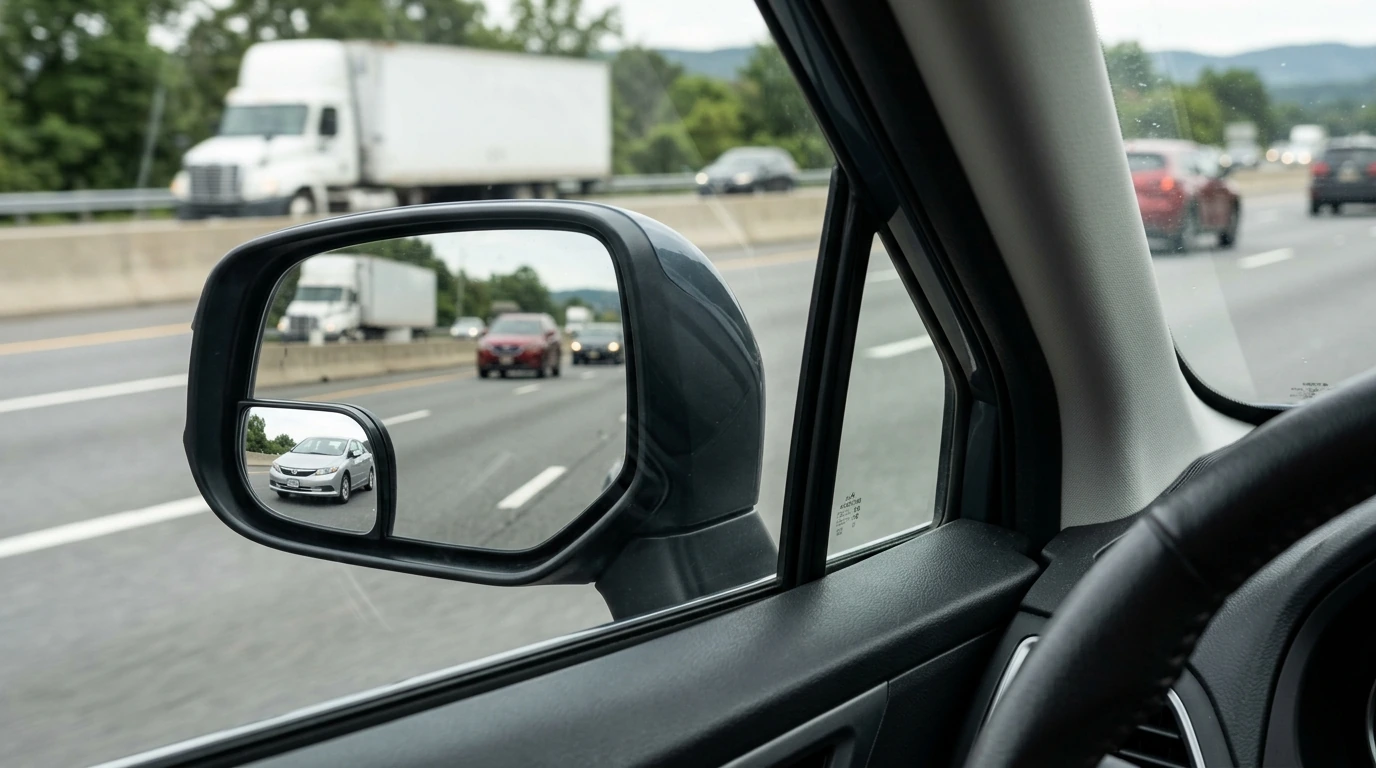
Blind spot mirrors are designed to provide a wider angle of view than conventional flat mirrors, effectively revealing vehicles or objects that might be obscured from a driver's direct line of sight or standard mirror reflection. Their core strength lies in their ability to offer a supplementary perspective, drastically reducing the size of, or even eliminating, the traditional blind spot. This expanded visual information is crucial for safer lane changes, merging onto highways, and even parking maneuvers, offering drivers an additional layer of confidence and awareness.
Design & Construction: What Makes Them Work?
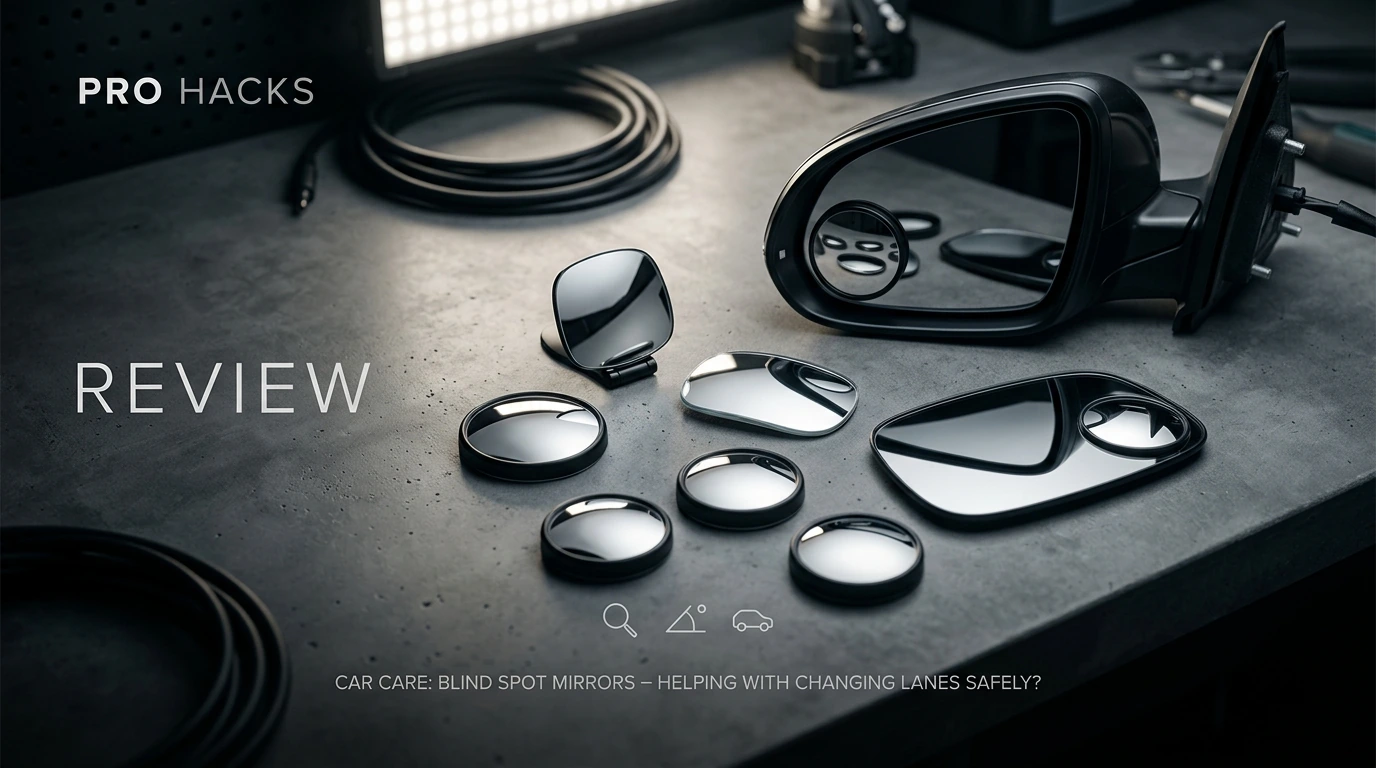
Most blind spot mirrors fall into a few primary categories, each with distinct characteristics. The most common type is the small, convex mirror, typically circular or rectangular, designed to be adhered directly onto the existing side mirror glass. These are usually made from durable, weather-resistant glass or acrylic, featuring a strong adhesive backing for secure attachment. Some models come with a swivel or adjustable base, allowing for fine-tuning of the viewing angle after installation. Another variant is the integrated blind spot mirror, often found in newer vehicle models, where a small convex section is built directly into the main side mirror glass itself, offering a seamless aesthetic.
The convex curvature is the key to their functionality. While it distorts distances, making objects appear further away than they are, it simultaneously compresses a much larger area into a smaller reflective surface. This trade-off is widely accepted because the primary goal is not precise distance judgment, but rather the detection of presence within the blind zone.
Real-World Utility: Bridging the Visual Gap
In practical driving scenarios, blind spot mirrors are widely reported to significantly improve situational awareness. Drivers often cite a noticeable reduction in head-turning maneuvers, as a quick glance at the blind spot mirror can confirm the absence or presence of a vehicle in the adjacent lane. This is particularly beneficial on multi-lane roads where traffic flow is dense and dynamic.
While they do present objects as smaller and more distant, experienced drivers quickly adapt to interpreting the visual information. The mirror's purpose is to act as an alert system, not a primary tool for judging speed or precise proximity. For instance, when preparing to merge, a driver can check their standard side mirror, then quickly flick their eyes to the blind spot mirror to confirm the lane is clear before initiating the maneuver. This two-step verification process, often called the 'mirror-signal-mirror' check, becomes more robust with the addition of a blind spot mirror.
Advantages & Considerations
Advantages:
- Enhanced Safety: Significantly reduces blind spots, minimizing the risk of collisions during lane changes.
- Increased Confidence: Provides drivers with more visual information, fostering greater assurance on the road.
- Affordable & Easy Installation: Most aftermarket options are inexpensive and can be installed in minutes without tools.
- Versatility: Available in various shapes and sizes to fit most vehicle side mirrors.
Considerations:
- Distance Distortion: Convex mirrors make objects appear farther away, requiring driver adaptation.
- Aesthetic Impact: Some drivers may find aftermarket stick-on mirrors detract from the vehicle's appearance.
- Potential for Over-reliance: They are an aid, not a replacement for head checks and proper mirror adjustment.
- Quality Variation: Inexpensive models may have poor adhesion, distorted reflection, or degrade quickly.
Making the Smart Choice: Are They Right for Your Vehicle?
For drivers seeking an affordable and effective upgrade to their vehicle's safety features, blind spot mirrors are a compelling option. They genuinely help bridge the visual gap that standard mirrors leave, making lane changes and merges demonstrably safer when used correctly. While they require a brief period of adaptation due to distance distortion, the added awareness they provide is a significant benefit.
When selecting a blind spot mirror, consider the following:
- Type: Decide between stick-on (most common), adjustable, or integrated (if available for your vehicle).
- Shape & Size: Choose a shape (round, oval, rectangular) and size that complements your existing mirror and provides ample coverage without being overly obtrusive.
- Quality: Opt for mirrors with high-quality glass or acrylic for clear, undistorted reflection and strong, weather-resistant adhesive.
Ultimately, while they don't replace attentive driving and proper mirror adjustment, blind spot mirrors serve as an excellent supplementary tool. They offer a tangible improvement in peripheral vision, making them a worthwhile investment for nearly any driver looking to enhance their road safety.
Frequently Asked Questions About Blind Spot Mirrors
1. Are blind spot mirrors legal in all states/regions?
Yes, blind spot mirrors are generally legal across all states and regions, as they are considered an auxiliary safety device that enhances visibility without obstructing the driver's primary view.
2. How long do stick-on blind spot mirrors typically last?
High-quality stick-on blind spot mirrors can last for several years, often for the lifetime of the vehicle, provided they are installed correctly on a clean, dry surface and are not subjected to extreme physical impact or harsh cleaning chemicals.
3. Can blind spot mirrors be removed without damaging the original mirror?
Most stick-on blind spot mirrors can be removed with care, often by gently prying them off with a plastic tool or dental floss, and then cleaning any adhesive residue with an automotive-safe adhesive remover. Damage to the original mirror is rare if done carefully.
4. Do I still need to do a head check if I have blind spot mirrors?
Yes, a physical head check remains a crucial safety practice. Blind spot mirrors are an excellent aid, but they are not a substitute for a quick glance over your shoulder, especially in complex traffic situations or when changing multiple lanes.


