Long commutes have become a significant part of daily life for many motorists, often leading to discomfort and, for some, chronic lower back pain. Finding effective support is paramount not just for immediate relief but for long-term spinal health. This review examines car seat cushions specifically engineered to provide ergonomic assistance and prevent lumbar discomfort during extended periods behind the wheel.
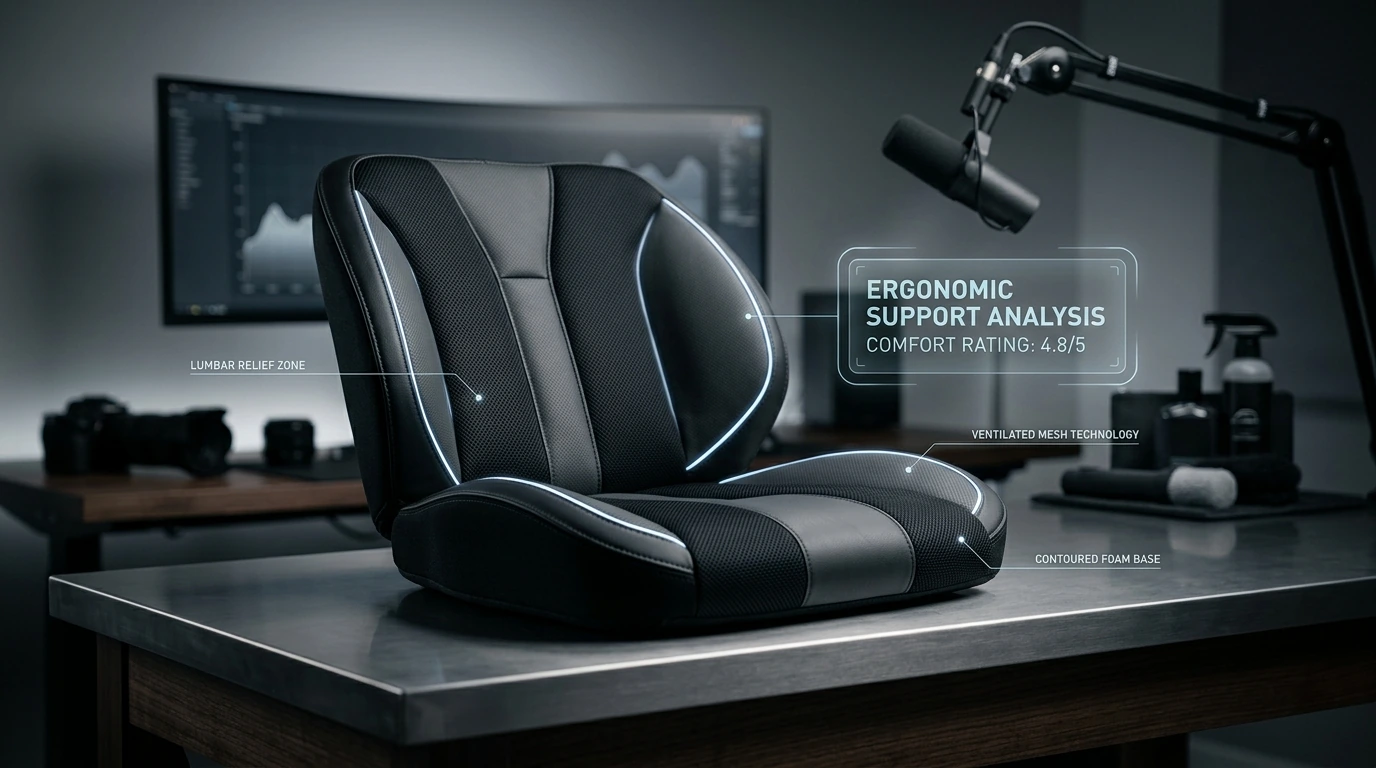
The Crucial Role of Ergonomic Support
The market for ergonomic car seat cushions has expanded considerably, offering specialized solutions for various needs. The leading products typically feature advanced memory foam, gel layers, or air bladder systems, all designed to distribute pressure evenly and maintain the spine's natural curvature. Consensus among users and experts points to cushions with targeted lumbar and coccyx support as being most effective in mitigating the strain associated with prolonged sitting. While comfort is subjective, the core strength of these top-tier cushions lies in their ability to provide consistent, supportive relief, transforming a standard car seat into a more ergonomically sound environment.
Anatomy of Comfort: Materials and Construction
The effectiveness of a car seat cushion hinges on its construction and the materials employed. Manufacturers primarily utilize high-density memory foam, often infused with cooling gel, and sometimes incorporate air bladder technology or specialized orthopedic designs.
- High-Density Memory Foam: This material conforms to the user's body shape, distributing weight evenly and reducing pressure points. A density of 4-5 lbs/cu ft is commonly cited for optimal support and durability, preventing the cushion from flattening too quickly.
- Cooling Gel Infusions: Integrated into memory foam, these gel particles or layers are designed to dissipate heat, addressing a common complaint about traditional memory foam's heat retention.
- Air Bladder Systems: Some advanced cushions use adjustable air cells, allowing users to customize the level of firmness and support. This adaptability can be particularly beneficial for individuals with specific or fluctuating pain points.
- Orthopedic Contours: Many cushions feature specific cutouts for the coccyx (tailbone) and pronounced lumbar curves to promote proper spinal alignment and relieve pressure on sensitive areas.
- Cover Materials: Breathable fabrics like mesh or bamboo blends are frequently used for covers, enhancing airflow and wicking moisture, which contributes to overall comfort, especially during warmer conditions.
Durability is also a key factor, with robust stitching and high-quality, non-slip bases being common features in well-regarded models, ensuring the cushion stays in place and withstands daily use.
Real-World Road Test: Ergonomics in Motion
What do these design choices mean for the driver during a long journey? The primary goal of these cushions is to correct and maintain proper posture, thereby alleviating pressure on the lumbar spine and coccyx.
For cushions utilizing high-density memory foam, the initial firmness gradually softens with body heat, molding to the user's contours. This adaptive support is reported to reduce muscle fatigue and prevent slouching, which often exacerbates back pain. Gel-infused options are generally noted for their ability to maintain a cooler surface temperature, preventing the clammy sensation sometimes associated with prolonged contact.
Air bladder systems offer a unique advantage through their adjustability. Drivers can inflate or deflate specific sections to target areas needing more or less support, which can be particularly useful for those with dynamic comfort needs or varying seating preferences.
Many users report a noticeable improvement in comfort and a reduction in lower back stiffness and pain after incorporating these specialized cushions into their daily commutes. The non-slip bases typically ensure the cushion remains stable, preventing constant readjustment, which can be a minor but persistent annoyance with lesser designs. Ventilation features, such as mesh covers or perforated foam, are also frequently praised for enhancing breathability and preventing discomfort from heat buildup during longer drives.
Pro Tip for Optimal Placement
When positioning your car seat cushion, ensure the coccyx cutout aligns perfectly with your tailbone to maximize pressure relief. For lumbar support, adjust your seat's recline slightly to allow the cushion to fill the natural curve of your lower back without forcing an unnatural posture.
Balancing Act: Strengths and Considerations
A thorough evaluation requires looking at both the advantages and potential drawbacks.
Strengths:
- Targeted Pain Relief: Specifically designed contours and materials aim to alleviate pressure on the lumbar spine and coccyx, a common source of discomfort.
- Improved Posture: Encourages a more upright and ergonomically correct seating position, reducing strain over time.
- Pressure Distribution: High-density foams and gel layers distribute body weight evenly, minimizing pressure points.
- Enhanced Comfort: Many models offer cooling features and breathable covers, significantly improving comfort during extended use.
- Durability: Well-constructed cushions with quality materials are designed to withstand regular use without losing their supportive properties quickly.
Considerations:
- Seat Height Adjustment: Adding a cushion can raise the driver's seating position, which might be an issue for taller individuals or in vehicles with limited headroom.
- Initial Firmness: Memory foam cushions can feel quite firm initially, requiring a short break-in period before fully conforming to the user's body.
- Heat Retention (Non-Gel): While many now feature cooling elements, some basic memory foam cushions can still retain heat, which might be uncomfortable for some users in warmer climates.
- Vehicle Compatibility: Not all cushions fit perfectly in every car seat design, potentially leading to minor shifting or an awkward fit in some vehicles.
Mastering the Scentless Sanctuary: Expert Strategies for a Naturally Fresh Car Interior →
Is It Worth the Investment? Deciding on Your Comfort
For anyone experiencing lower back discomfort or proactively seeking to prevent it during long commutes, a quality car seat cushion represents a sound investment in personal well-being. The cost typically ranges from $40 for entry-level memory foam options to over $100 for advanced gel-infused or air bladder systems.
When deciding, consider the following factors:
- Your Primary Discomfort: Is it tailbone pain, general lower back ache, or stiffness? Different cushions target different areas.
- Material Preference: Do you prefer the conforming feel of memory foam, the cooler sensation of gel, or the adjustable nature of air bladders?
- Vehicle Fit: Measure your car seat to ensure the cushion's dimensions are compatible.
- Breathability Needs: If you tend to overheat, prioritize cushions with cooling gels or mesh covers.
A comparison of common cushion types reveals their distinct advantages:
| Cushion Type | Key Material | Primary Benefit | Typical Characteristic |
|---|---|---|---|
| Memory Foam | Polyurethane foam | Conforms to body, even pressure distribution | Supportive, can retain heat (unless gel-infused) |
| Gel-Infused Foam | Memory foam with gel particles/layer | Cooling properties, pressure relief | Similar support to memory foam, reduced heat |
| Air Bladder | Inflatable air cells (PVC/TPU) | Customizable firmness and support | Adaptive, can be adjusted for specific needs |
| Hybrid | Combination of materials (e.g., foam & gel) | Blends benefits of multiple materials | Optimized for specific comfort profiles |
Ultimately, the best car seat cushion is one that addresses your specific needs and provides sustained comfort. Investing in a well-regarded model can significantly improve your driving experience and contribute positively to your long-term spinal health.
FAQ
- Q: Can a car seat cushion really prevent lower back pain?
- A: Yes, by promoting proper posture, distributing pressure evenly, and providing targeted support to the lumbar region and coccyx, these cushions can significantly reduce the strain that leads to lower back pain during long drives.
- Q: How do I know which material is best for me?
- A: Memory foam offers conforming support, gel-infused foam adds cooling properties, and air bladder systems provide adjustable firmness. Consider your personal preference for firmness, heat sensitivity, and whether you need customizable support.
- Q: Will a car seat cushion raise my seating position too much?
- A: Most cushions add 1-2 inches to your seating height. While this is beneficial for some, taller drivers or those in vehicles with limited headroom should consider thinner profiles or test for clearance.
- Q: How often should I replace my car seat cushion?
- A: The lifespan depends on material quality and frequency of use. High-density memory foam cushions typically last 2-4 years before their supportive properties begin to degrade. Regular inspection for flattening or loss of resilience is recommended.


