Driving in the rain presents enough challenges without the added frustration of obscured vision. Foggy car windows, a common occurrence during wet weather, can significantly reduce visibility and compromise safety. Understanding the root causes and implementing proven strategies is key to maintaining a clear line of sight, even in the heaviest downpours.
The fundamental issue stems from a temperature differential: warm, moist air inside the cabin meeting the colder glass of the windows. When this happens, the moisture condenses, forming tiny water droplets that scatter light and create the familiar hazy effect. Preventing this requires either reducing the humidity inside the car, raising the glass temperature, or applying a surface treatment to inhibit condensation.
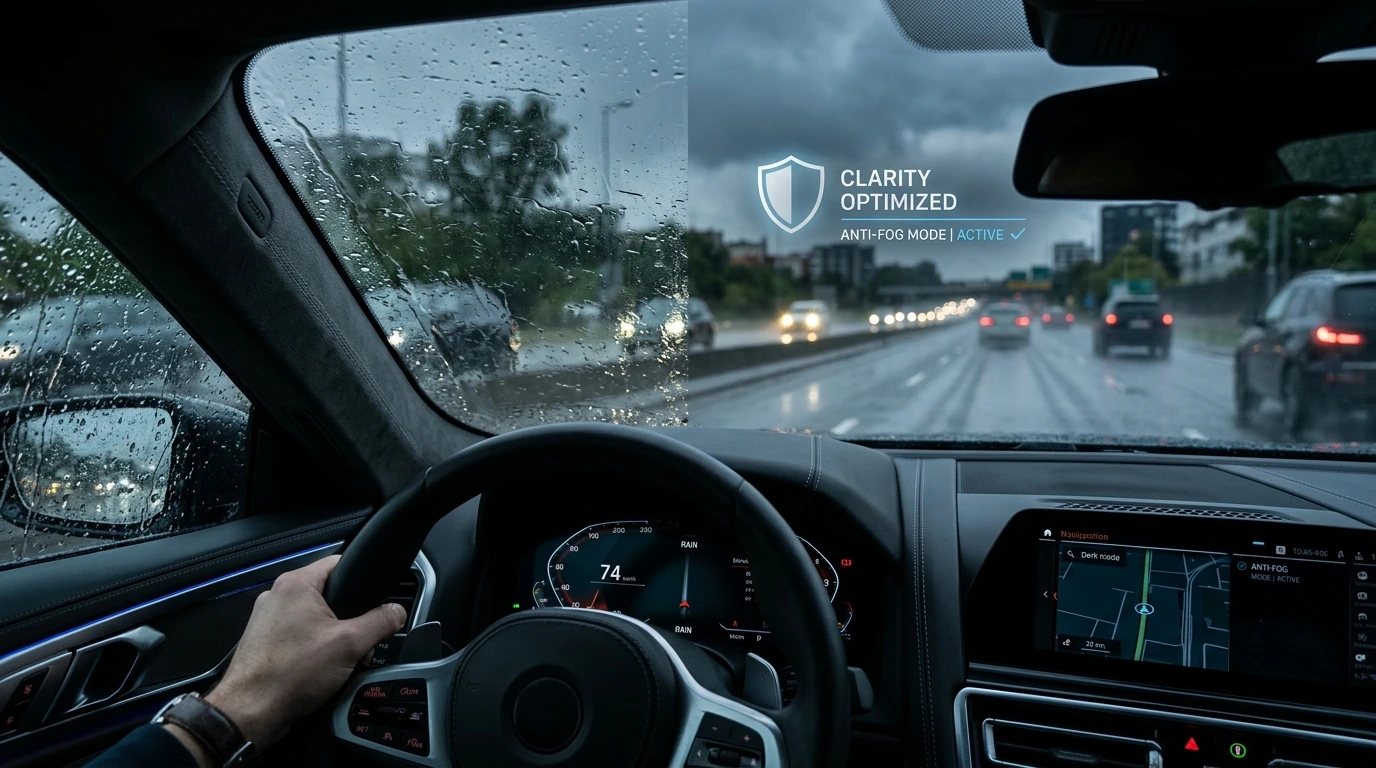
The Science Behind the Steam: Why Car Windows Fog Up
Car windows fog up primarily due to the dew point phenomenon. When the air inside your vehicle becomes saturated with moisture—often from passengers' breath, wet clothing, or rain tracked into the cabin—and then cools rapidly upon contact with the colder window glass, the water vapor transitions back into liquid form. This condensation creates the opaque film that obstructs vision. Vehicles equipped with advanced climate control systems are designed to counteract this by either drying the air or heating the glass, but even these systems benefit from proper usage and supplementary measures.
Optimizing Your Vehicle's HVAC System for Defogging
Your car's Heating, Ventilation, and Air Conditioning (HVAC) system is the first line of defense against interior fogging. Most modern vehicles feature a dedicated 'defrost' or 'defog' setting, often indicated by a windshield icon. Activating this setting typically directs conditioned air specifically to the windshield and side windows.
For optimal results, consider these steps:
- Engage the A/C: Even on a cold day, turning on the air conditioning (A/C) helps. The A/C unit dehumidifies the air before it's blown onto the windows, effectively removing moisture.
- Set Temperature to Warm: While the A/C dries the air, warm air helps raise the temperature of the glass itself, further preventing condensation. A balance between warm air and active A/C is usually most effective.
- Circulation Mode: Initially, using fresh air (outside air) intake is better as it introduces drier air into the cabin. Once the fog clears, you can switch to recirculation if desired, but fresh air is generally superior for sustained defogging.
- Rear Defroster: Don't forget the rear defroster. This uses heating elements embedded in the glass to directly warm the rear window, clearing it quickly.

Specialized Anti-Fog Solutions: Sprays, Wipes, and Coatings
Beyond the HVAC system, various aftermarket products offer a secondary layer of protection. These products typically work by creating a thin, hydrophilic (water-attracting) layer on the glass surface. Instead of forming discrete droplets that scatter light, moisture spreads out into an invisible film, maintaining transparency.
- Anti-Fog Sprays and Wipes: These are applied directly to the interior glass. Products like Rain-X Anti-Fog or similar formulations are widely reported to provide several days to weeks of fog resistance, depending on environmental conditions and application quality. Users typically apply a thin layer, let it dry, and then buff it off with a clean microfiber cloth.
- Hydrophobic Coatings: While less common for interior use, some advanced coatings can also reduce fogging by repelling water so effectively that it doesn't have a chance to condense. These are more often seen on exterior glass (like windshields) to improve rain shedding, but specialized interior versions do exist.
- Desiccants: Moisture-absorbing packets or products containing silica gel can be placed inside the cabin to reduce overall humidity. While not a direct anti-fog solution for the glass itself, reducing ambient moisture contributes to a less fog-prone environment.
PRO TIP: For any anti-fog spray or wipe, ensure the glass is impeccably clean and dry before application. Residue from previous products or dirt can significantly reduce the effectiveness and longevity of the anti-fog treatment.
Beyond the Basics: Proactive Measures for Lasting Clarity
Maintaining a consistently clear view involves more than just reactive measures. Proactive steps can significantly reduce the frequency and severity of fogging incidents.
- Keep Windows Clean: A clean window surface is less prone to fogging. Dirt, grime, and oils provide nucleation sites for water droplets to form. Regular cleaning of the interior glass with an automotive glass cleaner is highly recommended.
- Check Cabin Air Filter: A clogged cabin air filter can restrict airflow and reduce the efficiency of your HVAC system, making it harder to dehumidify the air. Checking and replacing this filter according to manufacturer recommendations (typically every 12,000-15,000 miles or annually) can improve air quality and defogging performance.
- Minimize Interior Moisture: Shake off umbrellas, coats, and shoes before entering the car. If you've been in heavy rain, consider opening windows briefly (if safe to do so) to air out excess moisture before closing them and relying on your HVAC.
- Avoid Leaving Wet Items: Leaving wet towels, gym clothes, or other moisture-retaining items inside the car can contribute to high interior humidity.
Mastering the Scentless Sanctuary: Expert Strategies for a Naturally Fresh Car Interior →
Weighing Your Options: Pros, Cons, and Smart Choices
When it comes to tackling foggy windows, a multi-pronged approach often yields the best results. Relying solely on one method might not be sufficient in all conditions.
Advantages of a Comprehensive Strategy:
- Enhanced Safety: Unobstructed vision is paramount for safe driving, especially in adverse weather.
- Increased Comfort: No more wiping frantically with a cloth, allowing you to focus on the road.
- System Longevity: Proper HVAC usage and maintenance can extend the life of components.
- Versatility: Combining methods ensures effectiveness across varying temperatures and humidity levels.
Potential Drawbacks or Considerations:
- Product Application Time: Anti-fog sprays require periodic reapplication and careful buffing.
- Cost: While often inexpensive, consistent use of sprays or desiccants adds to ongoing car care costs.
- HVAC Efficiency: Running the A/C for extended periods might have a marginal impact on fuel economy, though safety benefits far outweigh this.
- Interior Residue: Some lower-quality anti-fog products can leave streaks or residue if not applied correctly.
For most drivers, a combination of diligent HVAC use, regular interior window cleaning, and a quality anti-fog treatment applied periodically to high-risk areas (like side windows) offers the most practical and effective solution. Drivers in consistently humid or cold climates might find desiccants or more robust anti-fog coatings particularly beneficial. Ultimately, the best strategy aligns with your specific climate, driving habits, and vehicle's capabilities, ensuring you always have a clear view ahead.