
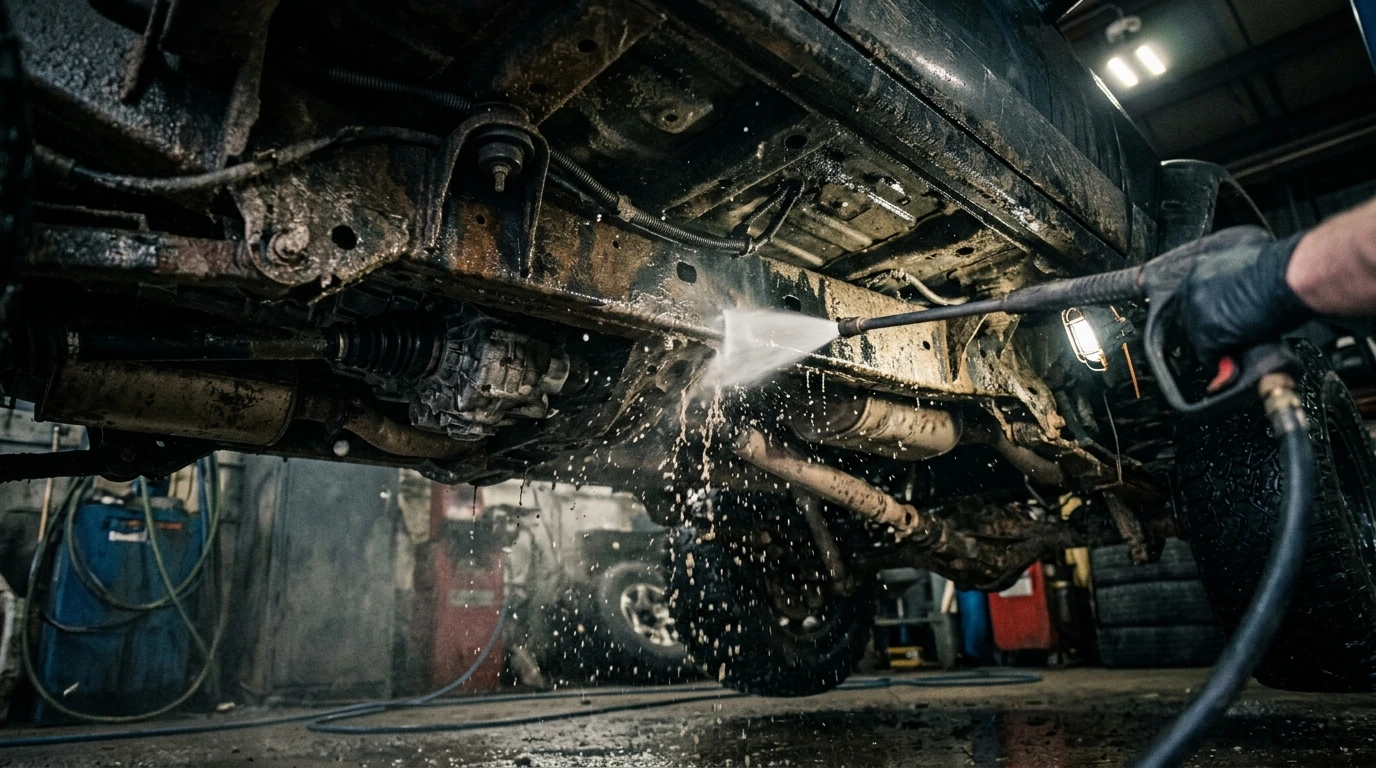
Salt and road grime rapidly corrode vehicle underbodies. These corrosive agents, prevalent after rainy or snowy seasons, demand specific cleaning protocols to prevent long-term damage.
Understanding the Threat: Salt and Grime's Impact
Road salt, typically sodium chloride or blends with calcium and magnesium chloride, acts as an electrolyte when mixed with water. This accelerates the electrochemical process of rust, turning minor abrasions into significant corrosion points on metal components. Road grime, a cocktail of oil, dirt, sand, and other particulate matter, further compounds this issue. It traps moisture against surfaces, creating a perpetually damp environment ideal for rust formation and preventing protective coatings from adhering effectively.
The underbody houses critical systems vulnerable to this assault. Brake lines, fuel lines, suspension components, exhaust systems, and the vehicle's structural frame are all at risk. Damage here can compromise safety, performance, and the vehicle's overall lifespan, often leading to costly repairs that could have been avoided with routine maintenance.
Essential Tools for a Thorough Wash
Effective underbody cleaning requires more than just a garden hose. Specialized tools significantly enhance reach and cleaning power.
- Pressure Washer: A unit offering 1200-2000 PSI is generally sufficient for automotive use, balancing cleaning power with safety for sensitive components.
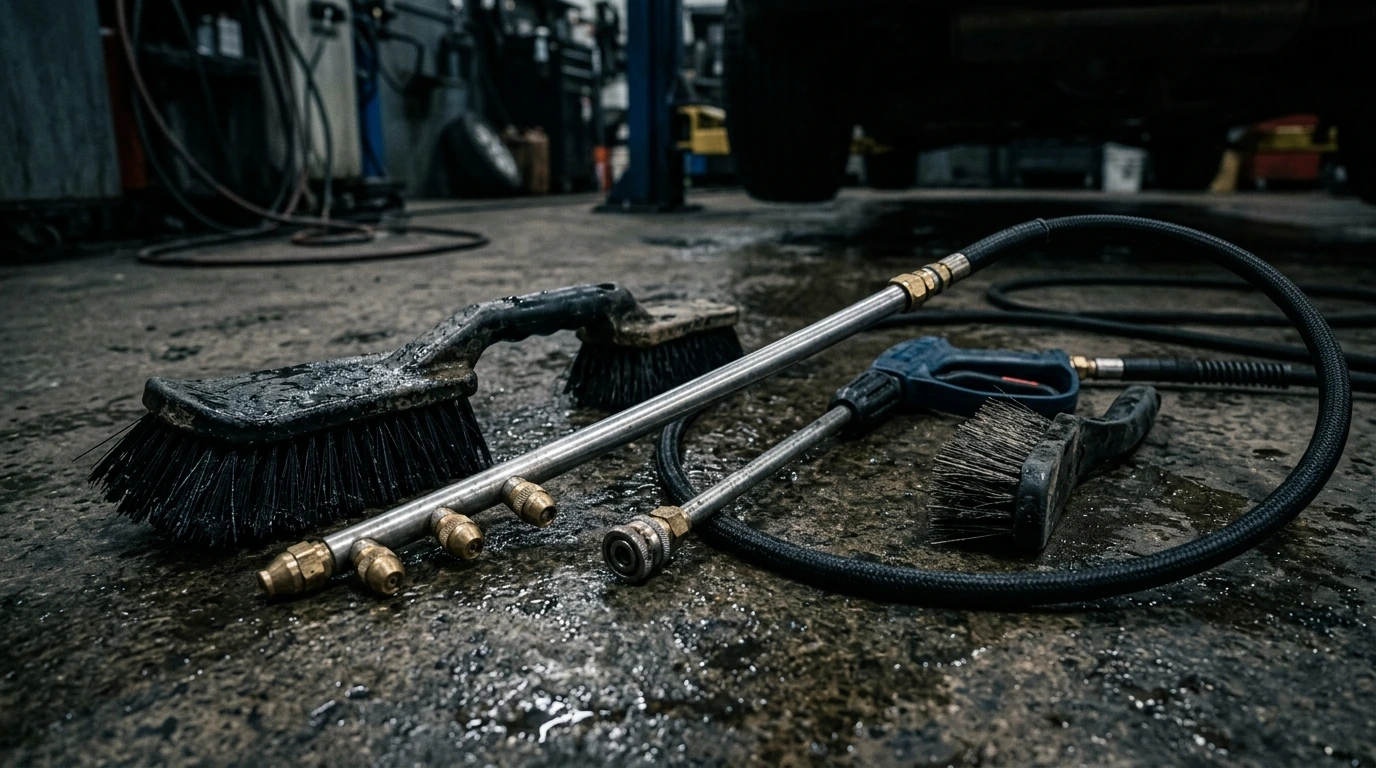
- Undercarriage Cleaner Attachment: These specialized wands connect to a pressure washer and feature multiple nozzles angled to spray upwards, reaching tight spaces without requiring the user to lie on the ground.
- Automotive Degreaser/Car Soap: Choose pH-neutral or slightly alkaline solutions designed to break down road grime and salt without harming vehicle finishes or rubber components.
- Long-Handle Brushes: For areas accessible from the sides, a stiff-bristled, long-handle brush can help agitate stubborn deposits.
- Safety Gear: Eye protection and chemical-resistant gloves are non-negotiable.
- Vehicle Lifts/Ramps: For optimal access and safety, lifting the vehicle using a jack and stands or driving onto sturdy ramps is highly recommended.
Choosing the Right Cleaning Solution
The type of cleaning solution impacts effectiveness and safety for underbody components. Matching the product to the task ensures optimal results.
| Solution Type | Primary Use | Key Benefit | Considerations |
|---|---|---|---|
| pH-Neutral Car Shampoo | General dirt, light salt residue | Safe for all surfaces, gentle | May struggle with heavy grease/oil |
| Automotive Degreaser | Heavy oil, grease, tar, caked-on grime | Breaks down petroleum-based contaminants | Requires thorough rinsing, can be harsh if not diluted correctly |
| Salt Remover/Neutralizer | Specific for salt brine, calcium chloride | Chemically neutralizes salt's corrosive properties | Often requires specific dwell times, may not remove heavy dirt |
| All-Purpose Cleaner (Diluted) | Moderate grime, general cleaning | Versatile, good for various contaminants | Always dilute as per manufacturer's instructions to avoid damage |
The Step-by-Step Cleaning Process
- Preparation and Safety: Park the vehicle on a level, hard surface. Engage the parking brake. If using ramps or jack stands, ensure the vehicle is stable and secure before working underneath. Don safety glasses and gloves.
- Initial Rinse: Using a pressure washer, thoroughly rinse the entire underbody. Start from the front and work your way back, dislodging loose dirt, mud, and sand. This prevents scratching and helps the cleaning solution penetrate better.
- Apply Cleaning Solution: Connect your undercarriage cleaner attachment or use a foam cannon with your chosen automotive degreaser or car soap. Apply an even layer to the entire underbody, paying extra attention to wheel wells, frame rails, and suspension components. Allow the solution to dwell for the time recommended by the manufacturer (typically 3-5 minutes), but do not let it dry.
- Agitate Stubborn Areas: For areas with caked-on grime or rust spots, use a long-handle brush or wheel brush to gently agitate the surface. This mechanical action helps break down stubborn deposits.
- Final Rinse: Rinse the underbody thoroughly with clean water, again starting from the front and working towards the rear. Ensure all cleaning solution residue is completely flushed away, as dried chemicals can cause spotting or damage. Pay close attention to crevices and seams where salt and grime can hide.
- Air Dry or Drive: Allow the vehicle to air dry, or take a short drive to help evaporate remaining water, especially from hidden areas and braking components.
Common Mistakes to Avoid When Washing Undercarriages
Even with the right tools, improper technique can lead to less effective cleaning or even damage.
- Excessive Pressure: Using a pressure washer with too high PSI (e.g., above 2500 PSI) or holding the nozzle too close can damage electrical connectors, rubber seals, and sensitive sensors. Always maintain a safe distance and use a fan-spray nozzle.
- Neglecting Pre-Rinse: Skipping the initial rinse allows abrasive particles to be ground into surfaces during the cleaning process, potentially causing scratches or hindering cleaner effectiveness.
- Allowing Cleaners to Dry: Letting degreasers or soaps dry on surfaces can leave streaks, spots, or even etch certain materials. Work in sections if necessary, especially in warm weather.
- Ignoring Hard-to-Reach Areas: Many critical components are hidden behind splash guards or within frame channels. A dedicated undercarriage wand is essential for reaching these often-overlooked spots where corrosion thrives.
- Inadequate Rinsing: Leaving behind cleaning solution residue can attract new dirt, leave a film, or even accelerate corrosion if the solution is not pH-neutral. Rinse until water runs clear.
Beyond the Wash: Long-Term Protection
After a thorough cleaning, consider applying a protective layer to further guard against future salt and grime. Products like automotive undercoating sprays or rust inhibitors create a barrier that repels water and corrosive elements. These are particularly beneficial for vehicles regularly exposed to harsh winter conditions or coastal environments. Regular inspections, especially after extended periods of rain or road salt exposure, help identify and address new issues before they become severe.
Optimizing Your Cabin Air: How Car Air Purifiers and Ionizers Tackle Smoke and Dust →
FAQ
Q: How often should I clean my car's underbody?
A: After every rainy or snowy season, or approximately every 2-3 months if you live in an area with frequent exposure to road salt or heavy grime. More frequent cleaning may be necessary in extreme conditions.
Q: Can I use dish soap for underbody cleaning?
A: Automotive experts generally advise against dish soap. It can strip away protective waxes and coatings, and its chemical composition is not optimized for automotive finishes or underbody materials, potentially leading to long-term issues.
Q: Is it safe to pressure wash electrical components?
A: Exercise caution around exposed electrical connectors and sensors. While modern automotive electrical systems are designed to be water-resistant, direct, high-pressure streams can force water past seals. Maintain a greater distance and use a wider spray pattern in these areas.
Q: What's the best time of day to clean the underbody?
A: Mornings or evenings, when temperatures are cooler and the sun is not directly overhead, are ideal. This prevents cleaning solutions from drying too quickly on surfaces before they can be rinsed off.
Proactive underbody cleaning is a fundamental aspect of vehicle longevity. Regular attention to these hidden areas significantly reduces the risk of corrosion, preserving structural integrity and maintaining resale value for years to come.


Comments
Post a Comment