
Removing the persistent stench of cigarette smoke from a used car can feel like an insurmountable challenge for many new owners. The odor isn't just a surface issue; it permeates every porous material, from the headliner to the carpet, and even infiltrates the ventilation system, making a simple air freshener largely ineffective. A comprehensive strategy is required to truly eradicate these stubborn smells and restore a fresh cabin environment.
Key Takeaways
- Smoke odor penetrates deeply into porous materials, requiring a multi-faceted approach.
- Thorough initial cleaning, including vacuuming and wiping, is crucial before chemical treatments.
- Enzymatic cleaners and ozone generators are effective tools, but require careful application and safety precautions.
- Replacing the cabin air filter and cleaning HVAC vents are essential steps for eliminating trapped odors.
The Stubborn Science of Smoke Adhesion
Lingering smoke odor in a vehicle isn't simply a matter of stale air; it's a consequence of microscopic smoke particles, including tar and nicotine, adhering to virtually every surface. These residues are particularly tenacious on porous materials such as fabric upholstery, headliners, carpets, and even the foam padding beneath seats. Hard surfaces like plastics, vinyl, and glass also accumulate a film that contributes to the smell. Over time, these compounds off-gas, continuously releasing the characteristic stale smoke scent. Understanding this pervasive nature is the first step toward effective remediation, as it dictates the need for a deep, systematic cleaning rather than superficial treatments.
Prepping the Cabin: Your First Line of Attack
Before introducing any specialized cleaners or treatments, a meticulous initial clean is non-negotiable. This stage focuses on removing all loose debris and surface-level contaminants.
- Remove Everything: Take out all floor mats, trash, loose items, and anything that can be detached from the interior. This allows access to every nook and cranny.
- Thorough Vacuuming: Use a powerful vacuum cleaner with appropriate attachments to thoroughly vacuum all carpets, upholstery, and the trunk area. Pay close attention to seams, crevices, and under the seats where ash and debris often accumulate.
- Wipe Down Hard Surfaces: Use an interior cleaner or a mild all-purpose cleaner diluted according to manufacturer instructions to wipe down all hard surfaces. This includes the dashboard, door panels, center console, steering wheel, and all plastic or vinyl trim. A microfiber cloth is recommended to avoid scratching and ensure effective residue removal.
- Clean Interior Glass: Smoke residue leaves a film on windows and mirrors. Use a dedicated automotive glass cleaner and a clean microfiber cloth to ensure streak-free results.
Deep Cleaning Strategies for Every Surface
Once the initial preparation is complete, the real work of odor removal begins, targeting the deeply embedded smoke residues.
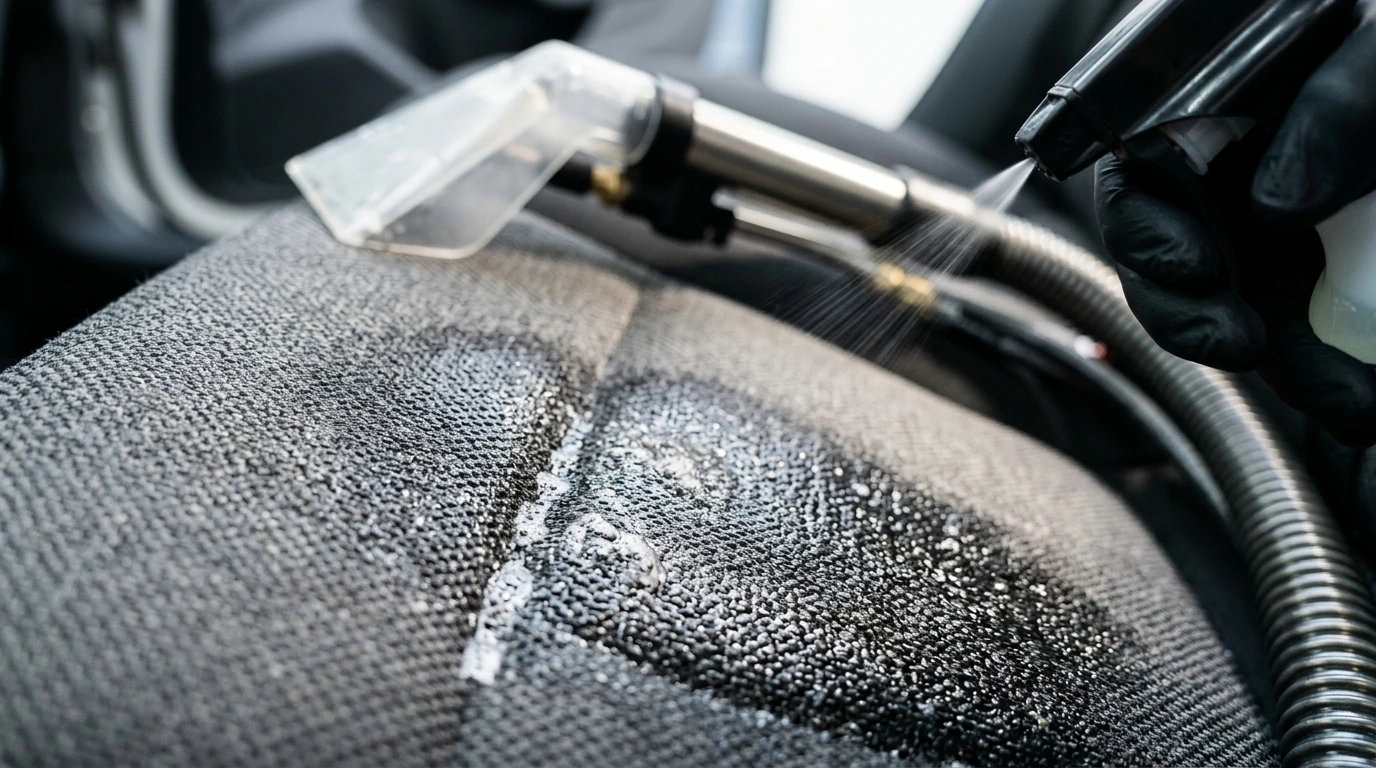
- Upholstery and Carpet Treatment: For fabric seats and carpets, an enzymatic odor remover or a specialized upholstery cleaner is highly effective. These products contain enzymes that break down the organic compounds responsible for the smoke smell. Apply the cleaner according to product directions, often requiring agitation with a brush and then extraction with a wet/dry vacuum or a carpet extractor. Multiple applications may be necessary for severe odors.
- Headliner Care: The headliner is particularly absorbent and often heavily saturated with smoke odor. Care must be taken here, as excessive moisture can cause the adhesive to fail, leading to sagging. Use a foam-based upholstery cleaner or a very lightly dampened microfiber cloth with an enzymatic cleaner, dabbing gently rather than scrubbing.
- HVAC System Overhaul: The heating, ventilation, and air conditioning (HVAC) system is a common culprit for recirculating smoke odors. Replace the cabin air filter with a new one, preferably a charcoal-activated variant. Additionally, specialized HVAC cleaning sprays can be introduced into the air intake vents or directly into the system to clean the evaporator core and ducts.
Pro Tip: Ozone Generator Safety
While ozone generators are highly effective at neutralizing odors by destroying odor-causing molecules, they produce ozone gas, which is harmful to humans and pets. Always operate an ozone generator in an unoccupied vehicle, ensure adequate ventilation afterward, and allow sufficient time for the ozone to dissipate completely before re-entering the car. Follow the manufacturer's instructions precisely for safe and effective use.
Advanced Odor Neutralization and Air Purification
After thorough cleaning, further steps can be taken to neutralize any remaining microscopic odor particles and purify the air.
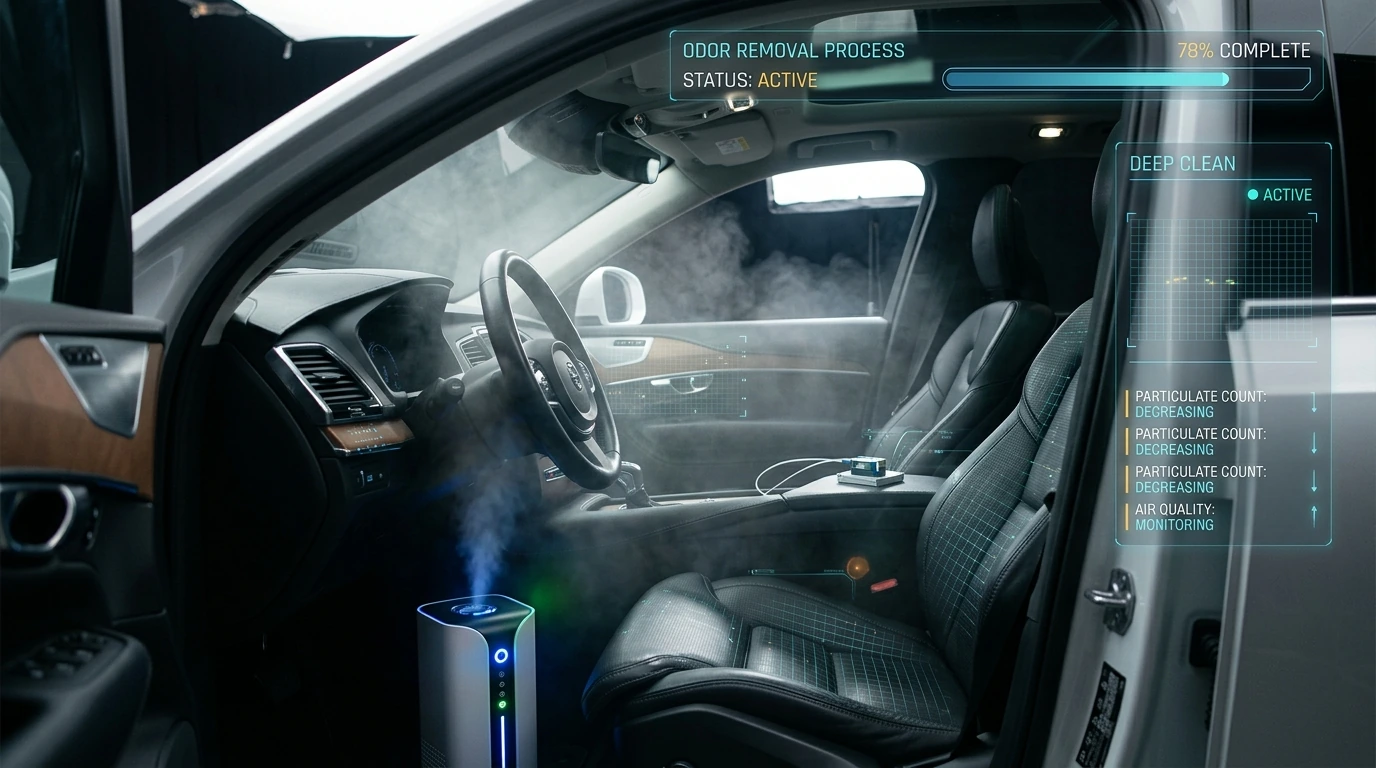
- Ozone Treatment: As mentioned, an ozone generator is a powerful tool for eliminating deeply embedded odors that conventional cleaning might miss. It oxidizes odor molecules, effectively destroying them. Due to safety concerns, this is often a task best left to professional detailers or performed with extreme caution and proper ventilation.
- Odor Bombs/Foggers: These products release a fine mist that penetrates the vehicle's interior, designed to neutralize odors rather than just mask them. Select products specifically formulated for smoke odors and follow the instructions carefully, often requiring the AC to run on recirculate during treatment.
- Activated Charcoal: For ongoing odor absorption, placing bags of activated charcoal throughout the vehicle can help draw out lingering smells over several days or weeks. This is a passive, non-toxic method that can complement active cleaning efforts.
Maintaining a Smoke-Free Environment
Once the extensive odor removal process is complete, maintaining a fresh interior requires ongoing diligence. Regular vacuuming and wiping down surfaces will prevent new odors from taking hold. Using a quality car air freshener or an activated charcoal bag can help sustain a pleasant scent. Crucially, avoiding smoking in the vehicle moving forward is the most effective way to prevent the problem from recurring. If the car is regularly exposed to new smoke, even the most thorough cleaning will only offer temporary relief.
The Upsides and Hurdles of DIY Smoke Removal
Tackling smoke odor removal yourself offers several advantages, primarily cost savings compared to professional detailing services, which can be substantial. There's also a sense of satisfaction in restoring a vehicle's interior. However, the process is incredibly time-consuming and labor-intensive, often requiring multiple passes and different products. For extremely heavy smoke saturation, DIY methods might not achieve 100% eradication, and professional intervention, which includes industrial-grade ozone treatments and specialized extractors, might still be necessary. The risk of damaging delicate interior components, particularly the headliner, if not handled correctly, is also a consideration.
Frequently Asked Questions
How long does it take to get smoke smell out of a car?
The duration varies significantly based on the severity of the smell and the methods used. A light smell might be reduced in a day or two of intense cleaning, while heavy, long-standing odors could require several days of treatment and airing out, potentially spanning a week or more.
Can air fresheners truly eliminate smoke smell?
No, standard air fresheners only mask the smell temporarily. They do not remove the tar and nicotine residues that cause the odor. For true elimination, deep cleaning and neutralization of the source are necessary.
Is it safe to use an ozone generator in my car?
Ozone generators are effective but must be used with extreme caution. They produce ozone gas, which is a respiratory irritant. Ensure the car is completely empty of people and pets during treatment, and ventilate thoroughly for several hours afterward before re-occupying the vehicle.
What if the smell persists after a thorough cleaning?
If the smell persists, it likely means the odor has deeply penetrated materials or the HVAC system. Consider repeating the most intensive steps, such as ozone treatment or professional steam cleaning/extraction. Replacing additional components like the cabin air filter or even attempting to clean behind dashboard vents might be required. In severe cases, professional detailing services with specialized equipment may be the best option.


Comments
Post a Comment