
Ensuring your motorcycle's braking system is in peak condition isn't just about performance; it's fundamentally about rider safety. While many riders wait for the tell-tale squeal to indicate worn brake pads, proactive inspection can prevent dangerous situations and costly repairs. Understanding the subtle indicators of thinning pads before they become an audible problem is a critical skill for any motorcyclist.

The Anatomy of a Motorcycle Brake Pad
Motorcycle brake pads are composed of a friction material bonded to a metal backing plate. This friction material, typically a blend of organic, semi-metallic, or sintered compounds, is designed to wear down over time as it converts kinetic energy into heat, slowing the wheel. New pads generally feature a substantial layer of this friction material, often 4-6mm thick, with manufacturers specifying a minimum safe thickness, commonly around 1-2mm, before the backing plate risks contacting the rotor.
Different friction materials wear at varying rates and exhibit unique characteristics. Organic pads, for instance, tend to be quieter and less aggressive but wear faster, while sintered pads offer superior stopping power and durability, often at the cost of increased rotor wear and noise. The critical takeaway is that regardless of the material, the friction layer is finite and its gradual reduction necessitates regular monitoring.
Practical Checks for Early Wear Detection
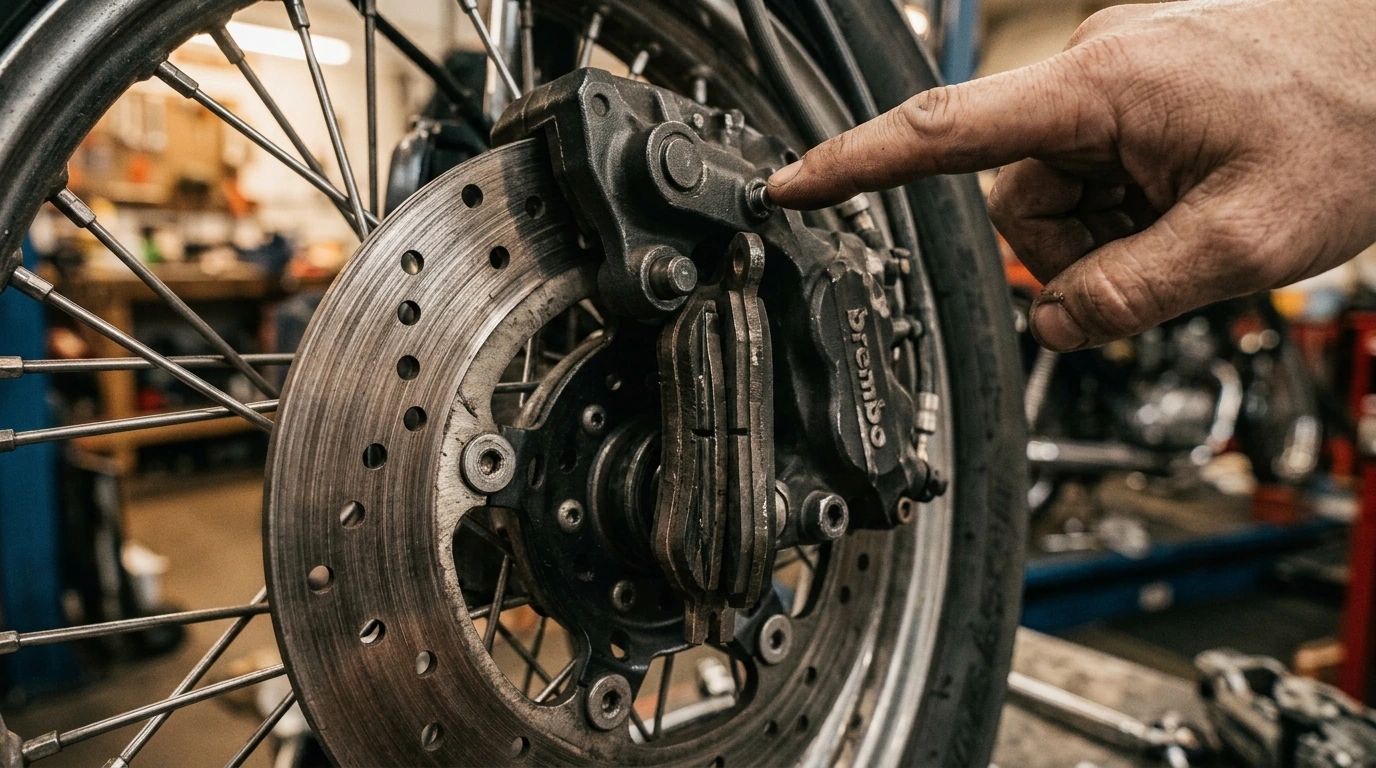
One of the most effective ways to assess your brake pads is through regular visual inspection. While some calipers offer a clear line of sight to the pads, others may require a flashlight and a bit of maneuvering to get a good look. Here’s what to look for:
- Friction Material Thickness: Compare the remaining friction material to the metal backing plate. If the friction material is approaching the thickness of the backing plate, or is less than 2mm, it's time for replacement. Many pads also have a wear indicator groove; if this groove is nearly gone, the pads are worn.
- Uneven Wear: Inspect both pads within a caliper. Uneven wear between the inner and outer pad can indicate a sticking caliper piston or slide pin, which needs immediate attention.
- Grooves or Cracks: Deep grooves in the friction material can reduce braking efficiency and suggest contamination or an issue with the rotor. Cracks are a serious concern and warrant immediate replacement.
- Contamination: Look for any oil, grease, or brake fluid on the pads. Contaminated pads will not perform effectively and must be replaced, along with addressing the source of the contamination.
- Rotor Condition: While inspecting pads, also check the brake rotor for excessive scoring, warping (indicated by pulsing at the lever), or a pronounced lip at the outer edge, which suggests significant wear.
The Imperative of Early Detection
The benefits of identifying thinning brake pads before they start squealing are substantial. Foremost among them is enhanced safety. A motorcycle with compromised braking capacity is a serious hazard, potentially leading to extended stopping distances or complete brake failure in critical situations. Early detection allows for scheduled maintenance, preventing unexpected issues.
Conversely, neglecting these early signs carries significant risks. Allowing pads to wear past their minimum thickness can result in the metal backing plate grinding against the rotor. This not only causes severe damage to the rotor, necessitating expensive replacement, but also drastically reduces braking effectiveness and can lead to a sudden, catastrophic loss of braking power. The cost of replacing a rotor often far exceeds the cost of a new set of pads.
PRO TIP:
Always inspect both the inner and outer pads in each caliper, and don't forget the rear brake. Uneven wear or neglecting one set of pads can compromise your entire braking system's integrity.
Prioritizing Brake Health for Every Rider
This isn't about purchasing a specific product; it's about cultivating a vital habit: consistent, proactive inspection of your motorcycle's braking system. Every rider, regardless of experience level or riding style, benefits immensely from this diligence. Riders who frequently commute, undertake long tours, or navigate challenging terrains will find this practice particularly invaluable, as their brakes are subjected to greater stress and wear.
The long-term value lies in the peace of mind that comes from knowing your motorcycle is safe and reliable. By integrating these simple visual checks into your regular maintenance routine, you extend the life of your braking components, maintain optimal stopping power, and most importantly, ensure your safety and the safety of others on the road. It's an investment in preventative care that pays dividends in confidence and security.
Optimizing Your Cabin Air: How Car Air Purifiers and Ionizers Tackle Smoke and Dust →
Frequently Asked Questions
How often should I check my motorcycle brake pads?
A visual inspection of your brake pads should be part of your pre-ride check, especially before longer journeys. A more thorough inspection, including checking for uneven wear and rotor condition, should be performed every 3,000-5,000 miles or during routine service intervals, whichever comes first.
Can I replace motorcycle brake pads myself?
Replacing brake pads is a common maintenance task that many riders can perform. However, it requires specific tools, attention to detail, and proper torque settings. If you're unsure, consulting a qualified mechanic is always recommended to ensure safety and correct installation.
What if only one brake pad is worn more than the other?
Uneven wear between pads in the same caliper is a strong indicator of a problem, often a sticking caliper piston or a seized slide pin. This issue needs to be addressed promptly by a professional, as it can severely compromise braking performance and lead to premature wear or brake failure.
What is the minimum safe thickness for motorcycle brake pads?
While specific figures can vary slightly by manufacturer and model, a general rule of thumb is to replace brake pads when the friction material is less than 2mm thick. Always refer to your motorcycle's service manual for the precise minimum thickness specification.


Comments
Post a Comment