
Many drivers still resign themselves to a spaghetti-like tangle of charging cables draped across their dashboards, consoles, or floorboards, often assuming it's an unavoidable part of modern in-car tech use. However, the reality is that maintaining a tidy and functional vehicle interior, free from cable clutter, is more achievable and affordable than ever, thanks to simple innovations like magnetic cable organizers.
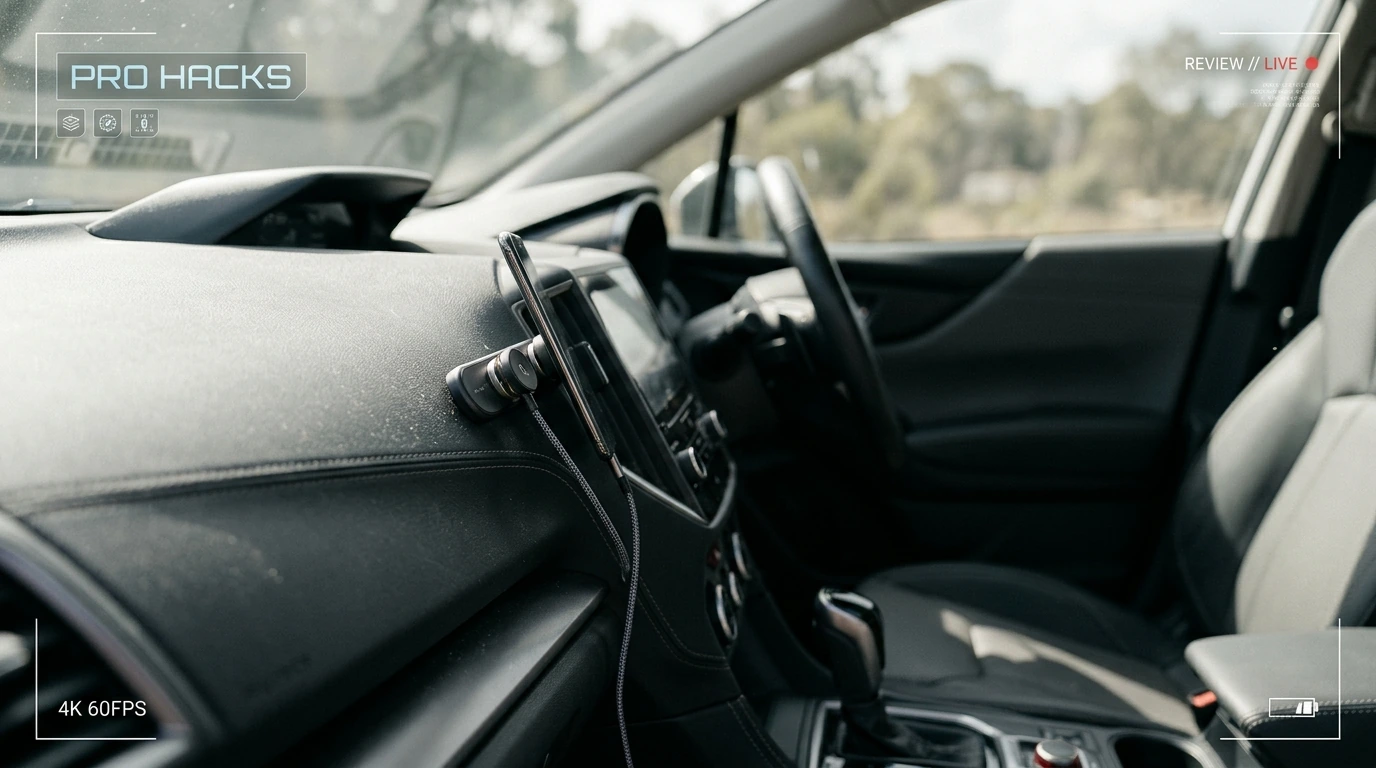
Magnetic dashboard cable organizers are ingenious, low-profile accessories designed to keep your charging cords, auxiliary cables, and other small wires neatly secured and easily accessible within your car's cabin. They are an excellent fit for commuters, ride-share drivers, and anyone who regularly charges multiple devices on the go and values a clean aesthetic. Those who rarely use in-car charging or prefer a completely minimalist, invisible solution might find them unnecessary. The single biggest trade-off typically involves finding a suitable, clean, and durable mounting surface on your dashboard that won't interfere with airbags or driver visibility.
Keeping Cords in Line, Not on the Floor
These organizers generally consist of small, adhesive-backed bases that attach to a flat surface, paired with magnetic clips or pucks that secure the cables. Unlike traditional cable clips that often require threading or clamping, magnetic versions allow for quick attachment and detachment of cables, making them far more convenient for daily use. They offer a significant upgrade from simple adhesive clips by providing a more flexible, robust, and aesthetically pleasing solution that can handle multiple cable types and thicknesses without becoming cumbersome.
Anatomy of a Tidy Dashboard
Let's analyze the critical features that differentiate these organizers and how they affect your daily driving.
- Adhesive Type
- Fact: Many models specify 3M VHB (Very High Bond) adhesive.
- Meaning: This is a high-strength, automotive-grade adhesive known for its durability and resistance to temperature fluctuations, common inside a car.
- Verdict: Plus. Ensures the organizer stays put even on hot days or bumpy roads.
- Who Feels It: Drivers in extreme climates or those who frequently drive on rough terrain will appreciate this robust adhesion.
- Magnetic Strength
- Fact: Often described as "strong neodymium magnets."
- Meaning: Neodymium magnets are powerful for their size, providing a secure hold on cables without being overly difficult to detach.
- Verdict: Plus. Prevents cables from slipping out of their clips during driving.
- Who Feels It: Anyone using heavier gauge charging cables or those who prefer a firm, reliable hold for their devices.
- Material Composition
- Fact: Typically made from ABS plastic, silicone, or aluminum alloy.
- Meaning: ABS plastic offers durability and cost-effectiveness, silicone provides grip and flexibility, while aluminum adds a premium feel and heat dissipation.
- Verdict: Neutral to Plus. Material choice impacts aesthetics, longevity, and tactile feel.
- Who Feels It: Buyers prioritizing budget (ABS), flexibility/softness (silicone), or a high-end look (aluminum) will notice the difference.
- Cable Slot/Clip Design
- Fact: Some offer multiple fixed slots, others use universal magnetic pucks.
- Meaning: Fixed slots are great for consistent cable use, while magnetic pucks offer flexibility for varying cable thicknesses and quick swapping.
- Verdict: Plus. Caters to different user needs for cable management versatility.
- Who Feels It: Users with a dedicated set of cables for their car will like fixed slots; those who frequently switch devices or cable types will prefer magnetic pucks.
- Overall Footprint
- Fact: Ranges from single-cable mini-clips to multi-slot bars.
- Meaning: A smaller footprint is more discreet, while a larger one can manage more cables but might be more visible.
- Verdict: Neutral. Depends on individual car interior space and cable count.
- Who Feels It: Drivers with limited dashboard space or those seeking minimal visual impact should opt for smaller designs; those with many cables will need larger options.
How They Perform on the Road
Consider these common situations to gauge how a magnetic cable organizer performs.
- The Daily Commute with a Single Phone: For a driver who primarily uses one phone for navigation and charging, a small, single-clip magnetic organizer placed near the infotainment screen or charging port would fare exceptionally well. The strong adhesive and magnet would keep the single USB-C or Lightning cable securely in place, preventing it from falling into the footwell or getting caught on the gear shifter, based on its robust material composition and adhesive type.
- Family Road Trips with Multiple Devices: During longer journeys involving passengers with tablets, secondary phones, or gaming devices, a multi-slot or universal magnetic puck system becomes invaluable. Based on the flexible cable slot design, it should effectively manage 2-3 charging cables for backseat passengers or co-pilots, keeping them from becoming tangled or lost under seats. The durable magnetic strength ensures cables remain accessible even when retrieved and re-attached frequently.
- Ride-Share Drivers Needing Quick Access: For professionals like ride-share drivers who need to quickly connect and disconnect various passenger devices, the ease of use offered by magnetic organizers is a significant advantage. The "strong neodymium magnets" and flexible clip designs mean cables can be attached or removed in seconds, minimizing fumbling and maximizing efficiency, without the need for intricate threading or clamping.

Advantages of a Tidy Dash
Here are the specific benefits derived from the design elements discussed:
- Enhanced Safety: By keeping cables secured with strong neodymium magnets, they are less likely to obstruct controls or fall into the driver's footwell, reducing potential distractions during driving.
- Improved Aesthetics: The low-profile design and choice of materials like aluminum or sleek ABS plastic contribute to a cleaner, more organized car interior, elevating the overall look.
- Increased Convenience: The flexible cable slot/clip design and strong magnetic hold allow for quick, one-handed attachment and detachment of cables, making charging devices on the go significantly easier.
- Cable Longevity: Preventing cables from being crushed, tangled, or snagged by keeping them neatly organized can extend their lifespan, saving money on replacements.
Potential Drawbacks to Consider
Despite their utility, these organizers aren't without their considerations:
- Adhesive Residue Risk: While 3M VHB adhesive is strong, removing it might leave residue or potentially damage certain delicate dashboard surfaces if not done carefully, especially if the surface is not smooth or well-maintained.
- Limited Placement Options: Effective placement is crucial. If your dashboard lacks a flat, clean surface free from airbag zones or driver visibility obstructions, finding an ideal spot for the organizer's footprint can be challenging.
- Magnetic Interference (Rare): Though uncommon with modern devices, extremely strong magnets could theoretically interfere with sensitive compasses or older navigation systems, depending on proximity and specific vehicle electronics. This is primarily a theoretical concern, but worth noting.
- Material Matching: The material composition of the organizer (e.g., plastic, silicone, aluminum) might not perfectly match your car's interior finishes, potentially creating a slight visual mismatch for those with very specific aesthetic preferences.
Alternatives for Cable Management
While magnetic organizers offer great convenience, other options exist:
- Traditional Adhesive Cable Clips: These are generally simpler, cheaper, and use a fixed clip mechanism. They are better suited for users who need a very basic, semi-permanent solution for a single cable and don't require frequent detachment.
- Cable Sleeves or Wraps: These solutions bundle multiple cables together, often used behind the console or under seats. They are ideal for concealing larger groups of wires that don't need to be frequently accessed or moved, offering a more 'set-and-forget' approach.
- Integrated Car Features: Some newer vehicles come with built-in wireless charging pads or dedicated cable routing channels. If your car has these, you might not need an aftermarket organizer for your primary device.
Value and Buying Advice
Considering their utility, durability, and the significant improvement they bring to interior organization, magnetic dashboard cable organizers generally offer excellent value for their price point. They are an accessible upgrade that solves a common pain point for many drivers. When purchasing, always check the current price at the official store or trusted retailers, and pay close attention to the specified adhesive type and magnetic strength to ensure it meets your expectations for durability and hold.
Cleaning car wheel wells of salt and mud with a garden hose seems simple, but technique matters. →
Final Recommendation
Buy a magnetic dashboard cable organizer if you frequently charge devices in your car, are tired of tangled cords, and have a suitable, flat surface on your dashboard for installation. Skip it if you rarely charge devices in your vehicle, prioritize a completely invisible solution, or if your car's interior layout makes secure placement difficult without obstructing controls or airbags.
This review is compiled from official product specifications and widely reported user feedback rather than a personal lab test. Specific features and performance details can vary by region or product variant, so always verify details on the manufacturer's official page.


Comments
Post a Comment