
Minor scuffs and light surface scratches on alloy wheels are an unfortunate reality for many vehicle owners. From accidental curb encounters to road debris, these imperfections can detract significantly from a car's overall aesthetic. While severe damage often necessitates professional repair or wheel replacement, many superficial blemishes can be effectively addressed at home with the right approach and a mild metal polish.
Understanding the nature of the scuff is the first step. If the scratch is deep enough to catch your fingernail, or if the metal itself is visibly gouged or bent, a simple polish will likely not suffice. This guide focuses specifically on those lighter, superficial scuffs that primarily affect the clear coat or the very top layer of the alloy's finish, where a gentle abrasive can smooth out the imperfection.
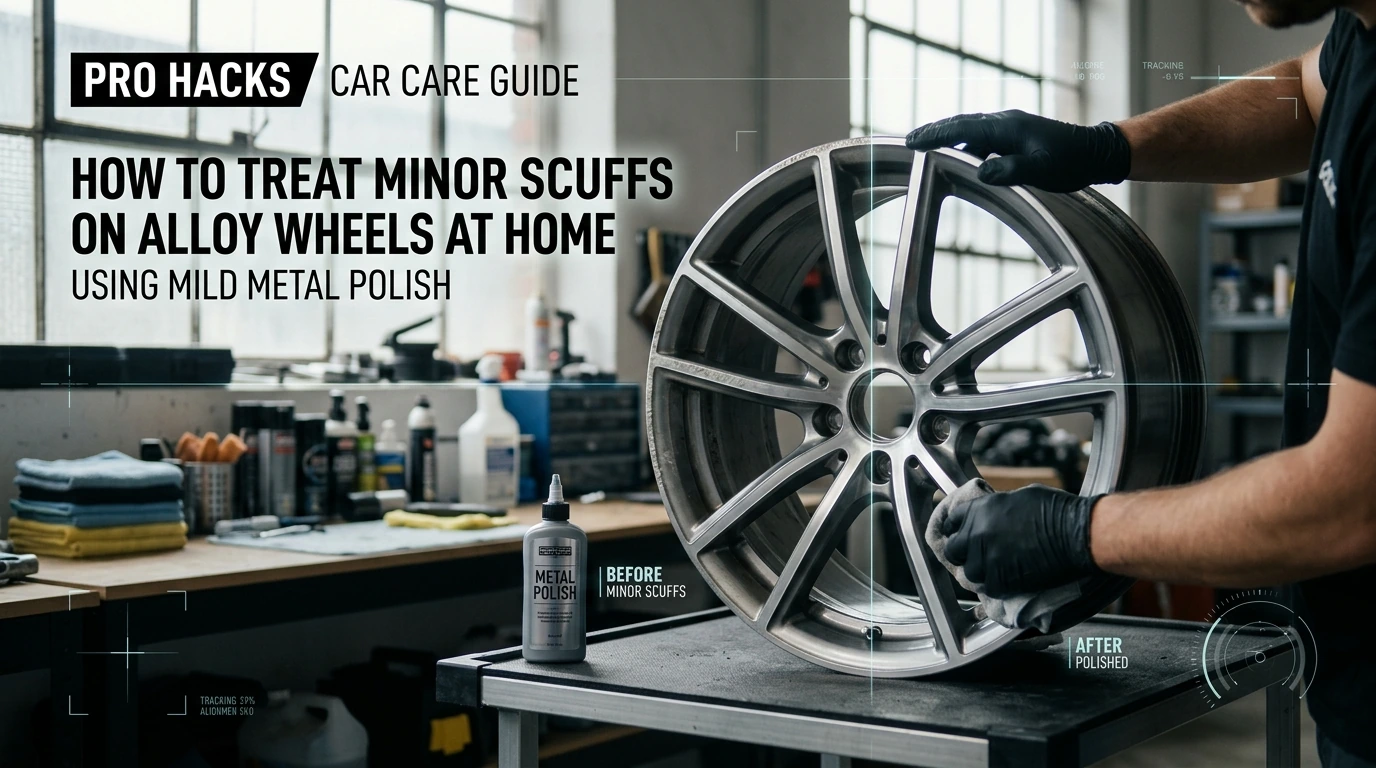
Essential Gear for Wheel Refinement
Before beginning any work on your wheels, gather all necessary supplies. Having everything at hand ensures a smooth, uninterrupted process.
- Mild Metal Polish: Choose a product specifically formulated for aluminum or alloy wheels. Reputable brands often list their compatibility clearly.
- Clean Microfiber Towels: Several are needed for cleaning, application, and buffing.
- Soft Foam Applicator Pads: For even polish application.
- Automotive Wheel Cleaner: A pH-neutral formula is recommended.
- Bucket with Water and Car Wash Soap: For thorough initial cleaning.
- Detailing Brush or Wheel Brush: To agitate dirt in crevices.
- Gloves: To protect your hands from chemicals and polish.
- Masking Tape (Painter's Tape): To protect adjacent tire rubber or painted surfaces.
Ensure you work in a well-ventilated area, preferably out of direct sunlight, as extreme heat can cause polishes to dry too quickly, making them harder to work with.
Step-by-Step: Restoring Your Wheel's Finish
Addressing minor scuffs on alloy wheels is a methodical process that requires patience and precision. Follow these steps for optimal results:
- Thorough Cleaning: Begin by washing the entire wheel with automotive wheel cleaner and a detailing brush to remove all brake dust, grime, and road tar. Rinse thoroughly and dry completely with a clean microfiber towel. Any remaining contaminants can cause further scratching during the polishing process.
- Isolate the Area: Use painter's tape to mask off the tire sidewall adjacent to the scuff, and any painted sections of the wheel that you do not intend to polish. This prevents accidental contact with the polish, which can stain rubber or remove wax/sealant from painted areas.
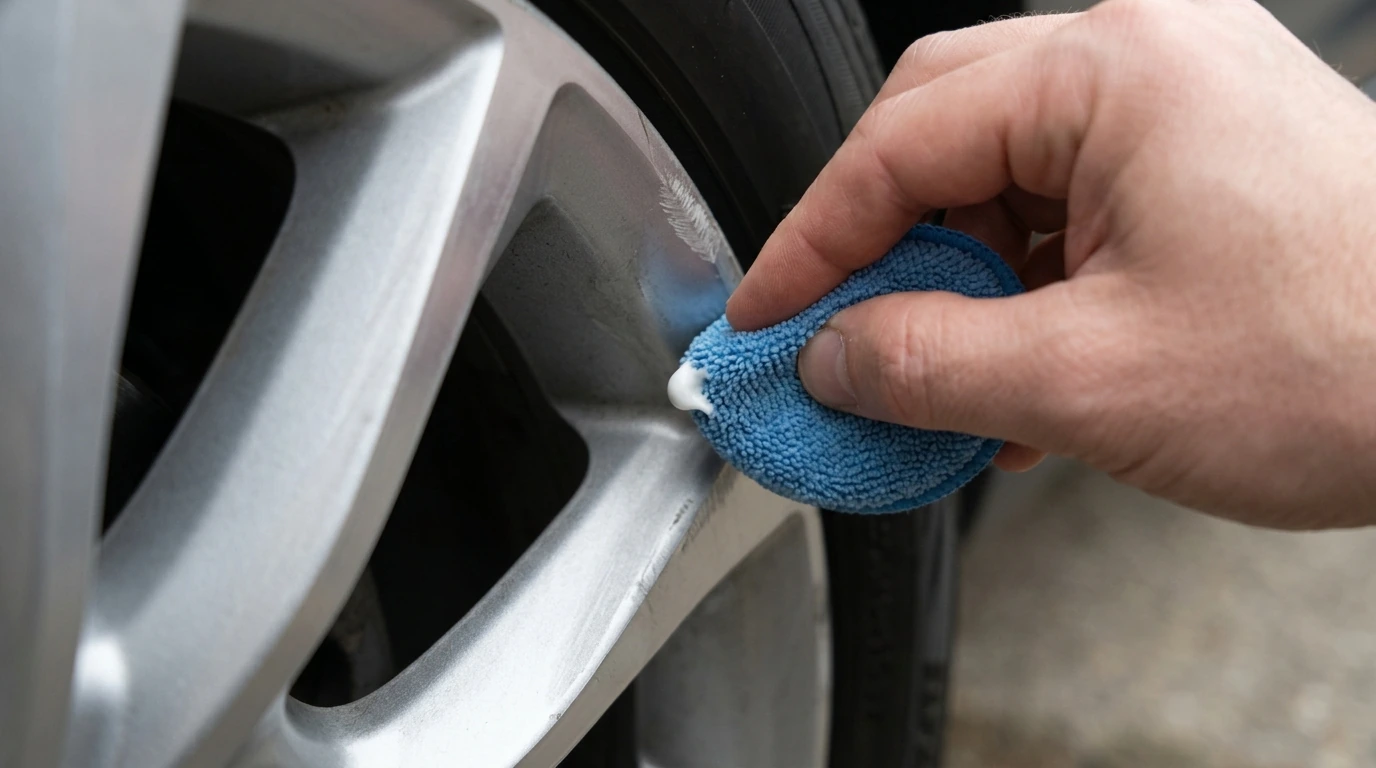
- Apply the Polish: Dispense a small amount of mild metal polish onto a clean foam applicator pad.
- Gentle Polishing: Apply the polish to the scuffed area using light to moderate pressure, working in small, circular motions. The goal is to gently abrade the top layer of the clear coat or metal to smooth out the imperfection. Do not press too hard; excessive force can create new scratches or remove too much material.
- Observe and Reapply: Continue polishing for 1-2 minutes. You should see a dark residue appearing on your applicator pad, indicating that you are removing oxidized metal or clear coat. Wipe away the residue with a clean microfiber towel to inspect your progress. If the scuff is still visible, reapply polish and repeat step 4.
- Buff to a Shine: Once the scuff is diminished to your satisfaction, use a fresh, clean microfiber towel to buff the treated area to a high shine. Ensure all polish residue is removed.
Avoiding Common Mistakes During Polish Application
Even with the right tools, missteps can occur. Being aware of potential pitfalls can help ensure a successful repair:
- Using Abrasive Materials: Never use steel wool, rough scrubbers, or aggressive compounds not specifically designed for alloy wheels. These can cause irreversible damage and deeper scratches.
- Ignoring Cleanliness: Failing to thoroughly clean the wheel before polishing can trap dirt particles, effectively sanding the wheel surface and creating more damage.
- Excessive Pressure: Applying too much force while polishing can remove too much clear coat or metal, leading to dull spots or uneven finishes. Always start with light pressure and increase gradually if needed.
- Working in Direct Sunlight: As mentioned, direct sun can prematurely dry out the polish, making it less effective and harder to remove cleanly.
- Not Masking Adjacent Areas: Skipping the masking tape can lead to polish residue on tires or damage to painted wheel sections, requiring additional cleanup or repair.
- Using the Wrong Polish: Not all metal polishes are created equal. Ensure the product is safe for clear-coated or painted alloy wheels. Some polishes are too aggressive for delicate finishes.
PRO TIP: For textured or matte finish alloy wheels, avoid using metal polish entirely. These finishes are designed to be non-reflective, and polishing them can permanently alter their appearance, creating unwanted shine or unevenness. Consult your wheel manufacturer's care instructions for specific recommendations.
Final Inspection and Ongoing Care
Once you've completed the polishing process, take a moment to thoroughly inspect your work and consider how to maintain the improved finish.
- Check All Angles: Examine the repaired area from various angles and under different lighting conditions to ensure the scuff is adequately diminished and there are no polish residues or haze.
- Feel the Surface: Run a clean, gloved finger over the area. It should feel smooth and uniform with the surrounding surface.
- Remove Masking Tape: Carefully peel off all painter's tape.
- Apply a Wheel Sealant: To protect your newly restored finish, consider applying a dedicated wheel sealant or wax. This will add a layer of protection against brake dust, dirt, and minor environmental contaminants, making future cleaning easier and helping to prevent new scuffs.
- Regular Cleaning: Establish a routine of regular, gentle wheel cleaning using pH-neutral products to prevent the buildup of corrosive brake dust and road grime that can etch into the finish over time.
By following these steps, many minor scuffs on alloy wheels can be successfully treated at home, restoring a significant portion of their original luster and helping to keep your vehicle looking its best.


Comments
Post a Comment