
Imagine navigating a busy street or a winding road when, without warning, a thick layer of condensation obscures your view through the windshield. This sudden loss of visibility can be startling and dangerous, especially when your vehicle's defroster system isn't responding quickly enough or has stopped working altogether. Maintaining a clear line of sight is paramount for safe driving, making it crucial to understand how to rapidly address this common issue.
Whether it's a cold morning or a humid evening, a foggy windshield can turn a routine commute into a high-stress situation. Knowing effective alternative methods to clear your windows can provide peace of mind and significantly enhance safety until your defroster can be properly serviced.

The Science Behind Interior Condensation
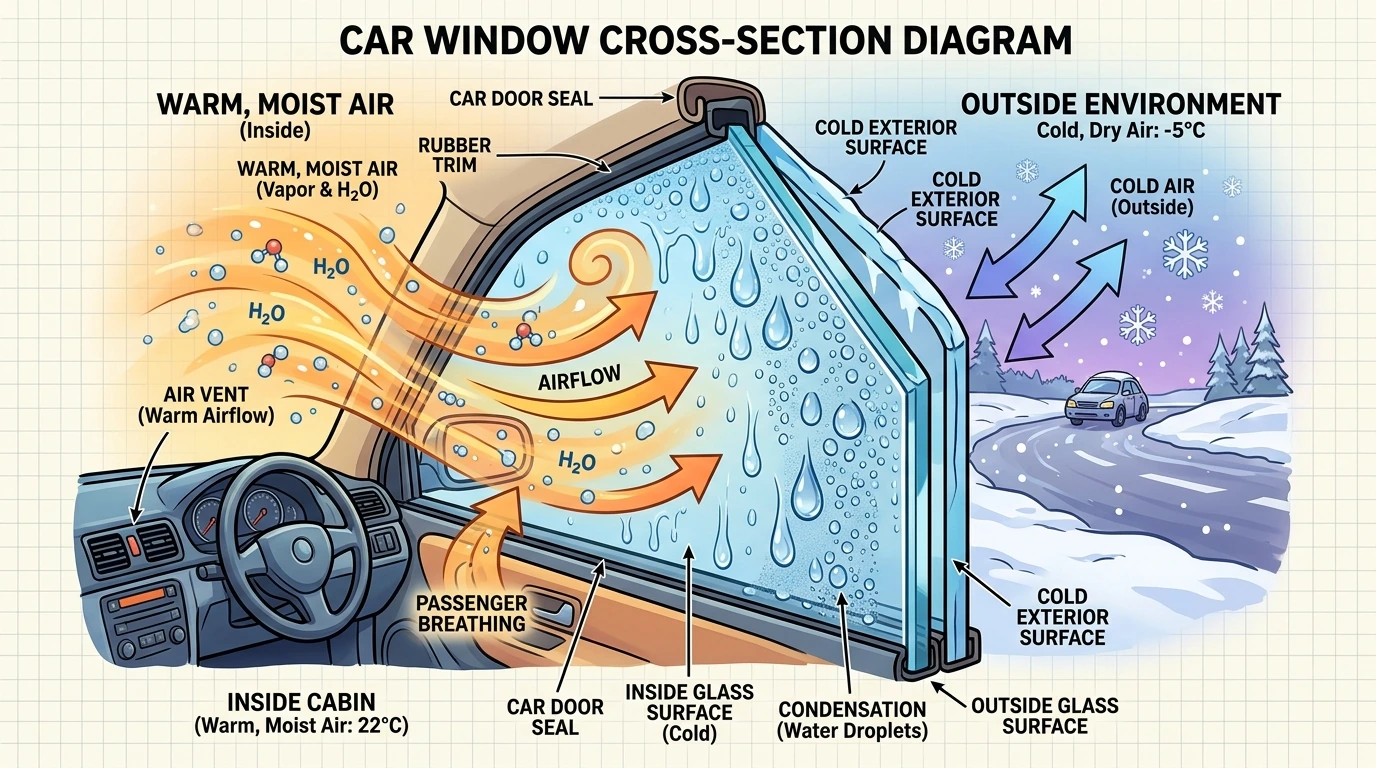
Window fogging occurs when the temperature difference between the inside and outside of your car's glass is significant, combined with high humidity within the cabin. Warm, moist air inside the vehicle comes into contact with the colder glass surface. As the air cools, it can no longer hold as much moisture, causing the water vapor to condense into tiny liquid droplets on the glass, creating that familiar opaque film.
A vehicle's defroster system combats this by blowing dry, warm air onto the interior surface of the windows. The heat raises the glass temperature, while the dry air absorbs the moisture, effectively clearing the condensation. When this system is slow or malfunctioning, the natural environmental conditions often overwhelm its ability to keep the glass clear.
Immediate Steps for Clearing a Foggy View
When condensation builds up, a swift, multi-pronged approach can help restore visibility. These steps focus on reducing interior humidity and balancing glass temperature.
- Activate the Air Conditioner (A/C): Even if you want warm air, engaging the A/C system helps dehumidify the air inside the cabin. Most modern vehicles automatically activate the A/C compressor when the defroster function is selected, regardless of the temperature setting, specifically for this drying effect.
- Increase Fan Speed: Maximize the airflow towards the windshield. A stronger current of air helps to dry the glass surface more quickly and evenly.
- Direct Vents Upwards: Ensure your dashboard vents are aimed directly at the windshield and side windows to concentrate the drying effect.
- Lower Windows Slightly: Cracking the side windows a small amount allows humid interior air to escape and drier outside air to enter, helping to equalize humidity levels. This is particularly effective in cold, dry conditions.
PRO TIP: Avoid Recirculation Initially
While it might seem counterintuitive, avoid using the 'recirculate' air setting when defogging. Recirculating internal air traps existing moisture inside the cabin, exacerbating the fogging problem. Always select 'fresh air' intake to bring in drier outside air, especially in cooler conditions.
Manual Clearing Techniques When the Defroster is Offline
Should your defroster be completely unresponsive, manual methods become essential. These require physical intervention to remove the moisture.
- Use a Clean Microfiber Cloth: A dedicated, clean microfiber cloth is excellent for wiping condensation. Its fine fibers absorb moisture without leaving streaks or lint, which traditional towels often do. Always keep one handy in your glove compartment.
- Specialized Defogging Sprays: Various automotive products are designed to create a thin, transparent film on the inside of your windows that prevents condensation from forming. These can be applied proactively and buffed dry, offering a temporary solution for persistent fogging.
- Portable Dehumidifiers: Small, rechargeable silica gel dehumidifiers or desiccant bags can be placed on the dashboard or rear shelf to absorb excess moisture from the cabin air, reducing the overall humidity that contributes to fogging.
Mistakes to Avoid: Never use your bare hands to wipe the windshield. The oils and dirt from your skin will leave smudges and streaks, making visibility worse and attracting more moisture. Similarly, avoid using paper towels or dirty rags, as they can leave fibers and smear grime.
Proactive Measures to Minimize Future Fogging
Prevention is always better than a reactive scramble. Implementing these habits can significantly reduce the likelihood of your windows fogging up.
- Keep Interior Glass Clean: A clean window surface provides fewer nucleation sites for water droplets to form. Regularly clean the inside of your windows with an automotive glass cleaner to remove dirt, oils, and film.
- Anti-Fog Treatments: Apply commercial anti-fog treatments to the interior glass surfaces. These products typically alter the surface tension of water, causing it to sheet rather than bead, maintaining clearer visibility.
- Moisture Absorbers: Place moisture-absorbing products, such as silica gel packets or specialized automotive dehumidifiers, inside the cabin, especially if your vehicle sits for extended periods or is prone to dampness.
- Check Weather Stripping: Ensure door and window seals are in good condition. Damaged weather stripping can allow moisture to seep into the cabin, increasing humidity.
Troubleshooting a Slow or Broken Defroster
If your defroster is consistently slow or completely non-functional, it points to an underlying issue that needs attention. Common culprits, based on widely reported automotive diagnostics, include:
- Clogged Cabin Air Filter: A dirty or blocked cabin air filter can severely restrict airflow, reducing the effectiveness of your climate control system, including the defroster. Regular replacement is key.
- Low Coolant Levels: The heater core, which provides warm air for the defroster, relies on engine coolant. Low coolant levels can reduce the heat available to the cabin.
- Electrical Issues: Blown fuses, faulty relays, or wiring problems can prevent the blower motor or the A/C compressor from engaging, directly impacting defroster performance.
- Blower Motor Malfunction: If you hear no air or very weak airflow, the blower motor itself might be failing.
Consulting a qualified automotive technician for diagnosis and repair is recommended for any persistent defroster issues, as these problems often require specialized tools and expertise.
FAQ: Clearing Car Window Fog
- Q: Can I use rubbing alcohol to defog my windows?
- A: While a mixture of rubbing alcohol and water can temporarily prevent fog by creating a less hospitable surface for condensation, it's not a long-term solution and could potentially affect window tints or interior plastics over time. A dedicated automotive anti-fog product is generally safer and more effective.
- Q: Does turning on the heat help with fogging?
- A: Yes, turning on the heat helps raise the temperature of the glass, but it's crucial to also use the A/C simultaneously to dehumidify the air. Heat alone, especially in a humid environment, can sometimes initially worsen fogging by increasing the moisture-holding capacity of the air before it warms the glass sufficiently.
- Q: How often should I replace my cabin air filter?
- A: Most manufacturers recommend replacing the cabin air filter every 15,000 to 30,000 miles, or at least once a year. However, if you drive in dusty or polluted environments, more frequent replacement may be necessary to maintain optimal airflow and air quality.
- Q: Why do my windows fog up more in rainy weather?
- A: Rainy weather typically means higher external humidity. When people enter the car, they bring in additional moisture from wet clothes and shoes. This combination of high interior humidity and often cooler exterior temperatures creates ideal conditions for condensation to form rapidly.
Optimizing Your Cabin Air: How Car Air Purifiers and Ionizers Tackle Smoke and Dust →
Driving Forward with Clear Vision
Maintaining clear visibility through your vehicle's windows is a non-negotiable aspect of safe driving. While a fully functional defroster is the ideal solution, understanding and employing quick, effective manual and proactive measures can ensure you're never caught off guard by a foggy windshield. Regular vehicle maintenance, coupled with smart driving habits, will keep your view unobstructed, allowing you to focus on the road ahead with confidence, regardless of the weather conditions.


Comments
Post a Comment