
Few things detract from a vehicle's interior appeal more than stained, grubby fabric floor mats that carry lingering odors. Beyond aesthetics, these mats collect dirt, dust, and moisture, which can contribute to an unhealthy cabin environment. Fortunately, restoring them to a fresh, clean state doesn't require specialized, expensive chemicals. A simple, effective method using common household items like baking soda and water can revitalize your mats, tackling both visible stains and embedded smells.
Key Takeaways
- Baking soda effectively neutralizes odors and helps lift fabric stains.
- Thorough vacuuming is a critical first step for optimal cleaning results.
- Avoid oversaturating fabric mats to prevent mildew and prolonged drying times.
- Allow mats to dry completely in a well-ventilated area before returning them to the vehicle.
Tackling Stains and Odors: What You'll Need
Before beginning the cleaning process, gathering the necessary tools ensures a smooth and efficient operation. Most items are readily available around the house or at any general store.
Essential Tools and Materials:
- Stiff Bristle Brush: A scrubbing brush designed for carpets or upholstery is ideal.
- Vacuum Cleaner with Upholstery Attachment: Essential for removing loose debris.
- Baking Soda (Sodium Bicarbonate): A generous amount, as its absorbent and odor-neutralizing properties are key.
- Spray Bottle: For applying water evenly.
- Clean Microfiber Towels or Cloths: For blotting and drying.
- Bucket of Clean Water: For rinsing and mixing.
- Optional: Mild Dish Soap or Fabric Cleaner: For very stubborn stains, a small amount can be pre-treated.
- Optional: Wet/Dry Vacuum: Can significantly speed up drying by extracting moisture.
A Step-by-Step Guide to Mat Restoration
Follow these chronological steps to effectively clean and freshen your fabric car floor mats. Work in a well-ventilated area, preferably outdoors on a sunny day to aid drying.
- Remove and Shake Mats: Take all fabric floor mats out of the vehicle. Vigorously shake each mat to dislodge loose dirt, crumbs, and debris.
- Thorough Vacuuming: Use a powerful vacuum cleaner with an upholstery or brush attachment. Vacuum both sides of the mats thoroughly, paying close attention to seams and heavily soiled areas. This step is crucial for removing dry particulates that would otherwise turn into mud when wet.
- Pre-Treat Stubborn Stains (Optional): For particularly deep or set-in stains, lightly spray the area with water, then apply a small amount of mild dish soap or a dedicated fabric cleaner. Gently agitate with your brush and let it sit for a few minutes to break down the stain, then blot with a clean towel.
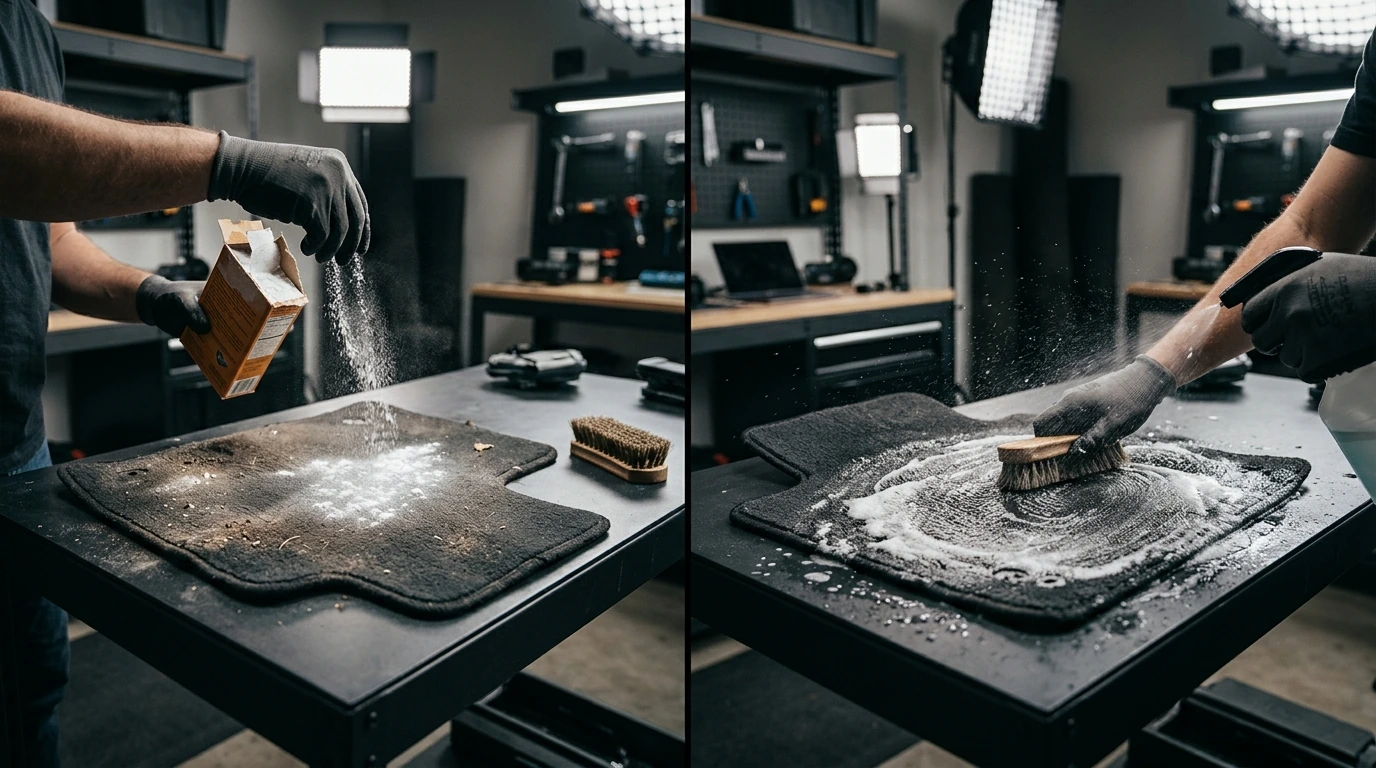
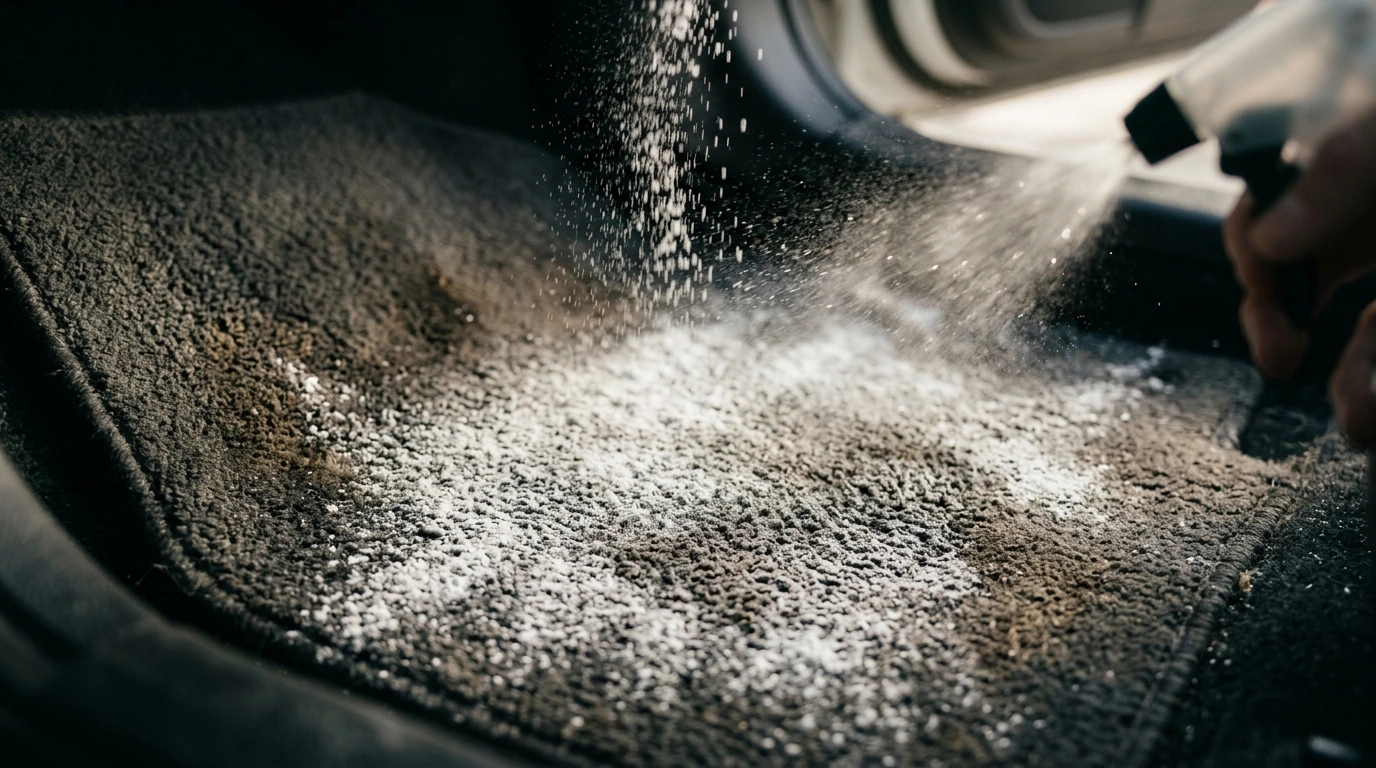
- Apply Baking Soda: Evenly sprinkle a generous layer of baking soda over the entire surface of the fabric mat. For heavily soiled or odor-ridden mats, ensure a thick, consistent coating.
- Lightly Moisten: Using your spray bottle, lightly mist the baking soda with water. The goal is to create a damp paste, not to drench the mat. Baking soda reacts with water to form a mild alkaline solution, which helps break down grime and absorb odors.
- Scrub the Mats: Using your stiff-bristle brush, gently but firmly scrub the baking soda paste into the fabric. Work in small sections, using circular motions. You should see the paste lifting dirt and discoloration.
- Rinse (Carefully): Using a clean, damp microfiber towel, blot and wipe away the baking soda paste. Alternatively, if you have access to a low-pressure hose, you can lightly rinse the mats, being careful not to oversaturate them. The aim is to remove all baking soda residue and loosened dirt. If using a hose, ensure the water pressure is gentle.
- Extract Moisture (If Available): If you have a wet/dry vacuum, use it to extract as much water as possible from the mats. This significantly reduces drying time and prevents mildew.
- Blot and Dry: Use several clean, dry microfiber towels to blot the mats thoroughly, pressing down firmly to absorb remaining moisture.
- Air Dry Completely: Hang the mats in a well-ventilated area, preferably outdoors in direct sunlight if weather permits, until they are completely dry. This can take several hours or even overnight, depending on humidity and temperature. Ensure they are bone dry before placing them back in your vehicle.
Pro Tip: Avoid Oversaturation
While water is necessary for activating baking soda and rinsing, excessive soaking can lead to several problems. Fabric mats, especially those with foam backing, can retain water for extended periods, fostering mildew growth and producing a musty odor that is harder to eliminate than the original one. Always aim for dampness, not saturation, and prioritize thorough drying.
Avoiding Common Cleaning Missteps
To ensure a successful cleaning process and prevent damage to your mats, be mindful of these critical points:
- Neglecting Initial Vacuuming: Skipping the thorough vacuuming step can turn loose dirt into muddy streaks, making the cleaning process less effective and potentially grinding abrasive particles deeper into the fabric.
- Using Harsh Chemicals: Avoid strong detergents, bleach, or solvent-based cleaners, which can damage fabric fibers, fade colors, or leave behind residues that attract more dirt. Baking soda and mild soap are generally sufficient.
- Oversaturating Mats: As noted, excessive water can lead to mold, mildew, and unpleasant odors, particularly in mats with dense backing. Always apply water sparingly and focus on effective extraction.
- Incomplete Drying: Placing damp mats back into your car's interior creates a breeding ground for bacteria and mold, leading to a persistent musty smell and potential health concerns. Always ensure mats are completely dry.
- Aggressive Scrubbing: While a stiff brush is recommended, scrubbing too harshly can damage the fabric fibers, causing them to fray or pill over time. Use firm, controlled motions.
Confirming Your Mats are Fully Refreshed
Once your mats appear clean and dry, a final check helps confirm their readiness for reinstallation:
- Visual Inspection: Examine both sides of each mat under good lighting. Look for any remaining stains, dirt, or baking soda residue. If any are present, a localized re-treatment might be necessary.
- Odor Check: Bring the mat close to your nose and inhale deeply. There should be no lingering unpleasant odors. A truly clean mat will have a neutral or faintly fresh scent.
- Moisture Test: Press a clean, dry paper towel firmly against various sections of the mat. If the towel shows any signs of dampness, the mat requires further drying time.
- Flexibility Check: Ensure the mat feels flexible and not stiff or brittle, which could indicate excessive residue or damage.
By following these steps, your fabric car floor mats can be effectively cleaned and freshened, enhancing both the appearance and air quality of your vehicle's interior.


Comments
Post a Comment