
While seemingly simple, the right protective measure can significantly extend a key fob's lifespan. Silicone covers, in particular, offer a blend of physical protection and ergonomic enhancement that warrants a closer look for their long-term value.
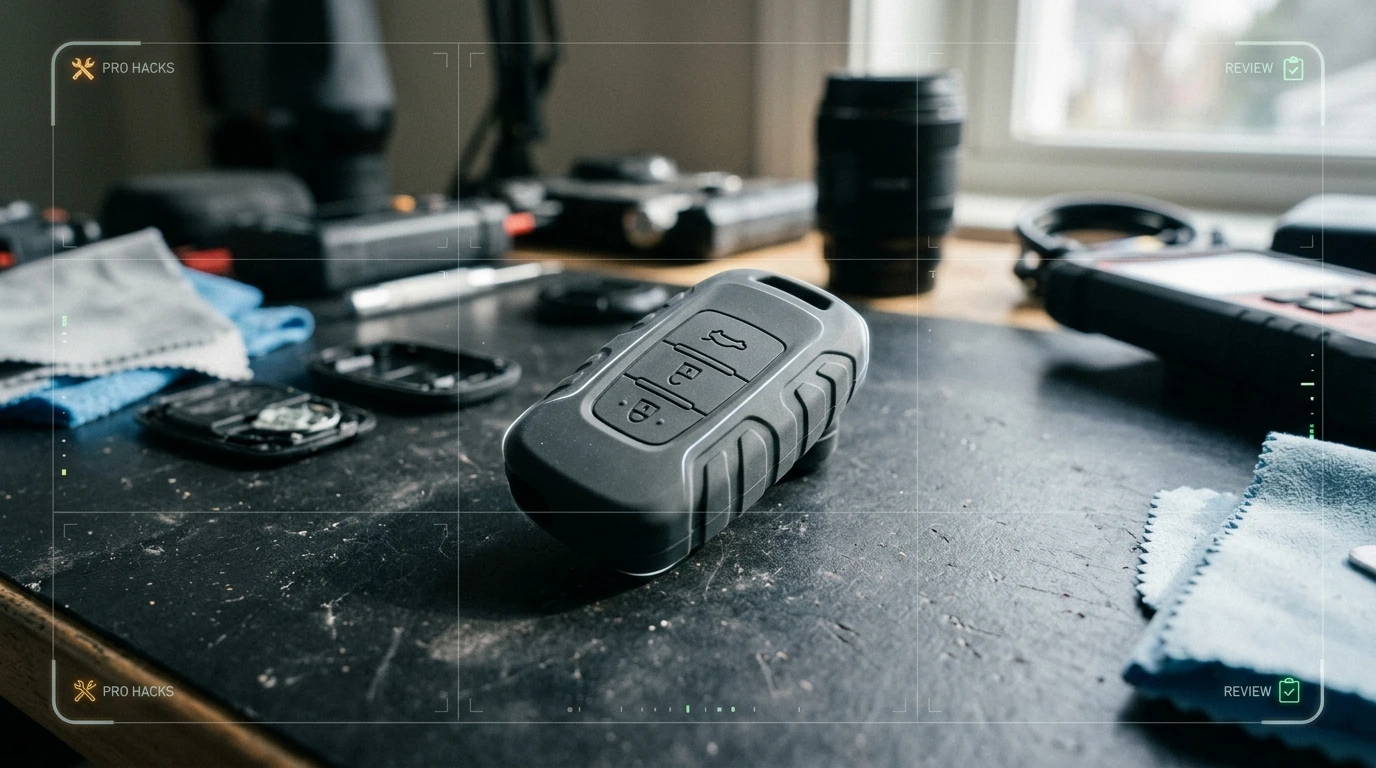
The Unseen Engineering of Fob Armor
The inherent elasticity and shock-absorbing properties of silicone make it an ideal material for protecting sensitive electronics. Unlike rigid plastic or metal cases, silicone deforms upon impact, dissipating kinetic energy across its surface rather than transferring it directly to the key fob's internal components. This translates to reduced impact force on the delicate circuit board and battery, which are common points of failure after accidental drops.
Manufacturers design key fobs with durable plastic shells, yet these are susceptible to scratches, scuffs, and even cracks from repeated impacts. A silicone cover acts as a sacrificial layer, absorbing these cosmetic and structural damages. Furthermore, the snug fit of a well-designed silicone cover can provide a degree of resistance against minor liquid splashes or dust ingress, protecting the internal electronics from environmental contaminants that might otherwise cause corrosion or short circuits. Widely reported user feedback indicates a significant reduction in cosmetic damage and functional failures for fobs protected by quality silicone covers over several years of use.
Selecting the Optimal Silicone Guard
Choosing an effective silicone key fob cover involves considering material quality and fitment precision. Not all silicone is created equal; higher-grade, often food-grade, silicone offers superior elasticity, tear resistance, and color stability compared to lower-quality variants. Thicker silicone designs generally provide enhanced impact absorption, though this can add noticeable bulk.
The most critical factor is fitment. OEM-specific covers, molded precisely to a particular key fob model, offer the best protection by ensuring a tight, secure grip that prevents the fob from shifting within the cover during a fall. Universal covers, while more versatile, may not offer the same level of secure fit or button alignment, potentially compromising protection and usability. A well-fitting cover should:
- Encase the fob without excessive gaps or looseness.
- Align perfectly with all buttons, allowing for unhindered operation.
- Maintain access to any physical key release mechanisms or battery compartments if applicable.
Considering the daily interaction, a cover's texture and grip also play a role, reducing the likelihood of slips from hands or surfaces.
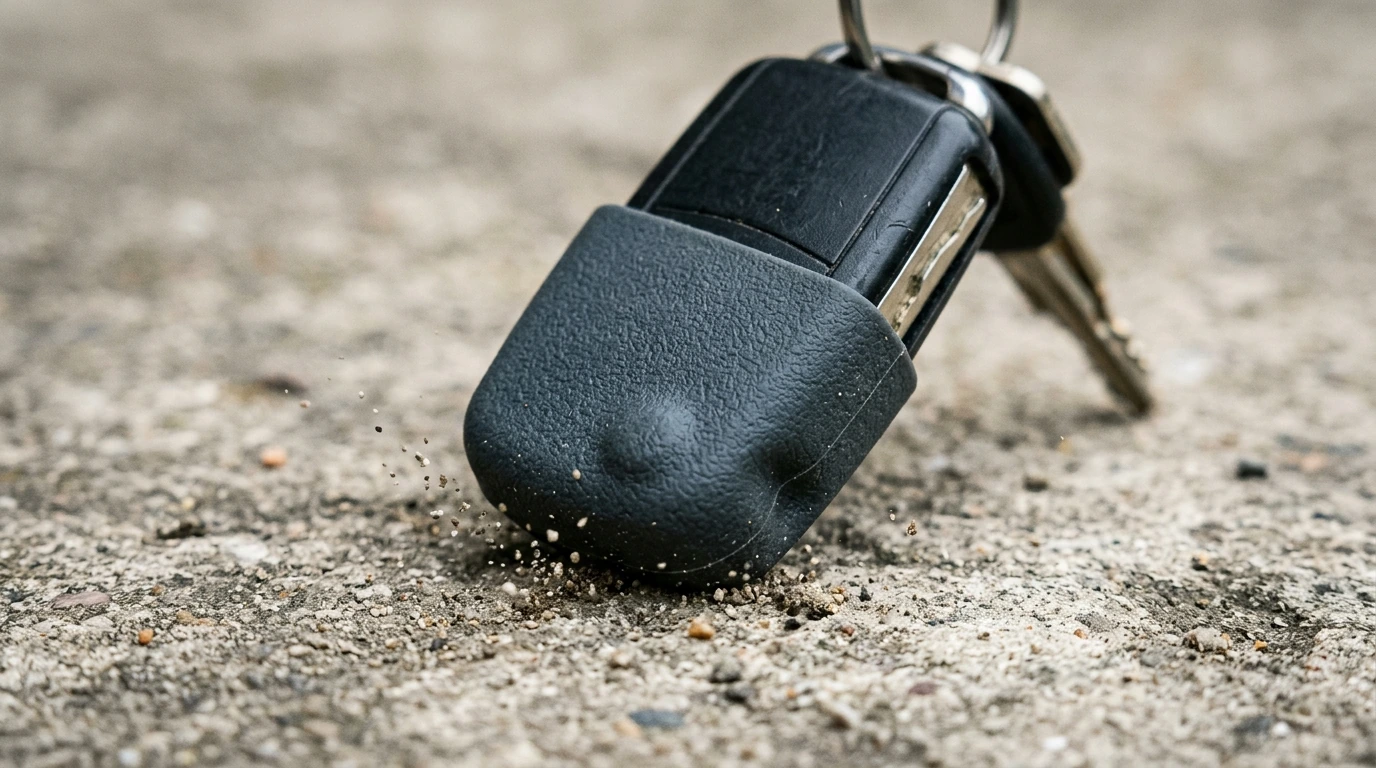
Maximizing Fob Longevity and Care
Even with robust protection, regular care for your key fob cover can extend its effective lifespan and maintain its aesthetic appeal. Silicone is relatively low-maintenance, but certain practices ensure optimal performance:
- Routine Cleaning: Accumulated dirt, oils, and debris can degrade the silicone over time. A simple cleaning with mild soap and water, followed by air drying, is usually sufficient. Avoid harsh chemical cleaners, as these can break down the silicone's molecular structure, leading to stickiness or discoloration.
- Periodic Inspection: Over months or years, silicone can stretch, thin, or develop small tears, especially around stress points like button cutouts or key ring attachments. Regular visual inspections allow for timely replacement before the cover's protective integrity is compromised.
- Environmental Awareness: While silicone offers some thermal resistance, prolonged exposure to extreme temperatures (e.g., direct sunlight on a dashboard in summer) can accelerate its degradation. Similarly, contact with sharp objects in pockets or bags should be minimized to prevent punctures.
For key fobs featuring small screens or sensitive surfaces, consider pairing the silicone cover with a dedicated screen protector for an additional layer of defense against scratches and impacts.
Comparative Protection Approaches
Understanding the varying levels of protection available helps in making an informed decision for your key fob.
| Protection Method | Impact Absorption | Scratch Resistance | Added Bulk | Typical Cost Range |
|---|---|---|---|---|
| Bare Key Fob | Minimal | Low | None | N/A (Replacement cost significant) |
| Thin Silicone Cover | Moderate | Good | Low | $5 - $15 |
| Thick Silicone Cover | High | Excellent | Moderate | $10 - $25 |
| Hard Plastic/Metal Case | Variable (can transfer force) | Excellent | Moderate to High | $15 - $40 |
While hard cases offer superior scratch resistance, their impact absorption can be less consistent than silicone, potentially transferring shock to the fob's internals if the case itself doesn't deform effectively.
Rapid Efficiency Recap
Protecting your car's remote key fob with a silicone cover is a straightforward, cost-effective measure that yields significant long-term benefits. These covers excel at absorbing impact, preventing scratches, and offering a basic barrier against environmental elements. Selecting a high-quality, model-specific cover ensures optimal fit and maximum protection. Regular cleaning and inspection will maintain the cover's effectiveness, ultimately extending the operational life of your key fob and potentially saving you from expensive replacement costs down the line.
Frequently Asked Questions
- How long do silicone key fob covers typically last?
- With regular use and proper care, a quality silicone key fob cover can last anywhere from 2 to 5 years before showing significant signs of wear, stretching, or discoloration.
- Can silicone covers interfere with the key fob's signal?
- High-quality silicone covers are designed to be thin enough not to interfere with the key fob's radio frequency signal. Issues are extremely rare and usually indicate a poorly designed or excessively thick cover, or a different underlying problem with the fob itself.
- Are silicone covers waterproof?
- Silicone covers offer resistance against minor splashes and light rain, but they are not fully waterproof. They can help prevent water from reaching the internal electronics during brief exposure, but submerging the fob will likely still cause damage.
- How do I clean my silicone key fob cover?
- To clean, simply remove the cover from the key fob and wash it with warm water and a small amount of mild dish soap. Gently scrub with your fingers or a soft cloth, rinse thoroughly, and allow it to air dry completely before reinstalling.


Comments
Post a Comment