
For many motorcycle enthusiasts, a dedicated garage or secure indoor space for their prized two-wheeler remains an aspiration rather than a reality. Whether due to apartment living, limited property, or simply a lack of available covered parking, storing a motorcycle outdoors is a common challenge that requires thoughtful preparation to safeguard the vehicle from the elements and potential theft.
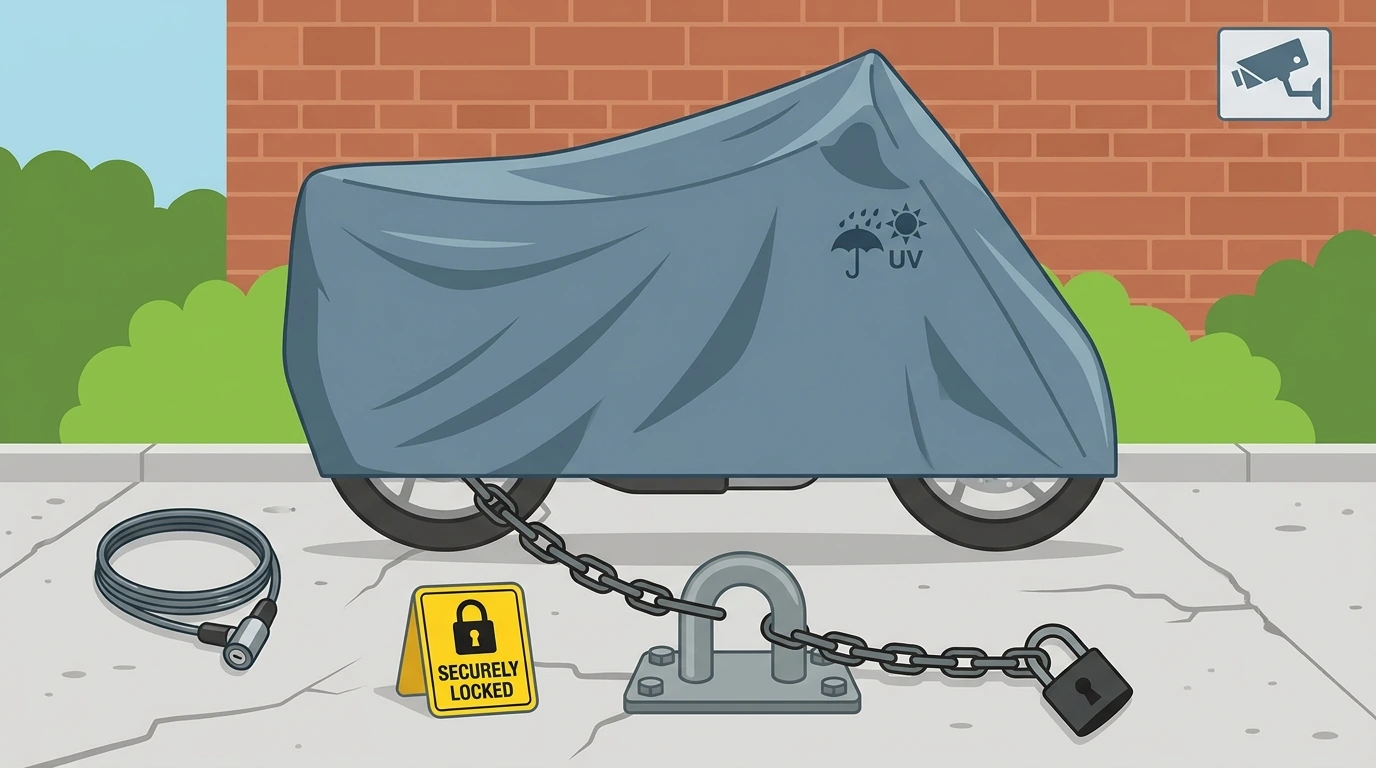
Choosing the Right Location for Outdoor Parking
The initial step in outdoor motorcycle storage involves selecting the most advantageous spot. Proximity to your residence is often a primary concern for both convenience and visibility, acting as a deterrent against casual opportunists. However, other environmental factors demand consideration.
- Drainage: Avoid low-lying areas where water might pool after rain, as prolonged exposure to standing water can accelerate corrosion on the underside of the motorcycle. A slightly elevated, well-drained spot is ideal.
- Sunlight Exposure: While some sunlight can help dry condensation, excessive UV exposure over time will degrade tires, plastics, paint, and seat materials. A location that offers partial shade throughout the day, perhaps from a building or mature tree, can be beneficial, though falling leaves or sap can introduce other cleaning challenges.
- Overhead Obstructions: Parking directly under trees can lead to sap, bird droppings, and falling debris accumulation. Similarly, avoid areas under leaky gutters or where snow might slide off a roof.
Essential Gear for Weather Protection
Once a suitable spot is identified, equipping your motorcycle with adequate weather protection is paramount. A high-quality cover is the cornerstone of any outdoor storage plan.
- Motorcycle Cover: Look for covers made from durable, waterproof, and UV-resistant materials. Features like heat-resistant panels (for immediate covering after a ride), soft inner linings to prevent scratches, and integrated vents to reduce condensation are highly recommended. A secure fit with elasticized hems and buckle straps is crucial to prevent the cover from blowing off in high winds.
- Ground Cover/Mat: Placing a heavy-duty rubber or plastic mat under the motorcycle can provide an additional barrier against moisture wicking up from the ground, especially if the parking surface is permeable.
- Wheel Chocks/Stands: For longer-term storage, using front and rear stands or wheel chocks can keep the tires off the ground, preventing flat spots and extending tire life by reducing constant pressure on one area.
Implementing Robust Security Measures
Motorcycles are unfortunately attractive targets for theft. Outdoor storage necessitates a multi-layered approach to security.
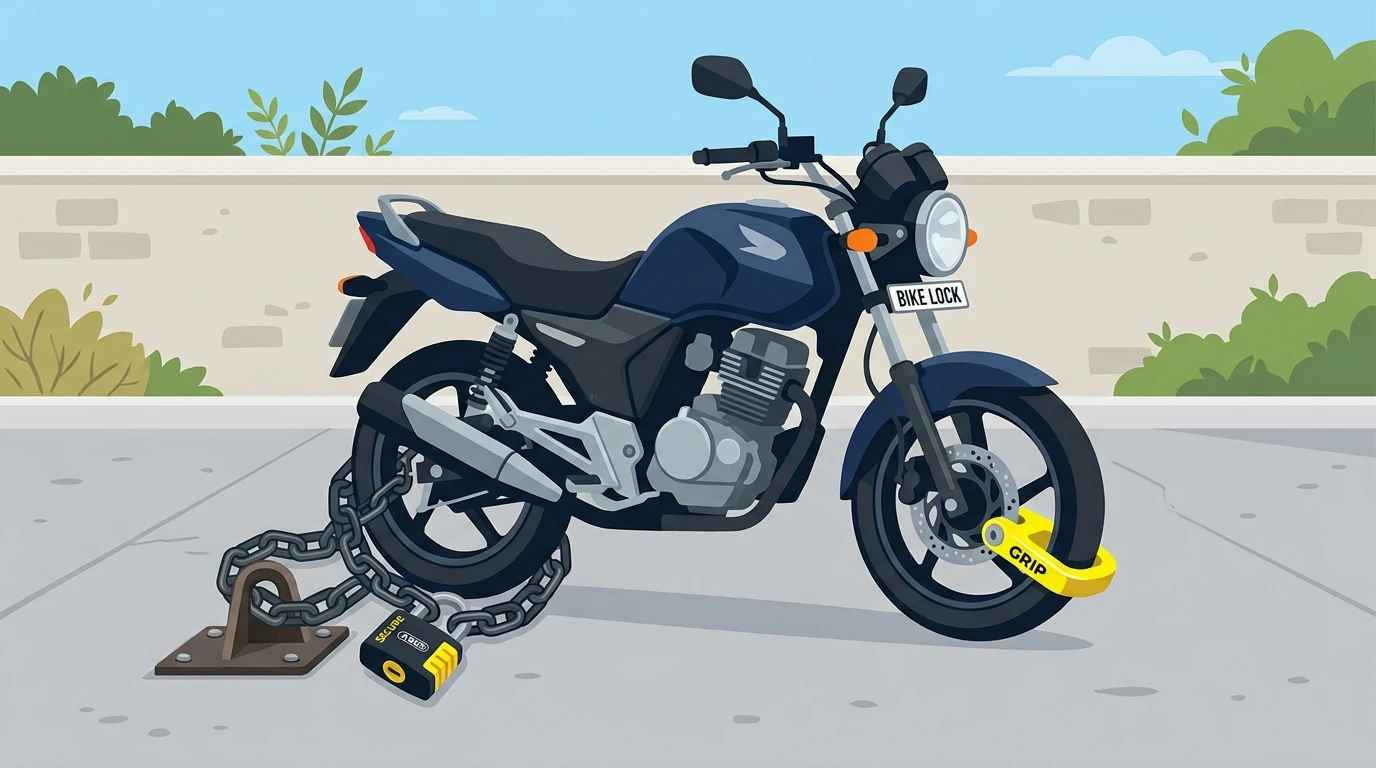
- Ground Anchor: This is arguably the most effective deterrent. A ground anchor bolted into concrete or a similar immovable structure provides a fixed point to secure your motorcycle. Ensure the anchor is rated for high security and installed correctly.
- Heavy-Duty Chains and Locks: Pair your ground anchor with a hardened steel chain that is difficult to cut with bolt cutters. Opt for chains with links too thick to fit into standard cutting tools. Use a high-security padlock, ideally one with a shrouded shackle.
- Disc Locks: These compact devices attach to the brake disc, preventing the wheel from turning. Many models include an alarm feature that activates if the bike is jostled, adding an extra layer of auditory deterrence. Remember to use a reminder cable so you don't attempt to ride off with the lock still attached.
- Alarm Systems and GPS Trackers: Modern motorcycle alarm systems can detect motion, tilt, or tampering and alert you via a remote or smartphone. GPS trackers offer the ability to locate your motorcycle if it is stolen, significantly increasing recovery chances.
PRO TIP:
Always use at least two distinct security devices, ideally from different categories (e.g., a ground-anchored chain and an alarmed disc lock). This forces thieves to defeat multiple systems, increasing the time and effort required, which often leads them to abandon the attempt.
Preparing the Motorcycle for Extended Outdoor Storage
Beyond external protection, preparing the motorcycle itself for a period of outdoor inactivity is crucial for its long-term health.
- Clean and Wax: Thoroughly wash and wax the motorcycle. A clean, waxed surface offers better protection against moisture and environmental contaminants.
- Fuel System Treatment: Fill the fuel tank to capacity and add a fuel stabilizer. This prevents condensation inside the tank and inhibits fuel degradation, which can clog carburetors or fuel injectors. Run the engine for a few minutes to circulate the treated fuel.
- Battery Maintenance: Connect the battery to a trickle charger or smart charger designed for motorcycles. This maintains the battery's charge without overcharging, preventing sulfation and ensuring the bike starts reliably when needed.
- Tire Pressure: Inflate tires to the manufacturer's recommended pressure, or slightly above, to help prevent flat spots during prolonged storage.
- Lubrication: Lubricate all cables, pivot points, and the drive chain. This prevents rust and ensures smooth operation upon return to service.
Regular Checks and Maintenance During Storage
Even with comprehensive preparation, outdoor storage requires periodic attention. Regularly inspect your motorcycle to catch potential issues early.
- Cover Inspection: Check the motorcycle cover for any tears, rips, or signs of wear. Repair or replace it promptly to maintain its protective integrity.
- Moisture Check: Periodically lift the cover to check for condensation or moisture buildup. If present, allow the motorcycle to air out for a short period on a dry, sunny day before re-covering.
- Tire Pressure: Recheck tire pressure every few weeks, especially during temperature fluctuations.
- Security System Check: Verify that all locks are secure and alarm systems are functional.
A Proactive Approach to Outdoor Motorcycle Care
While a garage offers undeniable advantages, storing a motorcycle outdoors safely is entirely achievable with a strategic approach. By carefully selecting a location, investing in quality protective gear, implementing robust security measures, and performing diligent preparation and ongoing checks, you can significantly mitigate the risks associated with outdoor exposure. A proactive mindset ensures your motorcycle remains in prime condition, ready for the open road whenever you are, regardless of your parking situation.


Comments
Post a Comment