
Few things detract from the joy of a ride quite like donning a helmet that smells faintly, or not so faintly, of stale sweat. It's a common predicament for riders, but one that is entirely preventable with the right knowledge and habits. As an experienced specialist in automotive and motorcycle care, I've seen countless helmets prematurely retired or simply endured due to persistent odors. The good news is, maintaining a fresh-smelling helmet is less about complex cleaning rituals and more about consistent, intelligent storage.

Key Takeaways
- Ventilation is Paramount: Never store a helmet in an airtight space; consistent airflow is critical for drying and preventing bacterial growth.
- Regular Interior Cleaning: Even with good storage, periodic cleaning of liners and pads is essential to remove sweat and oils.
- Avoid Direct Sunlight & Extreme Heat: These can degrade helmet materials, impacting safety and comfort over time.
- Use Dedicated Storage Solutions: Helmet stands or breathable bags protect the shell and interior while promoting air circulation.
Understanding Helmet Odor: The Science of Sweat
The primary culprit behind a smelly helmet is, predictably, sweat. However, it's not the sweat itself that generates the offensive odor. Instead, it's the bacteria that thrive in warm, moist environments and feed on the organic compounds present in sweat and skin oils. Helmet interiors, with their plush liners and close fit, become ideal breeding grounds for these microorganisms. Many modern helmets feature moisture-wicking fabrics, which help draw sweat away from the skin, but without proper drying and ventilation after each use, that moisture remains trapped within the padding, creating a persistent problem.
Pre-Storage Preparation: Cleaning Your Helmet's Interior
Before any long-term storage, or even after a particularly intense ride, a quick interior refresh can make a significant difference. Most premium helmets manufactured in recent years feature removable and washable liners. This is a game-changer for hygiene.
- Remove Liners and Pads: Carefully detach all removable components, typically secured with snaps or Velcro.
- Hand Wash or Gentle Cycle: Use a mild, pH-neutral detergent (baby shampoo works well) and lukewarm water. Hand washing is often safest to preserve fabric integrity. If machine washing, use a delicate cycle in a mesh laundry bag.
- Air Dry Thoroughly: Crucially, allow all components to air dry completely. Never use a tumble dryer, as high heat can damage foam and fabric.
- Wipe Down Non-Removable Surfaces: For areas that can't be removed, use a damp cloth with a diluted cleaning solution (specific helmet interior cleaners are available) to wipe down surfaces, then follow with a dry cloth.
Pro Tip: The Power of Baking Soda
For persistent odors in non-removable sections or between washes, place an open container of baking soda inside the helmet for a day or two. Baking soda is a natural odor absorber and can significantly neutralize lingering smells without harsh chemicals.
Optimal Storage Environments: Airflow and Protection
Once your helmet is clean and completely dry, its storage environment becomes the next critical factor in preventing future odors. The goal is to maintain dryness and protect the helmet's structural integrity.
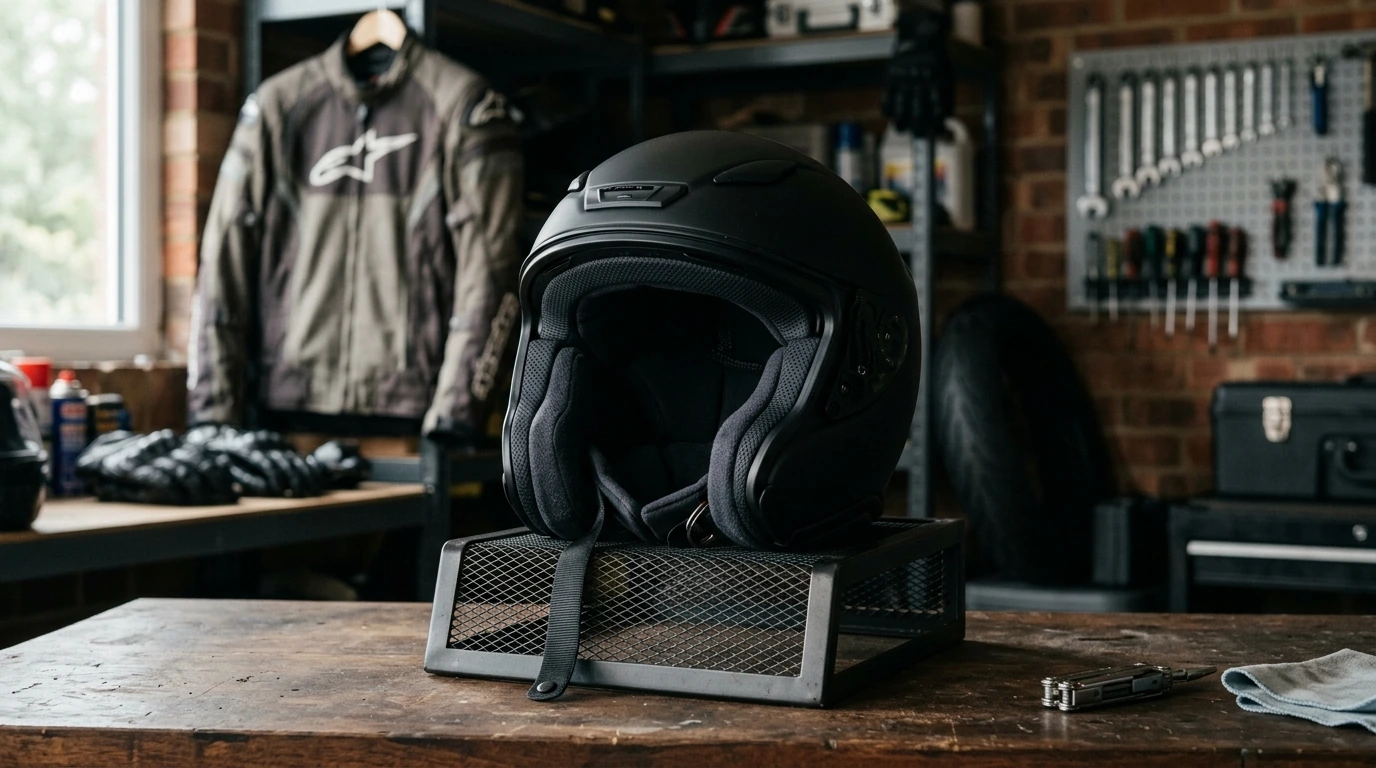
Consider these points for ideal helmet storage:
- Ventilated Spaces: Always choose a location with good air circulation. A closet with a closed door is often insufficient. Garages, gear rooms, or open shelves are preferable.
- Dedicated Helmet Stands: These stands are designed to support the helmet's weight evenly, preventing deformation of the padding, and crucially, keeping the helmet elevated for 360-degree airflow.
- Breathable Bags: Many helmets come with a soft, breathable fabric bag. These are excellent for protecting the helmet from dust and minor scratches while still allowing air to circulate. Avoid plastic bags or airtight containers, which trap moisture.
- Temperature Control: Store your helmet in a cool, dry place away from direct sunlight, heaters, or extreme temperature fluctuations. High heat can degrade EPS foam liners and shell materials over time, compromising safety.
- Keep it Off the Floor: Storing a helmet directly on the floor can expose it to dampness, dust, and potential impacts.
The Dividends of Diligent Helmet Care
The benefits of properly storing your helmet extend far beyond simply avoiding a foul smell. A well-maintained helmet provides a consistently pleasant riding experience. The fresh interior contributes to rider comfort, reducing distractions and enhancing focus. From a health perspective, minimizing bacterial growth means a more hygienic contact point with your skin and hair. Furthermore, correct storage protects the helmet's structural components. The EPS (Expanded Polystyrene) liner, which is critical for impact absorption, can degrade if exposed to prolonged moisture or heat. By preserving the integrity of the liner, shell, and comfort padding, you effectively extend the functional lifespan of your helmet, ensuring it continues to offer the protection it was designed for.
Common Storage Mistakes to Avoid
Even with the best intentions, riders sometimes fall into common traps that lead to helmet degradation and odor issues. Leaving a helmet in a motorcycle's top case or saddlebag for extended periods, especially after a sweaty ride, is a prime example. These enclosed spaces offer poor ventilation and can trap humidity, creating an ideal environment for mold and mildew. Similarly, hanging a helmet by its chin strap from a mirror or handlebar can deform the padding and compromise the strap's integrity over time. Storing helmets in direct sunlight, such as on a car dashboard, exposes them to intense UV radiation and heat, accelerating material breakdown. Lastly, using harsh chemical cleaners or air fresheners not specifically designed for helmet interiors can damage fabrics, glues, and even the EPS liner, potentially reducing the helmet's protective capabilities.
Beyond Freshness: Protecting Your Investment
A high-quality motorcycle helmet represents a significant investment in your safety and riding enjoyment. Treating it with care, particularly through meticulous cleaning and proper storage, is not merely about comfort; it's about preserving its protective qualities and maximizing its lifespan. By following these straightforward guidelines, you ensure that every time you gear up, your helmet is a clean, comfortable, and reliable piece of essential equipment. This proactive approach to maintenance ultimately enhances every mile of your journey, ensuring your focus remains on the road ahead, not on an unpleasant odor.


Comments
Post a Comment