
Are your motorcycle handgrips feeling unpleasantly sticky? That common issue often stems from a combination of sweat, road grime, and the natural breakdown of grip materials, but it's usually fixable with the right approach.
Why Grips Get Grimy and Sticky
Motorcycle handgrips endure a lot. Constant exposure to the elements, rider sweat, skin oils, sunscreen residues, and even exhaust fumes contribute to their degradation. Over time, the materials—typically rubber, foam, or a gel compound—can break down, becoming tacky or developing a slick, grimy film. UV radiation accelerates this process, causing rubber to oxidize and become brittle or gooey. Understanding the root cause helps in choosing the correct cleaning method and preventing future occurrences.
Common Culprits for Grip Degradation:
- Sweat and Skin Oils: These are naturally acidic and can react with grip materials, especially rubber compounds, leading to a sticky surface.
- Road Grime and Dust: Dirt, dust, and microscopic road particles embed themselves into the grip's texture, creating an abrasive, grimy feel.
- UV Exposure: Sunlight's ultraviolet rays break down polymers in rubber and plastics, causing them to soften, crack, or become sticky.
- Cleaning Product Residue: Improper or harsh cleaning agents can strip protective layers or leave behind residues that attract dirt and become tacky.
- Material Breakdown: Some grip materials simply have a finite lifespan, and their compounds will naturally degrade and become sticky as they age, regardless of cleaning.
Selecting the Right Cleaning Approach
The key to effective grip cleaning is identifying the material and choosing appropriate, non-damaging cleaners. Using harsh chemicals can often exacerbate the problem or permanently damage the grip.
For Rubber and Standard Composite Grips:
Most OEM and aftermarket grips are made from various rubber compounds. For these, a mild degreaser or a simple solution of dish soap and warm water is often sufficient. Isopropyl alcohol (IPA) can also be effective for cutting through stubborn oils and residues, but it should be used sparingly and diluted, as frequent or heavy application can dry out some rubber types over time, potentially leading to cracking or accelerated degradation.
For Foam or Gel Grips:
Foam and gel grips are more delicate. Harsh chemicals can dissolve or damage these materials. A mild soap and water solution is generally the safest bet. Avoid abrasive brushes and opt for a soft cloth or sponge. Always test any cleaning solution on an inconspicuous area first.
Step-by-Step Grip Restoration
Once you've identified your grip material and selected your cleaner, follow these steps for a thorough restoration:
- Preparation: Park your motorcycle securely. If possible, cover any sensitive electronics or painted surfaces near the handlebars to protect them from cleaning solutions.
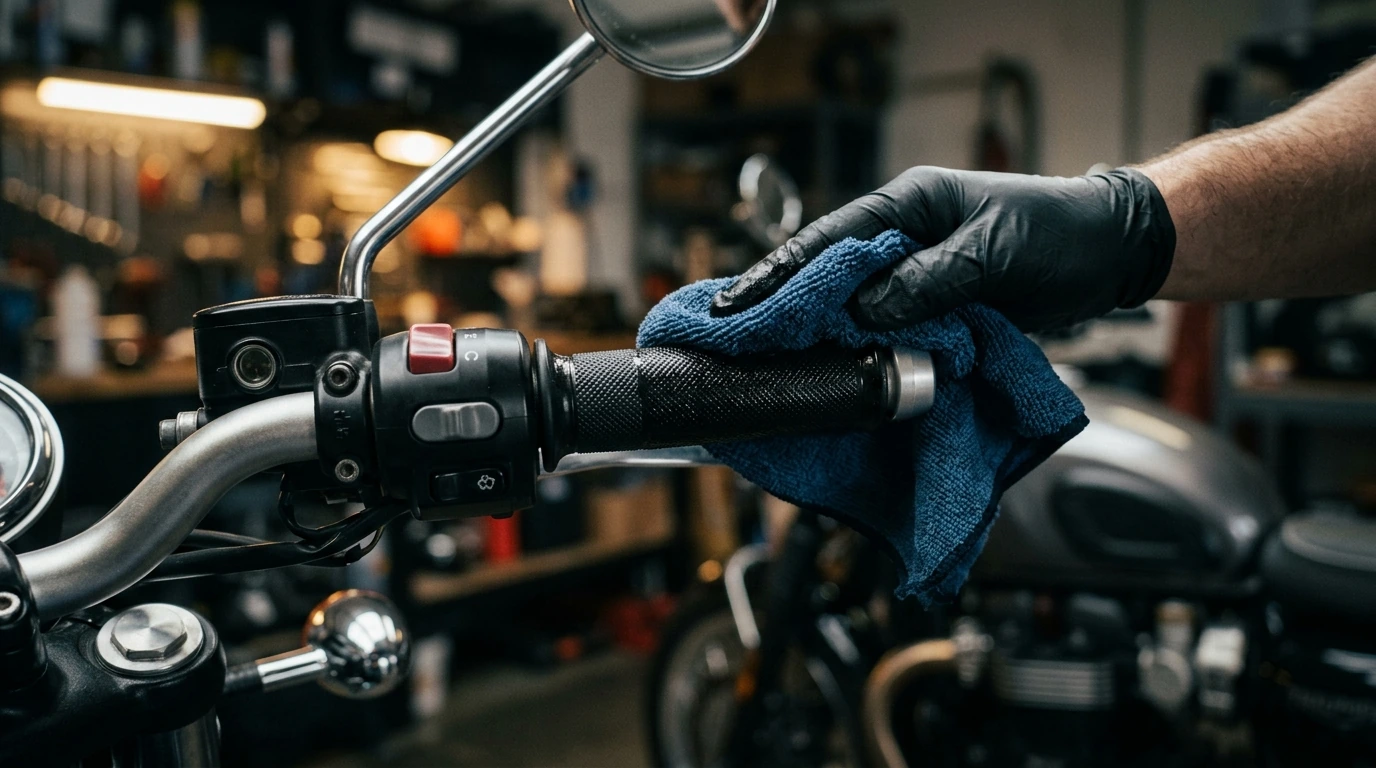
- Initial Wipe-Down: Use a dry microfiber cloth to remove loose dirt and dust from the grips. This prevents abrasive particles from scratching the surface during wet cleaning.
- Apply Cleaner: Dampen a soft cloth or sponge with your chosen cleaning solution (mild soap and water, or diluted IPA). Do not saturate the grips directly, especially if they are foam or gel, to prevent moisture from seeping underneath and causing corrosion or adhesion issues.
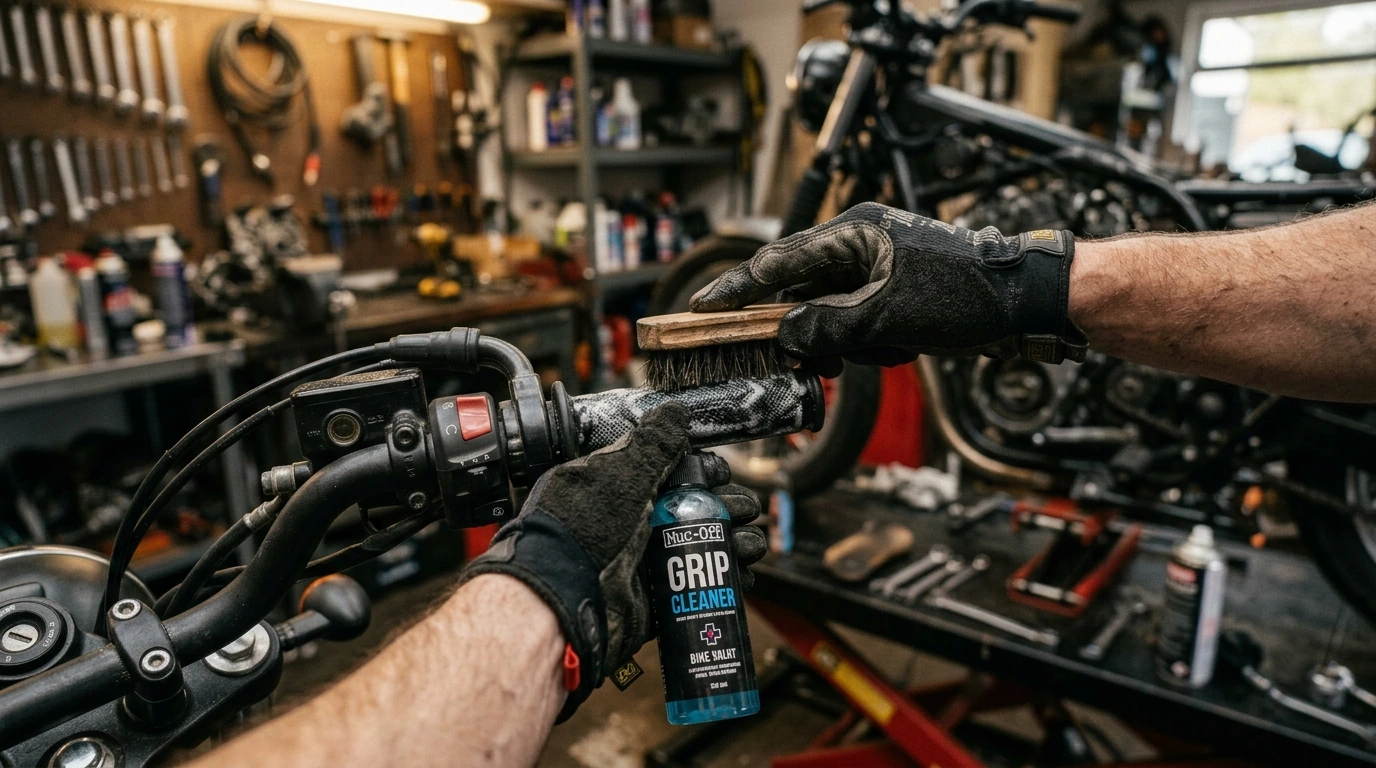
- Gentle Scrubbing: Work the cleaner into the grip surface using the damp cloth. For textured rubber grips, a soft-bristled brush (like an old toothbrush) can help dislodge grime from crevices. Apply gentle pressure; aggressive scrubbing can damage the material.
- Rinse (Wipe-Off): Use a separate clean, damp cloth (moistened with plain water) to wipe away any soap residue. It is crucial to remove all cleaner to prevent it from drying on the grip and creating new stickiness or attracting dirt.
- Thorough Drying: Allow the grips to air dry completely. You can gently pat them with a clean, dry microfiber towel to speed up the process. Ensure no moisture remains, particularly in textured areas.
Preventative Measures and When to Replace
Regular cleaning is the best defense against sticky grips. A quick wipe-down after each ride with a damp cloth can significantly reduce grime buildup. Additionally, consider these preventative steps:
- Hand Hygiene: Wash your hands before riding, especially if you've applied sunscreen or lotions.
- Parking in Shade: Minimize direct UV exposure by parking your motorcycle in shaded areas or using a cover.
- Grip Covers: Some riders use slip-on grip covers for added comfort and to protect the underlying grips from wear and tear.
- Avoid Harsh Chemicals: Steer clear of petroleum-based cleaners, strong solvents, or silicone-based sprays, which can accelerate material breakdown or leave a slick, dangerous residue.
If your grips remain sticky or degrade rapidly despite regular cleaning, it might be time for a replacement. Sometimes, the material has simply reached the end of its lifespan, and no amount of cleaning will restore it. New grips offer improved feel, safety, and a fresh look for your motorcycle.
Final Takeaway
Maintaining clean and non-sticky motorcycle grips is a simple yet impactful aspect of rider comfort and safety. By understanding the causes of stickiness, selecting appropriate cleaning agents, and committing to a routine of gentle care, you can significantly extend the life and improve the feel of your grips. Don't underestimate the difference a clean, grippy handlebar makes on a long ride; it enhances both control and enjoyment.


Comments
Post a Comment