
That familiar creak or groan every time you open or close your car door isn't just an annoyance; it's a clear signal that your vehicle's door hinges are experiencing friction and wear. Left unaddressed, these seemingly minor sounds can indicate a path towards accelerated component degradation, potentially leading to stiffer operation or even damage over time. Fortunately, the solution is remarkably straightforward, requiring minimal tools and effort to restore quiet, effortless function.
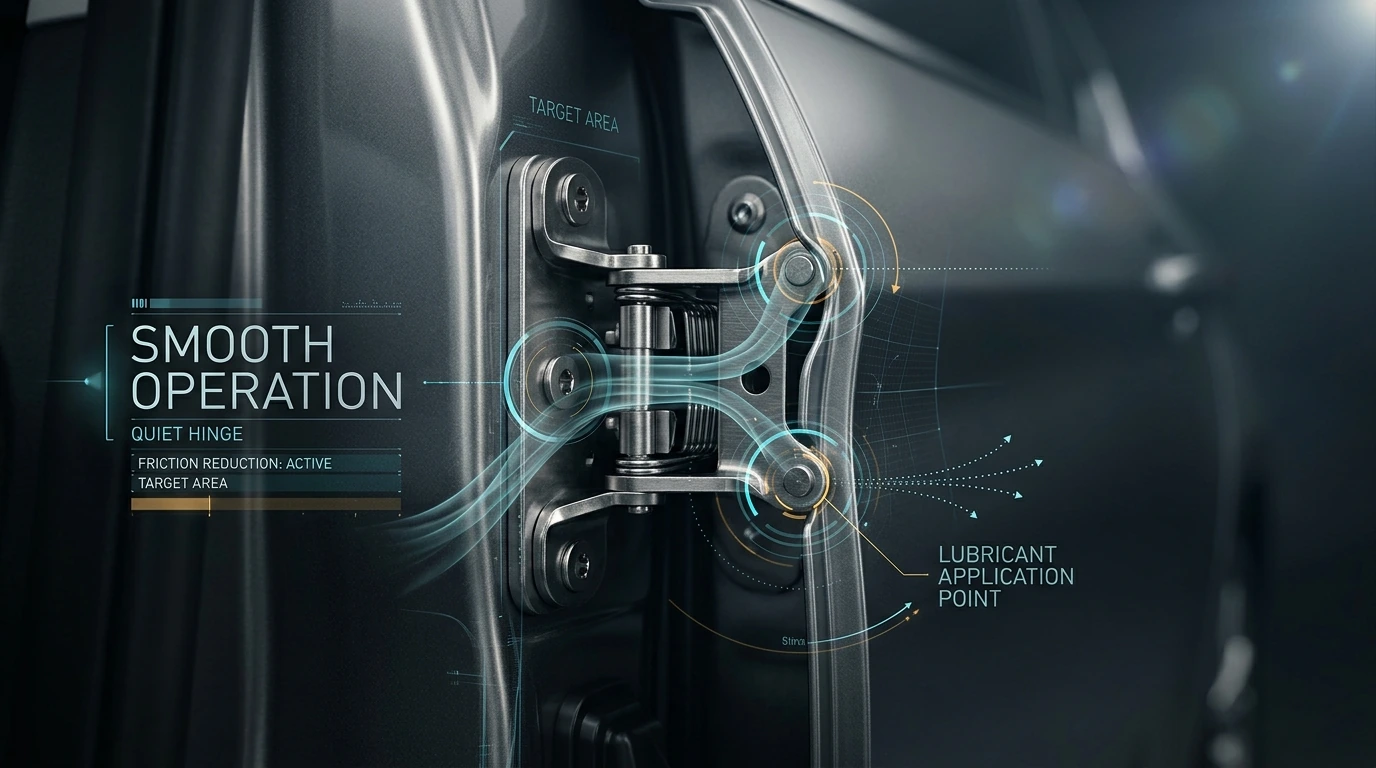
The Annoying Truth About Squeaky Door Hinges
Automotive door hinges are robust components, designed to withstand thousands of open-and-close cycles. However, their exposed nature means they are constantly subjected to environmental elements like dust, dirt, moisture, and temperature fluctuations. Over time, the factory-applied lubrication on these hinges breaks down, washes away, or becomes contaminated. When this protective layer is gone, metal-on-metal contact occurs, leading to increased friction, resistance, and, most audibly, that distinctive squeak. The core strength of the fix lies in understanding this simple principle: friction causes noise and wear, and proper lubrication eliminates friction.
Anatomy of a Smooth Operation: Understanding Door Hinge Lubrication
Car door hinges typically consist of pivot pins and bushings, which allow the door to swing freely. For optimal performance, these contact points require a lubricant that can adhere well, resist washout, and reduce friction effectively. While various lubricants exist, specific types are recommended for automotive hinges due to their viscosity, durability, and protective qualities.
Commonly recommended lubricants for this application include:
- White Lithium Grease: Known for its thick consistency and excellent adhesion, white lithium grease provides long-lasting lubrication and corrosion protection. It's particularly effective for metal-on-metal contact points.
- Silicone Spray Lubricant: This option is excellent for its water-repelling properties and ability to penetrate tight spaces. It's often used for rubber and plastic components but can also be effective on hinges, especially where a cleaner application is desired.
- Specialized Door Hinge Lubricants: Many automotive brands offer products specifically formulated for door hinges, often combining properties of grease and oil for optimal performance.
Choosing the right lubricant is critical. General-purpose oils or sprays, while offering temporary relief, often attract more dirt or wash away quickly, necessitating more frequent reapplication. For durable, long-term silence, a product designed for high-pressure, metal-on-metal applications is generally preferred.
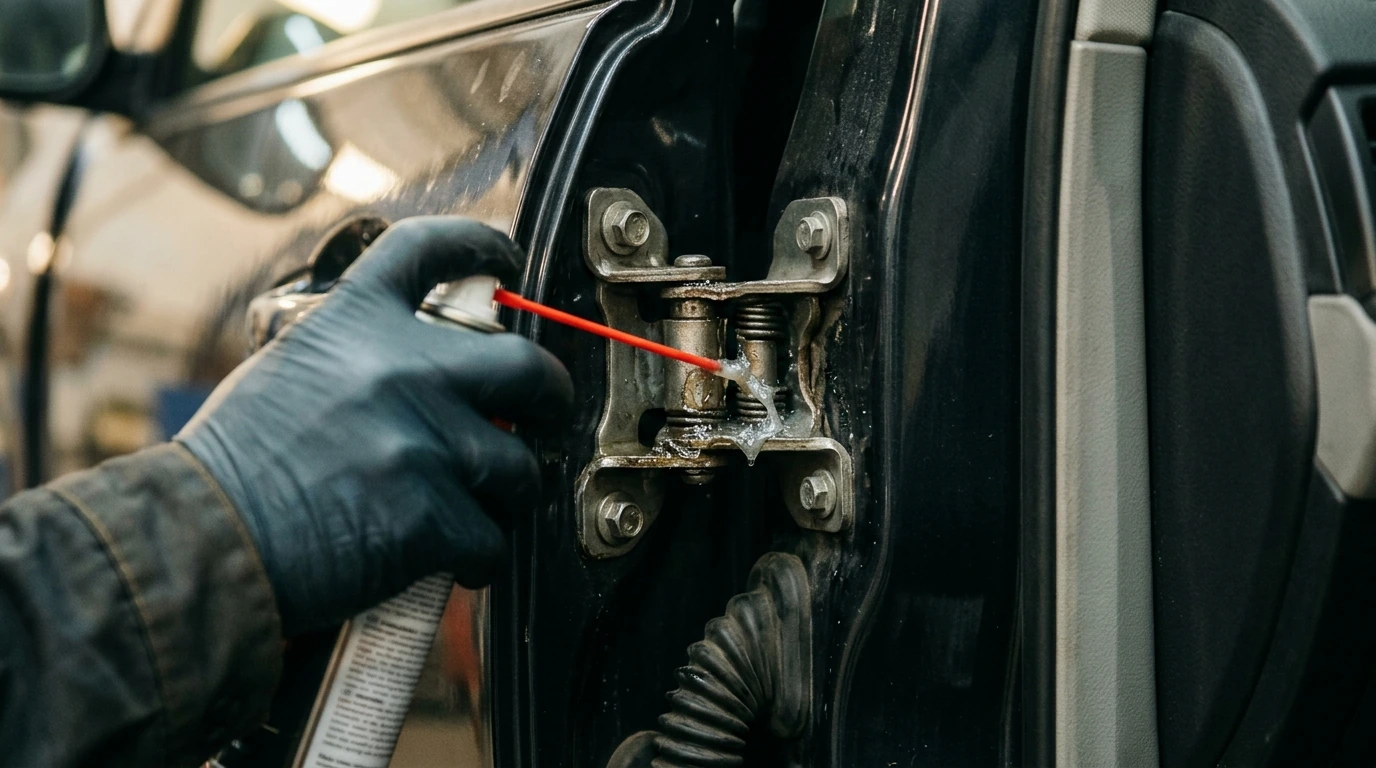
Your Step-by-Step Guide to a Silent Entry
Silencing a squeaky car door hinge is a straightforward process that anyone can perform. Here’s a general approach:
- Clean the Hinges: Before applying new lubricant, it's essential to clean away old grease, dirt, and grime. A stiff brush, an old rag, and a degreaser or brake cleaner can be used. Ensure the area is dry before proceeding.
- Identify Pivot Points: Open the car door fully and observe the hinge mechanism. You'll typically see pins and bushings where the two parts of the hinge articulate. These are your primary targets for lubrication.
- Apply Lubricant: Using your chosen lubricant (e.g., white lithium grease with a straw applicator or a spray silicone), apply a generous but controlled amount directly to the pivot points. For white lithium grease, ensure it gets into the gaps. For sprays, a short burst is often sufficient.
- Work the Lubricant In: Gently open and close the door several times to distribute the lubricant thoroughly throughout the hinge mechanism. This helps the product penetrate all friction points.
- Wipe Excess: Use a clean rag to wipe away any excess lubricant from the hinge and surrounding paintwork. This prevents it from attracting dust or staining your vehicle.
PRO TIP:
When cleaning, avoid spraying degreasers directly onto painted surfaces for extended periods, as some chemicals can affect clear coats. Always wipe quickly and rinse with water if necessary, especially on older vehicles.
Beyond Silence: The Benefits of Proactive Hinge Care
The immediate benefit of lubricating your car door hinges is the elimination of irritating squeaks. However, the advantages extend beyond just quiet operation:
- Extended Hinge Lifespan: Reduced friction means less wear and tear on the metal components, significantly prolonging the life of your hinges and preventing costly repairs or replacements.
- Smoother Door Operation: A well-lubricated hinge allows the door to open and close with less effort, restoring a premium feel to your vehicle's entry and exit.
- Corrosion Protection: Many automotive lubricants contain rust inhibitors, offering an additional layer of protection against corrosion, especially in humid or salty environments.
- Prevents Sticking: In colder climates, hinges can sometimes become stiff or stick. Proper lubrication helps maintain fluid movement regardless of temperature.
While the benefits are clear, a potential drawback is over-application of lubricant, which can attract dirt and dust, potentially leading to a grimy buildup over time. The key is thorough cleaning before application and wiping away excess afterwards.
When to Lubricate and What to Expect Long-Term
The frequency of hinge lubrication depends on various factors, including your driving environment, climate, and the type of lubricant used. As a general guideline, inspecting and lubricating your car door hinges every 6 to 12 months is a widely recommended practice. If you live in an area with high humidity, frequent rain, or dusty conditions, more frequent attention might be beneficial.
This simple maintenance trick offers significant long-term value. For the cost of a can of appropriate lubricant, which is typically under $15-$20 and lasts for multiple applications, you can prevent wear that could eventually lead to professional repair costs far exceeding that amount. It's a proactive measure that maintains the integrity and comfort of your vehicle, making it a worthwhile addition to any routine car care schedule.
Frequently Asked Questions
- What type of lubricant is best for car door hinges?
- White lithium grease is widely recommended for its durability, adhesion, and corrosion protection. Silicone spray is also effective, especially for cleaner application and water resistance.
- How often should I lubricate my car door hinges?
- Most automotive experts suggest lubricating hinges every 6 to 12 months, or whenever you notice a squeak or stiffness in the door's operation.
- Can I use WD-40 on my car door hinges?
- While WD-40 can offer temporary relief by displacing moisture, it is primarily a penetrant and water dispersant, not a long-lasting lubricant. It tends to evaporate quickly and can attract dirt, so it's not ideal for sustained hinge lubrication.
- Will lubricating my hinges fix a door that's hard to open?
- If the stiffness is due to friction in the hinge pivots, lubrication can significantly improve ease of opening. However, if the door is misaligned or the hinges are physically damaged, lubrication alone will not resolve the issue.


Comments
Post a Comment