
Over 90% of stiff or squeaky motorcycle brake lever issues stem from just a few common culprits, often easily remedied with basic tools and a bit of knowledge. A motorcycle's brake lever should offer smooth, consistent feedback, allowing for precise control and confident stopping. When a lever begins to feel stiff, sticky, or emits an irritating squeak with every pull, it not only detracts from the riding experience but can also subtly compromise braking feel and safety. Understanding the underlying causes is the first step toward restoring that crucial tactile connection between rider and machine.
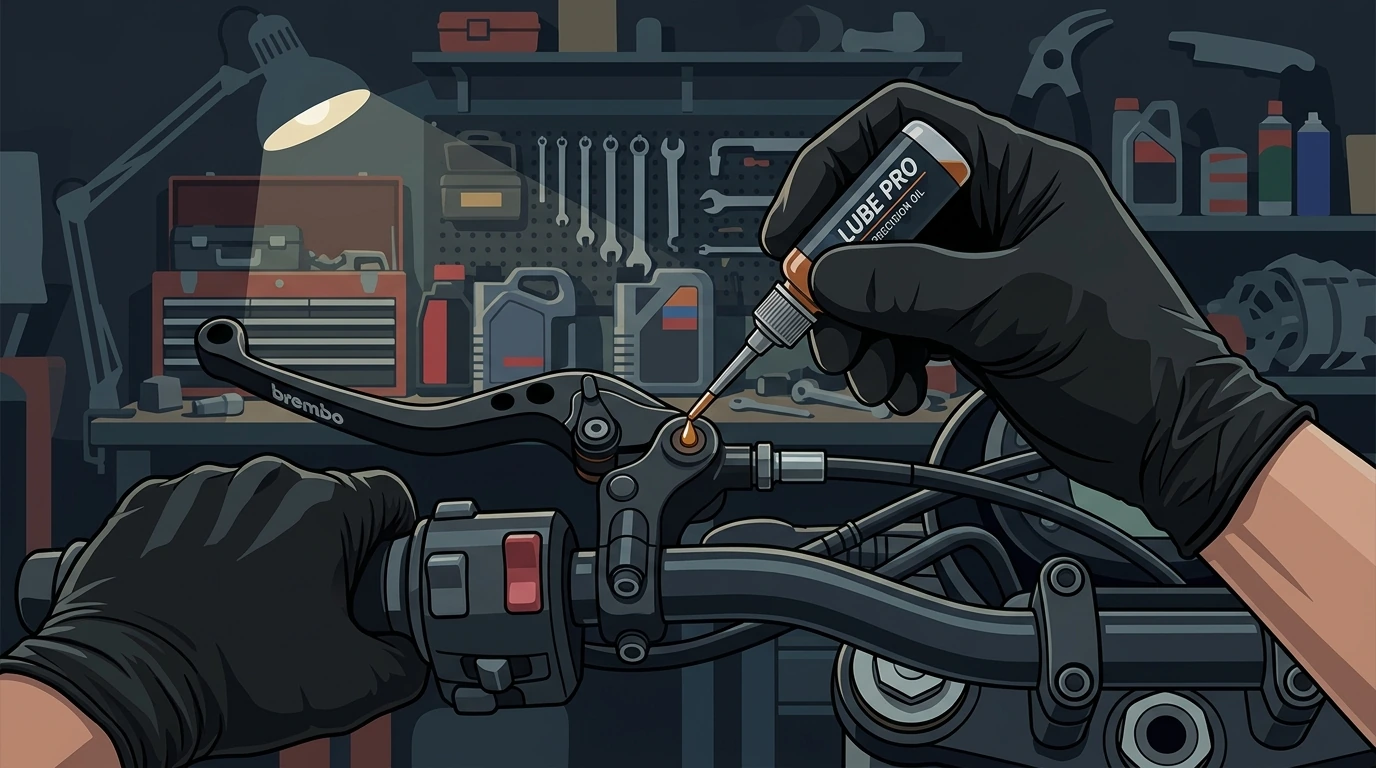
Identifying the Sources of Friction
To effectively address a stiff or squeaky brake lever, pinpointing the exact source of the problem is essential. Several areas can contribute to these symptoms, each requiring a slightly different approach.
The Lever Pivot Point: A Primary Culprit
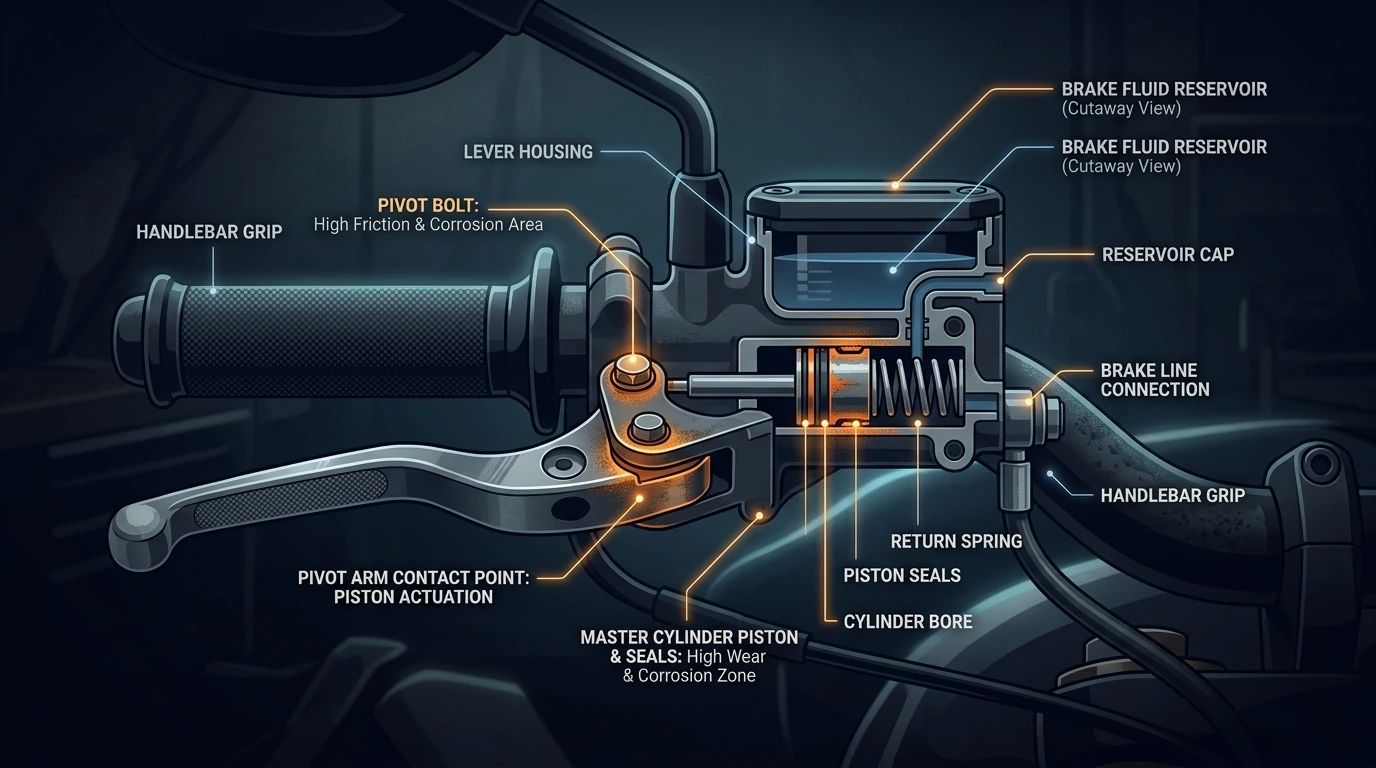
The most frequent cause of both stiffness and squeaking is often found at the lever's pivot point. This is where the lever rotates on a bolt or pin. Over time, road grime, dust, and moisture can accumulate here, creating abrasive friction. Furthermore, any factory lubrication can dry out or wash away, leading to metal-on-metal contact that generates both resistance and noise.
Master Cylinder Piston Drag
For hydraulic brake systems, the master cylinder piston's movement is critical. If corrosion builds up inside the master cylinder bore, or if the piston seals become worn or sticky, the piston may not move freely. This internal resistance translates directly to a stiff feel at the lever. Old, contaminated brake fluid can also contribute to this issue by promoting internal corrosion or leaving deposits.
Cable-Actuated Brake System Peculiarities
While less common for front brakes on modern motorcycles, many rear brakes (especially drum brakes) and some older front systems are cable-actuated. A stiff or squeaky lever in these systems often points to issues within the brake cable itself. Internal corrosion, kinks, or a lack of lubrication can cause the cable to drag within its housing, creating significant friction and a heavy lever pull.
Essential Tools and Materials for the Job
Before you begin, gather the necessary items. Having everything on hand will streamline the process and prevent interruptions.
- Basic Hand Tools: Screwdrivers (Phillips and flathead), Allen keys (hex wrenches), or socket wrenches, depending on your motorcycle's fasteners.
- Clean Rags or Microfiber Cloths: For cleaning components and wiping away old grease or brake fluid.
- Brake Cleaner: An aerosol cleaner specifically designed for brake components, which evaporates quickly and leaves no residue.
- Appropriate Lubricant: A high-quality, water-resistant grease such as white lithium grease, silicone grease, or a specialized brake caliper grease. Avoid petroleum-based greases if there's a risk of contact with rubber seals, as they can cause swelling.
- Small Brush or Cotton Swabs: For detailed cleaning of tight spaces.
- Gloves: To protect your hands from grease and brake fluid.
- Brake Fluid (DOT 3, 4, or 5.1 as specified by your manufacturer): Only if you suspect master cylinder issues or need to bleed the system.
- Bleeder Kit (Optional): If bleeding the brakes becomes necessary.
A Step-by-Step Restoration Process
Follow these steps to diagnose and resolve most brake lever stiffness and squeaking issues:
- Initial Inspection: Wiggle the lever gently. Can you see or feel excessive play at the pivot? Is there visible dirt or corrosion around the pivot bolt? Operate the lever and listen carefully to pinpoint the exact location of the squeak.
- Lever Disassembly: Carefully remove the pivot bolt or pin that secures the brake lever to its perch. Note the order of any washers, bushings, or spacers. For hydraulic systems, you may need to gently push the master cylinder piston in to release the lever fully. Do not lose any small components.
- Thorough Cleaning: Use brake cleaner and a clean rag or brush to remove all old grease, dirt, and corrosion from the lever, the pivot bolt, the lever perch, and any bushings or spacers. For hydraulic systems, also clean the tip of the master cylinder piston where it contacts the lever. Ensure all components are completely dry before proceeding.
- Lubrication: Apply a thin, even coat of your chosen lubricant to the pivot bolt, the inside surfaces of the lever where it contacts the perch, and any bushings or washers. For hydraulic systems, also apply a small amount to the contact point between the lever and the master cylinder piston.
- Reassembly: Carefully reassemble the lever, ensuring all components are placed back in their original order. Tighten the pivot bolt to the manufacturer's specified torque, if available, or until snug but allowing for free lever movement. Do not overtighten.
- System Check: After reassembly, operate the lever several times. It should now feel smooth and quiet. For hydraulic systems, ensure the brake light switch is functioning correctly. If the lever still feels spongy or if the master cylinder was significantly disturbed, bleeding the brake system might be necessary to remove any air that entered.
PRO TIP: Brake Fluid Caution
Brake fluid is highly corrosive to paint and plastics. If you are working on a hydraulic system, cover painted surfaces with rags and immediately wipe away any spills with water, not just a dry cloth. Use only the brake fluid type specified in your motorcycle's owner's manual.
Preventing Future Stiffness and Squeaks
Regular maintenance is key to keeping your brake levers operating smoothly and quietly for years to come.
- Annual Lubrication: Make it a habit to clean and lubricate your brake lever pivots at least once a year, or more frequently if you ride in wet or dusty conditions.
- Regular Cleaning: Periodically wipe down the brake lever and perch area to prevent excessive dirt and grime buildup.
- Check Brake Fluid: For hydraulic systems, regularly inspect your brake fluid level and condition. Fluid that appears dark or murky should be flushed and replaced according to your manufacturer's recommendations, typically every one to two years.
- Use Quality Lubricants: Invest in a good quality, water-resistant grease designed for automotive or motorcycle applications.
Common Brake Lever Issues and Solutions
| Symptom | Likely Cause | Initial Remedy |
|---|---|---|
| Stiff Lever Pull | Dry/dirty pivot, corroded master cylinder piston, stiff cable | Clean and lubricate pivot/cable; inspect master cylinder |
| Squeaky Lever | Lack of lubrication at pivot, metal-on-metal friction | Apply appropriate grease to pivot points |
| Inconsistent Feel | Air in system, worn master cylinder components, contaminated fluid | Bleed brakes, inspect/replace master cylinder seals |
| Slow Return | Stiff pivot, corroded master cylinder piston, tight cable | Clean and lubricate pivot/cable; inspect piston |
Protecting Your Car's Clear Coat, The Right Microfiber Wash Mitt Makes All The Difference →
Frequently Asked Questions
- How often should I lubricate my motorcycle brake lever?
- It is generally recommended to clean and lubricate your brake lever pivot at least once a year during routine maintenance, or more frequently if you ride in harsh conditions like heavy rain or dusty environments.
- Can I use any grease on my brake lever pivot?
- No, it's best to use a high-quality, water-resistant grease such as white lithium grease, silicone grease, or a specialized brake grease. Avoid petroleum-based greases if there's a chance they'll contact rubber seals, as they can cause degradation.
- What if my brake lever is still stiff after cleaning and lubricating?
- If the lever remains stiff, the issue might be deeper. For hydraulic brakes, inspect the master cylinder piston for corrosion or wear, or consider bleeding the system to remove air. For cable-actuated brakes, the cable itself might be corroded internally and require replacement.
- Is brake fluid contamination related to lever stiffness?
- Yes, old or contaminated brake fluid can contribute to stiffness by causing internal corrosion within the master cylinder or caliper, which hinders the smooth movement of pistons. Regular fluid flushes are crucial for hydraulic system health.
A smooth, responsive brake lever is fundamental to safe and enjoyable motorcycle riding. By understanding the common causes of stiffness and squeaking, and by committing to a simple routine of cleaning and lubrication, riders can maintain optimal control and confidence on the road. Don't let a minor annoyance compromise your ride; address it proactively and enjoy the precise feedback your motorcycle was designed to deliver.


Comments
Post a Comment