
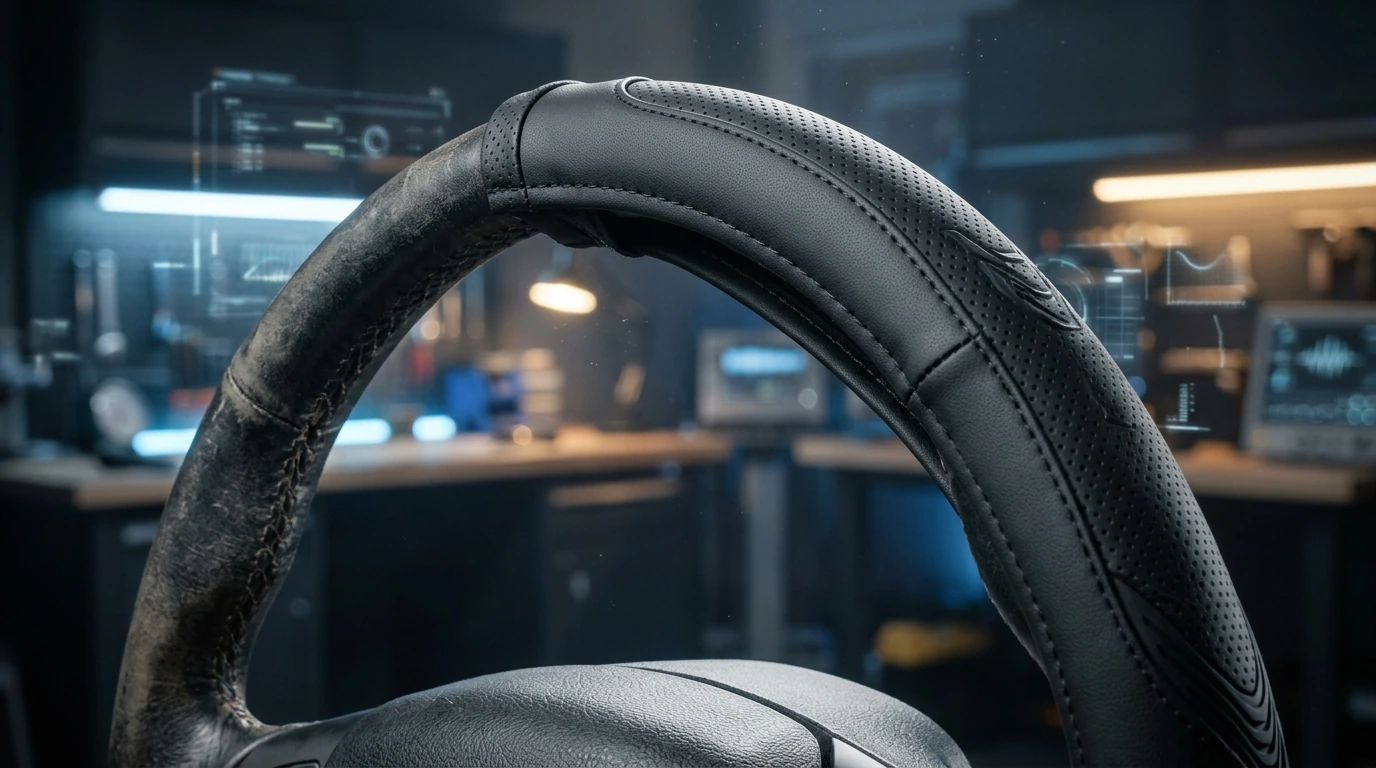
When the leather on your steering wheel begins to show its age, developing a slick sheen or minor abrasions, it can significantly diminish both driving comfort and control. This common issue, often a result of years of hand contact, UV exposure, and environmental factors, can make even routine maneuvers feel less secure. Fortunately, a practical and cost-effective solution exists in the form of universal slip-on steering wheel covers, designed specifically to restore essential grip and refresh your vehicle's interior.
Understanding Steering Wheel Wear and Grip Loss
Over time, the factory leather on a steering wheel undergoes a natural degradation process. Continuous friction from hands, oils from skin, sweat, and exposure to sunlight's UV rays contribute to the breakdown of the leather's surface. This often manifests as discoloration, cracking, or, most commonly, a smooth, slick finish where the original texture and grip have been worn away. Beyond aesthetics, this loss of tactile feedback can pose a subtle but real safety concern, particularly during evasive maneuvers or spirited driving where precise steering input is paramount.
The materials commonly used for original equipment steering wheels, while durable, are not impervious to these forces. Leather, vinyl, and even some synthetic materials will eventually show signs of wear. A slip-on cover acts as a protective layer, shielding the original material from further damage while simultaneously introducing a new, grippier surface for the driver. This dual benefit addresses both the symptoms of wear and provides a preventative measure for the underlying wheel.
Selecting the Right Slip-On Cover for Enhanced Control
Choosing an effective slip-on steering wheel cover involves considering material, diameter, and installation method. Modern covers come in a variety of materials, each offering distinct advantages in terms of feel, durability, and aesthetic appeal. The primary goal is to enhance grip without compromising the steering wheel's original ergonomics.
Material Matters for Tactile Feedback
- Microfiber Leather: Often a synthetic blend, microfiber leather mimics the look and feel of genuine leather but is frequently more durable and resistant to wear, sweat, and UV. It provides excellent grip and a comfortable touch, making it a popular choice for those seeking a premium feel without the maintenance of real leather.
- Perforated Leather/Synthetic: Covers with perforated sections enhance breathability, which can reduce hand sweat and improve grip, especially during longer drives or in warmer climates. The perforations also add a sporty aesthetic.
- Rubber/Silicone Blends: These materials offer a very direct and robust grip. While sometimes less luxurious in feel, they are exceptionally durable, easy to clean, and highly resistant to slipping. They are often favored for utility vehicles or by drivers prioritizing maximum grip.
- Alcantara/Suede-like Fabrics: Known for their luxurious soft touch and superior grip, especially when dry, these materials are popular in performance vehicles. However, they can require more diligent cleaning to maintain their texture and prevent matting.
Sizing for a Secure Fit
Universal slip-on covers are designed to fit a range of steering wheel diameters, typically between 14.5 to 15.5 inches (37 to 39 cm). However, precision is key. A cover that is too loose will slip and rotate, creating a dangerous distraction. One that is too tight may be impossible to install or could put undue stress on the wheel's structure. Always measure your steering wheel's outer diameter before purchasing. Many manufacturers provide specific sizing guides, and adhering to these ensures a snug, safe fit.

Installation Best Practices for Durability
Installing a slip-on steering wheel cover is a straightforward DIY task, but proper technique ensures a secure and lasting fit. The goal is to stretch the cover evenly over the wheel without damaging either the cover or the underlying steering wheel.
PRO TIP: Warming the Cover
If you're struggling to stretch a new cover, especially in colder weather, gently warm it up. Leaving it in direct sunlight for 15-20 minutes or using a hairdryer on a low setting can make the material more pliable and easier to stretch over the wheel. Ensure it's not too hot to handle before proceeding.
- Preparation: Clean your steering wheel thoroughly to remove any dirt, oils, or residue. This ensures a clean surface for the cover to adhere to and prevents trapped grime.
- Initial Placement: Start by hooking the top edge of the cover over the top of the steering wheel.
- Stretching Downwards: Work your way down both sides of the wheel, gradually stretching the cover over the rim. Use firm, even pressure. This can require significant force, so take your time and adjust your grip as needed.
- Final Seating: Once the cover is mostly on, maneuver it around the bottom section of the wheel. Ensure the entire inner edge of the cover is tucked securely under the steering wheel's rim, with no gaps or loose sections.
- Alignment and Adjustment: Once fully installed, adjust the cover so that any seams or textured areas are aligned to your preference. Test the fit by trying to rotate the cover independently of the wheel; it should not move.
Maintaining Your New Grip and Wheel Protection
Once installed, a steering wheel cover requires minimal maintenance to prolong its life and continue providing optimal grip. Regular cleaning prevents the buildup of oils and dirt that can diminish its effectiveness.
- Routine Cleaning: For most synthetic or microfiber covers, a damp cloth with a mild interior cleaner is sufficient. Avoid harsh chemicals or abrasive scrubbers, which can damage the material.
- Deep Cleaning: If the cover becomes noticeably soiled, a gentle upholstery cleaner or a dedicated leather cleaner (for genuine leather covers) can be used. Always test in an inconspicuous area first.
- UV Protection: While the cover itself protects the original steering wheel from UV, prolonged exposure can still degrade the cover's material. Consider using a sunshade when parking for extended periods, especially in sunny climates.
Frequently Asked Questions About Steering Wheel Covers
- Do steering wheel covers interfere with airbags?
- No, properly installed slip-on steering wheel covers do not interfere with the deployment of the driver's side airbag, as the airbag deploys from the center hub of the steering wheel, not the rim. However, ensure the cover is snug and does not extend into the airbag housing area.
- Can a steering wheel cover prevent further wear to my original wheel?
- Absolutely. A quality slip-on cover acts as a protective barrier, shielding the original steering wheel material from continued friction, UV radiation, and skin oils, thereby slowing down or preventing further deterioration.
- How long do slip-on steering wheel covers typically last?
- The lifespan varies significantly based on material quality, driving habits, and maintenance. High-quality synthetic leather or rubberized covers can last several years with proper care, while cheaper options might show wear within a year or two.
- Are universal covers truly universal?
- While marketed as universal, they are designed to fit a range of common steering wheel diameters. It's crucial to measure your specific steering wheel to ensure compatibility, as a poor fit can be uncomfortable or even unsafe.
Restoring Confidence on the Road
Reclaiming the tactile feel of a new steering wheel is an often-overlooked aspect of vehicle maintenance that significantly impacts the driving experience. A universal slip-on steering wheel cover offers a straightforward, effective, and affordable solution to the problem of worn, slick leather. By understanding the material options, ensuring a precise fit, and following simple installation and maintenance steps, drivers can not only protect their original steering wheel but also enhance their grip, comfort, and overall control. This simple upgrade can make a noticeable difference in how connected you feel to your vehicle, adding a renewed sense of security and pleasure to every journey.


Comments
Post a Comment