
Waking Up to a Clear Windshield or a Frustrating Chore?
Waking up to a windshield plastered with ice or baking under a relentless summer sun is a common headache for street parkers. For many, the daily ritual of scraping ice or waiting for the AC to kick in is a time sink. This is where external windshield snow and sun shields enter the picture, promising a simpler morning or a cooler afternoon.
These external covers are designed to prevent frost, snow, and excessive heat buildup on your car's windshield. They are best suited for daily commuters who park outdoors, especially those in regions experiencing harsh winters or scorching summers. Drivers who consistently park in a garage or have minimal exposure to extreme weather might find them an unnecessary addition. The biggest trade-off often lies in balancing truly easy setup and removal with robust, comprehensive coverage and security against theft or strong winds.
Key Takeaways for Windshield Shields
- Purpose-Built Convenience: External shields primarily offer pre-emptive protection against ice, snow, and sun, unlike internal shades.
- Material Matters: Multi-layer construction with reflective and insulating properties is key for effective temperature regulation.
- Attachment Security: Integrated magnets and door flaps are crucial for quick, secure deployment in street parking scenarios.
- Universal Fit Trade-offs: While convenient, universal sizing may not provide a perfect seal, potentially allowing some weather intrusion.
Understanding the Modern Windshield Shield
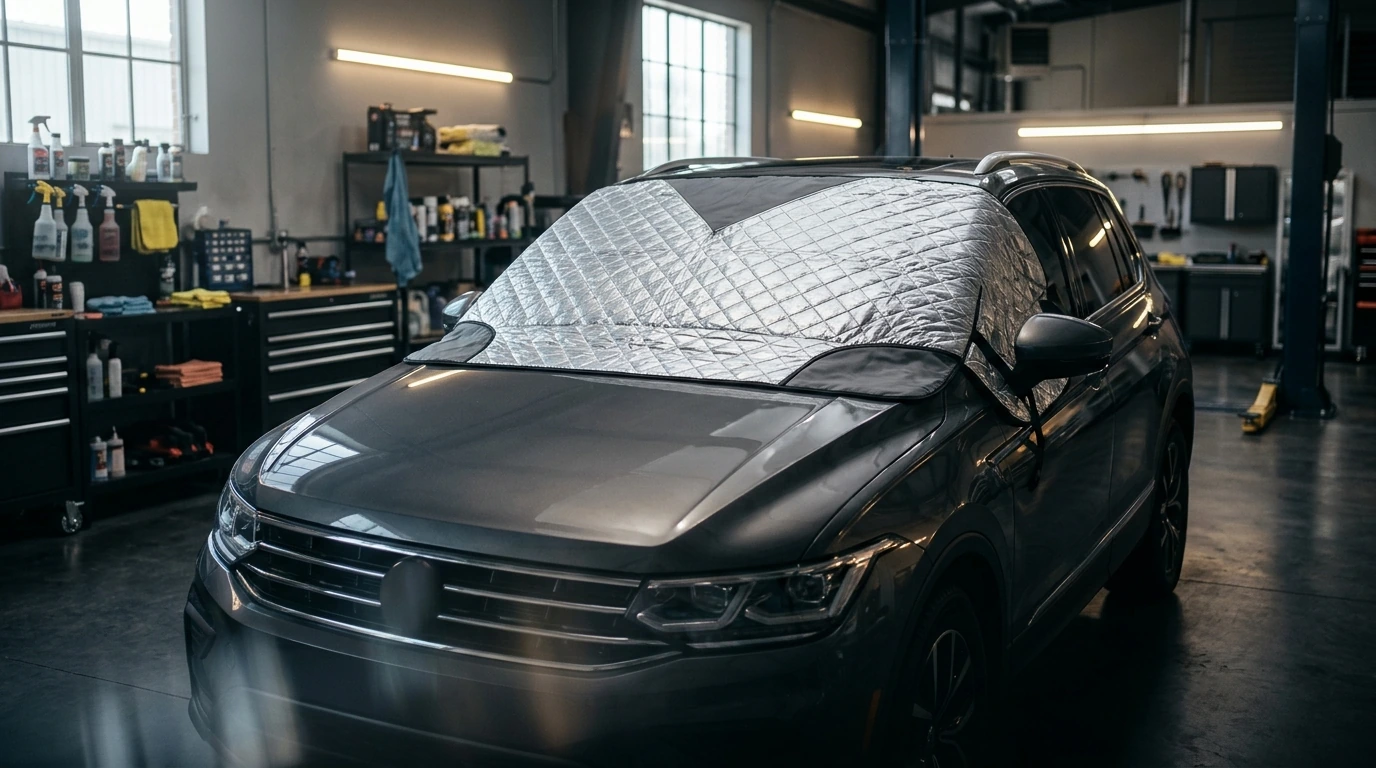
Modern windshield snow and sun shields are a significant evolution from the flimsy, internal accordion shades of yesteryear. These are external covers, designed to sit directly on the windshield, creating a physical barrier against environmental elements. Their primary difference lies in their preventative nature: they stop ice, snow, and UV rays from ever touching the glass or penetrating the cabin, a capability internal shades cannot match for winter conditions.
The latest designs often feature integrated attachment systems and improved material science, aiming to simplify the daily routine for street parkers. This focus on ease of setup and robust protection against various weather conditions sets them apart from earlier, less secure, or less effective solutions.
Deep Dive into Shield Specifications
Evaluating a windshield shield goes beyond just looking at its size. The real performance comes down to its construction and how it attaches. Here’s a breakdown of the critical specifications that influence your daily experience.

| Spec/Composition | What It Means | Verdict (Plus / Minus / Neutral) | Who Feels It |
|---|---|---|---|
| Multi-layer Material Construction (e.g., PEVA, aluminum foil, soft lining) | A layered design provides insulation against cold, reflects sunlight, and protects the windshield from direct contact with harsh elements. The soft lining prevents scratches. | Plus | Drivers in extreme climates, those concerned about interior heat, anyone valuing windshield longevity. |
| Integrated Attachment System (magnets, elastic straps, door flaps, mirror covers) | This system dictates how quickly and securely the shield can be deployed and removed. Magnets offer speed; door flaps deter theft and provide extra security. | Plus | Daily street parkers, those in windy areas, drivers prioritizing quick setup and anti-theft measures. |
| Universal-Fit Sizing (e.g., 60" x 48") | Designed to cover a wide range of vehicle windshields. This offers broad compatibility but may not provide a perfectly snug, edge-to-edge seal on all models. | Neutral | Owners of common sedans/SUVs, those who switch vehicles frequently, but also those seeking a perfect custom fit. |
| Water-Repellent Top Layer with Insulated Middle | The outer layer sheds water, preventing ice buildup, while the insulation helps maintain a warmer pocket of air against the glass, making snow/ice removal easier. | Plus | Drivers in snowy or icy conditions, those who want to avoid scraping. |
| Foldable Design with Storage Pouch | Allows the shield to be compacted for storage when not in use, usually in the trunk or under a seat. The pouch keeps it tidy and prevents melting snow/ice from dripping. | Plus | Commuters, those with limited interior storage, drivers who value organization. |
Real-World Deployment Scenarios
How a windshield shield performs isn't just about its specs on paper; it's about how those features translate to practical use in varied conditions. Here's an analysis of common situations street parkers face.
Winter Morning Commute
When heavy snowfall or freezing rain hits overnight, a multi-layer shield with a water-repellent top layer should prevent ice from bonding directly to the glass. The insulated middle layer helps keep the windshield slightly warmer than the ambient temperature, making any residual snow or ice easier to brush off. The integrated attachment system, particularly door flaps, ensures the shield remains securely in place overnight, even in windy conditions. Users should find removal quick, simply needing to unhook the flaps and magnets, then shaking off the accumulation, saving significant time compared to traditional scraping.
Summer Afternoon Parking
Under a scorching sun, a shield featuring an aluminum foil layer is designed to reflect a significant portion of solar radiation. This should substantially reduce the greenhouse effect inside the cabin, keeping the steering wheel, dashboard, and seats cooler. The quick deployment offered by magnets or elastic straps makes it practical for even short stops, allowing drivers to deploy it without much fuss, thereby mitigating interior heat buildup and UV damage over time.
Moderate Weather, Quick Stops
For those times when the weather isn't extreme but you want to protect your interior from light dust or simply keep it cooler during a brief errand, the foldable design and quick attachment system become valuable. While perhaps overkill for a 15-minute stop, the ease of deployment means it doesn't become a deterrent. The included storage pouch helps keep the shield tidy and prevents it from soiling the car's interior when stored, making it a practical option even for less intense protection needs.
Advantages and Considerations for Daily Use
Based on the design and material analysis, these windshield shields offer distinct benefits alongside some practical limitations.
Key Advantages
- Time-Saving in Winter: The water-repellent and insulated multi-layer construction effectively prevents ice and snow from adhering, eliminating the need for tedious scraping on cold mornings.
- Reduced Cabin Heat: The reflective aluminum foil layer significantly deflects sunlight, which helps maintain a cooler interior temperature during hot summer days, as derived from its material composition.
- Wiper Blade Protection: Full coverage designs shield wiper blades from freezing to the windshield or deteriorating under harsh UV rays, extending their lifespan.
- Quick & Secure Deployment: Integrated attachment systems like magnets and door flaps allow for rapid installation and removal, making it practical for daily street parking and providing anti-theft security.
Potential Drawbacks
- Imperfect Fitment: Universal-fit sizing, while versatile, can lead to gaps on some vehicle models, potentially allowing snow or heat to creep in at the edges.
- Potential for Paint Scratches: Magnetic attachments, if not kept meticulously clean, can trap dirt and grit, posing a risk of scratching the car's paintwork during installation or removal.
- Storage Bulk: Despite being foldable, the multi-layer construction often results in a bulkier stored size compared to thin internal sunshades, which may take up more space in a trunk or cabin.
- Wind Resistance: While door flaps offer security, in extremely high winds, a universal-fit shield may still flap or shift if not perfectly taut, potentially reducing its effectiveness or causing minor surface abrasion.
Alternatives for Windshield Protection
While external windshield shields offer distinct advantages, other options exist depending on your specific needs and priorities.
- Internal Accordion-Style Sunshades: These are effective for blocking direct sunlight and reducing cabin heat, but offer no protection against snow, ice, or sub-zero temperatures. They are typically less expensive and store more compactly.
- Full Car Covers: Providing comprehensive protection for the entire vehicle against all elements, full covers are ideal for long-term parking or classic cars. However, their setup and removal are significantly more time-consuming and cumbersome for daily use.
- Windshield De-Icer Sprays: These are reactive solutions for ice removal, offering no preventative benefits. They are convenient for occasional light frost but do not address heat buildup or heavy snow, and repeated use can be costly.
Value and Purchase Guidance
The value of a windshield snow and sun shield is primarily derived from the convenience it offers. For those who frequently park outdoors and face the daily grind of ice scraping or oven-hot interiors, the time and effort saved can easily justify the investment. These shields are generally priced competitively within the car care accessories market, varying based on material quality, size, and attachment mechanisms.
Before purchasing, it's crucial to check the current price at official retailers or trusted automotive stores, as pricing can fluctuate by region and over time. Ensure the shield's dimensions are compatible with your vehicle's windshield for the best possible coverage and fit. Prioritize models with robust attachment systems if you live in a windy area or are concerned about theft.
Final Recommendation
Buy if: You regularly park your vehicle outdoors, frequently encounter heavy snow, ice, or intense summer sun, and prioritize saving time on daily maintenance or reducing interior heat buildup. The convenience and preventative protection offered align well with a daily street parking routine.
Skip if: Your vehicle is primarily garaged, you rarely park outdoors for extended periods, or you prioritize absolute paint protection over the convenience that magnetic attachments offer. If you need full vehicle protection, a dedicated car cover would be a more suitable, albeit more involved, option.
This review is compiled from an analysis of official product specifications and widely reported user feedback, rather than a personal lab test. Specific features and performance details can vary by regional variant or model year.


Comments
Post a Comment