
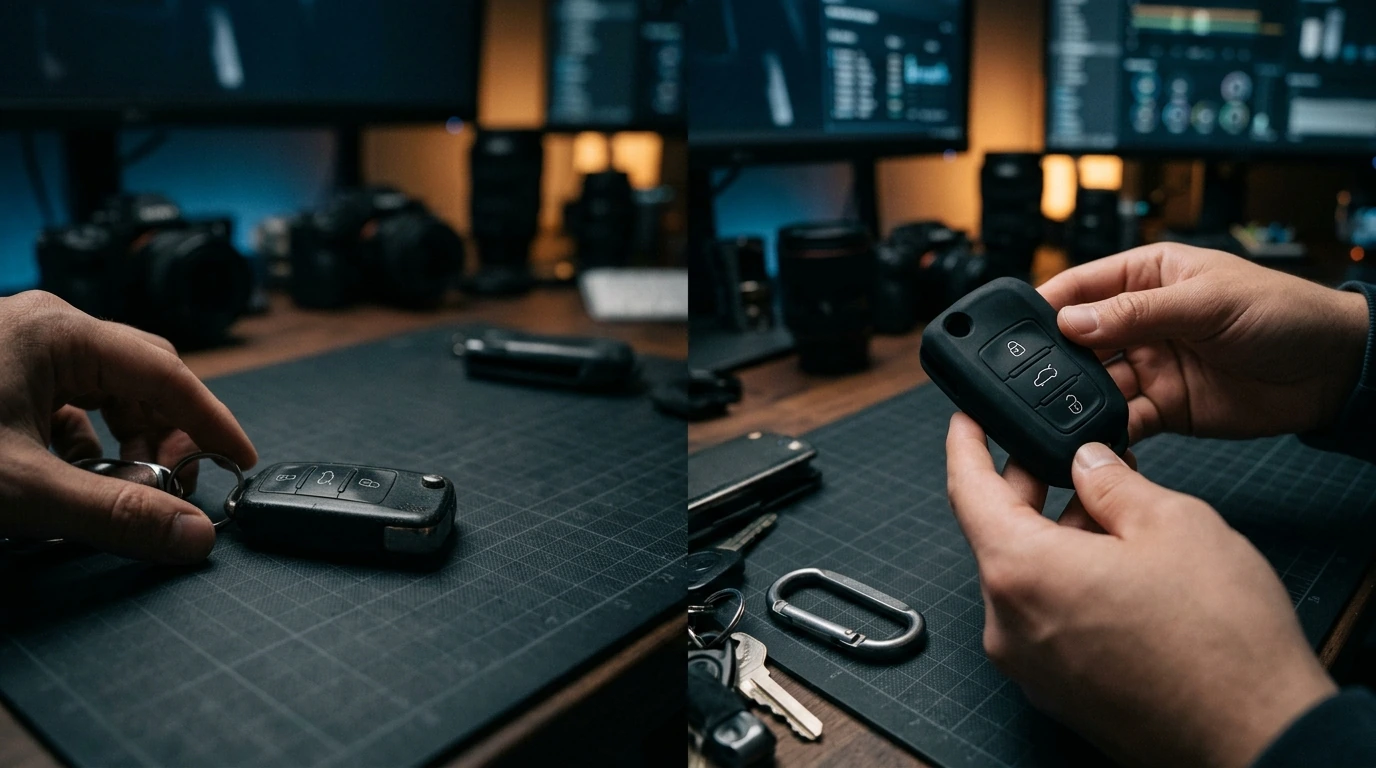
Many drivers assume their car key fobs are built to withstand the rigors of daily life, shrugging off impacts and constant friction within pockets or bags without issue. The reality, however, is that while modern key fobs are robust, their plastic buttons and painted surfaces are surprisingly susceptible to premature wear, fading, and even cracking from routine pocket abrasion and accidental drops.
Key Takeaways
- Purpose-Built Protection: Soft silicone cases are designed to shield key fob buttons and casings from scratches, scuffs, and impact damage.
- Material Benefits: Silicone offers excellent shock absorption and a grippy texture, reducing accidental drops and improving handling.
- Aesthetics vs. Function: While they protect, some cases can alter the tactile feel of buttons or add slight bulk.
- Cost-Effective Maintenance: A small investment in a silicone case can prevent expensive key fob repairs or replacements down the line.
The Simple Solution for Key Fob Longevity
Soft silicone car key cases offer a straightforward, cost-effective solution to a common problem: the gradual degradation of key fob aesthetics and functionality. These accessories are typically form-fitted covers that slip over your existing key fob, providing a protective layer against the elements and everyday abuse. Unlike hard plastic shells that primarily guard against impact, silicone cases excel at cushioning drops and preventing surface scratches, which are the most frequent culprits behind worn-out key fobs.
What sets these silicone cases apart from simpler key rings or lanyards is their comprehensive coverage and material properties. They don't just secure the key; they actively encapsulate it, minimizing exposure to dirt, moisture, and the abrasive environment of a pocket or purse. Compared to leaving a bare key fob exposed, a silicone case offers a significant upgrade in preventative maintenance without altering the key's core function.
Material Science Behind Key Fob Defense
The effectiveness of a silicone key case hinges on its composition and design. Here’s a breakdown of the key specifications that influence its protective capabilities and user experience.
| Spec/Composition | What It Means | Verdict (Plus / Minus / Neutral) | Who Feels It |
|---|---|---|---|
| High-Grade Silicone Rubber | This material is known for its flexibility, durability, and resistance to temperature extremes and UV degradation. It provides a soft, pliable barrier. | Plus | All users benefit from enhanced durability and protection against environmental factors. |
| Exact Form-Fit Design | The case is molded precisely to the contours of a specific key fob model, ensuring all buttons align perfectly and the case stays secure. | Plus | Users who prioritize a seamless look and unhindered button access. |
| Textured Surface Finish | Many silicone cases feature a slightly textured or matte finish, improving grip and reducing the likelihood of the key slipping from hand or pocket. | Plus | Drivers prone to dropping their keys or those in colder climates where gloves are worn. |
| Button Embossments/Recesses | The case has raised or recessed areas that correspond to the key fob's buttons, allowing for tactile feedback when pressed. | Neutral | Users sensitive to button feel; some may find the tactile response slightly muted compared to a bare key. |
| Thickness (typically 1-2mm) | The material's thickness provides cushioning against impacts and abrasion. Thicker cases offer more protection but add more bulk. | Minus | Users who prefer a minimalist, slim key fob experience. |
Real-World Scenarios and Performance
Considering the design and material properties, soft silicone key cases generally perform well across several common situations:
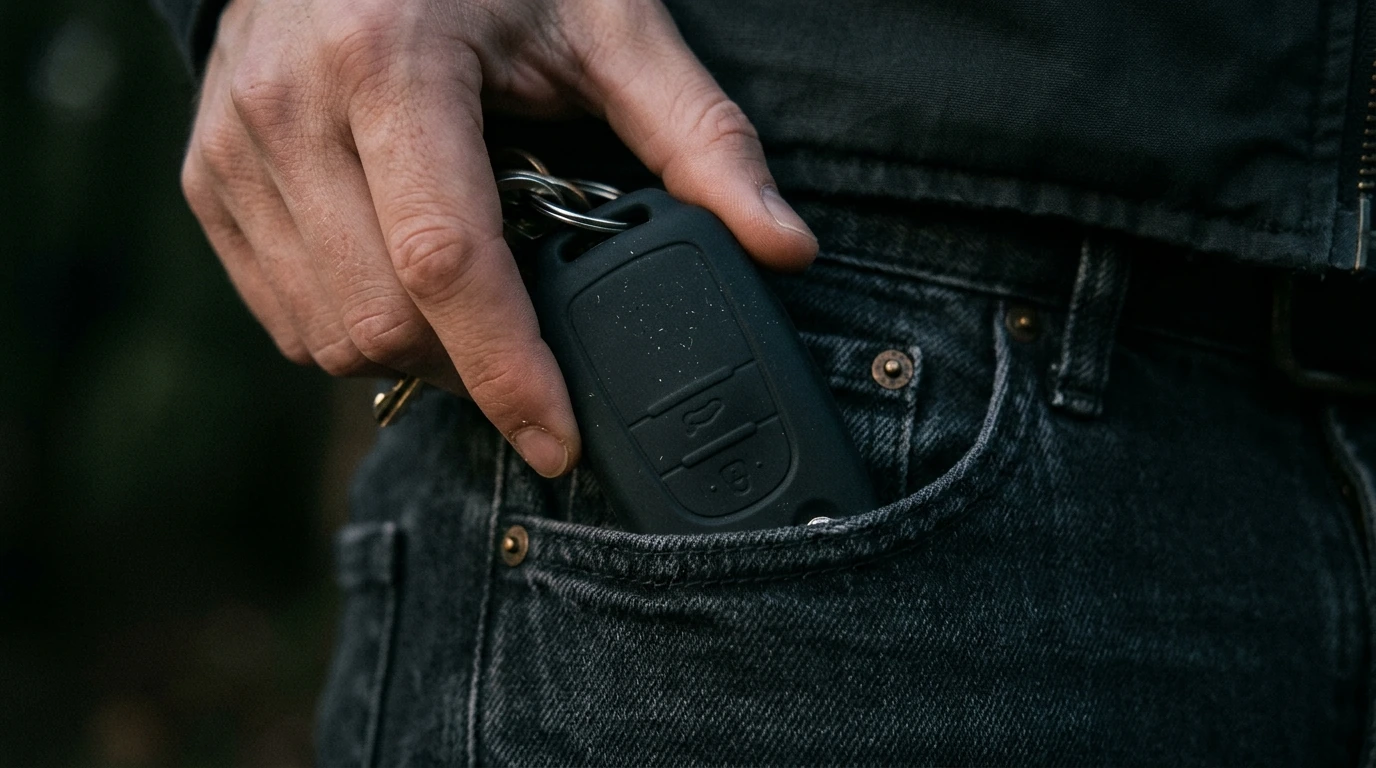
- Pocket and Bag Abrasion: For individuals who frequently toss their keys into a pocket alongside coins, keys, or a phone, the silicone acts as a sacrificial layer. Its soft, non-abrasive surface prevents scratches and scuffs from reaching the key fob's original finish. The high-grade silicone rubber's durability means it can absorb this daily friction without quickly degrading itself, extending the life of both the case and the key fob within.
- Accidental Drops on Hard Surfaces: When a key fob inevitably slips from a hand onto concrete or asphalt, the silicone's inherent shock-absorbing properties come into play. The material's flexibility and thickness (1-2mm) help to dissipate impact forces, significantly reducing the likelihood of cracks in the key fob's plastic casing or internal damage to its electronics. This cushioning effect is a primary benefit for anyone concerned about expensive repairs.
- Protection Against Spills and Dirt: While not fully waterproof, a well-fitted silicone case offers a decent barrier against minor liquid spills or dirt ingress. The exact form-fit design minimizes gaps where debris could enter, protecting the sensitive electronics from splashes or dust accumulation. This is particularly beneficial for those who work outdoors or are prone to minor mishaps involving beverages.
Evaluating the Trade-Offs
Advantages
- Superior Scratch and Scuff Resistance: The high-grade silicone rubber forms a soft, durable barrier, directly preventing the key fob's original surface from suffering cosmetic damage from daily pocket wear or accidental contact.
- Enhanced Drop Protection: The material's inherent flexibility and typical 1-2mm thickness absorb impact forces, significantly reducing the risk of internal component damage or casing cracks from drops.
- Improved Grip and Handling: Many cases feature a textured surface finish, which provides a non-slip feel, making the key fob less likely to slide out of a pocket or hand.
- Dust and Spill Barrier: The exact form-fit design helps seal off sensitive areas, offering a degree of protection against dust, dirt, and minor liquid splashes.
Drawbacks
- Altered Button Feel: The button embossments/recesses, while functional, can sometimes mute the tactile click of the original key fob buttons, which may bother users accustomed to a crisp response.
- Added Bulk: The necessary thickness (1-2mm) of the silicone adds a small but noticeable amount of bulk to the key fob, which might be an issue for those who prefer an ultra-slim profile.
- Potential for Lint Attraction: Silicone, particularly softer grades, can sometimes attract lint and dust from pockets, requiring occasional cleaning to maintain its appearance.
- Reduced Original Aesthetic: While protective, the case covers the original design of the key fob, which might be a drawback for owners who appreciate their key's factory look and feel.
Alternatives Worth Considering
While silicone cases offer robust protection, other options exist depending on your priorities:
- Hard Plastic Shell Covers: These typically snap on and offer excellent rigid impact protection. They might be a better pick if your primary concern is severe drops and you prefer a harder, more defined button feel, though they offer less grip.
- Leather Key Fob Holders: For a premium look and feel, leather holders wrap around the key fob, often with a window for buttons. Choose these if aesthetics and a luxurious touch are paramount, though they offer less direct impact absorption than silicone or hard plastic.
- TPU (Thermoplastic Polyurethane) Cases: These offer a middle ground, being more rigid than silicone but more flexible than hard plastic. They are a good choice for those seeking a balance of protection, slimness, and a slightly firmer button feel.
Value and Buying Advice
Considering the cost of replacing or repairing a damaged key fob, which can easily run into hundreds of dollars, a soft silicone case represents excellent value. These cases are generally quite affordable, making them a wise preventative investment. When purchasing, prioritize cases that explicitly state they are designed for your specific car make and model's key fob to ensure an exact form-fit. Always check current pricing at official retailers or trusted automotive accessory stores, as prices can vary by region and seller.
Final Recommendation
Buy if: You want affordable, effective protection against daily wear, scratches, and minor drops, and you don't mind a slight increase in key fob bulk or a marginally softer button feel. This is especially true if you frequently carry your keys in a pocket with other items or are prone to accidental drops.
Skip if: You prioritize the absolute slimmest profile, an unadulterated original button feel, or require extremely rigid protection against severe impacts, in which case a hard plastic shell might be more suitable.
Frequently Asked Questions
Do silicone cases interfere with the key fob's signal?
Generally, no. High-quality silicone is not known to block radio frequencies. Any interference would likely be negligible and not affect the key fob's normal operation range.
How do I clean a silicone key case?
Most silicone cases can be easily cleaned with mild soap and water. Simply remove the key fob, wash the case, rinse thoroughly, and allow it to air dry completely before reinserting the key.
Will the silicone case stretch out over time?
High-grade silicone is designed to retain its shape and elasticity over time. While some minimal stretching might occur after prolonged use or frequent removal, it typically maintains a snug fit for years.
This review is compiled from official product specifications and widely reported user feedback rather than a personal lab test. Specific details and available variants may differ by region.


Comments
Post a Comment