
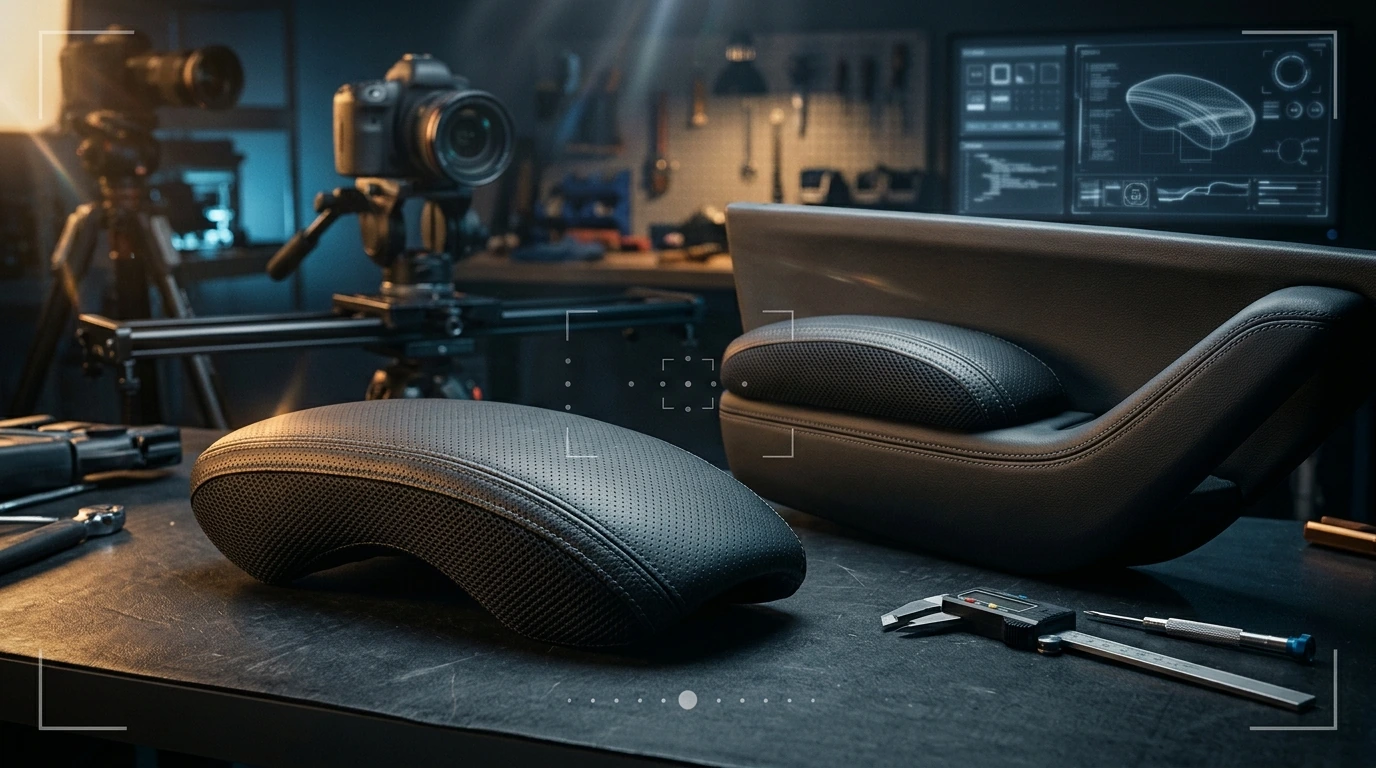
Car door armrest elbow rest cushions effectively alleviate soreness on long commutes by providing targeted ergonomic support, improving overall driving posture.
Key Takeaways
- Targeted cushioning significantly reduces elbow and forearm fatigue.
- Material quality (memory foam, PU leather) dictates comfort and durability.
- Attachment methods affect stability and ease of installation/removal.
- Consider size and profile to ensure it doesn't obstruct window controls or movement.
Initial Assessment: Are These Armrest Cushions Right For You?
An aftermarket accessory designed to add padding and height to a car's door armrest, these cushions are best suited for drivers who experience elbow or forearm discomfort during extended periods behind the wheel, especially those with longer commutes or who frequently take road trips. They are also ideal for vehicles with hard, unpadded door panels. Drivers who already find their existing armrest comfortable, or those whose car interiors have limited space where an added cushion might interfere with window switches or door handles, should probably skip this upgrade. The single biggest trade-off is the potential for reduced access to door-mounted controls or an altered aesthetic if the cushion doesn't blend seamlessly with the interior.
Understanding the Product: Design and Purpose
These cushions offer a straightforward solution in the automotive accessory market, distinct from full armrest replacements or built-in ergonomic features. They provide a cost-effective, non-permanent way to upgrade comfort. Compared to generic seat cushions, their specific contouring and attachment mechanisms are tailored for door panels, aiming for stability and proper elbow alignment. Many newer models incorporate advanced memory foam for better pressure distribution, a notable step up from older, simpler foam pads.
Key Specifications and Their Practical Impact
| Spec/Composition | What It Means | Verdict | Who Feels It |
|---|---|---|---|
| Material (e.g., High-Density Memory Foam core, PU Leather surface) | Memory foam conforms to the elbow's shape, distributing pressure evenly, while PU leather offers durability and an easy-to-clean surface. | Plus | Drivers seeking maximum pressure relief and a premium feel, especially those prone to discomfort. |
| Attachment Method (e.g., Strong Adhesive Backing or Elastic Straps) | Adhesive options provide a secure, semi-permanent fit, often leading to less movement. Elastic straps offer easy installation and removal but might shift slightly over time. | Neutral | Users prioritizing either rock-solid stability (adhesive) or flexibility to move/remove the cushion (straps). |
| Dimensions (e.g., 7.5" L x 3.2" W x 1.8" H) | The length and width determine the coverage area for the arm, while height impacts how much elevation is added. | Plus/Minus | Drivers with specific armrest dimensions or those needing a precise height adjustment for ergonomic alignment. A larger size offers more support but might obstruct controls. |
| Anti-Slip Base (e.g., Silicone dots or textured fabric) | Prevents the cushion from sliding around on the armrest, especially during spirited driving or when getting in/out of the car. | Plus | All drivers, as it ensures consistent comfort and prevents distraction from repositioning the cushion. |
| Water-Resistant Coating | The outer material resists minor spills and moisture, making cleanup easier and protecting the internal foam from degradation. | Plus | Anyone who eats or drinks in their car, or lives in areas with high humidity. |
Driving Scenarios: How These Cushions Perform
For routine daily commutes lasting 30-60 minutes, a well-designed elbow rest cushion should significantly reduce the common ache that develops from resting an elbow on a hard plastic door panel. The memory foam core, if present, would prevent pressure points from forming, allowing drivers to arrive feeling less fatigued.
During extended road trips of two hours or more, the consistent support from a cushion becomes even more critical. It should maintain proper arm alignment, theoretically minimizing strain on the shoulder and upper back by providing a more natural resting position. Owners commonly report that the difference in comfort on multi-hour drives is substantial.

Even in stop-and-go city driving, while less about continuous resting, the cushion still offers a softer contact point during intermittent stops and starts. The anti-slip base is particularly important here, ensuring the cushion stays put despite frequent arm movements for steering or shifting, preventing it from becoming a minor annoyance.
Advantages and Potential Drawbacks of Armrest Cushions
Key Advantages
- Enhanced Comfort: The high-density memory foam core (as specified) provides superior pressure distribution, directly alleviating elbow and forearm soreness on long drives.
- Improved Driving Posture: The added height (e.g., 1.8" H) can help align the arm more naturally with the steering wheel, reducing strain on the shoulder and neck.
- Durability and Easy Maintenance: A PU leather surface (a common material) is generally resistant to wear and spills, making it simple to wipe clean and maintain its appearance over time.
- Stable Placement: An anti-slip base or strong adhesive backing ensures the cushion remains firmly in place, preventing distracting shifts during driving.
Potential Drawbacks
- Potential Obstruction: Depending on the dimensions (e.g., 7.5" L x 3.2" W), larger cushions might partially block access to window switches or door lock buttons for some users.
- Aesthetic Mismatch: If the material or color of the cushion (e.g., generic black PU leather) doesn't perfectly match the car's interior, it can stand out and alter the cabin's factory look.
- Adhesive Residue Risk: While strong adhesive backing provides stability, removal might leave residue on the door panel for models that use this method, requiring careful cleaning.
Alternatives for Interior Comfort
For drivers seeking a more integrated solution, some aftermarket companies offer full replacement door armrest covers that are custom-fitted and often include thicker padding; these are a better pick if you want a factory-like aesthetic and don't mind a more involved installation. Alternatively, a simple, smaller gel pad designed for general office chair use could be a temporary, less specific solution if you only need minimal spot cushioning.
Assessing Value and Purchase Guidance
These elbow rest cushions generally offer good value within their price segment, especially when compared to the discomfort they alleviate. The cost is typically a fraction of a full interior upgrade, making them an accessible comfort improvement. Always check current prices at reputable automotive accessory retailers or the official brand's store, as pricing can fluctuate significantly by region and vendor. Prioritize models that clearly state their core material composition and dimensions.
Pro Tip: Check Dimensions Carefully
Before purchasing, always measure your car's door armrest and compare it against the cushion's stated dimensions. Pay close attention to potential interference with window switches, door handles, or other controls, especially if your vehicle has a compact interior layout.
Final Verdict: Should You Invest in an Armrest Cushion?
- Buy if: You regularly experience elbow or forearm pain during drives, your car's door armrest is hard and unpadded, or you frequently embark on long journeys and prioritize ergonomic comfort.
- Skip if: Your current armrest is already comfortable, you have very limited space on your door panel, or you are highly sensitive to any non-factory additions to your car's interior aesthetic.
Car Side Mirror Rain Visors, What Drivers Often Get Wrong About Keeping Glass Clear →
Frequently Asked Questions
Q: Will an armrest cushion fit any car?
A: While many are designed for universal fit, specific dimensions vary. It's crucial to measure your car's armrest and compare it to the product's listed dimensions to ensure proper fit and avoid obstruction of controls.
Q: How do these cushions attach to the door?
A: Most use either a strong adhesive backing for a more permanent bond or elastic straps that wrap around the armrest for easier installation and removal. The method can influence stability and potential for residue.
Q: Can these cushions be cleaned easily?
A: Cushions with a PU leather or similar synthetic surface are typically water-resistant and can be wiped clean with a damp cloth. Check the manufacturer's specific cleaning instructions for the best results.
This review is compiled from an analysis of common product specifications and widely reported user feedback, not from a personal lab test. Specific details, materials, and features can vary by manufacturer and regional product variants.


Comments
Post a Comment