
Many car owners believe that once rust appears, it signals extensive, deep-seated corrosion requiring professional body shop intervention. However, the truth is that most initial rust on car paint begins as tiny, superficial specks, often called 'rail dust' or 'iron fallout,' which are far easier to address if caught early.
This guide focuses on identifying and treating these minute surface rust spots before they can penetrate deeper layers of your vehicle's paint. The goal isn't to fix structural rust, but to nip cosmetic blemishes in the bud. This approach suits diligent car owners who perform regular maintenance and want to preserve their vehicle's finish. If your vehicle already exhibits bubbling paint or large, flaking rust patches, this guide is not for you; those issues demand a professional assessment.
Understanding Iron Fallout on Paint
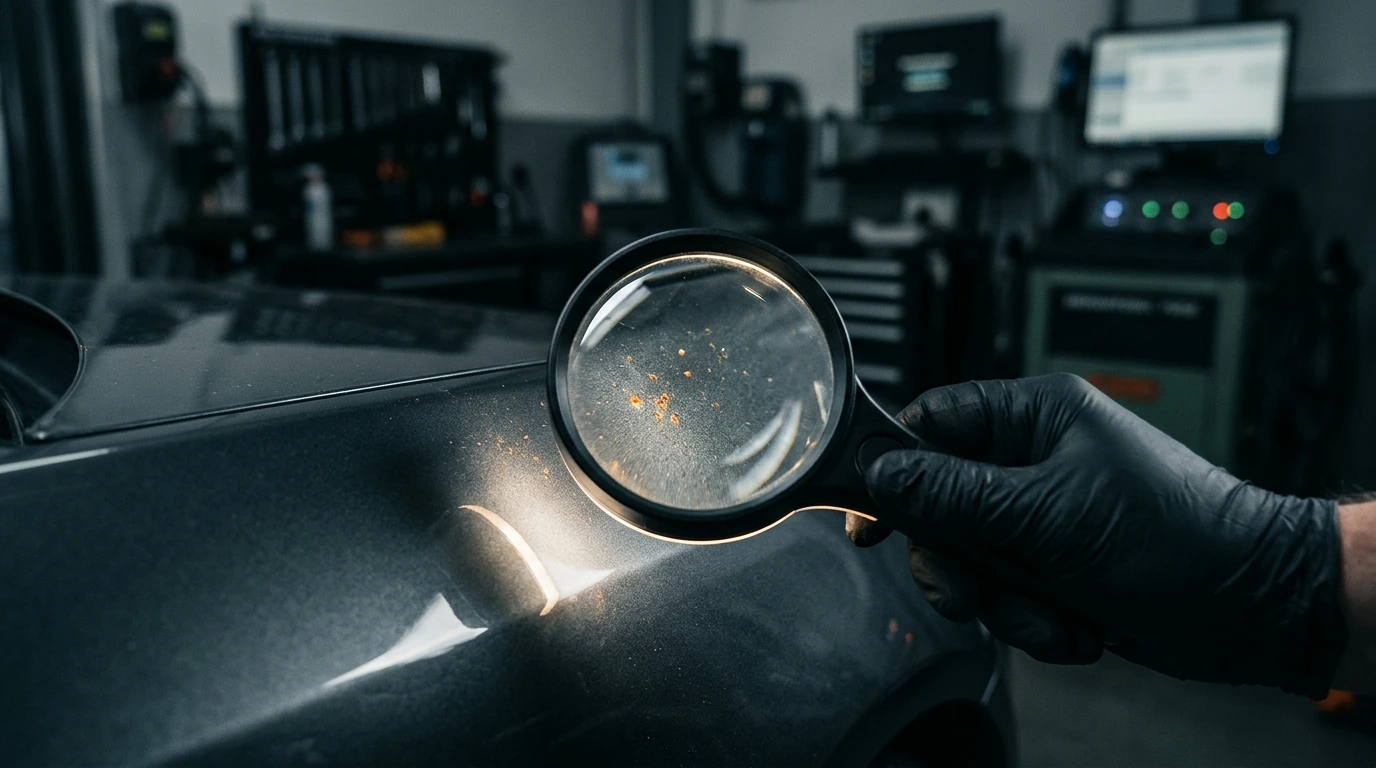
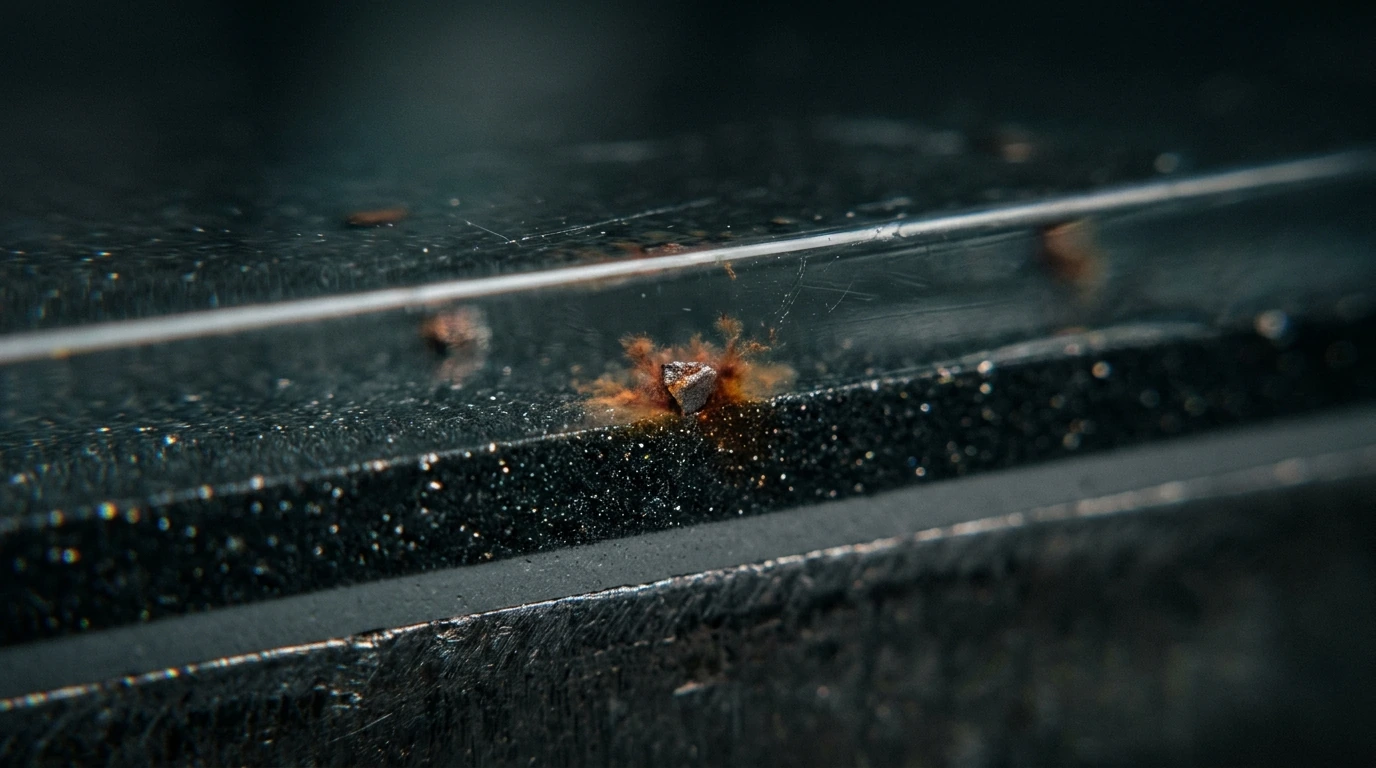
The specks we're discussing are primarily iron particles that land on your car's paint from various sources — brake dust from other vehicles, industrial fallout, or even railroad tracks. These microscopic metallic fragments embed themselves in the clear coat and, when exposed to moisture and oxygen, begin to oxidize, forming tiny orange or brown rust spots. While initially harmless, if left unchecked, these can eventually compromise the clear coat and lead to more significant damage.
Key Characteristics of Effective Rust Spot Removers
Choosing the right product is crucial for safely eliminating surface rust without damaging your car's finish. Most effective products are pH-neutral iron removers, designed to chemically dissolve iron particles. Here's a look at the essential properties:
| Spec/Composition | What It Means | Verdict (Plus / Minus / Neutral) | Who Feels It |
|---|---|---|---|
| pH-Neutral Formula | The product's acidity/alkalinity is balanced, preventing etching or dulling of clear coats, chrome, or plastic trim. | Plus | Owners of modern vehicles with sensitive paint finishes, those who want to avoid accidental damage. |
| Active Iron-Reacting Agent (e.g., Sodium Thioglycolate) | These chemicals bond with iron particles, changing color (often purple/red) as they dissolve the rust, allowing it to be rinsed away. | Plus | Anyone seeking visual confirmation that the product is working, and effective removal of embedded iron. |
| Gel or Viscous Consistency | Thicker formulas cling to vertical surfaces longer, increasing dwell time for the chemical reaction. | Plus | DIY detailers working on curved panels or in warmer climates where liquids evaporate quickly. |
| Non-Abrasive Application | Relies on chemical action rather than scrubbing or polishing, reducing the risk of scratching the clear coat. | Plus | Detailing enthusiasts who prioritize paint preservation and minimizing swirl marks. |
Practical Application Scenarios for Iron Removers
Understanding how these products perform in real-world situations helps manage expectations and achieve the best results.
Scenario 1: Routine Maintenance Wash
After a thorough car wash, apply an iron remover to the entire painted surface, especially lower panels and wheels where brake dust accumulates. The product should dwell for 5-10 minutes, turning purple as it reacts with iron. A gentle rinse with a strong stream of water will then remove the dissolved contaminants. This approach is highly effective for preventing the buildup of iron fallout and maintaining a smooth finish. It should fare excellently, provided the vehicle is washed first to remove loose dirt.
Scenario 2: Pre-Correction Detail
Before polishing or applying ceramic coatings, a full decontamination step is critical. An iron remover is used after the wash and clay bar stages to ensure all embedded ferrous particles are chemically dissolved. Its non-abrasive nature means it won't introduce new scratches before polishing. This is an ideal application, as it prepares the paint for subsequent correction steps without adding mechanical abrasion. It should perform very well, ensuring a clean canvas for polishing.
The Upsides and Downsides of Chemical Iron Removal
Based on the composition and typical performance, here are the key advantages and drawbacks:
Advantages
- Safe for Paint: The pH-neutral formula ensures that the product removes iron particles without harming the clear coat, chrome, or plastic trim, a crucial benefit for maintaining vehicle aesthetics.
- Effective Decontamination: Active iron-reacting agents chemically dissolve embedded iron, providing a deeper clean than washing alone and preventing future rust development.
- Visual Confirmation: The color-changing reaction (often purple) provides clear feedback that the product is actively working, giving users confidence in its efficacy.
- Non-Abrasive: Because it relies on chemical action rather than mechanical scrubbing, it significantly reduces the risk of introducing swirl marks or scratches to the paint.
Drawbacks
- Odor: The active iron-reacting agents often produce a strong, sulfur-like smell during use, which can be unpleasant for some users, especially in enclosed spaces.
- Dwell Time Requirement: Effective removal relies on allowing the product sufficient time to react, which adds several minutes to the detailing process compared to a simple wash.
- Not for Deep Rust: While excellent for surface contamination, these products are ineffective against rust that has already pitted the metal or caused paint bubbling, requiring more aggressive methods.
- Cost per Application: Compared to basic car wash soap, dedicated iron removers are a more specialized and expensive product, increasing the overall cost of a full decontamination.
PRO TIP: Always work with iron removers in a well-ventilated area due to their characteristic odor. Ensure the vehicle's surface is cool and out of direct sunlight to prevent premature drying and potential spotting.
Alternatives for Paint Decontamination
While chemical iron removers are highly effective, other methods serve different purposes:
- Clay Bar/Mitt: Mechanical decontamination using a clay bar or mitt physically lifts embedded contaminants, including some iron particles, tar, and sap. This is a better pick when dealing with a broader range of surface contaminants beyond just iron, or if you prefer a tactile method.
- All-Purpose Cleaner (APC): For general grime and light surface dirt, an APC diluted appropriately can be effective. However, it will not chemically react with or remove embedded iron particles, making it unsuitable for true rust spot removal.
Value and Purchasing Advice
The value of a quality iron remover is measured in its ability to safely and effectively decontaminate your paint, preserving its finish and preventing future, more severe rust issues. While not the cheapest car care product, its preventative capabilities can save significant money on paint correction or bodywork down the line. Always check current prices at trusted automotive retailers or official brand stores, as pricing can fluctuate based on region and promotions.
Final Recommendation
Buy if: You are a diligent car owner looking to maintain your paint's integrity, regularly decontaminate your vehicle, or prepare it for polishing and protection. You understand the value of preventative maintenance and are comfortable with the product's specific application process.
Skip if: Your vehicle has significant, deep-seated rust patches, bubbling paint, or structural corrosion. This product is not designed for heavy-duty rust repair, and you would be better served by professional bodywork.
This review is compiled from official product specifications and widely reported user feedback, not from a personal lab test. Specific details and regional product variants may differ.


Comments
Post a Comment