
Hitting a patch of heavy rain on your commute often means more than just wet roads; it frequently brings an unwelcome, persistent damp smell into your car's cabin. This isn't just an unpleasant sensation; it's a clear indicator of lingering moisture that, if ignored, can lead to mold, mildew, and accelerated material degradation.
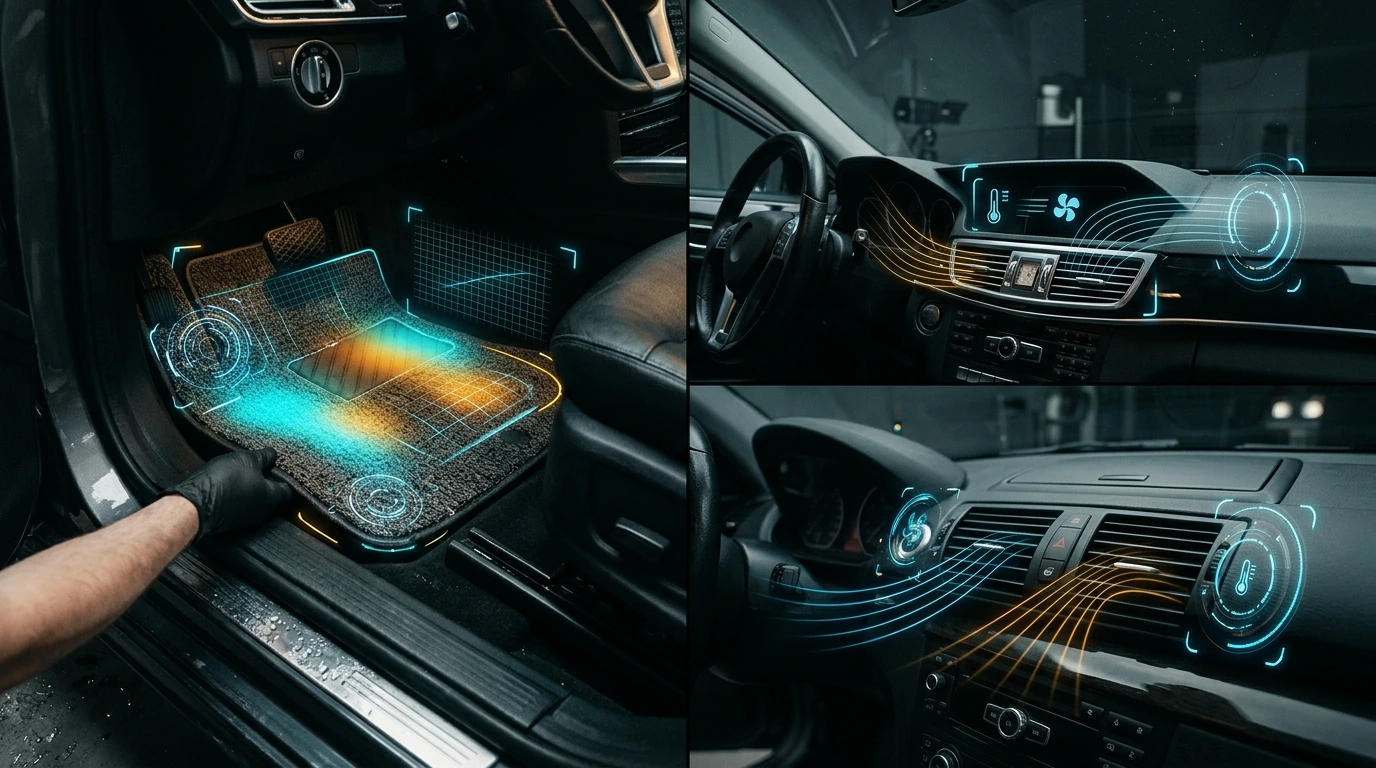
The Proactive Playbook Against Car Dampness
This article outlines a simple yet effective routine designed to actively prevent those musty, damp odors from taking hold in your vehicle after driving through rain. It's best suited for any car owner, particularly those in humid climates or who frequently encounter wet weather. There's no specific demographic that should skip this, as maintaining a dry interior benefits everyone. The single biggest trade-off is the need for consistent, immediate action after exposure to moisture; this isn't a 'set it and forget it' solution.
Unlike reactive cleaning methods that address existing odors, this approach focuses on prevention by tackling moisture at its source before it can settle and cause problems. The core difference lies in its emphasis on immediate intervention and ongoing moisture management, leveraging basic principles of drying and ventilation rather than masking or chemically treating established smells.
Core Principles for Odor Prevention
Understanding the fundamental actions that keep your car dry is key. Each step targets a specific aspect of moisture control, contributing to a consistently fresh cabin.
| Key Action/Principle | Practical Impact | Effectiveness | Primary Beneficiary |
|---|---|---|---|
| Immediate Interior Drying | Prevents moisture from soaking deeply into carpets, upholstery, and sound deadening, which are prime breeding grounds for mold and mildew spores. | Plus – Highly effective at source prevention. | All occupants, preserving interior materials. |
| Enhanced Cabin Ventilation | Forces humid air out and introduces drier ambient air, accelerating evaporation and preventing condensation from forming on interior surfaces. | Plus – Crucial for air exchange and drying. | Drivers in humid climates, preventing stale air. |
| Strategic Use of Desiccants | Actively absorbs residual airborne moisture that ventilation alone might miss, especially in enclosed spaces or overnight parking. | Plus – Excellent for passive, continuous moisture control. | Owners with parked cars, maintaining dryness during storage. |
| HVAC System Management | Ensures the AC system can effectively dehumidify the air, and a clean cabin filter prevents mold spores and external dampness from circulating internally. | Plus – Addresses a common source of internal dampness and odor. | Anyone relying on climate control, improving air quality. |
Real-World Application Scenarios
Applying this routine consistently can make a significant difference, whether you're dealing with a sudden downpour or living in a perpetually damp environment.
After an Unexpected Cloudburst
Imagine you've just driven through a torrential downpour, and your floor mats are visibly wet. The immediate action recommended by this routine involves removing those wet mats, wiping down any damp surfaces with a microfiber cloth, and then ensuring good airflow. This might mean driving with the windows slightly cracked for a short period after the rain stops, or parking in a garage with the doors open for an hour. This rapid response prevents moisture from migrating into the carpet padding, which is far harder to dry and a common source of long-term mustiness.
Navigating Humid Climates Daily
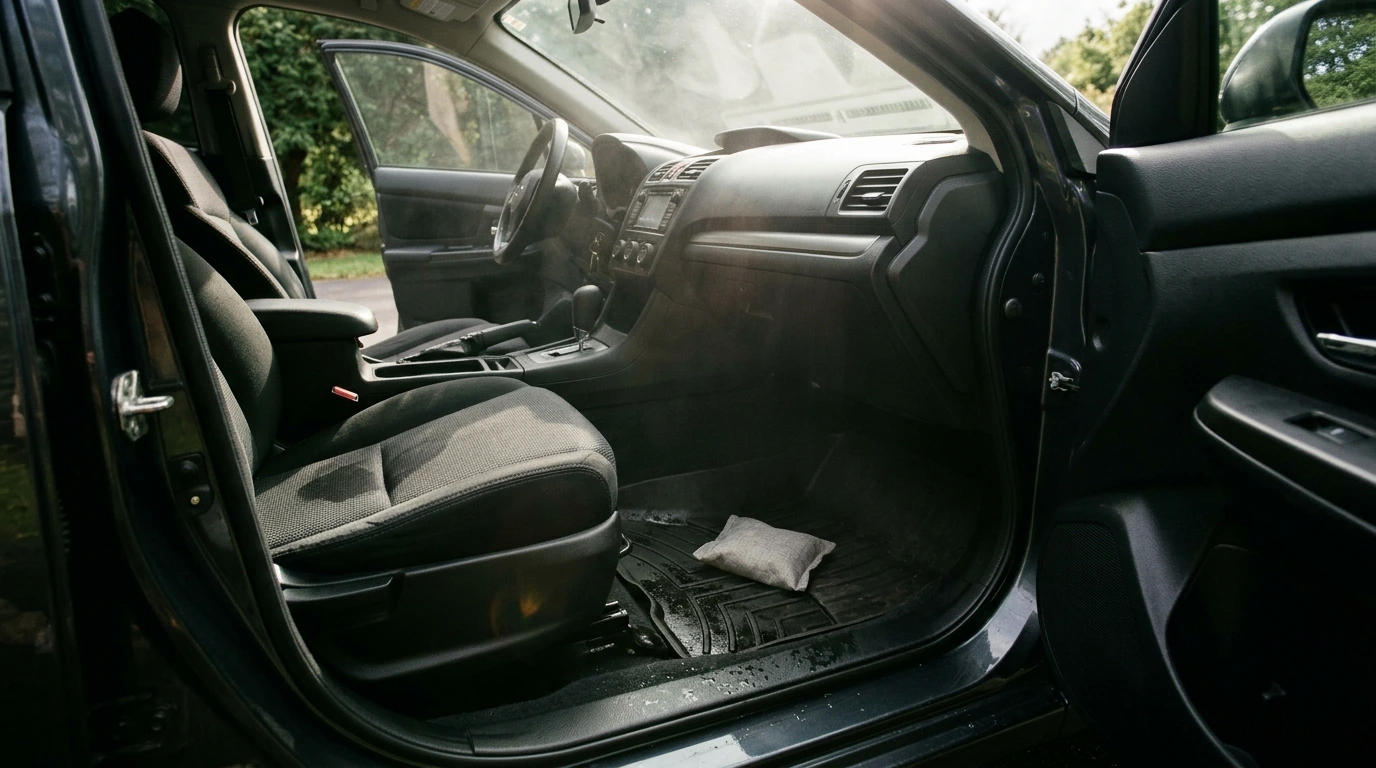
For drivers in regions with consistently high humidity, the challenge is ongoing. Here, the routine's emphasis on strategic desiccant use becomes critical. Placing moisture-absorbing bags (like silica gel or charcoal) under seats or in the trunk can continuously draw moisture from the air, even when the car is parked. This passive approach complements active ventilation, ensuring that the interior remains drier over time and preventing the gradual buildup of humidity that can lead to persistent odors.
Advantages and Considerations
Adopting this simple routine offers tangible benefits for your vehicle's longevity and your comfort, though it does require a degree of owner involvement.
Advantages of a Dry Interior
- Prevents Mold and Mildew Growth: By focusing on immediate drying and moisture absorption, the routine directly combats the conditions necessary for fungal growth, which is the primary cause of persistent musty smells. This traces back to the 'Immediate Interior Drying' and 'Strategic Use of Desiccants' principles.
- Preserves Interior Materials: Less moisture means less wear and tear on carpets, upholstery, and electronics. Consistent dryness helps maintain the structural integrity and appearance of your car's cabin over time, a direct benefit of all 'Core Principles' working in concert.
- Enhances Cabin Air Quality: A dry environment naturally reduces airborne spores and unpleasant odors, contributing to a healthier and more pleasant driving experience for all occupants, stemming from 'Enhanced Cabin Ventilation' and 'HVAC System Management'.
- Maintains Resale Value: A well-maintained, odor-free interior is a significant factor in a vehicle's resale appeal, directly linked to the preventative nature of this routine.
Practical Considerations
- Requires Consistent Effort: The effectiveness of this routine hinges on regular and immediate action after rain exposure. Skipping steps or delaying drying can diminish its impact, particularly for 'Immediate Interior Drying'.
- Initial Cost for Desiccants: While generally affordable, there's an ongoing cost associated with purchasing and replacing moisture-absorbing products, which ties into the 'Strategic Use of Desiccants' principle.
- Not a Cure for Pre-Existing Issues: This routine is preventative. If your car already has a deep-seated mold problem or a persistent odor from previous neglect, it may require professional intervention first, as the 'Core Principles' are designed for ongoing maintenance, not remediation.
Complementary Measures and Professional Help
While this routine is highly effective for prevention, sometimes additional steps are needed. For stubborn, pre-existing odors or very severe moisture issues, professional detailing services can offer deep cleaning and specialized odor removal techniques. Ozone treatments, when performed correctly by professionals, can also neutralize odors at a molecular level, but should be used with caution and only by experienced technicians due to potential material damage if overused. These are not alternatives to the routine but rather solutions for problems that the routine aims to prevent.
Value and Practical Advice
The value derived from implementing this routine is substantial, especially considering the relatively low cost and effort involved. Preventing mold and preserving your car's interior far outweighs the minor investment in time and materials. When selecting desiccants, look for reputable brands offering silica gel or activated charcoal products specifically designed for automotive use. Always check the current prices at official automotive retailers or trusted online stores, as costs can vary by region and product type.
Final Recommendation
Adopt this routine if: you want to proactively protect your car's interior from damp smells, mold, and premature wear, ensuring a fresh and pleasant cabin after every rainy drive.
Skip this routine if: you are content with potential musty odors, accelerated material degradation, and the eventual need for more costly professional remediation.
Frequently Asked Questions
Why does my car smell damp after rain?
The damp smell typically comes from moisture that has soaked into porous interior materials like carpets, upholstery, and insulation. This creates an ideal environment for mold and mildew to grow, which then release volatile organic compounds (VOCs) that cause the musty odor.
Can I use household dehumidifiers in my car?
While household dehumidifiers can remove moisture, they are generally too large and require a power source not readily available in a vehicle. Smaller, passive desiccants designed for cars are more practical and effective for ongoing moisture absorption.
How often should I perform this routine?
The immediate drying steps should be performed every time your car's interior gets significantly wet. Desiccants should be checked and replaced or recharged according to the manufacturer's instructions, typically every few weeks to months, depending on humidity levels.
What if the damp smell persists despite the routine?
If the smell persists, it suggests a deeper issue. This could be a hidden leak allowing water into the cabin, a clogged drain in the HVAC system, or an already established mold colony. In such cases, professional diagnosis and remediation are recommended.
This review is compiled from official specifications and widely reported user feedback rather than a personal lab test, and details can differ by region or variant.


Comments
Post a Comment